


Vinyl plank flooring rewards patience and rewards the right blade. Pick a coarse, aggressive tooth pattern and the cut edge looks like a torn coupon. Pick a fine-tooth blade and you save yourself a stack of wasted planks. The eight tools below split into two camps: circular saw blades for power-tool users with a miter or table saw, and manual floor cutters for installers who want quiet, dust-free precision in a living room. Each pick below is matched to a specific scenario, and the buying guide walks you through the trade-offs that actually matter on the job.
A Fast Comparison Of The Options

Diablo Ultimate Polished Finish Saw Blade 10″ 90T

FOXBC 10-Inch 80T TCG Non-Ferrous Metal Blade

Diablo HardieBlade 10″ 6T PCD Fiber Cement Blade

MANTISTOL 13″ Laminate and Vinyl Plank Cutter

Diablo PergoBlade 12″ 16T PCD Laminate Blade
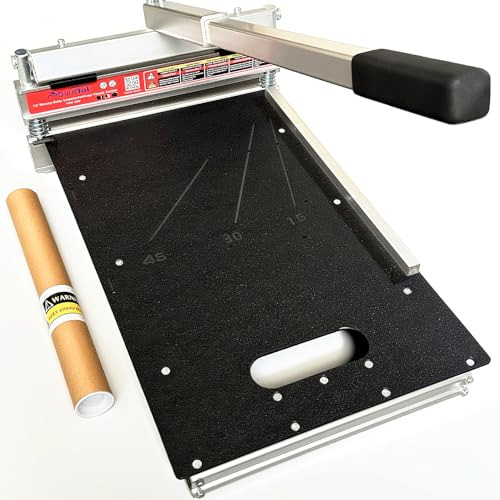
MANTISTOL 13″ Vinyl Plank Cutter with Spare Blade
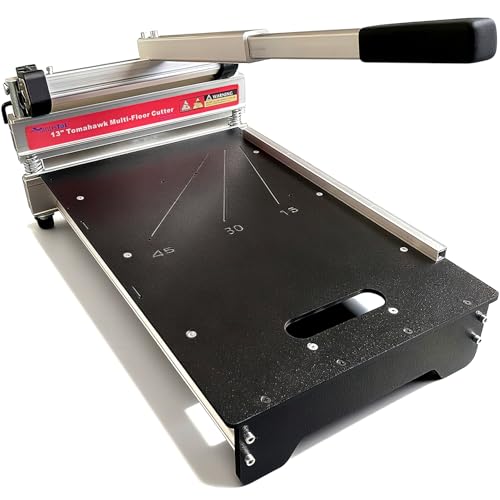
MANTISTOL 17mm Pro 13″ Vinyl Floor Cutter

DEWALT 5-3/8″ 80T Vinyl Cutting Blade (DW9053)
A Closer Look At Each Pick
Ninety teeth on a 10-inch blade sounds excessive until you cut vinyl plank against a finished wall and never look back. The fine tooth count (the number of individual cutting edges circling the blade) means each tooth shaves a tiny sliver rather than chipping one out, and the double-side grind geometry is engineered to leave a polished edge on the visible cut face. The result on harder rigid-core LVP tends to look like the factory edge, with little to no sanding needed before you butt the next plank against it.
For installers chasing a furniture-grade finish, this is the circular blade that earns its keep. It is overkill for rough framing cuts and waste sections, so it pairs nicely with a coarser rough-cut blade. You may find the 10-inch diameter demands a full-size miter saw rather than a compact trim saw, and the price runs higher than a basic carbide blade.
Useful Touches
- Polished finish that often skips a separate sanding pass
- High tooth count reduces chip-out on rigid-core LVP
- Triple-chip grind geometry suited to dense, abrasive planks
- Compatible with most 10-inch miter and table saws
Things To Consider
- Slower feed rate than a low-tooth rough blade, so push at a steady pace
- Requires a full-size saw with a 5/8-inch arbor
- Premium positioning makes it a poor choice for throwaway cuts
Key Specs
Who It Suits Best
Diy installers and finish carpenters who want visible edge cuts to disappear without a separate sanding or routing step on most LVP and laminate planks.
Consider Something Else When
The MANTISTOL 13″ Vinyl Plank Cutter is the better fit for installers working in occupied homes who need dust-free, near-silent cuts.
FOXBC targets the metal-cutting world with a Triple Chip Grind (TCG) tooth pattern, where alternating steep and shallow rakers attack hard, non-ferrous materials without grabbing. The 80-tooth count keeps the cut smooth on aluminum trim and copper flashing, and the 0.094-inch kerf (the width of material each pass removes) is thin enough to keep swarf manageable. For a shop that occasionally steps outside the wood shop to cut vinyl or plastic trim, this is a useful crossover blade.
Compared to the polished-finish Diablo above, the FOXBC trades mirror-grade finish for tooth geometry that survives harder substrates. The 5/8-inch arbor fits most 10-inch miter saws, and laser-cut expansion slots are designed to absorb vibration. You may find that cutting very thin LVP feels over-spec, and the blade is not tuned for finish-grade work where the factory edge needs to be preserved.
Notable Upsides
- Triple Chip Grind pattern holds up to non-ferrous metal and dense plastic
- 80-tooth design balances finish quality and feed rate
- Laser-cut vents reduce noise and vibration during longer cuts
- Fits common 10-inch miter and slide-miter saws
Worth Noting
- Not engineered for the cleanest cut on rigid-core LVP
- Overkill for standard vinyl plank thicknesses
- Requires careful feeding on metal to avoid tooth chipping
Right Fit For
Shop owners and serious hobbyists who cut aluminum, brass, and plastic alongside occasional vinyl trim work and want one blade to cover both.
Look Elsewhere When
The Diablo Ultimate Polished Finish Saw Blade makes more sense if your priority is a chip-free edge on rigid-core LVP rather than metal versatility.
Polycrystalline diamond (PCD) teeth are a step up from carbide, and on a coarse 6-tooth pattern they chew through abrasive fiber cement siding with ease. Diablo positions this blade for James Hardie-style trim, and the spark-eroded tooth geometry is built to last in a material that would dull a standard carbide blade in a single cut. For mixed jobs that include Hardie plank siding plus a few vinyl accessory pieces, the blade gets the work done without a swap.
The trade-off shows up the moment you ask it for a fine finish. Six teeth means aggressive chip removal, and a clean vinyl edge is harder to coax from a TCG pattern this coarse. For installers working mostly on rigid LVP, the 90-tooth Diablo or the MANTISTOL manual cutter serve better. Where this HardieBlade earns its slot is on the siding segment of the job.
Where It Delivers
- PCD teeth last far longer than carbide in fiber cement
- Approved for James Hardie fiber cement products
- Cuts siding up to 6mm thick without bogging down
- Standard 5/8-inch arbor fits most 10-inch saws
Points To Note
- Coarse 6-tooth count leaves a rough edge on most LVP
- Generates more dust than finer-tooth alternatives
- Specialized role makes it redundant for vinyl-only projects
Feature Snapshot
Made For
Siding installers and remodelers who cut fiber cement trim alongside occasional vinyl plank work on the same job site.
A Better Fit Elsewhere
The MANTISTOL 17mm Pro 13″ Vinyl Floor Cutter suits pros focused on dense LVP, SPC, and engineered planks better than a fiber-cement specialty blade.
A manual floor cutter takes the power tool out of the equation. You drop the plank in, pull the lever, and the 4mm tungsten blade slices through up to 13 inches wide in a single stroke. For occupied homes where a circular saw would send dust into the kitchen, this is a friendlier tool. The 15/30/45 and 90-degree presets cover the angles you need for stair treads and corners without setting a miter saw or wrestling a stop block.
The catch shows up on dense rigid-core planks. Owners commonly report that thicker LVP and SPC need a slow, deliberate stroke to avoid half-cuts, and very hard stone-polymer boards can challenge the factory edge. If you are cutting all day on a 1,500-square-foot install, your forearm will feel it long before the blade dulls.
What It Does Well
- Zero dust and near-silent operation
- Built-in angle stops at 15, 30, 45, and 90 degrees
- Steel and aluminum frame keeps the cut straight
- Works on a wide range of flooring types, including LVP, SPC, and WPC
Honest Caveats
- Manual stroke can tire the user on long installs
- Dense rigid-core planks sometimes need a second pass
- Replacement blade requires ordering and swapping
Best Suited To
Homeowners and remodelers doing one-room to whole-house installs who want a clean, dust-free workflow without dragging a miter saw indoors.
Skip It When
Pick the DEWALT 5-3/8″ Vinyl Cutting Blade instead for detail work and notching on a cordless trim saw, where a manual cutter cannot reach.
The 12-inch PergoBlade targets a specific audience: pros with a 12-inch sliding miter saw and a stack of abrasive laminate or bamboo planks. PCD teeth (polycrystalline diamond, a synthetic cutting material that resists wear far better than carbide) outlast carbide on materials loaded with aluminum oxide, which is the abrasive in most factory-finished laminate. Sixteen teeth balances fast feed rate with reasonable cut quality, and the 1-inch arbor fits common 12-inch miter saws like the DeWalt DWS780.
For thinner luxury vinyl plank, the coarse 16-tooth pattern can chip the wear layer, and you may find a finer blade like the 90-tooth Diablo above gives a cleaner result. Where the PergoBlade earns its slot is on thick laminate, bamboo, and engineered wood where a fine-tooth finish blade would bog down the saw motor.
Positive Takeaways
- PCD teeth handle abrasive laminate and bamboo
- 12-inch size fits full-size sliding miter saws
- Aggressive 16-tooth pattern clears swarf quickly
- Backed by Diablo’s reputation in flooring-specific blades
Smaller Trade-Offs
- Coarser cut edge on thin LVP than fine-tooth blades
- 1-inch arbor limits it to 12-inch saws
- Premium price for a specialty tool
Quick Facts
Perfect Match For
Contractors and remodelers with 12-inch sliding miter saws who cut a high volume of laminate, bamboo, and engineered wood flooring.
Another Choice May Suit
The Diablo Ultimate Polished Finish Saw Blade suits finish-grade cuts on rigid LVP better, where a 16-tooth coarse pattern would be too aggressive.
MANTISTOL answers a common installer complaint with this bundle: a backup blade and a 600-grit hone stone ship in the box, so the tool stays sharp across a multi-room job. The 4mm tungsten steel blade handles up to 13mm-thick planks, which covers most rigid-core and engineered boards on the market. Angle presets at 15, 30, and 45 degrees remove the need for a stop block on most cuts.
Same story with the manual cutter family: dense SPC and rigid-core planks sometimes need a slow, firm stroke to avoid partial cuts. The unit weighs enough to stay put on a flat surface, but it is not as light as the slim MANTISTOL Tomahawk below. You may find the heavier build a positive when cutting thick boards, since the extra mass stabilizes the cut.
The Upside
- Spare blade and hone stone included in the box
- Cuts up to 13mm-thick planks in one stroke
- Steel and aluminum frame resists flexing
- Clean, splinter-free edge on most LVP and laminate
Trade-Offs To Consider
- Heavier than single-blade manual cutters
- Limited to 15, 30, and 45 degree presets
- Spare blade is a backup, not an upgrade in geometry
Who Should Grab It
Installers tackling multi-room projects who want a backup blade on hand before they discover the factory edge has dulled mid-job.
Reach For A Different Pick When
The MANTISTOL 17mm Pro 13″ Vinyl Floor Cutter fits pros working on extra-thick engineered boards that exceed this model’s depth limit.
The 17mm capacity puts this Tomahawk Series cutter above the standard 13mm MANTISTOL above, and that extra depth matters for dense engineered hardwood and rigid-core boards with attached underlayment. Aircraft-grade aluminum construction keeps the weight manageable for a tool this size, and the reinforced fence handles repeat cuts without drifting. Pro installers running job after job tend to gravitate to this model for the throat depth alone.
The honest read is that 17mm of cut depth costs a few pounds and a higher price than the lighter 13mm MANTISTOL. If your install is mostly 4mm to 8mm LVP, the extra capacity goes unused. You may find the heft welcome for stability, and you will find it tiring on overhead or stair work where the cutter has to be lifted and held.
What Pays Off
- 17mm cut depth handles thick engineered and rigid-core planks
- Aircraft-grade aluminum frame balances strength and weight
- Reinforced fence for repeatable, square cuts
- Cuts LVP, SPC, WPC, bamboo, and engineered wood
Some Limits To Know
- Heavier than standard-depth manual cutters
- Premium tier pricing versus entry-level cutters
- Overkill for thin residential LVP under 6mm
The Right Fit
Professional flooring installers and remodeling contractors who cut a mix of LVP, engineered wood, and bamboo on jobs of every size.
Swap It Out When
Homeowners tackling a single-room project get more value from the MANTISTOL 13″ Laminate and Vinyl Plank Cutter, which is lighter and simpler.
The 5-3/8-inch DEWALT fits the cordless trim saws that live in most finish carpenters’ bags, and 80 teeth on a small-diameter blade produces a surprisingly clean cut on vinyl plank. The thin kerf (the narrow channel of material removed during cutting) keeps the motor load light, which matters on battery-powered saws where every amp counts. For detail notching around door jambs and undercutting trim, this is the blade that earns its spot in the case.
The compact size limits the depth of cut, so it cannot replace a 10-inch miter blade on long rip cuts. Owners commonly report the blade holding its edge across multiple rooms, and the diamond knockout arbor (a small slot in the blade’s center hole that allows the saw to drive the blade via an extra pin) fits both standard and pin-drive arbors. If your project stays inside a single room, the DEWALT is a strong all-in-one detail blade.
A Few Highlights
- Thin kerf reduces motor load on cordless saws
- 80 teeth leave a clean edge on LVP and laminate
- 5/8-inch arbor with diamond knockout fits most trim saws
- Compact size handles notching and undercut cuts
A Few Limitations
- Limited cut depth compared to 10-inch blades
- Not a substitute for a primary miter or table saw blade
- Best paired with a cordless trim saw, not a full-size saw
Built With In Mind
Finish carpenters and remodelers who carry a cordless trim saw for door jambs, transitions, and detail cuts on vinyl plank installs.
Where A Sibling Pick Shines
The Diablo Ultimate Polished Finish Saw Blade is the stronger choice for primary miter saw cuts on long, visible edges where a fine finish is non-negotiable.
What Matters Most When Choosing A Blade For Vinyl Plank
Tooth Count And Geometry
Tooth count drives the trade-off between finish quality and feed rate. A high tooth count, 80 or more, leaves a clean edge with minimal chip-out (small fragments of the wear layer that break away during cutting) on rigid-core LVP. A low tooth count, 6 to 24, cuts faster but leaves a rougher edge. Triple Chip Grind (TCG) geometry uses alternating tooth profiles to break up hard material cleanly, while flat-top or alternate top bevel patterns suit softer laminates.
Blade Diameter And Arbor Match
The arbor is the center hole that mounts the blade to the saw spindle. Match the blade diameter to the saw you own: 5-3/8-inch for cordless trim saws, 7-1/4-inch for standard circular saws, 10-inch for full-size miter saws, and 12-inch for sliding compound miter saws. A 1-inch arbor is common on 12-inch saws, while 5/8-inch covers most smaller saws. Running the wrong arbor size is unsafe and risks damage to the saw and the workpiece.
Power Tool Versus Manual Cutter
Circular and miter saws cut fast and handle thick boards, but they make noise and dust. Manual floor cutters use a shearing blade and produce no dust, making them ideal for occupied homes. For large open jobs, a powered saw saves time. For indoor finish work or apartments, a manual cutter keeps the dust out of the kitchen and the noise complaint out of the conversation with the neighbors.
Tooth Material And Blade Life
Carbide teeth suit general LVP and laminate cutting at a reasonable cost. Polycrystalline diamond (PCD) teeth cost more but last far longer on abrasive materials like fiber cement and aluminum-oxide-finished laminates. For a single-room install, carbide is plenty. For a contractor running daily cuts, PCD pays back the upcharge through reduced blade changes.
Key Considerations Across These Picks
Where Shoppers Go Wrong
The most common mistake is matching the wrong blade to the material. A coarse 6-tooth fiber cement blade will chip a thin LVP wear layer, and a 90-tooth fine-finish blade will bog down on abrasive bamboo. Check the tooth count and grind pattern on the blade label before you commit. Another trap is ignoring arbor size, since a 1-inch blade does not fit a 5/8-inch saw without a reducer bushing, and forcing the fit damages both blade and spindle.
The Case For Spending Up
Higher-tier blades earn their price through tooth material and geometry. A PCD-tipped Diablo PergoBlade or HardieBlade lasts far longer than a basic carbide blade in abrasive materials, which means fewer blade changes across a long project. For a one-off install, the extra cost may not pencil out. For pros cutting every day, the time saved on blade swaps and re-cuts quickly covers the upcharge, and the cleaner finish reduces call-backs on visible edges.




