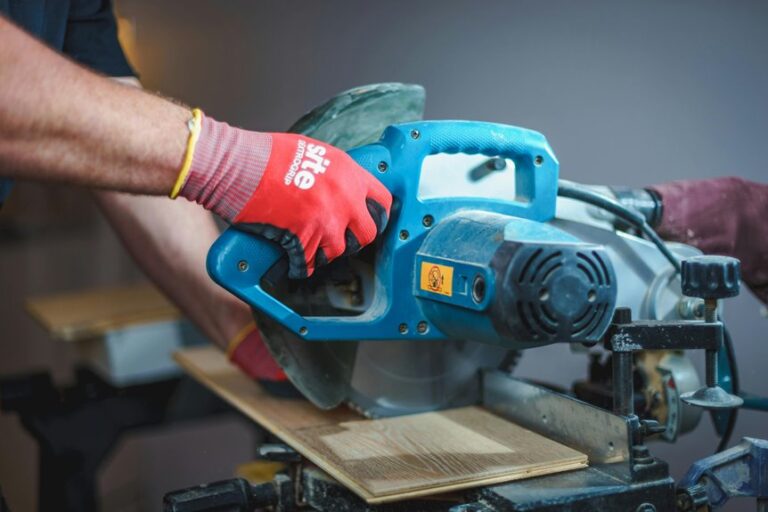
Cutting aluminum cleanly is less about raw power and more about choosing the right tooth geometry. TCG (Triple Chip Grind) blades pair a trapezoid raker tooth with a flat raker behind it, which shears metal with a two-stage bite that limits chip load on each tooth. The picks below span circular blades for miter and table saws, hand saws for light trim work, and a precision setup tool that makes repeatable aluminum cuts far less frustrating. Whether you trim extrusions in a garage workshop or slice copper pipe on a service call, the right match keeps burrs down and blade life up.
An Overview Of The Picks

YOLAN 10″ Aluminum Cutting Blade 100T, TCG
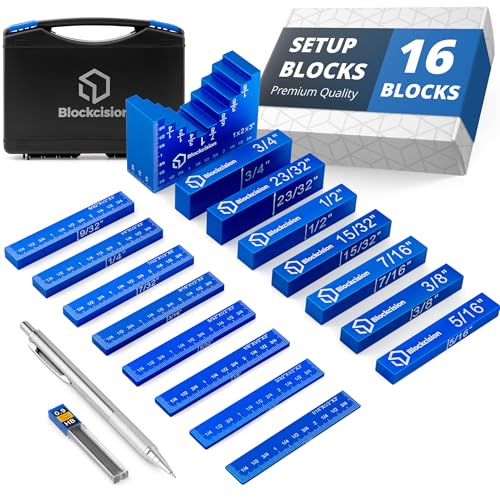
ELEON Blockcision Setup Blocks 16-Piece Height Gauge Set

KATA Folding Drywall Jab Saw with Soft Grip Handle

KATA 6-Inch Drywall Jab Saw for Pumpkin Carving
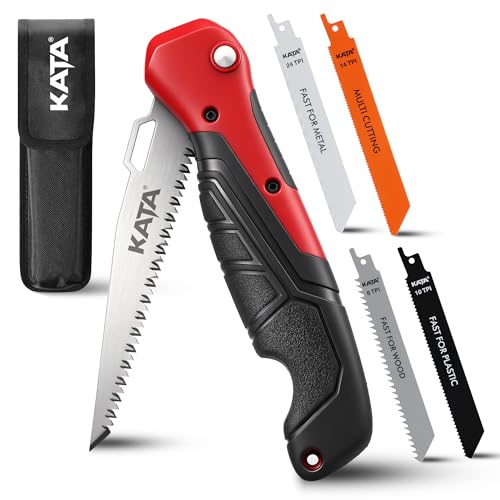
KATA 5-in-1 Folding Hand Saw with 4 Interchangeable Blades
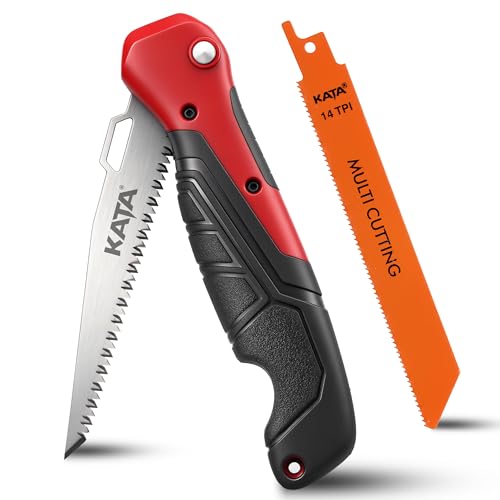
KATA 2-in-1 Folding Hand Saw with Interchangeable Blade

YOLAN 7-1/4″ Metal Cutting Blade 36T, TCG Carbide

YOLAN 7-1/4″ 24T Carbide Circular Saw Blade for Wood
What Each Pick Brings To The Table
For shop owners running a 10-inch miter saw, the YOLAN 10″ Aluminum Cutting Blade 100T is the closest thing to a purpose-built option in this lineup. Its triple chip grind geometry chews through aluminum profiles, copper, and brass while leaving a finish that often needs only light deburring, depending on your alloy and feed rate. The 100-tooth count favors finish quality over raw pace, so heavy production runs may feel slow compared to a 72-tooth alternative.
Setup is straightforward: the 5/8-inch arbor matches most full-size miter saws and a number of table saws with the right reducer. Once dialed in, the blade tends to stay sharp for a respectable number of linear feet on non-ferrous stock. Pair it with a wax stick or cutting fluid and you can extend tooth life further. It’s a focused tool that does one thing well, and that is the appeal.
What Earns Its Place
- TCG tooth pattern produces clean cuts in aluminum and other non-ferrous metals
- 100-tooth count leans toward finish quality, reducing post-cut sanding
- Standard 5/8-inch arbor fits most 10-inch miter saws without adapters
- Carbide tips hold up across many cuts before resharpening is needed
- Works on copper, brass, and plastic trim beyond pure aluminum
Things To Consider
- Cutting speed lags behind lower-tooth count blades on thick stock
- Best paired with cutting fluid to manage heat on longer passes
Key Product Details
Who It Suits Best
Trim carpenters, cabinet makers, and DIY fabricators who need clean, repeatable cuts in aluminum extrusions on a 10-inch miter saw.
Consider Something Else When
Shoppers who want a single blade that handles both wood framing and occasional aluminum should look at the YOLAN 7-1/4″ 24T instead, then swap in a dedicated non-ferrous blade for finish passes.
Aluminum doesn’t forgive sloppy setups the way wood does. A fraction of a millimeter of blade exposure changes chip load, heat, and the likelihood of grabbing. The ELEON Blockcision setup block set solves a specific problem: setting blade height, fence height, and bit projection to a known reference in seconds rather than fumbling with a caliper or steel rule.
Each block is ruler-marked, so you can stack and read combined heights directly. The stepped design lets you check increments quickly without hunting for the right shim. Owners commonly keep the included case on a shelf near the saw, and the anodized aluminum body shrugs off shop abuse. It is a setup tool rather than a cutting tool, but it is the difference between guessing and dialing in.
Noteworthy Benefits
- 16 graduated blocks cover the most common blade and fence heights
- Stacked blocks can be read directly with laser-etched ruler markings
- Stepped design speeds up increment changes during fine-tuning
- Storage case keeps the set organized in a busy shop
Worth Noting
- Useful for table saws primarily, with limited application on portable circular saws
- Hard-anodized blocks can scratch softer aluminum jigs if dropped onto them
Made For
Woodworkers and metal fabricators running a table saw or router table who want fast, repeatable height settings on every cut.
Look Elsewhere When
Cordless circular saw users will get more value from a dedicated blade like the YOLAN 10″ Aluminum Cutting Blade 100T, since the Blockcision set works best around stationary tools.
Sometimes the cut is in a tight spot where a circular saw cannot reach. The KATA Folding Drywall Jab Saw is a hand tool with a pointed tip that punches through thin material, then folds into its own handle for safe storage. The 65Mn steel blade carries 7 TPI (teeth per inch), an aggressive pattern that you might find coarse for finished aluminum but works fine for roughing a notch out of sheet metal or scoring a soft alloy panel.
The folding design matters more than it sounds. Exposed jab saw teeth in a tool bag are a puncture risk, and the soft grip handle keeps the saw controllable when you are pushing through stubborn spots. This is a secondary tool, not your main aluminum cutter, but it earns its place when access is restricted.
Where It Delivers
- Pointed tip starts cuts without a pilot hole, handy for tight openings
- Folding blade protects teeth and pockets during transport
- Soft grip handle reduces hand fatigue on repeated strokes
Trade Offs
- 7 TPI blade leaves a coarse edge on aluminum compared to fine-tooth options
- Better suited to small touch-ups than full-length stock cutting
Quick Facts
Right Fit For
Service technicians and remodelers who need a compact saw for occasional aluminum trim or access cuts where power tools are impractical.
Another Choice May Suit
Hobbyists who want one folding saw that handles multiple materials, including light metal, will get more flexibility from the KATA 5-in-1 Folding Hand Saw with 4 Interchangeable Blades.
Fixed blade, no folding mechanism, no blade swaps. The KATA 6-Inch Drywall Jab Saw keeps things simple with an 8 TPI SK5 steel blade that bites quickly and a pointed tip for plunge starts. SK5 is a high-carbon tool steel known for holding an edge, and the triple-ground teeth keep the cut tracking straight even when your hand is not perfectly steady.
This saw skews toward the soft end of metal cutting, the kind of trim work that needs shape rather than precision. You will get the job done on thin aluminum flashing or a soft alloy repair patch, though expect a rougher edge than a circular TCG blade would leave. The fixed design is also more durable long-term since there is no hinge to loosen.
The Helpful Details
- SK5 steel blade holds an edge across many uses
- Pointed tip starts cuts without a pilot hole
- Fixed-blade build avoids hinge wear over time
Honest Caveats
- No folding feature means the exposed teeth need a sheath or dedicated pouch
- 8 TPI cuts slower on thicker aluminum than a powered option
Who Will Love This
DIYers and homeowners handling small sheet metal repairs, soft aluminum patches, or pumpkin-style craft cuts where portability matters more than a polished edge.
Skip It When
Anyone planning frequent cuts in structural aluminum extrusions will be better served by the YOLAN 7-1/4″ Metal Cutting Blade 36T on a circular saw.
One folding handle, five blades, a canvas bag to keep it all in check. The KATA 5-in-1 Folding Hand Saw is built around the idea that most DIY jobs hop between materials, and swapping blades beats swapping saws. The included 24 TPI fine-tooth blade handles light metal cuts in aluminum and copper, while the 14 TPI, 10 TPI, 8 TPI, and 6 TPI blades cover progressively coarser work in plastic, drywall, and wood.
The 24 TPI blade is the one you will reach for on aluminum, and at that fineness you get a noticeably cleaner cut than the jab saw picks above. The trade-off is speed: fine teeth mean more strokes per inch of cut. The canvas bag keeps the four spares from rattling around in a drawer, and the folding frame protects your hand when the saw is closed.
A Few Highlights
- Five blades span wood, plastic, drywall, and light metal
- 24 TPI fine-tooth blade produces clean cuts in soft aluminum and copper
- Canvas bag organizes spare blades for transport
- Folding frame tucks safely into a tool bag or drawer
Points To Note
- Finer-tooth blades cut slower than dedicated coarse blades on thick stock
- Blade swaps are quick but require the handle to be open and locked
Feature Snapshot
Best Suited To
Homeowners and light-trade workers who split time between drywall, trim, plastic, and occasional soft aluminum without hauling a full blade case.
Reach For A Different Pick When
Shops running production cuts in aluminum will find the YOLAN 10″ Aluminum Cutting Blade 100T far more efficient, since hand sawing at 24 TPI eats time.
The KATA 2-in-1 Folding Hand Saw trims the 5-in-1 concept down to the essentials: one aggressive blade for general work, one 14 TPI blade for tighter cuts. For someone who needs a folding saw for drywall and the occasional aluminum task, two blades is plenty. Less to carry, less to lose, and a smaller canvas footprint in the tool bag.
The 14 TPI blade is the relevant one here. It cuts more slowly than the coarser 6 or 8 TPI options but leaves a tighter edge on aluminum sheet, copper, and the like. The folding frame clicks into a locked-open position for cutting and folds in half for storage. The catch is that there is no 24 TPI option, so heavier aluminum cuts require more strokes and a steadier hand.
Good Reasons To Consider
- Two-blade design simplifies the choice and cuts weight
- 14 TPI blade handles controlled cuts in plastic, wood, and light metal
- Folding frame protects the teeth during transport
Room For Improvement
- No fine-tooth (24 TPI) option for the cleanest aluminum finishes
- Aggressive blade can grab on thinner stock if not started cleanly
Whose Shelf It Belongs On
Mobile repair techs and apartment dwellers who want a folding saw that handles two common materials without the bulk of a multi-blade kit.
Not Your Match When
Workshops that need both coarse and fine metal cutting should step up to the KATA 5-in-1 Folding Hand Saw with 4 Interchangeable Blades for the 24 TPI option.
When the work crosses between steel studs, angle iron, rebar, and the occasional aluminum panel, the YOLAN 7-1/4″ Metal Cutting Blade 36T is the workhorse pick. The 7-1/4-inch diameter fits the same cordless and corded circular saws that most contractors already own, and the 5/8-inch arbor matches a standard saw setup.
The 36-tooth TCG count favors cutting speed over finish, which is the right trade for framing and rough metalwork. Cermet carbide tips hold up well to the heat that builds up during long steel cuts. The honest read is that this blade will leave a rougher edge on aluminum than the 100-tooth 10-inch blade earlier in the list, but the portability and broader material range often matter more on a job site.
A Strong Showing
- 7-1/4-inch size fits standard cordless and corded circular saws
- 36-tooth TCG geometry handles steel, aluminum, and rebar in one blade
- Cermet carbide tips resist heat during extended cuts
Factors To Consider
- Edge finish on aluminum is rougher than dedicated high-tooth-count blades
- Best results require a saw with a no-load RPM rating appropriate for metal cutting
Key Product Details
Perfect Match For
Contractors and serious DIYers who carry one circular saw across mixed-material job sites and want a single blade for steel, aluminum, and rebar.
A Better Fit Elsewhere
Finish-focused aluminum work calls for the YOLAN 10″ Aluminum Cutting Blade 100T on a miter saw, where the higher tooth count and larger diameter deliver cleaner edges.
The YOLAN 7-1/4″ 24T Carbide Circular Saw Blade for Wood is a wood-first blade, not an aluminum blade, and that distinction matters. ATB (Alternate Top Bevel) geometry rips and crosscuts lumber quickly, but on aluminum it tends to grab and chatter. It earns its spot on this list because many shoppers looking for an aluminum saw already own a circular saw and need a sensible wood companion for the rest of the day.
The 24-tooth count is a classic framing choice, fast on dimensional lumber, forgiving on plywood. Tungsten carbide tips extend the life of the blade under the dust and grit of a jobsite. The honest caveat is that this blade is not a substitute for a true non-ferrous TCG blade when cutting aluminum, and using it on metal will dull the teeth quickly and risks a kickback.
Everyday Wins
- ATB tooth geometry rips and crosscuts lumber quickly
- 24-tooth count favors speed for framing and general construction
- Standard 5/8-inch arbor fits the same saws that accept the 36T metal blade
Softer Spots
- ATB geometry is not designed for aluminum and will chatter on metal
- Lower tooth count leaves a rougher cut on finish-grade plywood
Built With In Mind
Framers and remodelers who need a fast, durable blade for wood and want to keep a dedicated metal blade separate on the shelf.
Where Another Pick Suits Better
Anyone actually cutting aluminum should reach for the YOLAN 7-1/4″ Metal Cutting Blade 36T, TCG Carbide for metal-specific tooth geometry that handles non-ferrous stock safely.
Matching The Right Saw To Your Aluminum Work
Blade Geometry And Tooth Count
Tooth shape controls how a blade cuts metal. TCG geometry shears aluminum in a two-stage bite that limits chip load, while ATB geometry rips wood fibers cleanly. For aluminum, a TCG blade is the correct match. Tooth count is the next dial: higher counts (80 to 100 teeth on a 10-inch blade) favor finish quality and reduce the need for sanding, while lower counts (24 to 36 teeth) cut faster but leave a rougher edge. Matching the count to the tolerance you need is more useful than chasing the highest number.
Material Thickness And Power Tool Pairing
Thin aluminum sheet and flashing can be cut with a fine-tooth hand saw, while thicker extrusions and structural shapes call for a powered saw with a proper TCG blade. Cordless circular saws work fine on 7-1/4-inch blades, but check the no-load RPM rating: blade manufacturers typically recommend a lower RPM for metal to manage heat. For long production runs, a 10-inch miter saw with a high-tooth-count blade delivers the cleanest results.
Setup, Stability, And Safety Considerations
Aluminum cuts best when the stock is clamped and supported, both sides of the cut. Vibration from an unsupported work piece walks the blade off the line and accelerates tooth wear. Cutting fluid or a stick wax extends blade life on longer passes and keeps the cut cooler. Eye protection is non-negotiable: hot chips and small aluminum shards travel farther than most people expect.
Key Considerations Across These Picks
Common Shopping Slip Ups
The most frequent error is grabbing an ATB wood blade to cut aluminum. The geometry seems interchangeable, but ATB teeth catch on metal and chatter, dulling quickly and creating a kickback risk. The flip side is choosing the highest tooth count possible regardless of saw size: a 100-tooth 10-inch blade in a 7-1/4-inch saw is a mismatch. Match the blade diameter to the tool first, then pick the tooth count for the finish you need. Forgetting cutting fluid is another easy miss, especially on longer cuts where heat builds faster than expected.
Where The Extra Money Goes
Premium aluminum blades earn their higher price through carbide grade, tooth geometry precision, and heat resistance. Cermet carbide tips, like those on the YOLAN 7-1/4″ Metal Cutting Blade 36T, handle repeated thermal cycles that would dull standard carbide. Higher tooth counts require tighter manufacturing tolerances, which raises the cost of the 100-tooth 10-inch blade noticeably. For occasional DIY use, an entry-level TCG blade is plenty. For daily shop work or production runs, the upgrade buys longer life and cleaner cuts.
Frequently Asked Questions
Can a standard circular saw cut aluminum?
A standard circular saw can cut aluminum, but only with a blade designed for non-ferrous metal. ATB wood blades will dull quickly and risk grabbing. A TCG metal-cutting blade at a controlled feed rate delivers clean, safe cuts. The saw itself does not need a specialty motor, though matching the no-load RPM to the blade recommendation helps the cut.
What is the best blade for cutting thin aluminum sheet?
Thin aluminum sheet cuts well with a high-tooth-count TCG blade on a miter saw, or a fine-tooth hand saw for very small jobs. The 100-tooth YOLAN 10-inch blade produces minimal burring on thin stock, and a 24 TPI hand saw blade in the KATA 5-in-1 kit handles detail cuts and access work where a powered saw cannot reach.
Do I need cutting fluid when sawing aluminum?
Cutting fluid or a stick wax extends blade life and keeps cuts cooler, especially on longer passes or thicker stock. For short cuts in thin aluminum, dry cutting is acceptable, though a quick swipe of wax along the cut line is a low-cost habit that protects your blade over time.
Will a miter saw cut aluminum extrusions?
A miter saw with a non-ferrous TCG blade handles aluminum extrusions well. Clamp the stock firmly on both sides of the cut line and let the blade do the work at a steady feed rate. Pushing too fast increases burring and heat, while too slow a feed lets the blade rub rather than cut.
How do I avoid burring on aluminum cuts?
Higher tooth counts reduce burring, and a steady feed rate keeps the cut clean. After the cut, a quick pass with a deburring tool or a fine file removes the remaining edge. Wax sticks applied along the cut line also help the blade shear cleanly rather than tear the aluminum.