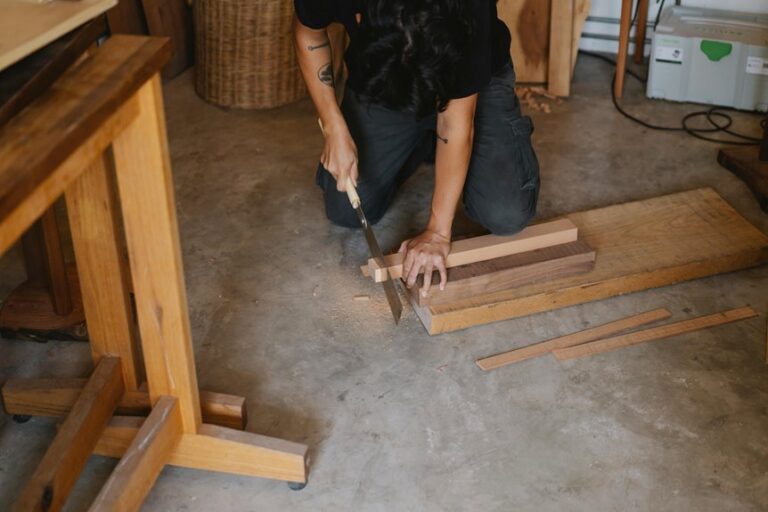
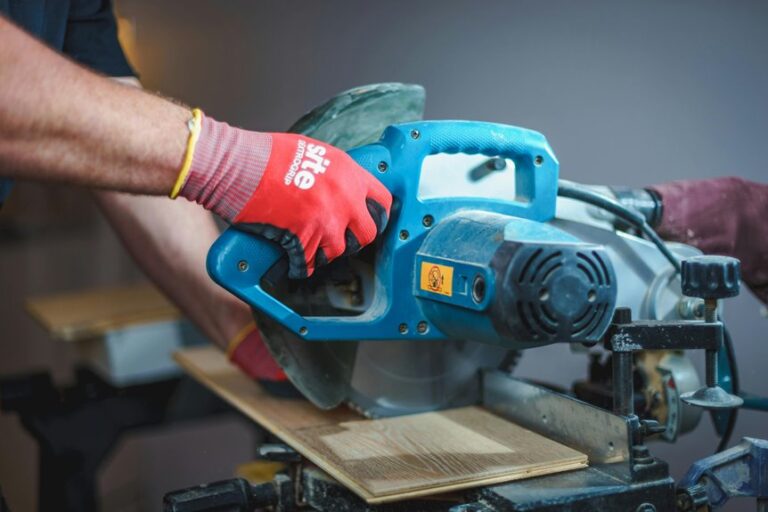
Cutting PVC cleanly comes down to tooth geometry, stroke control, and matching the tool to the pipe size in front of you. The right saw leaves a square edge with minimal burr; the wrong one shatters the wall or chews a crooked line. This roundup walks through nine hand tools and shears that handle Schedule 40 PVC, ABS, CPVC, and the occasional branch of PE without drama.
You’ll see full-size handsaws, dedicated pipe saws, jab saws for tight spaces, and one ratchet cutter that works without any sawing motion at all. Most homeowners and weekend plumbers only need one good option. A few will want a backup. Here’s how the shortlist shakes out.
An Overview Of The Picks

GreatNeck 74004 20-Inch Hand Saw with SK-5 Blade

JORGENSEN 20-Inch Hand Saw, 11 TPI Coarse Blade

Shark Corp 01-2312 12-Inch Carpentry Saw Blade

Shark Corp 10-2312 12-Inch Carpentry Saw

Z-saw Pipe Saw 240 with 5 Replacement Blades
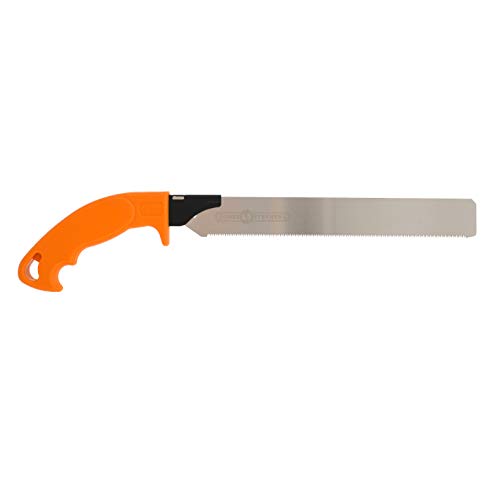
Jones Stephens S49005 8-Inch E-Z Stroke Pipe Saw

Goldblatt Folding Drywall Jab Saw 5-Inch
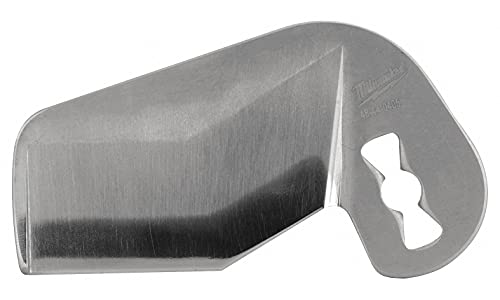
Milwaukee 48-44-0405 M12 Plastic Pipe Shear Blade
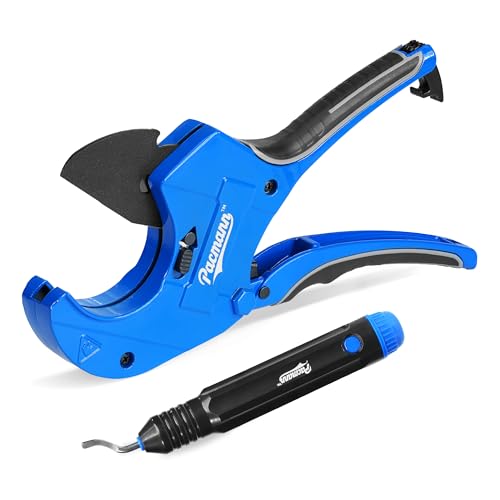
Pacmann Ratchet PVC Pipe Cutter 2-1/2-Inch
What Each Pick Brings To The Table
The GreatNeck 74004 is a 20-inch framing-style handsaw that doesn’t mind switching between 2x4s and 2-inch PVC. SK-5 is a high-carbon tool steel often used in utility blades; it holds an edge through abuse and resists the kind of flexing that ruins a cut mid-stroke. Tri-bevel teeth (each tooth ground on three sides rather than the standard two) bite aggressively on the push stroke, which speeds up rough carpentry but also chews through plastic walls faster than a finer-tooth saw.
For homeowners who already own one good general-purpose handsaw, this is a sensible second tool that doubles as a PVC cutter without buying dedicated plumbing gear. Where the JORGENSEN below focuses on raw cutting speed, the GreatNeck trades a little of that for cleaner long-term edge retention.
Standout Benefits
- SK-5 steel blade holds its edge through repeated PVC and lumber cuts, reducing how often you’ll need to swap tools or sharpen.
- 20-inch length clears the body of most drain, waste, and vent stacks so you can cut without contorting your hand.
- Tri-bevel tooth geometry clears chips quickly, which matters when cutting pressure-treated lumber that gums up fine-tooth saws.
- Anti-slip comfort handle keeps your grip steady when your hands are dusty or you’re cutting overhead.
Things To Weigh
- Tri-bevel teeth are aggressive, so beginners may shave more PVC wall than expected. Slow, controlled strokes help.
- Coarser tooth count means visible burr on the cut edge compared to finer pipe saws. A quick deburr pass with a utility knife cleans it up.
Right Fit For
DIYers who want a single handsaw that handles framing lumber and the occasional PVC repair without buying specialty plumbing tools.
Look Elsewhere When
You need dozens of burr-free cuts per job; the Z-saw Pipe Saw 240 is purpose-built for that workload.
The JORGENSEN 20-inch hand saw runs an 11 TPI (teeth per inch) coarse blade, meaning each stroke bites deep and clears waste fast. The 0.85 mm black-coated blade reduces friction on the pull-back, which is the part of the stroke that doesn’t cut; a low-friction coating keeps the saw from binding in green or wet wood. TPI is the single biggest driver of cut quality on plastic, and at 11 teeth per inch this saw sits in the middle ground between rip-saw aggression and finish-saw finesse.
You reach for this when budget matters more than finish quality, or when a single tool needs to cover a wide range of materials. It is a step coarser than the Shark Corp 12-inch saw, so expect slightly rougher pipe edges but faster strokes.
Points In Its Favor
- Low-friction black coating helps the blade glide through PVC without grabbing or stalling mid-cut.
- 11 TPI balance cuts through 2-inch pipe in just a few strokes for DIYers who want quick fixes.
- 20-inch length reaches into deep trenches or stack work where shorter saws can’t position properly.
Honest Caveats
- Coarser teeth leave more visible burr than finer pipe saws. Budget a few minutes for deburring after each cut.
- Induction-hardened teeth stay sharp, but heavy users commonly notice dulling after extended plastic-only work and may need a replacement.
Best Suited To
Homeowners tackling occasional plumbing repairs who want a versatile general-purpose saw at a sensible cost.
Skip It When
You work overhead in tight walls where a shorter, stiffer saw like the Jones Stephens S49005 reaches more easily.
The Shark Corp 01-2312 is a 12-inch replacement blade, not a complete saw. It fits the H5192 General Carpentry Saw handle (sold separately), and it ships with a push-button handle release so swapping takes seconds. Diamond-ground teeth (each tooth honed on a fine abrasive wheel rather than just filed) stay sharp longer than standard stamped teeth, and they slice cleanly through Schedule 40 PVC and ABS without chipping the pipe wall.
This only makes sense if you already own the H5192 handle, or you specifically want the Shark system for its blade-swap flexibility. If you don’t own the parent saw yet, the complete Shark Corp 10-2312 below is the better starting point.
Key Advantages
- Diamond-ground tooth pattern produces cleaner PVC edges than typical stamped handsaw teeth.
- Push-button release lets you swap a dulled blade in seconds rather than buying a whole new saw.
- 12-inch size is manageable in crawl spaces and behind fixtures where a 20-inch saw won’t fit.
Points To Note
- Only fits the Shark H5192 handle. Owners of other saw systems will need a different replacement.
Who Will Love This
Existing Shark saw owners who wear through blades and want a quick drop-in replacement rather than a new handle.
Reach For A Different Pick When
You don’t yet own the H5192 handle; pick the Shark Corp 10-2312 complete saw instead.
The Shark Corp 10-2312 is the complete version of the saw whose blade we just covered. At 12 inches with a 14 TPI tooth count, it sits in a useful middle zone: fine enough to leave a clean edge on PVC and ABS, coarse enough to zip through 2x4s without feeling slow. The flexible blade handles flush cuts, the kind where the saw tip needs to bend against a wall or floor to get the handle out of the way. The blade is replaceable via that push-button release, so the saw itself is a long-term purchase.
For most people reading this roundup, this is the practical do-everything pick. It’s compact, not as aggressive as the GreatNeck, and noticeably more controllable than the 20-inch options when you’re cutting in a sink cabinet.
A Strong Showing
- 14 TPI balance produces noticeably cleaner PVC edges than the JORGENSEN’s 11 TPI while still cutting fast.
- Flexible blade geometry makes flush cuts against walls and floors far easier than rigid full-size handsaws.
- Replaceable blade extends the saw’s useful life well beyond a single edge.
Soft Spots
- 12-inch length limits reach on long pipe runs, where the GreatNeck or JORGENSEN full-size saws handle better.
- Carrying a replacement blade separately is wise on jobs where you’ll cut a lot of abrasive material.
Key Specs
Whose Shelf It Belongs On
Homeowners and remodelers who do mixed plumbing, drywall, and trim work and want one saw that handles all three.
A Better Fit Elsewhere
Plumbers doing high-volume pipe work will get cleaner, faster results from the Z-saw Pipe Saw 240 dedicated to plastic.
The Z-saw Pipe Saw 240 is a purpose-built plumber’s saw, and the difference shows the moment you start a cut. The 225 mm blade is shorter than a framing saw, with a 0.60 mm thin profile and teeth specifically ground for plastic. That thin kerf (the width of material the saw removes) reduces the dust and burr you normally fight when sawing Schedule 40 PVC, and the tooth pattern cuts a clean square edge on pipes up to about 100 mm in diameter. It ships with five replacement blades and an English manual.
Japanese hand saws cut on the pull stroke, which is the opposite of Western handsaws. The benefit is control: you guide the cut toward you, and the blade naturally resists wandering off your mark. Anyone who has tried to start a handsaw cut on a vertical pipe will appreciate that immediately.
Real-World Strengths
- Specifically ground teeth leave square, low-burr edges on PVC and PE pipes up to 100 mm diameter.
- Five included replacement blades mean you can keep working through a full re-pipe without sourcing spares.
- Pull-stroke cutting gives better control for vertical pipe work where a Western saw tends to skate.
- Thin 0.60 mm kerf reduces the dust cloud and the effort per stroke compared to thicker blades.
Worth Noting
- Pull-stroke cutting takes adjustment for users trained on push-stroke Western saws. Expect a learning curve.
- Specialized tool. It’s not the right choice for cutting lumber or framing.
Perfect Match For
Plumbers and serious DIYers doing frequent PVC or PE pipe work who want clean, repeatable cuts.
Consider Something Else When
You only need a couple of cuts a year; the Pacmann ratchet cutter is faster for one-off under-2.5-inch work.
The Jones Stephens S49005 is an 8-inch pipe saw that handles PVC, ABS, CPVC, PP, PE, and soft wood, basically everything a homeowner is likely to encounter in residential plumbing. Tri-edge ground teeth at 17 TPI cut on the pull stroke, slicing material like a knife rather than rasping it. The flexible blade bends for flush cuts, and the high-visibility orange handle is hard to lose in a cluttered van or toolbox.
Where the Z-saw is a specialist’s tool, the Jones Stephens is a versatile compact saw for tight quarters. The 8-inch length is the smallest on this list, so it fits where nothing else will.
Positive Points
- 17 TPI tri-edge teeth cut cleanly through multiple plastic types without switching tools.
- Pull-stroke action matches the Z-saw’s control advantage on vertical pipe runs.
- Flexible blade allows flush cuts against finished surfaces without marring them.
- 8-inch length fits in spaces where every other saw in this roundup is too long.
A Few Limitations
- Short blade limits reach on large-diameter pipe. Most useful under 3 inches.
- Pull-stroke sawing requires a brief adjustment for users who learned on push-stroke saws.
Quick Facts
Made For
Plumbers and homeowners working in crawl spaces, behind fixtures, or anywhere a full-size saw simply won’t fit.
Swap It Out When
Your cuts are mostly 2 inches or smaller in diameter and you want zero sawing motion; the Pacmann ratchet cutter is faster there.
The Goldblatt folding jab saw is a remodeler’s multi-tool. The 5.2-inch bi-metal blade (two steel layers fused together for flexibility plus edge hardness) has 8 TPI triple-ground teeth that cut in both directions, push and pull, so you work half as hard per cut. It folds into a 6.75-inch handle for safe pocket carry, and the blade locks open and closed. Total length is just under 12 inches extended.
Jab saws earn their place cutting through drywall to access pipes behind walls, then making the actual pipe cut in the same opening. The Goldblatt handles PVC, wallboard, and plywood, so you don’t swap tools mid-project.
What Helps Most
- Folding design protects the teeth and your pocket during transport, no separate sheath needed.
- Bi-metal construction tolerates flexing without snapping, important in a saw this short.
- Cuts on both push and pull strokes, halving the effort per cut on wallboard and PVC.
- 5.2-inch blade pierces through drywall cleanly, which is how most pipe repairs actually start.
Practical Considerations
- Short blade is slow on pipes larger than about 1.5 inches. You’ll work harder for less reach.
- 8 TPI is coarser than the Jones Stephens, so PVC edges come out rougher and need deburring.
Who Should Grab It
Remodelers and homeowners opening walls for pipe access who want one tool that cuts drywall, plywood, and the pipe behind them.
Where Another Pick Suits Better
For pure pipe work without drywall access, the Jones Stephens S49005 has finer teeth and a longer blade.
The Milwaukee 48-44-0405 is a replacement shear blade for the M12 Plastic Pipe Shear tool. The blade itself measures 4 by 2.5 inches and is built to be durable enough for daily plumbing work. It only fits the Milwaukee 2470-21 cordless shear system; you can’t mount it on a handsaw. For tradespeople who already run the M12 platform, this blade keeps that tool cutting cleanly when the original finally dulls.
This is a replacement-part entry, not a standalone tool. Most of the readers in this roundup are choosing a primary saw, not a backup blade. The Milwaukee earns its spot because it represents the power-tool end of the PVC-cutting category and is worth knowing about if you already own the parent tool.
Notable Upsides
- Restores clean cutting action to the M12 shear without buying a whole new tool.
- Compact 4-by-2.5-inch profile fits the shear’s tight geometry for burr-free cuts.
Trade Offs
- Only fits the Milwaukee 2470-21. No handsaw, drill, or other tool will accept this blade.
Feature Snapshot
Built With In Mind
Milwaukee M12 platform owners who need a replacement blade to keep their cordless shear cutting cleanly.
Not Your Match When
You don’t own the Milwaukee shear; the Pacmann ratchet cutter is the cleaner standalone tool.
The Pacmann ratchet pipe cutter does not saw at all. You clamp it around the pipe, squeeze the handles, and the ratchet mechanism drives a thick 3 mm SK-5 blade through PVC, CPVC, PEX, PE, and rubber hose. Maximum capacity is 2-1/2 inches (63 mm) outer diameter, which covers most residential drain, supply, and irrigation lines. The aluminum-alloy body is light enough for one-handed use in a tight cabinet, and the included deburring tool cleans the cut edge as a separate step.
This is the right tool for anyone who dreads the plastic-dust mess of a handsaw, or for plumbers doing dozens of cuts per day. The catch is the 2-1/2-inch ceiling; anything bigger means pulling out a saw.
Well-Handled Touches
- Ratchet action produces clean, square cuts without any sawing motion, which matters in finished spaces.
- 3 mm SK-5 blade is significantly thicker than a handsaw blade, so it resists flexing and wandering.
- Teflon coating on the blade reduces friction and helps the cut progress smoothly through the pipe wall.
- Cuts PVC, CPVC, PEX, PE, and rubber hose, basically every common plastic plumbing material.
- Includes a separate deburring tool to clean the cut edge after the blade finishes.
Some Limits To Know
- 2-1/2-inch capacity rules out 3-inch and 4-inch drain lines. You’ll need a saw for those.
- Ratchet mechanism is slower per cut than a sharp handsaw when cutting just one or two pipes.
At A Glance
Right Fit For
Plumbers and homeowners doing multiple cuts under 2-1/2 inches who want clean edges without the dust of a handsaw.
Where A Sibling Pick Shines
For pipes larger than 2-1/2 inches, the Z-saw Pipe Saw 240 handles up to 100 mm diameters with cleaner edges than a framing saw.
Picking The Right Saw For Your PVC Work
Tooth count matters more than blade length for PVC. Fine teeth (14 to 17 TPI) leave cleaner edges and reduce cracking, while coarse teeth (8 to 11 TPI) cut faster but require deburring. Tri-bevel and triple-ground teeth bite aggressively; diamond-ground teeth stay sharp longer. Match the tool to the access: jab saws and 8-inch pipe saws fit where 20-inch handsaws can’t, and ratchet cutters eliminate sawing entirely for small-diameter work.
The other major choice is stroke direction. Western handsaws cut on the push stroke, which feels natural to most users. Japanese-style pipe saws cut on the pull stroke, which gives you better control on vertical pipe runs and tight spaces. New users often need a session to retrain their muscle memory, but the accuracy improvement is real once it clicks.
For one-time repairs under 2-1/2 inches, a ratchet cutter is faster than any saw. For larger pipe or mixed carpentry work, a quality handsaw with a fine-tooth count covers more ground. Plumbers doing daily PVC work usually keep both: a ratchet cutter for supply lines and a dedicated pipe saw for drain and vent stacks.
Material compatibility is worth checking before you buy. All the saws here handle PVC, and most handle ABS and CPVC. PEX and PE are softer and cut easily with any sharp blade. If you work across multiple plastic types regularly, pick a saw listed for the full range rather than PVC alone.
Key Considerations Across These Picks
Common Shopping Slip Ups
The most frequent mistake is buying a coarse framing saw for PVC and expecting clean edges. Coarse teeth work fine for wood but chew up plastic walls. Another trap is choosing a saw based on blade length alone, when tooth count and stroke direction matter more for cut quality. Finally, don’t overlook ratchet cutters if you mostly cut small-diameter pipe; they save time and reduce cleanup.
When Paying More Pays Off
Higher-tier pipe saws like the Z-saw and Jones Stephens use purpose-ground teeth and thinner kerf, which means cleaner cuts, less effort per stroke, and longer edge life. A dedicated pipe saw pays for itself quickly if you cut PVC regularly, but for occasional repairs, a versatile handsaw with a fine-tooth count covers the same ground at a lower cost. Ratchet cutters sit in a middle zone: more specialized than a saw, but faster and cleaner for the size range they cover.
Frequently Asked Questions
What kind of saw is best for cutting PVC pipe?
For pipes under 2-1/2 inches, a ratchet pipe cutter produces the cleanest, fastest cuts. For larger diameters or mixed-material work, a fine-tooth handsaw (14 TPI or higher) with a flexible blade gives the best balance of control and edge quality.
Can a regular wood saw cut PVC?
Yes, but the cut quality depends on tooth count. A coarse framing saw cuts PVC but leaves rough, burred edges that need cleanup. Finer-tooth handsaws cut more slowly but leave a cleaner edge with less cracking.
How many teeth per inch do I need for PVC?
Aim for 14 TPI or higher for clean cuts on Schedule 40 PVC. Lower TPI cuts faster but leaves more burr and risks cracking thin-walled pipe. For 1.5-inch and smaller pipe, 17 TPI produces noticeably cleaner results.
Should I use a pull saw or push saw for PVC?
Pull saws (Japanese-style) give better control on vertical pipe and reduce wandering, which matters for accurate square cuts. Push saws (Western-style) feel more familiar and work fine for horizontal pipe and general-purpose cutting.
Do I need to deburr PVC after cutting?
Yes, even clean saw cuts leave a small ridge inside and outside the pipe. A utility knife, deburring tool, or sandpaper clears it in seconds. Skipping deburring can interfere with fitting seating and solvent-weld joints.