


A dull blade, a pinched handle, or a tool that mangles fabric instead of slicing it quietly is one of the most common frustrations in sewing, crafting, and even everyday paper work. You reach for a pair, and the cut tells you immediately whether someone designed them with care or just stamped them out. This list gathers seven options that earn their place through material quality, blade geometry, and the small ergonomic touches that make a long session bearable. Whether you trim quilts, work in a home office, or want a reliable backup drawer pair, there’s a fit below.
The Lineup, Simplified
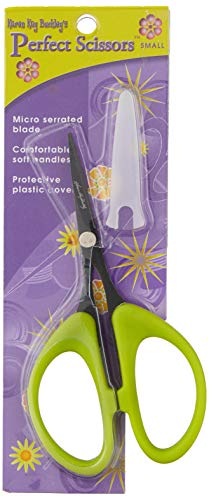
Karen Kay Buckley 4-Inch Perfect Scissors (51220), Green

Karen Kay Buckley Perfect Scissors, Purple

Vitoler 8.5″ Heavy Duty Scissors 3-Pack

Vitoler Heavy Duty Scissors 3-Pack

Tim Holtz Small Titanium Scissors 7-Inch
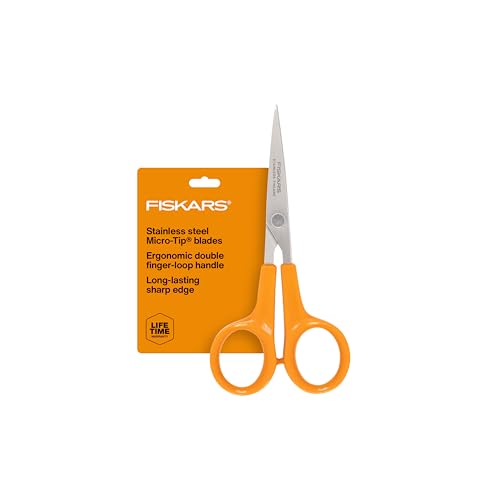
Fiskars 5″ Stitcher Fabric Scissors, Orange

Vitoler 8.5″ Kitchen Scissors
A Closer Look At Each Pick
Small hands, small cuts, big precision. The Karen Kay Buckley 4-Inch Perfect Scissors earn a spot on quilters’ sewing tables because the compact 4-inch blade gives you control where longer shears feel clumsy. The serrated edge (tiny teeth along the cutting surface) grips fabric fibers rather than pushing them, which means a cleaner line on slippery satin or loosely woven cotton.
Cushioned handles, a tip that stays sharp all the way to the point, and a weight that disappears in the hand make this an easy grab for applique and thread snipping. You may find the short blade limiting on long straight cuts, but for detail work it’s a tidy tool.
What Works In Its Favor
- Serrated blade pulls fabric into the cut, reducing slippage on slick materials
- Cushioned grip reduces hand fatigue during multi-hour quilting sessions
- Symmetrical handle works equally well for right- and left-handed users
- Pointed tip reaches tight curves and inside corners cleanly
- Lightweight build makes it a comfortable grab-and-go detail tool
Points To Note
- The 4-inch size handles small work best; long fabric cuts slow you down
- Lightweight feel may read as flimsy to shoppers used to heavier shears
Who Will Love This
Quilters, sewists, and crafters who spend most sessions on applique, trim work, and small pattern pieces where tip control beats blade length.
Another Choice May Suit
For all-purpose household cutting in a kitchen drawer, the Vitoler 8.5″ Heavy Duty Scissors 3-Pack covers more ground per pair.
The purple-handled sibling to the green 4-inch model, this pair shares the same serrated-blade DNA but speaks to hobbyists who want a tool that disappears into long project sessions. The body is light, the grip is cushioned, and the blade stays sharp from base to tip, so the last snip in a stack of hexagons feels as clean as the first.
Where the green Karen Kay Buckley leans toward tight detail, this one handles mid-sized pattern work comfortably. The same caveat applies: serrated blades are fabric specialists, not all-purpose cutters, and you’ll want a separate pair for cardboard or heavy paper.
Reasons It Performs
- Serrated edge holds fabric in place during cuts, reducing fray and slip
- Comfortable cushion handle suited to extended crafting sessions
- Ambidextrous design welcomes left-handed users without adjustment
- Tip-to-base sharpness supports precise cuts in tight spaces
Where It May Fall Short
- Best paired with a separate pair for non-fabric household tasks
- Serrated blade is not the smoothest choice for paper or felt
- Mid-sized handle may feel small to those used to full-size shears
Feature Snapshot
Made For
Sewing hobbyists and quilters running long fabric sessions where comfort and consistent cuts matter more than versatility.
Look Elsewhere When
If your main job is trimming paper, photos, or light cardboard, the Tim Holtz Small Titanium Scissors offer a smoother non-stick edge.
Three pairs, three rooms, one reasonable buy. The Vitoler 8.5″ Heavy Duty Scissors 3-Pack is the practical answer to “we keep losing them.” Each pair runs about 8.5 inches with rubberized handles that soften the squeeze, so kids, classroom volunteers, and adults sharing a workspace can each grab one without arguing.
Compared to the Karen Kay Buckley pairs above, this set trades fabric precision for breadth. Paper, light cardboard, tape, and ribbon are all in scope, which makes them a versatile backup rather than a specialist’s tool.
Points In Its Favor
- Bulk format gives every household member a dedicated pair
- Rubberized grip supports longer cutting sessions without hand strain
- 8.5-inch length handles mid-size paper and craft jobs comfortably
- Accessible entry point for students learning safe cutting habits
Some Limits To Know
- Not a substitute for fabric shears; slick textiles will slip
- Heavier daily use may dull the edge faster than premium options
- Bulk format means more pairs to store in a small drawer
Feature Snapshot
Best Suited To
Families, teachers, and home offices that need reliable backup pairs scattered around without spending much.
Swap It Out When
Quilters and sewists working with fine fabrics will prefer the Fiskars 5″ Stitcher Fabric Scissors for tip precision.
Same three-pair value format as the previous Vitoler set, with a step up in blade steel. The manufacturer markets the upgraded stainless as tougher than standard stainless, so the edge holds longer when you’re cutting through tougher stacks of card stock, foam board, and packaging tape.
The handles lean into soft ergonomic shaping, which is a real plus when a project has you cutting for an hour straight. You’ll want to keep these reserved for paper, plastic film, and craft media, since the blade is built for resistance rather than the delicate grip a serrated fabric blade provides.
Noteworthy Benefits
- Upgraded stainless holds an edge through dense craft materials
- Ergonomic handle shape supports longer cutting sessions
- Three-pair format suits busy studios and shared offices
- Multi-purpose use across paper, plastic film, and light cardboard
Trade-Offs To Consider
- Edge designed for hard materials is rougher on delicate fabrics
- Bulk pack takes up more drawer real estate than a single pair
Feature Snapshot
Whose Shelf It Belongs On
Studio owners, teachers, and home offices that need a dependable paper-and-craft pair in every corner without a premium spend.
Skip It When
For fine applique and fabric trim work, the Karen Kay Buckley 4-Inch Perfect Scissors deliver a noticeably cleaner textile cut.
The Tim Holtz Small Titanium Scissors earn their spot in mixed-media studios where adhesive-backed paper, washi tape, and fabric scraps all hit the same blade. Titanium coating (a hard, low-friction layer fused to the steel) keeps gunk from sticking, so the cuts stay clean even when you’ve been working through glue-laden materials for a while.
At 7 inches, this pair splits the difference between Karen Kay Buckley’s compact detail shears and the full 8.5-inch Vitoler all-purpose sets. The micro-serrated edge adds grip without feeling aggressive, and the duo-tip design offers both a fine point and a serrated edge for varied tasks.
Everyday Perks
- Titanium-coated blade resists adhesive buildup during craft sessions
- Micro-serrated grip holds tricky materials like ribbon and tape
- 7-inch length balances detail control with general usability
- Black comfort-grip handles support extended crafting sessions
Honest Caveats
- Not as compact as the Karen Kay Buckley 4-inch for ultra-fine work
- Titanium coating can wear over years of heavy use
- Specialty design commands a different spend than bulk all-purpose sets
The Right Fit
Scrapbookers, card makers, and mixed-media artists who cycle through adhesives, ribbon, and paper all day and want one tool to handle it.
Where A Sibling Pick Shines
For raw quilting precision, the Fiskars 5″ Stitcher Fabric Scissors offer a micro-tip geometry that this Tim Holtz pair doesn’t match.
The Fiskars 5″ Stitcher Scissors earn their place through a micro-tip blade that reaches into the tight corners where a standard shears just can’t follow. Quilters and pattern makers reach for these when the cut path dives inside a curve, a buttonhole, or an applique edge that demands control from the very point of the blade.
Where the Karen Kay Buckley pairs use serration to grip fabric, the Fiskars relies on a proprietary blade grind (a precise angle and finish on the cutting edge) that holds sharpness from base to tip. You feel the difference in clean slices through multiple fabric layers without the cut drifting off-line.
Good Reasons To Consider
- Micro-tip blade reaches inside curves and detail work easily
- Proprietary grind maintains sharpness across the full cutting edge
- 5-inch length feels balanced for both detail and mid-size cuts
- Orange handle design makes them easy to spot in a busy sewing room
Soft Spots
- Tip is fine enough that heavy prying can damage it over time
- Specialty blade geometry is wasted on everyday paper cutting
Feature Snapshot
Who Should Grab It
Quilters, dressmakers, and pattern cutters who treat fabric like a precision material and need a tip they can trust in tight corners.
Not Your Match When
For a drawer pair that handles everything from cardboard to ribbon, the Vitoler 8.5″ Heavy Duty Scissors 3-Pack is the more versatile grab.
The Vitoler 8.5″ Kitchen Scissors round out the list as a single-pair generalist for paper, light fabric, cardboard, tape, and the everyday snipping that piles up in a busy home. The blade runs long enough to handle poster board and canvas scraps, and the design borrows from the heavy-duty siblings earlier in this list.
Where the 3-pack options distribute pairs across rooms, this single purchase is for shoppers who’d rather own one solid all-purpose tool than several cheaper ones. It’s the kind of pair you keep by the junk drawer and reach for without thinking.
Useful Touches
- 8.5-inch blade handles poster board and packaging tape comfortably
- Stainless construction holds up to varied household tasks
- Single-pair format suits minimalists and small kitchens
- Multi-surface use covers paper, fabric, foam, and light plastic
Points To Keep In Mind
- Single pair means no backup if lost or damaged
- Not designed for heavy-duty industrial cutting
Feature Snapshot
Right Fit For
Small households, apartment dwellers, and anyone who wants a single dependable pair rather than a multi-pack scattered around.
Reach For A Different Pick When
For shared spaces with multiple users, the Vitoler 8.5″ Heavy Duty Scissors 3-Pack gives each person their own without mix-ups.
What Matters Most Before Choosing Scissors
Match The Blade To The Material
The fastest way to ruin fabric is to cut it with a paper blade, and vice versa. Serrated blades grip fibers and reduce fraying on cotton, satin, and quilting cotton, which is why the Karen Kay Buckley pairs shine on textiles. Smooth-ground blades, like the Fiskars 5″ Stitcher, slide cleanly through layers and leave a crisp edge. Titanium-coated non-stick surfaces, like the Tim Holtz pair, shrug off adhesive residue from tape and glue. Pick the blade geometry that matches what you cut most, not what sounds the most advanced.
Size And Grip Change Everything
A 4-inch pair offers tip control but no reach, while an 8.5-inch pair offers leverage and straight-line cuts but feels clumsy in tight curves. Weight matters too, since a heavy pair causes fatigue during long sessions, and a too-light pair can feel cheap and unstable. Cushioned or rubberized handles reduce hand squeeze, and ambidextrous designs let left-handed users work without adjustment. Hold the size that matches your hand and your average project length.
Construction Tells The Story
Stainless steel handles moisture and resists rust in kitchens and craft rooms. Upgraded stainless holds an edge longer through dense materials, which is why the Vitoler heavy-duty options name it specifically. The grind matters as much as the steel, since a precision-ground edge keeps cutting cleanly while a poorly ground one tears after a few projects. Look for description language that points to specific blade treatments, not vague “premium” claims.
Single Pair Or Multi-Pack
If you live alone or share one workspace, a single solid pair like the Vitoler 8.5″ Kitchen Scissors makes sense. If multiple people cut in the same household, classroom, or studio, a 3-pack reduces arguments and keeps tools where they’re used. For specialized work like quilting or scrapbooking, the dedicated specialist pair earns its spot on the shelf even when general pairs exist elsewhere in the home.
Key Considerations Across These Picks
Pitfalls Shoppers Hit
Choosing a pair based on size alone is a common trap, since a long blade on a small hand creates control problems. Another frequent miss is treating a serrated fabric blade as an all-purpose cutter, which frays paper and dulls the teeth faster. Buying the cheapest multi-pack and expecting premium cutting life is a third mistake, since bulk sets trade edge longevity for unit cost.
What The Higher Tier Buys
Premium pairs like the Fiskars 5″ Stitcher and Tim Holtz Small Titanium cost more because the blade geometry is engineered for specific materials, not general use. A precision grind stays sharp longer, which means fewer replacements over the life of the tool. Better handle materials reduce hand strain during long sessions, and a purpose-built tip reaches corners a budget blade cannot follow. The upgrade makes sense for daily users, but casual crafters will find a mid-tier pair serves them well.
Frequently Asked Questions
What Type Of Scissors Work Best For Fabric?
Serrated blades grip fibers and prevent fraying, which makes them ideal for quilting cotton, satin, and similar textiles. Smooth-ground micro-tip blades offer cleaner cuts for pattern work and detailed applique. Avoid generic paper scissors on fabric, since they push fibers and leave ragged edges.
How Often Should Scissors Be Sharpened?
Light household users may go years without sharpening, while daily crafters benefit from a professional sharpening every 12 to 18 months. Cutting paper, cardboard, and adhesives dulls edges faster than fabric work. Storing scissors dry and using them only on their intended material extends the time between services.
Are Left-Handed Users Limited To Specific Options?
Ambidextrous designs with symmetrical handles, like the Karen Kay Buckley pairs, work for left-handed users without adjustment. Many standard shears cut fine left-handed but feel awkward because the blade orientation favors right-hand grip. Check the product description for ambidextrous or left-handed specific design before settling on a pair.
Can One Pair Of Scissors Handle Every Job?
A single general-purpose pair can manage most household cutting, but specialists outperform it on specific tasks. Fabric scissors stay sharper when reserved for fabric, and detail shears reach corners that full-size pairs cannot. Most experienced crafters keep two or three dedicated pairs rather than one compromise tool.
What Is The Difference Between Stainless And Titanium-Coated Blades?
Stainless steel resists rust and holds a general-purpose edge, which works for most household tasks. Titanium coating adds a hard, low-friction layer that resists adhesive buildup and can extend edge life. The upgrade matters most in mixed-media crafting where glue and tape are common, while stainless is plenty for paper and fabric work.




