


Building a deck means driving hundreds, sometimes thousands, of fasteners into dense lumber under open skies, and a regular drill will burn your wrist long before the boards go down. Screw guns are built for that repetitive plunge, with adjustable nosepieces, high RPM, and the clutch control that keeps screws sitting flush instead of sinking too deep. The eight tools below split into cordless brushless models for the DIYer who wants to walk freely around a frame, plus a couple of corded workhorses for pros who never want to swap a battery mid-board. Each one suits a slightly different kind of deck builder, from a weekend patio refresh to a full residential sub-structure.
The Shortlist At A Glance

DEWALT 20V Max Drywall Screwgun (DCF630B)

DEWALT DCF622M2 Versa-Clutch Screw Gun

Makita XSF03T 18V LXT Brushless Screwdriver Kit

DEWALT 20V MAX Drywall Screw Gun (DCF630E1)
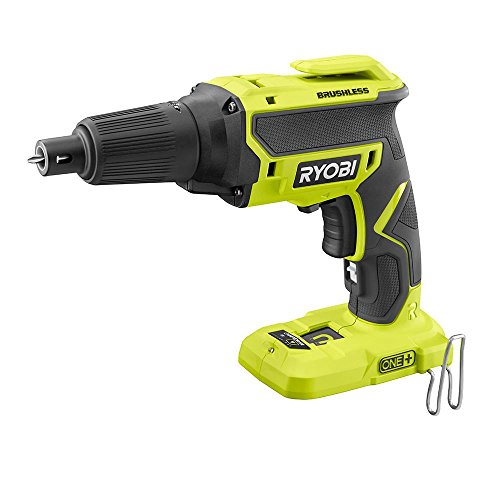
RYOBI ONE+ 18V Brushless Screw Gun (P225)

Makita DFS250Z 18V Brushless Screwdriver

DEWALT DW276 6.5-Amp Screw Gun

Makita XSF03Z 18V LXT Brushless Screwdriver
Why These Options Stand Out
The DCF630B sits in a useful middle ground: a brushless 20V Max body with a four-mode electronic selector that you can switch without putting the tool down. For deck work, that means you can dial it down for soft cedar deck boards and crank it back up for pressure-treated joists without crawling back to a toolbox. The top-mounted mode dial works one-handed, which keeps your other grip on the screw strip or the lumber.
It runs on the same 20V Max battery platform a lot of homeowners already own, so adding a bare tool like this one can be the cheaper way in. You trade a battery and charger for fewer upfront dollars, which suits the weekend builder who is not buying a kit from scratch.
Useful Strengths
- Four electronic modes cover high-speed driving, low-speed control, push-start, and lock-on without swapping bits
- Brushless motor stretches runtime per charge, so a deck frame goes in on fewer swaps
- Same 20V Max batteries you may already have around the shop
- One-handed mode change keeps your other hand free for the fastener
Points To Keep In Mind
- Ships as a bare tool, so plan on owning or buying a battery separately
- Mode dial adds small cost over single-speed drywall guns, which is hard to justify for a one-room project
At A Glance
Who It Suits Best
Shed builders and deck restorers who already run DEWALT 20V Max batteries and want one tool that handles subfloor, decking, and trim.
Look Elsewhere When
First-time tool shoppers without batteries on hand should consider the Makita XSF03T kit, which ships with a 5.0Ah pack and charger.
Where the DCF630B leans on electronic modes, the DCF622M2 leans on a mechanical Versa-Clutch system that lets you tune torque to the job. On a deck, that clutch pays off in metal joist hangers and Simpson Strong-Tie connectors, where one slip and you snap a fastener or strip a hole. You set the clutch, the tool does the rest.
It is built around a brushless motor and tops out near 2,000 RPM, which is enough to seat long ledger screws without bogging. The XR-branded battery (a 20V Max pack) keeps the body balanced in hand during overhead rim-joist runs.
A Few Strong Suits
- Versa-Clutch system protects fastener heads and soft materials from overdrive
- Brushless motor for longer tool life and steady torque
- 20V Max XR platform offers strong runtime during framing
- Suited to metal fastening, which is common in ledger and hanger work
Trade Offs
- Heavier than a single-speed drywall gun, which adds fatigue on long horizontal deck runs
- Bundled kit price runs higher than bare-tool alternatives
Best Suited To
Contractors and serious DIYers building structural deck frames who want adjustable torque for metal hardware and ledger attachments.
A Better Fit Elsewhere
Homeowners hanging composite deck boards on a small patio will find the DEWALT DW276 corded model simpler and lighter for the job.
The XSF03T comes as a full kit with two 5.0Ah batteries, a charger, and a carry bag, which is the right shape for a first-time deck builder who has not collected batteries yet. It runs on the 18V LXT platform, the largest cordless lineup Makita sells, and the brushless motor delivers a long stretch of driving per charge.
Push Drive technology keeps the motor idle until the bit presses against a screw, which saves battery during long runs. For a deck, that translates to fewer stalls while seating hundreds of deck screws across a 200-square-foot platform.
What Makes Sense
- Kit includes 5.0Ah batteries and charger, so you can start building on day one
- Brushless motor for longer tool life and stronger runtime per charge
- Push Drive mode reduces motor wear and battery drain between screws
- Lock-on function for repetitive driving without holding the trigger
Some Limits To Know
- Higher upfront cost than bare-tool options, since you are paying for batteries you may not need otherwise
- 5.0Ah batteries add weight, which you may notice on overhead rim-joist fastening
Key Specs
Made For
First-time deck builders and homeowners who want a complete kit on day one and a battery platform that grows with future tools.
Swap It Out When
Anyone already invested in DEWALT 20V Max should grab the DCF630E1 instead, since the batteries and chargers would otherwise sit unused.
The DCF630E1 is the kit version of the DCF630B we covered first, and the difference comes down to a battery and charger in the box. The body and four-mode selector are the same, so the deck-driving experience feels identical once you load a screw. You are paying for the convenience of an out-of-box tool.
For deck work, that means you can grab a charged pack and start on ledger or rim joists without checking whether a compatible battery is charged. Compared to the bare DCF630B, this one is the better pick for someone starting fresh on the DEWALT platform.
Points In Its Favor
- Battery and charger included, so no extra trip to the store
- Same four-mode electronic selector as the bare-tool version
- Brushless motor for steady performance across long deck runs
What To Weigh
- Higher sticker price than the bare DCF630B for the same tool body
- If you already own 20V Max batteries, the kit value softens
- Owners commonly report that the included pack is a smaller capacity than the higher-tier kits, so runtime per charge can feel short on full deck framing
Right Fit For
New DEWALT 20V Max shoppers who want a complete setup without buying batteries and chargers separately.
Reach For A Different Pick When
Makita LXT owners should look at the Makita XSF03Z bare tool to keep their existing batteries in play.
The P225 punches above its price, offering a brushless motor on the 18V ONE+ platform that a lot of weekend builders already trust. It runs on the same batteries that power RYOBI drills, saws, and trimmers, which keeps the cost of entry low for a small deck repair or planter build.
It is marketed as a drywall gun, but the nosepiece depth adjustment works the same way on deck screws as on drywall screws, so you get flush seating without overdriving. For most homeowners, that is exactly the tool they need on a Saturday project.
Everyday Advantages
- Brushless motor at a lower entry cost than most competitors
- ONE+ battery compatibility for households that already own RYOBI tools
- Adjustable nosepiece for consistent screw depth on composite and wood boards
A Few Limitations
- Ships as a bare tool, so batteries and charger are separate purchases
- Lower torque than the DEWALT DCF622, which can be a limit on thicker framing
- Plastic gear housing feels lighter than the metal-bodied options above
Perfect Match For
Homeowners with a RYOBI battery collection who want a low-cost brushless tool for occasional deck work and repairs.
Not Your Match When
Professionals driving thousands of fasteners a week will want the DEWALT DW276 corded gun for its metal gear housing and nonstop power.
The DFS250Z is the speed pick in the lineup, with a brushless motor that runs up to about 2,500 RPM. On a deck, that extra speed shows up when you are seating long structural screws into pressure-treated joists, where the higher RPM shortens each drive cycle and the variable-speed trigger keeps control on soft cedar trim.
It uses the same 18V LXT battery family as the XSF03T and XSF03Z, so swapping packs between tools is seamless. The Push Drive lock-on mode lets the motor stay still until the bit engages a screw, which on a hot afternoon adds real battery life.
Reasons It Performs
- Up to 2,500 RPM for faster seating of long deck screws
- High torque output suited to decking and framing applications
- Push Drive lock-on reduces trigger fatigue on hundreds of screws
- Brushless motor extends runtime and tool life under heavy use
Honest Caveats
- Battery and charger sold separately, so total cost climbs with new packs
- Higher RPM can overdrive soft materials if the depth setting is not dialed in
Feature Snapshot
Who Will Love This
Contractors framing and decking full-time who want the highest RPM in the cordless Makita line for shorter drive cycles.
Skip It When
Casual DIYers on a small resurface will find the DEWALT DCF630E1 easier to live with for occasional use.
The DW276 is the old-school corded option in the lineup, and for many deck builders that is exactly the point. You plug it in, you work until the deck is done, and you never stop to swap a battery. A 6.5-amp motor delivers high torque for ledger boards and heavy-gauge steel stud framing, the two places a battery gun can bog down.
The metal gear housing and helical-cut steel gears give the DW276 a long service life, which is why the model has stayed in the catalog for years. The depth-sensitive nosepiece is a set-and-forget design: you adjust once for your screw length, then drive all day without fussing.
The Value In It
- Corded 6.5-amp motor delivers constant torque without battery fade
- Metal gear housing for jobsite durability and long service life
- Depth-sensitive set-and-forget nosepiece for consistent screw seating
- Variable speed and reversible for control on soft or hard materials
Possible Compromises
- Power cord limits mobility around large deck frames
- Heavier body than brushless cordless options
- No brushless motor, so it generates more heat during long sessions
- No battery, so you are tied to a nearby outlet or heavy extension cord
Feature Card
Built With In Mind
Pros and dedicated homeowners framing full sub-structures who value torque and durability over cordless convenience.
Where A Sibling Pick Shines
Anyone building a small freestanding deck far from an outlet will appreciate the cordless DEWALT DCF630E1 instead.
The XSF03Z is the bare-tool sibling of the XSF03T kit covered earlier, and for anyone with LXT batteries already on the shelf, it skips the kit premium. The brushless motor, Push Drive technology, and lock-on mode are the same, so deck-driving performance matches the kit version. It is essentially a parts-bin addition for an established Makita shop.
Where the kit makes sense for a first tool, the XSF03Z makes sense as a second or third screwdriver that lives in a different workstation. On a deck job, that means you can leave a drill upstairs and keep a screw gun staged outside without lugging batteries around.
Advantages To Know
- Bare tool pricing for shoppers who already own 18V LXT batteries
- Brushless motor for longer runtime and tool life
- Push Drive mode reduces motor wear between fasteners
- Lock-on function for repetitive driving on long deck runs
Things To Consider
- Battery and charger sold separately, raising total spend for new Makita users
- Some owners commonly report the lock-on lever takes getting used to before muscle memory kicks in
Quick Technical Notes
Whose Shelf It Belongs On
Existing Makita LXT owners who want a dedicated screw gun without paying for batteries they already own.
Consider Something Else When
First-time buyers without any LXT batteries should choose the Makita XSF03T kit to avoid stacking up bare-tool receipts.
What To Weigh Before Choosing A Deck Screw Gun
Power Source: Corded Versus Cordless
Corded screw guns like the DEWALT DW276 deliver constant torque without battery fade, which matters on long ledger-board or framing days. The trade-off is mobility: you are tied to an extension cord, and dragging 50 feet of cord around a deck frame gets old. Cordless brushless models, like the Makita XSF03T or DEWALT DCF630E1, trade a little peak torque for the freedom to walk the deck, hop on a ladder, and step off the porch without unplugging.
Clutch and Depth Control
A depth-sensitive nosepiece is the single feature that separates a screw gun from a regular drill. It stops the bit at a fixed depth, so every screw sits flush, not buried. Mechanical clutches, like the Versa-Clutch on the DEWALT DCF622M2, add another layer by limiting torque to protect soft materials and fastener heads, which is critical on cedar deck boards and metal joist hangers where one slip ruins the part.
Speed and Motor Type
A brushless motor (the kind found in all of the cordless picks above) runs cooler, lasts longer, and sips battery compared to brushed designs. Top-end RPM sits in the 2,000 to 2,500 range, with higher numbers favoring long structural screws and lower numbers favoring finish work. For a typical backyard deck, anything in that range will feel fast, but contractors framing all day will appreciate the headroom.
Battery Platform Fit
A bare tool only makes sense if the battery platform matches tools you already own. RYOBI ONE+ owners save money on the P225, DEWALT 20V Max owners on the DCF630B, and Makita LXT owners on the XSF03Z. Picking a brand outside your existing system means buying batteries and a charger on top of the tool, which is the hidden cost most shoppers forget to add.
Pitfalls And Payoffs In This Category
Mistakes Worth Dodging
The most common misstep is treating a drywall screw gun as a one-tool-fits-all for decking. Drywall screws and deck screws are different animals, and while the gun body can drive either, the nosepiece depth and clutch setting need to be re-tuned for longer deck screws. Skipping that step is how you end up with snapped fastener heads and torn-up boards.
Another trap is buying a bare tool without checking your battery inventory. A cordless screw gun with no charged battery is just a paperweight, and a low-capacity pack on a full deck frame means a dozen charge cycles before lunch. Match the kit or bare tool to the batteries you actually own.
Where The Extra Money Goes
Higher-tier models in this category, like the DEWALT DCF622M2 and the Makita DFS250Z, earn their price with adjustable clutches, higher RPM, and brushless motors. For pros who drive screws every day, the time savings and longer tool life justify the premium. For a single weekend project, that money is often better spent on a kit that ships with batteries and a charger, which is exactly what the Makita XSF03T and DEWALT DCF630E1 are designed to do.
Frequently Asked Questions
Can a drywall screw gun be used for decking?
Yes, most drywall screw guns handle deck screws, but you should re-tune the depth-sensitive nosepiece for the longer fastener length and softer wood, otherwise screws will sink too deep or strip out.
Is a brushless screw gun worth the extra cost?
Brushless motors run cooler, last longer, and stretch battery life, so a brushless model is worth the step up for anyone using the tool more than a few times a year.
What is the difference between a screw gun and a drill?
A screw gun uses a depth-sensitive nosepiece and often a clutch to stop at a set depth, while a drill relies on the user’s trigger finger to judge when to stop, which is harder on hundreds of repetitive fasteners.
Do I need a special bit for deck screws?
Most deck screw guns accept standard hex or Phillips bits, but many deck screws use Torx or square drives, so a matching bit set is worth owning before you start the project.
How long does a battery last on a cordless screw gun?
A 5.0Ah battery on a brushless model typically drives several hundred screws per charge, enough for most residential deck frames, though thicker lumber and harder fasteners drain packs faster.




