


A fence only stays straight if the fasteners holding it together can handle the weather. The wrong screw rusts out, snaps mid-drive, or chews up the wood, and suddenly you’re rebuilding a panel that should have lasted a decade. The right pick depends on the fence style, the wood type, and whether you live anywhere with serious rain, salt air, or freeze-thaw cycles. This roundup lines up fence staples for wire mesh, heavy structural screws for full wood panel builds, and color-matched metal-roofing screws that also work beautifully on fence rails and posts. Whatever your project looks like, there’s a fastener here built to match it.
A Closer Look At The Lineup

Insaga Fence Staples 304 Stainless Reusable Wire Fence Fastener Nail Screw

SPAX T-Star Plus Universal A2 Stainless Countersunk Screws 4.5x60mm
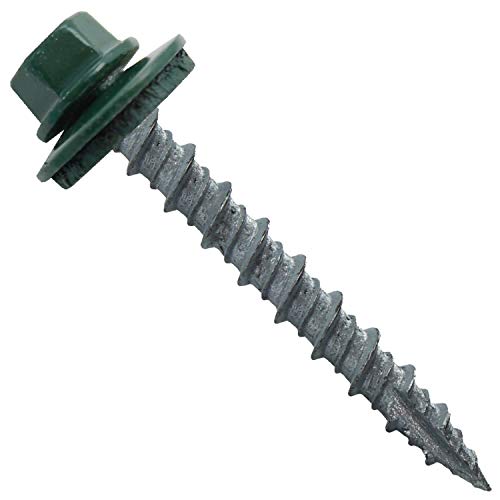
Jake Sales Ivy Green Metal Roofing Screws #10 x 1-1/2″ 250-Count

YOKUSO #10 x 2 Stainless Deck Screws 304 T25 Torx 80-Pack

Insaga Fence Staples 304 Stainless Reusable Wire Fencing Staple Screw Nail

Insaga Fence Staples 100-Pack Reusable Wire Fence Fasteners for Softwood

YOKUSO #8 x 1-5/8″ Stainless Deck Screws 304 T20 Torx 80-Pack

YOKUSO #8 x 1 Stainless Deck Screws 304 T20 Torx 80-Pack

LIONMAX Deck Screws #10 x 3″ Tan 1700-Pack 25 lb Bulk
A Deeper Look At The Lineup
Wire mesh fences need a fastener that grabs the wire without splitting the post, and that’s exactly what this Insaga staple is shaped to do. The 304 stainless body shrugs off rain, humidity, and salt air far better than a standard galvanized brad, so you won’t see orange streaks bleeding down your cedar posts after one season. Because the staple threads in with a power drill instead of a hammer, you stop bruising your thumbs and you can back it out again if a panel needs to move later.
For a backyard chicken run, garden trellis, or light pet-fencing project, this pick keeps the install quick and tidy. The trade-off is that wire staples aren’t structural, so pairing them with a heavier wood screw for posts and rails, like the YOKUSO #10 x 2″ later in this list, is a smart move.
Everyday Perks
- 304 stainless steel construction holds up to rain and humidity without rust streaks
- Drill-in install is faster than hammering and keeps fingers safe
- Reusable design lets you reposition mesh during layout changes
- Works well on softwood posts where nail-style staples often split the grain
Worth Noting
- Not designed for load-bearing fence frames, so you’ll still need structural wood screws for the skeleton
- Drill-driving means you need a charged drill nearby, which slows things down if you planned to work old-school with a hammer
Right Fit For
Homeowners adding wire mesh to a garden, pet run, or trellis who want a clean, rust-resistant finish without swinging a hammer all afternoon.
Reach For A Different Pick When
If you’re framing a full wood privacy fence, the YOKUSO #10 x 2″ Stainless Deck Screws handle the structural side with more authority.
SPAX has been making German-engineered fasteners since the late 1960s, and this T-Star Plus screw shows why the brand has stuck around. The A2 stainless body (a 304-grade variant common in European spec) handles outdoor exposure well, while the 4CUT tip slices into wood fibers cleanly and stops on metal if you ever bridge a steel plate or joist hanger. The T-Star plus drive bit, often called Torx, grips far better than a Phillips head, so you’re less likely to chew up the recess on a long drive.
For a fence project where you want a flush, countersunk finish on rails and pickets, this screw delivers. Depending on your lumber, you may not need to pre-drill at all, which trims a real chunk of time off a full weekend build. The catch is the price per screw, which sits well above commodity stainless fasteners.
Real-World Strengths
- 4CUT tip reduces wood splitting and often eliminates the need for a pilot hole
- T20 Torx drive transfers torque cleanly with minimal cam-out (the bit slipping out of the screw head)
- A2 stainless resists corrosion in typical outdoor fence environments
- Countersunk head sits flush for a clean rail-and-picket finish
Trade Offs
- Premium pricing per screw compared to bulk stainless decking screws
- Smaller pack count means more frequent reordering on a long fence run
- Not stocked in hardware stores everywhere, so plan ahead if you’re mid-project
Key Specs
Whose Shelf It Belongs On
Experienced DIYers and pros building premium wood fences who want clean countersunk finishes and a Torx drive that doesn’t strip under load.
Skip It When
You’re framing a large ranch-style run where a bulk pack like the LIONMAX #10 x 3″ 1700-count bucket makes more economic sense.
Roofing screws earn their place on fences when you attach metal rails, hardware cloth, or color-matched panels to a wood frame. The EPDM washer (a synthetic rubber gasket bonded to the head) under each hex compresses as you drive, sealing the hole against rainwater. Self-starting tips bite into thin metal without a pilot hole, and the 1/4″ hex head accepts a standard nut driver, so you don’t need a specialty bit.
For metal-on-wood fence builds, gates with sheet-metal infill, or anywhere you want the screw head to disappear into a green panel, the ivy color helps the fastener blend in. The trade-off shows up on very hard or dense hardwoods, where you may want to pre-drill to keep the screw from wandering.
Why It Works Well
- EPDM washer seals the entry hole against rain and snowmelt
- Painted ivy green head blends with many painted fence panels and metal roofing
- Self-tapping tip drives through sheet metal without a pilot hole
- 250-count bag covers a moderate run of hardware cloth or corrugated metal infill
Room For Improvement
- Hex head protrudes, so it doesn’t sit flush on wood-only fence builds
- The 1-1/2″ length is short for thick fence rail sandwiches, so check your stack-up before ordering
Best Suited To
Homeowners attaching metal panels, hardware cloth, or corrugated roofing to a wood fence frame who want a color-matched, weather-sealed fastener.
Consider Something Else When
A standard wood-to-wood picket fence would be better served by the YOKUSO #8 x 1-5/8″ Stainless Deck Screws and their flush Torx head.
If you live anywhere near the coast, or you’re just tired of seeing screw heads bleed rust stains down a brand-new fence, this YOKUSO screw earns its keep. The 304 stainless body shrugs off salt spray that would pit a coated screw in a year, and the manufacturer states the finish has cleared a 96-hour salt spray test. The reinforced core is rated for higher driving torque than standard screws, which matters when you’re sinking 2-inch fasteners through dense cedar or pressure-treated lumber.
The T25 Torx head and cutting tip keep cam-out and splitting under control, while nibs under the head countersink cleanly. For most backyards, three driver bits in the box are enough to see a full fence project through without a trip back to the store.
Real Benefits
- 304 stainless stands up to coastal humidity and treated-lumber chemicals
- T25 Torx drive reduces cam-out during high-torque drives
- Sharp cutting tip lowers the risk of splitting picket ends
- Three included driver bits cover the whole project out of the box
Honest Caveats
- 80-piece pack runs out fast on a full privacy fence, so budget for multiple boxes
- Pre-drilling is recommended in dense hardwoods to protect the tip
Feature Snapshot
Who Will Love This
Coastal and humid-climate homeowners who want a structural wood screw that won’t rust-stain their fence after one wet season.
Swap It Out When
You’re running a large fence line on a tighter budget, in which case the LIONMAX bulk bucket delivers similar coverage at a lower per-screw cost.
Sister pick to the first Insaga entry on this list, this staple refines the same idea with a slightly different geometry. The standout detail is the two teeth per side pattern, which bites into wood fibers on the way in and resists pull-out on the way the wind tries to push the wire back out. Because the fastener is reusable, you can back it out, adjust the mesh tension, and drive it back in without chewing up the wood.
For anyone wrestling with a long run of welded wire or poultry netting, this design saves real time over traditional staple-gun brads. You’ll still want proper structural screws for the posts and rails, since staples carry no structural load on their own.
Strengths Worth Knowing
- Two-teeth-per-side profile grips wood firmly and resists wire pull-out
- 304 stainless body handles outdoor exposure without rust streaks
- Drill-in install and removable design support layout adjustments mid-project
- Sits lower-profile than a standard fence staple brad
Points To Keep In Mind
- Not a substitute for structural wood screws on posts and rails
- Two teeth per side mean more bite force on the way out, so a stripped drill bit can be frustrating
Who Should Grab It
Homeowners running welded wire or poultry netting who want a fastener that holds tension and can be backed out if a panel needs to move.
Not Your Match When
You’re attaching dimensional lumber to a post, where the YOKUSO #10 x 2″ stainless screw handles the structural role properly.
This is the smaller-pack version of the Insaga wire-fence staple, tuned specifically for softwood posts. If you’re patching a single damaged section of garden fence or finishing a small chicken-coop run, a 100-pack is far more practical than wrestling with a 500-count box you don’t need. The 304 stainless build matches the other Insaga staples on this list, so corrosion performance stays consistent across the family.
For tighter repair jobs and one-off weekend projects, the smaller count and softwood-focused profile keep the install smooth. Depending on how dense your local pine or cedar actually is, you may still want a small pilot hole to keep the staple from wandering off-axis.
Benefits That Matter
- Right-sized 100-pack for repair and small-project use
- Softwood-tuned profile reduces splitting in pine, cedar, and similar species
- 304 stainless body keeps rust streaks off light-colored woods
- Drill-driven install is friendlier on the hands than a hammer
Soft Spots
- Smaller pack means a worse per-piece value than larger Insaga packs
- Not ideal for hardwoods, where the teeth struggle to bite cleanly
Made For
Homeowners handling small wire-fence repairs, garden trellis work, or a small pet-fence build where a 100-pack is the right scale.
A Better Fit Elsewhere
For a full new build, the larger Insaga packs or the YOKUSO structural wood screws cover the project with less reordering.
The 1-5/8″ length hits the sweet spot for most picket-and-rail fence work, long enough to bite into the back rail without punching through the front face of a thin picket. The T20 Torx drive and nibs under the head match the rest of the YOKUSO outdoor line, so once you’ve used one box you’ve already got the technique down. 304 stainless keeps the heads looking clean through rain, sprinklers, and a couple of wet winters.
Compared to the heavier #10 x 2″ pick on this list, this smaller screw is less likely to split thin pickets and is easier to drive flush. For a typical backyard privacy fence with standard 5/8″ or 3/4″ pickets, this is the workhorse length that handles most joints.
Noteworthy Benefits
- 1-5/8″ length suits standard picket-to-rail fastening
- 304 stainless resists rust through typical outdoor exposure
- Torx drive and nibbed head countersink cleanly
- Three driver bits included to keep you moving
Where It Is Less Suited
- 80-piece pack disappears quickly on a long fence run
- Not the right pick for thicker structural joints, where longer #10 screws perform better
Quick Facts
Who It Suits Best
DIYers assembling a standard privacy or picket fence with typical 5/8″ to 3/4″ boards who want a versatile, rust-resistant screw length.
Look Elsewhere When
You’re handling thicker structural joints or building a large run, in which case the YOKUSO #10 x 2″ or the LIONMAX bulk pack serves better.
At just one inch long, this is the shortest YOKUSO screw in the family, and that shortness is the point. Thin cedar pickets, lattice tops, and decorative cap pieces all benefit from a screw that bites firmly without punching out the back side of the board. The same 304 stainless and Torx-drive platform as the longer YOKUSO screws keeps the install experience consistent, and the cutting tip is friendly to narrow stock.
For cap rails and trim pieces on a finished fence, a 1-inch screw is often the smarter choice over a longer one that risks splitting or blow-out. You may find the short shank less useful on any joint that needs real structural grip, where the 1-5/8″ or 2″ versions earn their keep.
Advantages To Know
- 1″ length is ideal for thin pickets, lattice, and cap rails
- 304 stainless holds up to outdoor weather without bleeding rust
- Torx drive keeps the bit engaged under load
- Cutting tip and nibbed head produce a clean, flush finish
Practical Considerations
- Too short for any structural fence joint
- 80-piece pack still requires multiple boxes for a whole fence
Perfect Match For
DIYers adding cap rails, lattice tops, and decorative trim to a finished fence who want a short, clean-driving screw that won’t split thin stock.
Another Choice May Suit
For picket-to-rail fastening, the YOKUSO #8 x 1-5/8″ gives you the grip length that this short screw can’t.
For whole-property fence builds, the math on small 80-pack boxes stops working fast. This LIONMAX bucket ships 1,700 pieces in a storage-friendly pail, which is roughly enough to frame and face a 200-foot privacy fence without reordering. The 3-inch length handles heavy structural joints like rail-to-post and post-to-bracket connections, and the T-25 Torx drive keeps cam-out under control on long drives.
The tan coating is matched to many common composite decking tones, and the manufacturer states the screws have cleared a 1,500-hour salt spray test. For most backyards, that’s a sensible safety margin against rain and irrigation splash.
Features That Help
- 1,700-piece pail covers a large fence run in one purchase
- 3″ length handles structural rail-to-post joints
- Six-point Torx drive minimizes bit slippage and cam-out
- Tan coating blends with many composite and painted wood tones
Potential Compromises
- Coated screws, while well-tested, won’t match the long-term corrosion life of solid stainless in harsh coastal air
- Bucket format is bulky to ship and store in a small garage
- Overkill for a single small repair project
Spec Overview
Who It Suits Best
Property owners and pros framing a full fence line who want one bucket that handles the whole project without reordering mid-build.
Swap It Out When
You’re within a mile or two of saltwater, where the YOKUSO 304 stainless screws offer stronger corrosion protection in marine air.
Picking The Right Fastener For Your Fence Build
Match The Screw To The Fence Type
Wire mesh, hardware cloth, and poultry netting want staples or fence-fastener screws, not structural wood screws. Dimensional lumber picket fences, on the other hand, want flat-head Torx wood screws that countersink flush. Mixing the two families of fasteners is the most common mistake homeowners make, and it usually ends with wire staples trying to carry a load they weren’t built for.
Think About Corrosion Before You Think About Price
Treated lumber, cedar sap, coastal humidity, and pool-side chlorine all chew through ordinary zinc-plated screws within a season or two. For a fence that should last 10+ years, 304 stainless steel is the safest baseline, while a coated screw like the LIONMAX bulk pick is fine in milder inland climates. The price gap between coated and stainless is real, and it’s cheaper than replacing rusted fasteners halfway through a fence’s life.
Pick The Right Length And Head Style
A screw should bite into the back member by at least 2/3 of its shank length, otherwise the joint loosens as the wood swells and shrinks. For thin pickets under 3/4″ thick, a 1″ to 1-5/8″ screw is enough. For structural rail-to-post connections, plan on 2″ to 3″. Countersunk Torx heads sit flush for a clean look, while hex washer heads belong on metal-on-wood joints where you need the sealing washer.
Mistakes Shoppers Hit Before They Even Start
Pitfalls Shoppers Hit
Buying whatever’s on the shelf at the local hardware store is how most fences end up with rust streaks two winters in. Coated screws can look identical to stainless at a glance, and the price difference is tempting until you see the orange stain running down a brand-new post. Always check the material spec on the listing, and lean toward 304 stainless for any fence you’ll live with for a decade.
Where The Extra Money Goes
Premium stainless screws cost more per piece, but the extra goes into higher-grade steel, tighter dimensional tolerances, and Torx drive geometry that resists cam-out. For most DIYers, the upgrade pays for itself through fewer stripped screw heads, fewer snapped screws mid-drive, and a fence that still looks clean in year eight. The honest read is that a coated bulk bucket is fine for a budget build in a dry climate, but a coastal property or a long-term fence deserves the stainless upgrade.
Frequently Asked Questions
What Size Screw Should You Use For Fence Pickets?
A 1-5/8″ to 2″ screw is the most common length for attaching standard 5/8″ to 3/4″ pickets to a back rail, since it bites deep without punching through the front face. For thinner lattice or cap pieces, a 1″ screw keeps the join clean without blow-out.
Are Stainless Steel Screws Worth It For Fence Builds?
Stainless steel screws resist rust and staining far longer than coated or plated fasteners, especially in coastal, humid, or treated-lumber environments. If you want a fence that still looks clean in eight years, 304 stainless is the safer pick.
Can Roofing Screws Be Used On Fences?
Roofing screws work well on metal-on-wood fence joints because the EPDM washer seals the entry hole against water. They aren’t the right call for wood-to-wood picket fastening, since the hex head doesn’t countersink and the seal becomes unnecessary.
What Is The Difference Between A Fence Staple And A Fence Screw?
A fence staple is shaped like a U-shaped brad and is meant for attaching wire mesh to a wood post without splitting it. A fence screw threads into the wood and carries more holding power, making it the better choice for structural joints and pickets.
How Many Screws Does A Typical Fence Build Need?
A 200-foot privacy fence with standard 6-foot panels usually needs around 1,500 to 2,000 screws for framing and pickets, which is why bulk pails like the LIONMAX 1,700-count exist. Smaller repairs and partial rebuilds are easier to handle with an 80-pack box.




