


Fiberglass refuses to cooperate with the wrong fastener. It cracks, splits, and strips when a standard wood screw tries to bully its way through, which is why choosing a sheet metal screw with a sharp, self-tapping tip and the right thread profile changes everything. Boating, RV bodywork, and shower wall repair all hinge on this single decision.
The picks below cover marine-grade stainless jobs, general household fixes, and roofing-grade fastening. Each one is matched to a real scenario, so you can spend less time researching and more time getting that hull patch or panel back where it belongs.
A Closer Look At The Lineup

EAGLE 1 Metal Roofing Screws #10 Painted Hex Head 1-Inch 250-Pack

Hillman 100 Pcs Sheet Metal Screws #8 x 3/4-Inch White Painted

Hillman Group 2939 Stainless Steel Oval Head 8 x 3/4-Inch 25-Pack
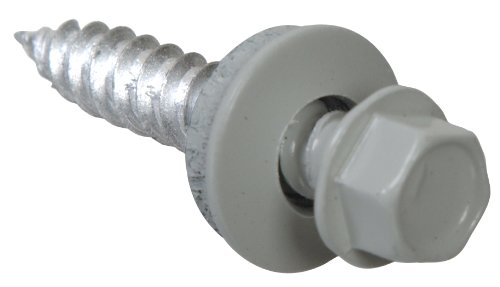
Hillman Group 48280 Hex Washer Head Self-Piercing 10 x 1-Inch 500-Pack

Glvaner #12 x 1/2-Inch Phillips Pan Head Black Coated 40-Pack

RoyceMart #10 x 1-1/2 Torx Pan Head 304 Stainless 50-Pack with Bit

Hillman 823666 Stainless Steel Oval Head 8 x 1-Inch 100-Pack

Hillman Sheet Metal Screws #10 x 1-Inch Zinc 50-Pack
Hillman Group 823626 Stainless Steel Oval Head 6 x 1-Inch 100-Pack
Inside Each Recommended Option
The EAGLE 1 hex head screw earns its place as the roofing-grade anchor of the lineup. The painted 1/4-inch hex head (the six-sided top that a driver bit grips) accepts a standard driver bit, and the included magnetic hex driver saves a trip to the toolbox on the first panel.
The wide, coarse threads bite aggressively into wood decking beneath metal panels, while the EPDM rubber washer (a synthetic rubber gasket) compresses under the head to seal out rainwater. For metal-to-fiberglass trim on a porch roof, the same sealing action keeps moisture from wicking into the substrate.
Real-World Strengths
- EPDM washer forms a weather-tight seal at every penetration
- Wide coarse threads grip wood framing without pre-drilling in most cases
- Free magnetic 1/4-inch hex bit included with the pack
- Charcoal grey paint blends with dark roofing and trim
- Available in 250, 500, or 1000-count packages for project scale
Points To Keep In Mind
- Painted head may chip under heavy driver pressure over time
- 1-inch length is too short for thicker fiberglass panel stacks
Key Product Details
Whose Shelf It Belongs On
Roofers, shed builders, and homeowners re-siding a porch who want a sealed fastening that survives the weather.
Where Another Pick Suits Better
For pure marine hull work where salt exposure is constant, the RoyceMart 304 stainless pack handles the corrosion load more confidently.
The Hillman #8 x 3/4-inch pan head is the workhorse you reach for without thinking. Its low-profile pan head (a gently rounded top with a slightly flat bearing surface) sits flush against HVAC register covers, white aluminum soffit panels, and interior fiberglass trim where a hex head would look out of place.
Sharp, precision-rolled threads engage quickly in thin gauge metal and soft fiberglass sheet. For a Saturday morning patch on a cracked shower surround or a loose bath fan housing, the white paint disappears against the surrounding surface and the Phillips drive (a cross-shaped recess that accepts a standard #2 driver) is in every kitchen drawer already.
Bright Spots
- White painted head blends into trim and appliance surfaces
- Pan head profile sits nearly flush against thin panels
- Compatible with metal, wood, fiberglass, and plastic substrates
- 100-count pack covers several small household jobs
Worth Bearing In Mind
- 3/4-inch length is undersized for thicker stacked materials
- Steel construction (not stainless) can surface rust in damp outdoor installs
- Phillips drive may cam-out (slip out of the recess) under high torque
Right Fit For
Homeowners handling light HVAC panel repairs, white trim touch-ups, and bath fixture reattachments around the house.
Skip It When
Long-term outdoor exposure or marine settings push the limits of plain steel, where the Hillman 823666 stainless option is a cleaner match.
Sometimes a 100-pack is overkill and a 25-pack of the Hillman 2939 hits the sweet spot. The oval head (a smooth, tapered top that finishes almost flush) is purpose-built for visible mounting where a domed or hex fastener would interrupt the line of a panel.
Stainless steel construction means the 8 x 3/4-inch size can handle a damp garage or covered porch without flash rust appearing within a season. For reattaching a boat seat bracket, securing a fiberglass access panel, or replacing a handful of lost screws on a vintage window, the small count keeps the junk drawer honest.
Everyday Wins
- Stainless steel resists corrosion in semi-outdoor settings
- Oval head tapers cleanly for a finished look on visible mounts
- 25-count avoids waste on one-off repair jobs
Trade-Offs To Consider
- Pre-drilling is required to keep the fiberglass from splitting
- Small pack raises the per-screw cost compared to larger Hillman boxes
Perfect Match For
Anyone completing a small, visible repair on a fiberglass panel, cabinet back, or appliance housing where rust stains would be a problem.
Look Elsewhere When
A bulk project is ahead, since the larger Hillman 823666 100-pack offers the same stainless build at a lower cost per screw.
When a 500-pack is the right answer, the Hillman 48280 brings serious fastening muscle. The 10 x 1-inch self-piercing point punches through thin sheet metal and fiberglass skin without a separate pilot hole, which speeds up siding runs and outbuilding roof work significantly.
A steel-backed neoprene washer (a tough synthetic rubber gasket with a metal core) sits under each hex head to seal the penetration. The gray ceramic coating adds a layer of weather resistance that helps the steel core survive years of rain and UV exposure. For a barn re-roof, a chicken coop siding job, or a full weekend of gutter apron fastening, the count and the build line up well.
The Upside
- Self-piercing tip cuts installation time on long siding runs
- Steel-backed neoprene washer seals against water intrusion
- Ceramic coating extends service life over plain zinc finishes
- 500-count minimizes repeat orders on larger builds
Honest Caveats
- Steel core still needs care in salt-air coastal locations
- Hex washer head profile is bulkier than a flush pan head
Made For
Outbuilding, siding, and roofers handling continuous panel runs where a sealing washer and piercing tip save real time.
Reach For A Different Pick When
Salt-spray marine environments call for the RoyceMart 304 stainless pack, which shrugs off the corrosion that eventually defeats ceramic-coated steel.
The Glvaner 40-pack is unusual in this lineup for two reasons: the short 1/2-inch thread length and the 304 stainless body (a high-grade stainless alloy rated for outdoor use). The combination suits very specific jobs that longer screws would split or overpower.
Use these for attaching thin fiberglass skin to a wooden frame where the screw must not punch through the back face, or for fastening a small electrical cover plate where a long shank would intrude on wiring. The black oxide-style coating adds mild corrosion resistance while keeping the head visually discreet against dark hardware.
Where It Excels
- 304 stainless 18-8 alloy (a marine-grade stainless classification) tolerates outdoor exposure
- Short 1/2-inch shank prevents blow-through on thin materials
- Black coating blends with dark hardware and fixtures
Softer Spots
- 40-count is small for project-scale work
- 1/2-inch length is wrong for any standard framing task
Who It Suits Best
Detail workers, electricians, and hobbyists fastening thin fiberglass panels, small covers, and brackets where a longer screw would be a liability.
A Better Fit Elsewhere
Larger structural assemblies call for the Hillman 48280 self-piercing pack, which has the length and the head style to drive through thicker stacks.
For marine repair and automotive trim, the RoyceMart pack brings the right tool and the right metal. The 6-lobe Torx (star-shaped) drive resists cam-out far better than a Phillips under the high torque needed for deck hardware, and the included 50mm bit reaches into recessed holes around transom brackets and license plate pockets.
304 stainless holds up to splash zones, road salt, and humid bilge areas where a plain zinc screw would streak rust within a month. The 1-1/2-inch length drives deep enough into wood backing behind fiberglass panels to seat firmly without bottoming out. For trailer bunks, dock hardware, and interior car body panels, this is the sensible pick.
What Works In Its Favor
- 6-lobe Torx drive grips firmly under heavy torque loads
- 50mm long bit reaches recessed mount points easily
- 304 stainless handles marine and salt-road conditions
- Pan head sits low against the finished surface
Trade-Offs To Consider
- Thick #10 shank requires a properly sized pilot hole in hardwood
- Torx bit is mandatory, so a Phillips driver cannot substitute in a pinch
Best Suited To
Boat owners, marine technicians, and auto trim installers working in wet, salty, or high-torque environments.
Not Your Match When
Dry interior fiberglass repairs on a budget, where the Hillman 2939 stainless 25-pack is a smaller, more affordable option for the same basic fastening task.
The Hillman 823666 has been a workshop staple for years, and the 8 x 1-inch oval head is the size that finds the most uses. The 1-inch length drives into standard 3/4-inch framing lumber while leaving enough thread to bite into a fiberglass skin or thin metal overlay on the opposite side.
The 18-8 stainless build (a common stainless classification equivalent to 304) shrugs off weather in most outdoor situations, including covered deck railings and exterior trim. The smooth oval head finishes cleanly against visible surfaces, which makes it a good pick for the small repair you actually want to look tidy afterward.
Everyday Perks
- 18-8 stainless construction handles damp and outdoor conditions
- Oval head provides a neat, finished appearance on visible mounts
- 100-count covers a full weekend of mixed repair tasks
A Few Limitations
- Sharp threads need a pre-drilled pilot hole in hard fiberglass
- Phillips drive may slip under aggressive driver pressure
Who Should Grab It
General-purpose fixers, weekend woodworkers, and homeowners stocking a drawer for the next surprise repair.
Another Choice May Suit
Sustained heavy-torque work in the marine environment points to the RoyceMart Torx pack, which drives with less slip and less effort.
The zinc-plated Hillman 10 x 1-inch is the understudy that pulls its weight in the shop. The slotted hex washer head (a head with both a hex outer shape and a slot drive) accepts a hand driver, a nut driver, or a power bit, so it adapts to whatever tool is already in your hand.
Zinc plating holds up well in dry, indoor conditions like a basement workshop or a garage wall. For occasional metal-to-wood bracing, ductwork strapping, or attaching a fiberglass-backed splash guard, the modest 50-pack is the right size to top off a parts bin without a lot of leftover inventory.
What Pays Off
- Slotted hex washer head accepts multiple driver types
- Zinc plating adds basic rust protection for indoor use
- 50-count suits small jobs and restocking a parts drawer
Points To Note
- Zinc finish wears faster than stainless in wet environments
- Not the right pick for submerged or salt-spray conditions
Built With In Mind
DIYers and shop owners who need a versatile, mid-size screw for general indoor fastening and light garage work.
Swap It Out When
Any job touching exterior weather, plumbing areas, or boat repair is better served by the Hillman 823666 stainless 100-pack for longer service life.
The Hillman 823626 rounds out the list as the steady, high-volume option for recurring repair work. The 6 x 1-inch size is a slight step down in thickness from the 823666 above, which means it cuts more easily into thin fiberglass sheet without forcing a wide pilot hole.
The 100-count stainless oval head screw is the kind of stock you keep on a pegboard for the constant trickle of small jobs: a shower door hinge, a marine hatch latch, a cabinet back panel. The stainless build keeps rust streaks off the surrounding surface, and the oval head finishes the install without leaving an obtrusive dome on visible hardware.
Benefits That Matter
- Slender #6 shank enters thin fiberglass with minimal cracking
- 100-count supports ongoing shop and household demand
- Stainless body avoids rust bleeding onto finished surfaces
Practical Considerations
- Smaller shank offers less holding power in soft wood
- Pre-drilling is still needed for clean holes in hard fiberglass
The Right Fit
Tradespeople, marine restorers, and homeowners who go through small stainless screws regularly and want a low-fuss restock.
Where A Sibling Pick Shines
For heavier structural fastening into wood framing, the Hillman 823666 8 x 1-inch gives a thicker shank and stronger bite in the same stainless family.
Choosing Screws For Fiberglass Without The Guesswork
Fiberglass rewards sharpness and punishes impatience. A self-tapping screw (a fastener that drills its own hole as it turns) with a clean, precision-rolled thread cuts a path without cracking the surrounding gelcoat or laminate. Coarse threads grip wood backing better, while fine threads suit thin metal and dense composites. Match the screw’s job to its head: hex washer heads seal under load, pan heads sit flush, and oval heads look tidy on visible mounts.
Material choice matters as much as thread choice. Stainless 304 and 18-8 grades shrug off the moisture that destroys zinc-plated steel within a season, which is why marine and outdoor work demands them. Ceramic-coated steel splits the difference, costing less than stainless while lasting longer than bare zinc in siding and roofing. Dry interior work still rewards zinc plating for the price, especially when dozens of screws go into a single job.
Pilot holes deserve more respect than they usually get. Fiberglass without a starter hole tends to spider-crack around the shank, and a too-small hole forces the screw to bind and snap. A pilot bit one size smaller than the screw’s core diameter keeps the path clean and the threads intact. Drive speed also plays a role: slow, steady pressure lets the threads cut without generating the heat that softens fiberglass resin.
Length and load come last in the decision. A 1/2-inch screw suits thin panels and cover plates, while 1 to 1-1/2 inches handles standard framing overlap. Anything longer risks punching through the back face of thin fiberglass, so measure twice before committing.
Key Considerations Across These Picks
Pitfalls Shoppers Hit
The most common mistake is choosing a wood screw for fiberglass and watching the material split on the first turn. Sheet metal screws exist for a reason: their sharp, deep threads are designed to cut through hard, thin materials without the wedging force that wood screws apply. Skipping the pilot hole is the next pitfall; even self-tapping screws benefit from a starter dimple or small drill bit in dense fiberglass.
When Paying More Pays Off
The jump from zinc-plated steel to 304 stainless roughly doubles the per-screw cost, but it also doubles the realistic service life in outdoor and marine conditions. Premium packs also throw in matched driver bits, longer lengths for stacked materials, and ceramic coatings that buy extra seasons in harsh weather. For a one-off indoor repair, the cheaper screw is the right call. For a deck, a boat, or anything that lives outside year-round, the upgrade is the difference between a fix that lasts and one that stains the surrounding fiberglass with rust bleed.
Frequently Asked Questions
What size screw is best for fiberglass?
A #8 or #10 sheet metal screw in the 3/4-inch to 1-inch range handles most household and panel applications. Thinner #6 screws work for delicate cover plates, while longer 1-1/2-inch fasteners are better for marine and structural builds.
Do I need to pre-drill holes in fiberglass?
Pre-drilling is strongly recommended. A pilot hole slightly smaller than the screw’s core diameter prevents spider cracking in the laminate and reduces the risk of snapping the screw under torque. Self-tapping designs still benefit from a starter hole in dense material.
Can I use regular wood screws in fiberglass?
Wood screws are not a safe choice. Their tapered shank and coarse thread profile generate the wedging force that splits fiberglass, while their dull tips tend to wander before biting. A dedicated sheet metal screw with a sharp self-tapping point cuts a clean path instead.
What is the best screw material for outdoor fiberglass?
304 stainless steel, sometimes labeled 18-8 stainless, offers the strongest corrosion resistance for outdoor and marine fiberglass. Ceramic-coated steel is a budget-friendly step up from zinc plating, but it will still degrade faster than stainless in salt-spray environments.
How deep should a screw go into fiberglass?
The screw should pass fully through the fiberglass and engage at least 1/2 inch into the supporting wood or metal substrate behind it. Shorter engagement leaves the joint vulnerable to pull-out under vibration, which is a common failure point in marine and vehicle applications.




