


A good pair of seamstress scissors makes every project feel easier, from hemming curtains to cutting bias tape. The wrong pair, on the other hand, chews fabric, bends threads, and leaves jagged edges that fight you all the way to the sewing machine. Anyone who sews even occasionally knows that blade shape, weight, and grip decide whether cutting feels like a pleasure or a chore. This roundup walks through seven options worth your attention, grouped by hand size, workload, and the kind of fabric you tend to reach for.
A Quick View Of The Lineup
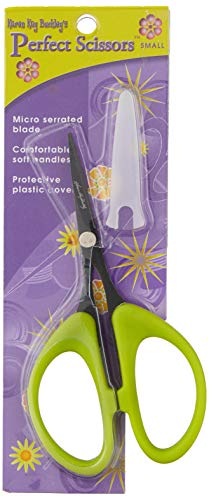
Karen Kay Buckley 4-Inch Perfect Scissors, Green

Karen Kay Buckley Perfect Scissors, Purple
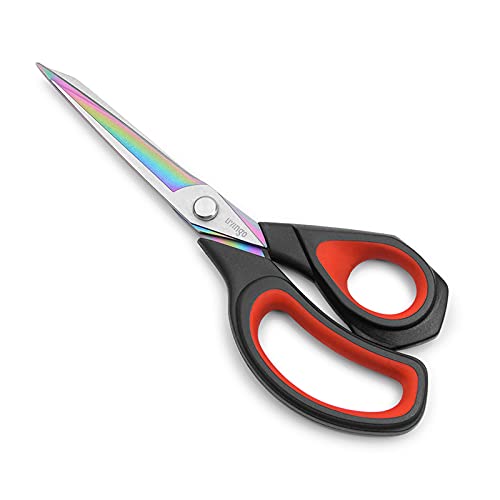
LIVINGO Fabric Scissors 9.5″ Professional Heavy Duty Sewing Shears

Tim Holtz Small Titanium Scissors 7″ Mini Snips

LIVINGO Fabric Scissors 2 Pack Heavy Duty Titanium Shears
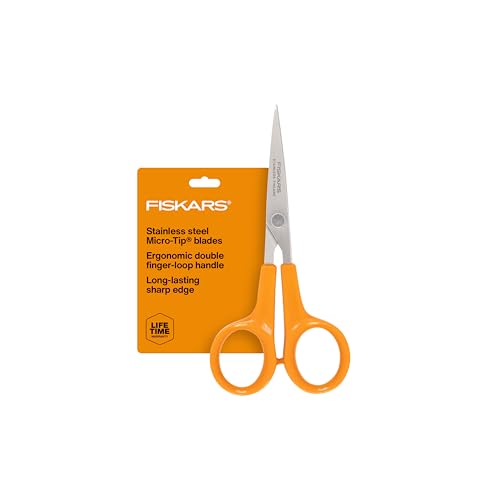
Fiskars 5″ Stitcher Fabric Scissors No. 5, Orange

LIVINGO 8″ Fabric Scissors Professional Tailor Sewing Shears
Why These Options Stand Out
Tiny scissors with real cutting ambition, the 4-inch Perfect Scissors sit comfortably in a palm-sized grip. Their serrated blade, meaning one edge carries fine micro-teeth that grip thread as it cuts, pulls fabric into the cut rather than letting it skate forward, which matters when you are snipping seam allowances or trimming applique. Quilters reach for this style constantly because the cushioned handle keeps the hand relaxed during long clipping sessions.
The ambidextrous design works for both right- and left-handed users, and the blade stays sharp right to the tip. You will find this pair especially handy for thread snipping, clipping curves, and detail work where a full-size shear feels clumsy.
Notable Gains
- Serrated micro-tooth edge holds fabric steady, reducing the slip-and-fray problem common on slick synthetics.
- 4-inch length gives you fine control for clipping seam allowances inside tight collar points.
- Cushioned handle reduces pinch during long clipping sessions, which quilting and applique tend to demand.
- Truly ambidextrous, so left-handed stitchers do not need to hunt for a mirror-image version.
- Light enough to toss in a project bag without weighing it down.
Trade Offs
- The 4-inch blade is too short for cutting pattern pieces from yardage, so you will need a larger shear alongside it.
- Owners commonly report that the serrated edge feels aggressive on very lightweight silk or chiffon, where a smooth blade glides more cleanly.
Who It Suits Best
Quilters, applique hobbyists, and anyone with smaller hands who needs reliable thread snipping and curve clipping for hours at a time.
Consider Something Else When
You mostly cut long pattern pieces from full bolts, in which case the LIVINGO 9.5″ Professional Heavy Duty Sewing Shears from later in this roundup will feel far more capable in your hand.
Step up in size from the 4-inch green version, the purple Perfect Scissors give you roughly 7.5 inches of reach while keeping the same signature serrated edge. That extra length makes quick work of trimming around templates or clipping long seam allowances without constantly repositioning the fabric. The cushioned handle stays comfortable across hours of hand work, and the blade runs sharp right to the very point.
Like its smaller sibling, the design works for both right- and left-handed users, which is rare at this size. The trade-off shows up in storage: this is a full desk-side tool, not a travel pair.
A Few Strong Suits
- The longer blade cuts across wide seam allowances in fewer passes, a real time-saver on binding and facing work.
- Micro-serrated grip stops lightweight cotton from sliding out mid-cut.
- Ambidextrous handle layout removes the usual left-handed hunting expedition.
- Pointed tip reaches into corners and clipping tight notches without tearing surrounding stitches.
Points To Note
- At 7.5 inches, the scissors feel long for delicate hand embroidery where a shorter blade offers more control.
- Heavier than the 4-inch green version, so fatigue can creep in during all-day clipping marathons.
- Wiping the serrated edge clean takes a beat more effort than a smooth blade, since lint tends to lodge in the micro-teeth.
Right Fit For
Stitchers who handle both detail clipping and moderate-size fabric work and want one ambidextrous tool to cover both jobs.
Reach For A Different Pick When
You spend more time with very small hand embroidery than fabric cutting, in which case the Karen Kay Buckley 4-Inch Perfect Scissors, Green from earlier in the list will feel more nimble in your fingers.
When the project involves cutting through thick denim stacks or slicing yardage straight from the bolt, the 9.5-inch LIVINGO shears answer the call. The blades are forged from high-density stainless steel, built to slice cleanly through more than sixteen layers of fabric at once. That long blade is the real story: a single smooth pass can run the full width of a trouser leg without stopping.
Tailors and dressmakers who cut full patterns in one go will appreciate the leverage. The honest read is that this is a dedicated cutting tool, not a trimmer, so it lives next to the sewing machine rather than inside a notions tin.
Real Benefits
- 9.5-inch blade handles wide pattern pieces and full bolt cuts without requiring you to shift the fabric.
- Forged stainless steel construction holds an edge longer than budget hardware-store shears.
- Long handles provide genuine leverage, which reduces the hand squeeze needed on thick canvas and denim.
- Rust-resistant finish tolerates humid sewing rooms and occasional damp fabric without spotting.
Honest Caveats
- Too long for quick thread snips, so a smaller pair like the Karen Kay Buckley 4-Inch Perfect Scissors is still useful alongside.
- Right-handed handle orientation may feel awkward to left-handed stitchers on long sessions.
- Storing 9.5-inch shears takes drawer real estate, which matters in compact craft rooms.
Quick Facts
Made For
Tailors, dressmakers, and home sewists who regularly cut full patterns from thick fabric stacks and want leverage they can feel.
Look Elsewhere When
You mostly do detailed applique or thread snipping, where the Fiskars 5″ Stitcher Fabric Scissors No. 5 from later in the list will feel more natural in your hand.
Cross over from pure sewing into the wider craft world and the Tim Holtz Mini Snips feel right at home. The duo-tipped blade, with one serrated side and one fine-point side, handles everything from cardstock to gauze without skipping. Titanium coating (a hard, slick surface layer that resists stickiness) keeps tape residue and adhesive from clinging, which is a daily headache in scrapbooking and mixed-media work.
The over-molded plastic handle is generously cushioned, so even after a long card-making session the grip stays comfortable. In most craft rooms, these end up living on the desk rather than tucked away in a drawer.
Standout Benefits
- Titanium-coated blade shrugs off glue, tape, and sticker residue that ruins ordinary scissors in months.
- Duo-tip design (serrated plus fine point) covers detail cutting and precision snipping in one tool.
- 7-inch length gives enough reach for small fabric tasks while staying portable for travel classes.
- Cushioned grip reduces fatigue during long scrapbooking or card-making sessions.
Softer Spots
- Best tuned for paper and mixed media, not heavy yardage, so seamstresses still need a dedicated fabric shear.
- The pointy tip is genuinely sharp, which is a blessing for detail and a small hazard in shared project bags with kids.
Best Suited To
Stitchers who also run a scrapbook, card, or mixed-media practice and want one snip that handles fabric scraps, paper, and adhesive trims without switching tools.
Skip It When
You need a shear built specifically for sewing yardage, in which case the LIVINGO 8″ Fabric Scissors from later in this lineup will match the workload more naturally.
Two pairs of titanium-coated shears in a single box, and that alone reshapes how a busy sewing room is set up. Keep one pair on the cutting table, the other in a classroom tote or a friend’s project bag, and you never have to share a blade mid-project. The titanium layer resists wear, scratches, and adhesive residue, which matters for anyone who doubles fabric cutting with occasional paper or tape work.
The forging process gives these a denser steel feel than budget hardware-store scissors. For shared studios, sewing circles, and households where two people stitch at once, the math is simple.
Positive Points
- Two matching pairs in one order cover the cost of outfitting a sewing circle or co-working space.
- Titanium coating keeps glue and tape residue from gumming up the cutting edge.
- Anti-rust finish holds up well in humid climates and damp basements.
- Heavier steel body translates to longer edge retention than lightweight all-purpose shears.
A Few Limitations
- No included detail pair, so you still need a smaller snip for thread work, similar to the Karen Kay Buckley 4-Inch Perfect Scissors from earlier.
- Right-handed grip orientation may feel unbalanced to left-handed users over long sessions.
Feature Snapshot
Perfect Match For
Shared studios, classroom settings, and households where two people sew at once and need matching tools without paying twice.
Swap It Out When
You mostly work solo on single projects, where the single-pair LIVINGO 9.5″ Professional Heavy Duty Sewing Shears from earlier will leave you with one well-chosen tool instead of a spare that gathers dust.
Quilters and detail stitchers tend to collect a small pile of snips over the years, and the Fiskars Stitcher earns a permanent spot. The micro-tip blade, ground with a proprietary sharpening technique, cuts cleanly all the way to the very point. That matters when you are clipping inside an applique shape or pivoting around a tight inside corner on a quilt block.
At 5 inches, this is a true detail tool rather than a yardage shear. In our view, it pairs well with a longer pair for full cutting work and takes over for everything in between.
Noteworthy Benefits
- Micro-tip blade reaches into tight corners on applique and quilt blocks without overshooting the line.
- Proprietary grinding technique maintains a sharp edge from base to tip, which standard scissors often lose.
- Compact 5-inch body fits comfortably in a sewing pouch, alongside a longer shear.
- Cuts cleanly through multiple thin fabric layers, useful for trimming seam allowances on layered projects.
Where It Is Less Suited
- Too short to slice through yardage, so a longer shear like the LIVINGO 9.5″ Professional Heavy Duty Sewing Shears is still required for pattern work.
Key Product Details
Whose Shelf It Belongs On
Quilters, applique makers, and any sewist who needs a reliable detail snip that lives next to the machine for clipping threads and trimming seam allowances on layered projects.
A Better Fit Elsewhere
You mostly want one tool that cuts through full pattern pieces without switching scissors, in which case the LIVINGO 9.5″ Professional Heavy Duty Sewing Shears from earlier in the list will suit you better.
Slotted between the 9.5-inch heavyweight and the smaller detail snips, the 8-inch LIVINGO shears fill the daily-driver gap. The bent handle keeps fabric flat on the table while you cut, which makes long pattern lines easier to follow without the blade lifting the cloth. High-density forged stainless steel gives the blade enough backbone to glide through multi-layer projects without the user squeezing hard.
For most home sewing rooms, this is the pair that ends up on the desk every morning. It handles quilting cotton, dress-weight wool, and lighter canvas without complaint.
What Helps Most
- Bent-handle design keeps fabric flat on the table for accurate pattern following.
- 8-inch length is the practical middle ground between yardage shears and pocket snips.
- Forged stainless steel construction is denser than cast alternatives, holding an edge through regular home use.
- Smooth blade glides through quilting cotton, lightweight wool, and similar mid-weight fabrics without chewing the edge.
Possible Compromises
- Not the right reach for the very wide pattern pieces where a 9.5-inch shear truly shines, such as the LIVINGO model earlier in the list.
- Right-handed handle angle may feel off-balance to left-handed users over long sessions.
Who Will Love This
Home sewists who handle a mix of project types and want one reliable shear that lives on the desk for daily pattern and fabric cutting.
Not Your Match When
You spend most of your time on tiny applique or thread snipping, where the Fiskars 5″ Stitcher Fabric Scissors from earlier will sit more naturally in your hand for detail work.
What Matters Most Before Choosing Seamstress Scissors
Match The Blade To The Fabric
A serrated blade grips slippery synthetics and prevents fraying, while a smooth blade glides cleanly through delicate silks and lightweight cottons. Most seamstresses end up owning both styles, one for stable woven cotton and one for the slick or stretchy stuff. Choosing the wrong blade profile is the fastest way to chew up a project mid-cut.
Size Follows The Workload
Blade length should track the largest thing you regularly cut. Anything under 5 inches lives in the detail-snip zone for clipping threads and turning allowances. The 7 to 9.5-inch range covers full pattern work on the home sewing table. Going longer than you need just adds weight to every cut.
Grip Comfort Over Time
Cushioned, contoured handles matter more than most specs suggest, because a long cutting session magnifies pressure points. Left-handed stitchers should specifically look for true ambidextrous designs, since many shears are only marginally comfortable on the off-hand. Try to hold a pair before committing, or order from a seller with a reasonable return window.
Material Care And Edge Retention
Titanium coatings resist corrosion and adhesive residue, while high-density forged steel holds an edge through repeated heavy use. Either choice tends to outlast plain carbon steel in a working sewing room. Owners commonly report that wiping blades dry after a project and storing them dry extends the life of the cutting edge by years.
Key Considerations Across These Picks
Pitfalls Shoppers Hit
The biggest mistake is grabbing a single all-purpose pair and expecting it to do detail and yardage work equally well. The smaller 4 to 5-inch snips and the longer 8 to 9.5-inch shears serve genuinely different jobs, and most sewists reach for both. Skipping the test cut on the actual fabric you plan to use is the second trap: a sharp blade on cardboard feels nothing like the same blade on silk charmeuse.
Where The Extra Money Goes
Higher-tier models earn their cost through edge retention, ambidextrous design, and tougher coatings that survive years of daily use. The titanium-coated and forged-stainless options here resist corrosion, hold an edge longer, and tolerate occasional adhesive residue without gumming up. For a hobbyist who sews once a month, the value tier makes sense. For a daily studio, the upgrade pays back in fewer replacements and cleaner cuts.
Frequently Asked Questions
What Size Seamstress Scissors Should I Buy For Home Sewing?
For most home sewing rooms, an 8-inch pair covers pattern work and fabric cutting, while a 4 to 5-inch snip handles threads and detail clipping. The LIVINGO 8″ Fabric Scissors paired with the Fiskars 5″ Stitcher is a sensible two-tool setup that covers almost any household project.
Are Serrated Or Smooth Blades Better For Fabric?
Serrated blades grip slippery material and reduce fraying, which helps on synthetics and loosely woven cloth. Smooth blades glide more cleanly on delicate fabrics like silk and lightweight cotton. Many sewists end up owning one of each for different parts of the same project.
How Do I Keep Seamstress Scissors Sharp?
Wipe the blades dry after each project, store them in a dry drawer or sheath, and reserve them for fabric only. Using fabric shears on paper, cardboard, or tape dulls the edge faster than any other habit. Periodic light honing with a quality scissor sharpener extends the life of the cutting edge.
Can Left-Handed Stitchers Use Regular Seamstress Scissors?
Most standard shears have a right-handed handle angle, which causes the upper blade to push fabric rather than slice it cleanly. Truly ambidextrous models like the Karen Kay Buckley Perfect Scissors solve this with symmetrical handle design. Left-handed stitchers looking for a longer shear should specifically seek out ambidextrous options or dedicated left-handed blades.
Is A Two-Pack Worth It Over A Single Premium Pair?
A two-pack makes sense for shared studios, classrooms, or households where two people sew at once. For a solo sewist, a single premium pair typically out-cuts two mid-tier pairs, since blade quality matters more than quantity. Choose based on how many workstations you actually need to equip.




