


A trenching shovel is a different tool from the rounded spade leaning against your shed. The blade is narrow, the profile is meant to bite straight down, and the handle has to survive the kind of repeated force that bends cheap steel. Choosing the right shape turns a backbreaking weekend into a manageable Saturday, especially when you’re running irrigation line, edging a garden bed, or laying low-voltage cable.
The picks below cover everything from compact 28-inch camp shovels to long-handled 58-inch digging spades and dedicated V-blade trenchers. Each one earns its spot for a specific job, so skim for the trench shape and soil type you actually face before choosing.
A Quick View Of The Lineup

HANTOP Sharp Blade Flat Spade Shovel

HANTOP Mini Round Digging Shovel 28″

HANTOP 4-in Trench Shovel 57″

HANTOP Sawtooth Round Shovel 43″
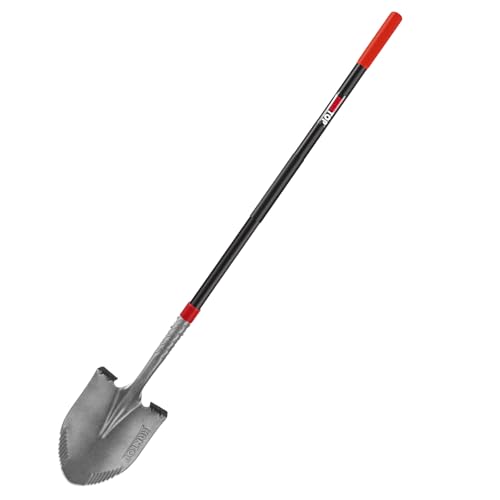
HANTOP Round Digging Shovel 58″

Spear Head Spade SHFD3 Lavender

HANTOP Drain Spade Shovel 44″

HANTOP All-Metal Root Saw Spade
Inside Each Recommended Option
Flat spade shovels get a bad rap as glorified edging tools, but the HANTOP sharp blade version earns a real spot in trench work. The 7.5-inch-wide by 2-inch-deep profile slices cleanly through sod and compact topsoil, making it a sensible choice for shallow irrigation runs and defined bed borders. Weighing 4.5 pounds with a 43-inch overall length, it sits in that middle zone where shorter folks still feel in control while taller users don’t cramp their stance.
The 1050MN steel head resists bending when you hit a stray rock, and the sawtooth edge chews through matted grass roots that would stop a smoother blade. Where it falls short is depth: the shallow dish means you’ll work harder for trenches below 6 inches. Still, for most edging and shallow utility work, it’s a clean, predictable tool.
Where It Helps
- Sawtooth edge powers through sod and matted roots without repeated chopping.
- 1050MN steel head holds its shape when it meets small rocks and clay patches.
- 43-inch length suits a wide range of user heights without forcing a deep crouch.
- Widened foot platforms let you drive the blade down with bodyweight instead of pure arm force.
- Flat profile lays straight, even-sided trench walls for neat irrigation or cable runs.
Things To Consider
- 2-inch blade depth means you’ll cycle through more scoops on deeper utility lines.
- Sawtooth profile sharpens fine work but can tear through delicate root balls.
Key Specs
Who It Suits Best
Homeowners establishing bed borders, shallow irrigation lines, or clean lawn edges will find the flat profile and sawtooth bite easier to control than a round-point spade.
Consider Something Else When
Anyone digging a true irrigation or drainage trench deeper than 6 inches will get more done with the HANTOP 4-in Trench Shovel with Fiberglass Handle 57 inches, since its narrow V-blade sinks deeper per stroke.
Some trenching jobs happen far from a garage. The HANTOP mini round digging shovel trims down to a 28-inch length and 2-pound weight, so it slips into a car trunk or a backpack without complaint. The 6-inch-long head and 1050MN steel construction feel stout for the size, and the sawtooth tip handles dirt laced with smaller roots that would deflect a smooth blade.
The trade-off for the compact frame is leverage. You’ll crouch low to drive it in, and a long irrigation run will punish your lower back long before the steel gives up. Think of it as a tactical option for trail repair, campsite trenching, or quick spot-digs rather than a primary yard tool.
A Few Strong Suits
- 2-pound total weight makes transport and one-handed carry genuinely painless.
- Sawtooth cutting edge powers through root-bound soil that stalls a flat spade.
- Fiberglass shaft shrugs off weather and rough handling on camping trips.
- Compact 28-inch length is well-suited to kneeling and ground-level precision work.
Worth Noting
- Short shaft means serious bending for stand-up digging tasks.
- Small 6-inch head moves less soil per scoop than full-size trenchers.
- Compact size doesn’t replace a dedicated yard tool for everyday projects.
Made For
Campers, overlanders, and anyone who needs a stowable trenching tool for trail fixes or fire pit prep will value the lightweight build.
Look Elsewhere When
For longer irrigation trenches at home, the Spear Head Spade SHFD3 Lavender offers a longer handle and a larger blade that cover real ground faster.
When someone says “trenching shovel,” this is the shape that comes to mind. The HANTOP 4-inch V-blade trencher runs 57 inches end-to-end and weighs 4.7 pounds, putting real leverage behind each stroke. The narrow 4-inch head cuts a clean line without disturbing adjacent plants, which matters when you’re trenching along a foundation or near established root systems.
The V-shaped profile bites into hard ground and pulls out a slice of soil rather than scraping it sideways, so even first-timers get respectable depth on the first pass. Where the trade-off shows up is in cleanup: the narrow channel is great for piping, but you’ll be hauling out a long ribbon of loose soil by hand. Still, for the actual act of cutting a trench, this is the most purpose-built option in the lineup.
Real Benefits
- Narrow V-blade slices straight down without tearing up nearby plants.
- 57-inch shaft gives stand-up digging posture for taller users.
- 4-inch cut suits standard irrigation and low-voltage cable depth.
- Fiberglass handle stays stable in wet conditions and won’t splinter.
- Pointed tip powers through clay that bounces a flat spade.
Trade Offs
- Narrow channel means more trips hauling soil out of the trench.
- Long handle is harder to control in tight crawl spaces.
- No sawtooth edge, so thick roots call for a separate root-cutting tool.
Best Suited To
DIYers installing drip irrigation, low-voltage landscape lighting, or French drain runs will find the V-blade design faster than adapting a flat spade.
Swap It Out When
For shallow edging and clean bed borders, the HANTOP Sharp Blade Flat Spade Shovel gives a wider, more forgiving cut that suits lighter work.
Standard round-point spades skate across tough ground until you put a shoulder into them. The HANTOP sharp sawtooth version solves that frustration with a toothed leading edge that grips and cuts, instead of skidding. At 43 inches and 4.7 pounds with a 9-inch-wide dish, it works as both a trenching tool and a transplanting spade, which makes it a flexible pick for mixed yard chores.
The D-shaped grip gives a solid two-handed stance for prying out rocks or stubborn roots, and the fiberglass shaft holds up to the twisting forces that crack wooden handles. It’s not a specialist trenching shape like the 4-inch V-blade, but the wider dish moves noticeably more soil per scoop. Depending on your soil, you may find it pulls double duty across more weekends than you’d expect.
Features That Help
- Sawtooth edge chews through root-matted ground that stops smooth blades.
- 9-inch dish moves serious volume per scoop.
- D-grip supports a strong, two-handed pry on tough spots.
- 1050MN head holds an edge through rocky encounters.
Points To Note
- Rounded shape doesn’t cut as clean a trench wall as a dedicated V-blade.
- 4.7-pound head weight adds up during long sessions.
Quick Facts
Right Fit For
Homeowners wrestling with compacted or root-heavy soil will appreciate how the sawtooth edge turns a normally frustrating dig into steady progress.
A Better Fit Elsewhere
For pure trench cutting where a narrow channel matters, the HANTOP 4-in Trench Shovel 57″ leaves less mess around the trench walls.
Long handle tools earn their keep once you spend a full afternoon digging. The HANTOP 58-inch round digging spade keeps your back closer to upright, which matters more than any spec sheet when you’re 30 minutes into a project. The 9-inch-wide dish gives a generous scoop, and the 4.9-pound total weight feels balanced rather than tip-heavy at full extension.
The non-slip grip is a quiet upgrade you’ll appreciate in cold or wet conditions, and the fiberglass handle simply doesn’t rot the way wooden shafts do after a season of stored dirt. It’s a generalist shape, so it won’t dig the narrowest clean trench, but for transplanting shrubs, breaking ground for a new bed, or rough trenching in soft soil, the upright posture and solid scoop volume are hard to beat.
Useful Touches
- 58-inch length saves your lower back during long digging sessions.
- 9 x 4.7-inch dish moves a serious amount of soil per scoop.
- Non-slip grip stays secure in cold or damp hands.
- Fiberglass handle resists weather damage during outdoor storage.
Honest Caveats
- Round-point shape won’t carve a tight, clean trench line.
- Long shaft is awkward in close quarters or raised beds.
- 4.9 pounds is on the heavier side for smaller-framed users.
Who Will Love This
Taller gardeners and anyone facing a multi-hour dig will appreciate the stand-up posture and the steady scoop volume.
Skip It When
For narrow irrigation trenches, the HANTOP Drain Spade Shovel 44″ keeps the cut tight and the cleanup manageable.
The Spear Head Spade SHFD3 takes a different angle on trenching by leaning into blade engineering rather than shape. The 9 x 11-inch carbon manganese steel head is thicker than a standard spade, and the spear-point profile lets the blade find the path of least resistance through rocky, compacted ground. The powder-coated finish wears back over time to expose a pre-sharpened edge, which is a clever way to keep the cutting surface working without sharpening sessions.
At 40 inches overall, it’s shorter than the 57- and 58-inch competitors, but the steel-reinforced fiberglass handle is genuinely overbuilt for the category. The cushioned D-grip and forward-bent foot platforms make the driving stroke more efficient. Depending on your soil, this is the kind of tool that turns a dreaded project into one you’ll volunteer for again.
Standout Benefits
- Spear-shaped blade finds soft paths through rocky soil.
- Self-sharpening coating exposes a fresh edge as the finish wears.
- Forward-tilted foot platforms make driving the blade easier on knees.
- Carbon manganese steel head outlasts standard spade stock.
Soft Spots
- 40-inch length means more bending for taller users.
- Specialty blade shape isn’t ideal for pure trench-line digging.
- Heads-up pricing bracket versus the other picks in this list.
Perfect Match For
Gardeners working rocky clay or compacted beds will get more done with the engineered spear head than with a basic round-point spade.
Another Choice May Suit
If you want a longer handle and a lower cost, the HANTOP Round Digging Shovel 58″ covers similar ground without the premium-tier build.
Drain spades fill a specific gap, and the HANTOP drain spade does it well. The 7-inch-tall by 2-inch-wide blade is the right shape for cleaning out existing ditches, working between established perennials, or digging the deep, narrow channel a French drain needs. At 44 inches and 4.4 pounds, the proportions feel lively rather than cumbersome, and the fiberglass shaft keeps weight down without feeling flimsy.
The 1050MN steel head handles the wet, sticky conditions that come with drainage work, and the slim profile makes it easier to pull spoil out of a deep cut. It’s not the tool for opening up a wide garden bed, but for digging down rather than out, the shape is hard to fake. In most yards, the drain spade earns its space on the wall once you run one project.
The Value In It
- Slim 2-inch profile reaches into tight gaps between plants.
- 7-inch blade depth supports proper French drain installation.
- 4.4-pound build feels light for its 44-inch length.
- PP grip stays comfortable through wet and muddy work.
Points To Keep In Mind
- Narrow channel means slower soil removal on big projects.
- Specialty shape is overkill for simple bed prep.
Who Should Grab It
Homeowners tackling French drains, downspout extensions, or irrigation repair will find the slim profile and depth exactly right for the job.
Reach For A Different Pick When
For wide transplanting or rough garden digging, the HANTOP Round Digging Shovel 58″ moves more soil per scoop.
Roots are the usual reason a trenching job stalls. The HANTOP all-metal serrated root saw spade takes that problem head-on with a sharpened serrated edge designed to saw through woody material as you drive the blade down. The 47-inch length and 4.5-pound weight sit in the middle of the range, and the oval steel handle is the kind of construction detail that shows up only when an engineer was paying attention.
Unlike the fiberglass-handled options above, this one is metal from collar to grip, which trades a little vibration for serious long-term durability. Owners commonly report that the all-metal construction shrugs off the rough storage and accidental drops that crack composite handles. It’s a heavier feel, but for projects where the ground fights back, that weight works in your favor.
Everyday Wins
- Serrated edge saws through roots that would stop a smooth blade.
- All-metal oval handle outlasts fiberglass in heavy-use environments.
- PP grip keeps the hold comfortable despite the steel shaft.
- 47-inch length balances reach and control for most users.
- Manganese steel head holds up to repeated root encounters.
Trade-Offs To Consider
- All-metal handle transmits more vibration to the hands.
- Cold steel gets uncomfortable in winter digging without gloves.
Built With In Mind
Property owners clearing old roots, removing shrubs, or trenching through established tree lines will get genuine time back from the saw-style edge.
Where A Sibling Pick Shines
For clean, narrow trenches in open soil without root pressure, the HANTOP 4-in Trench Shovel 57″ is lighter on the hands and faster on the dig.
What To Weigh Before Choosing Shovels For Digging Trenches
Match The Blade Shape To The Trench
A round-point spade, a flat edging blade, and a V-shaped trencher each do a different job, and using the wrong one turns a quick project into a slog. Round points excel at breaking new ground and transplanting because the dish scoops soil out. Flat spades lay clean, vertical edges along beds and lawns. V-blade trenchers cut narrow, deep channels that minimize the mess around the cut.
Length Matters More Than You Think
Handle length sets your back’s posture for the entire job. A 40-inch tool forces taller users into a crouch, while a 57- or 58-inch shaft keeps a more upright stance. Shorter tools reward control and kneeling work; longer tools reward endurance and stand-up digging. For trenching in particular, the longer handles win out because each stroke drops the blade deeper without bending your knees.
Material Choices And Their Trade-Offs
Fiberglass handles resist weather and don’t splinter, which makes them the most common pick in this category. Steel handles add weight and durability, which is helpful for heavy root work but transmits more vibration. Wooden handles absorb shock well but demand more maintenance. Steel grade on the head matters too: 1050MN and similar manganese steels hold an edge in abrasive soil, while thinner stock dulls fast.
Width And Depth Of Cut
The narrowest blades, around 2 to 4 inches wide, cut clean irrigation trenches but move less soil per scoop. Wider blades, around 7 to 9 inches, work better for transplanting and bed prep but tear up more ground than a pure trenching job needs. Depth of the dish affects how much soil you can extract per stroke and how deep the blade can reach in a single push.
Smart Shopping Notes For Trenching Shovels
Where Shoppers Go Wrong
Choosing a wide round-point spade for a true trenching project is the most common mistake, because the dish shape doesn’t cut a clean, narrow line and forces more backfill later. Another slip is underestimating handle length: a tool that feels fine for a few minutes in the store can punish a back over a full afternoon. Buying a basic model for heavily root-bound soil also ends badly, since plain blades skate across the wood instead of cutting it.
When Paying More Pays Off
Higher-tier trenching shovels earn their keep through blade engineering rather than gimmicks. Thicker steel stock, sharper factory edges, and coatings that maintain sharpness all reduce the physical effort per stroke, which adds up over a long project. Reinforced collars and ergonomic foot platforms also cost more but cut down on the foot pain and hand fatigue that come with repeated driving strokes. For occasional light edging, basic picks are enough, but for serious soil, the upgrade pays back in time and energy saved.
Frequently Asked Questions
What Is The Difference Between A Trenching Shovel And A Regular Shovel?
A trenching shovel has a narrow, often pointed blade designed to cut straight down into the soil, while a regular shovel uses a wider dish shape to scoop and move loose material. Trenchers leave a clean, narrow channel; regular shovels leave a wide hole.
How Deep Can A Trenching Shovel Dig?
Most trenching shovels reach 8 to 12 inches per stroke in workable soil, with longer-handled V-blade models going deeper because of the added leverage. Hard clay or rocky ground reduces the practical depth per stroke and may require multiple passes.
Can I Use A Trenching Shovel For Planting?
Yes, trenching shovels work well for planting shrubs, perennials, and small trees because the narrow profile digs a hole the right size for the root ball. For larger transplanting jobs, a wider round-point spade moves more soil per scoop and may be faster.
What Handle Length Is Best For Trenching?
Handle length is mostly a function of user height and posture preference. Taller users and anyone wanting stand-up digging should look at 55 to 60-inch shafts, while users who prefer kneeling and ground-level control do fine with 40 to 45-inch tools.
How Do I Maintain A Trenching Shovel?
Wipe the blade clean after each use, dry it before storage, and occasionally oil the metal head to prevent rust. Fiberglass handles need almost no maintenance, while wooden handles benefit from an annual rubdown with linseed oil to prevent drying and cracking.




