Digging through rocky soil wrecks a regular spade in an afternoon. Stout blades, sharpened points, and handles that survive real torque separate useful picks from patio toys. This list rounds up nine shovels built for stony ground, stubborn roots, and the kind of compacted clay that laughs at hardware-store specials.
A Fast Comparison Of The Options

Spear Head Spade Reinforced Fiberglass Gardening Shovel (SHFD3)

Root Slayer 22011 Garden Shovel

Root Slayer 22411 Mini Digger Shovel

Garden Works Original Soil Scoop

Garrett Edge Digger with Sheath (7.5″)

Cold Steel Spetsnaz Tactical Camp Shovel

KOLEIYA 28″ Mini D-Handle Shovel
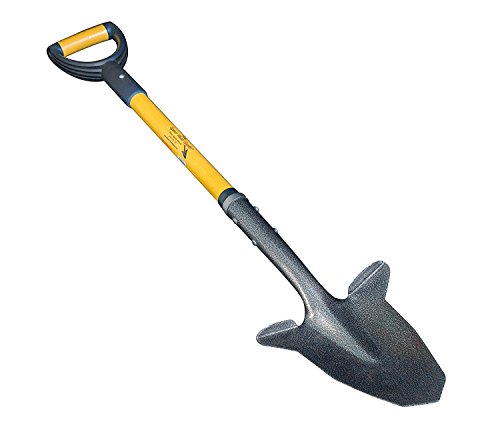
Spear Head Spade SHFD3 40″ Yellow Garden Spade

Metal Concepts All-Steel Sharpshooter Shovel
More On The Choices That Made The List
The Spear Head Spade SHFD3 takes a different approach to rocky ground, relying on a pointed, wedge-like tip that finds the path of least resistance through hardpan. The 31-inch fiberglass handle keeps total length around 41.5 inches, which sits comfortably between a border spade and a full digging shovel. A cushioned D-grip at the end gives your trailing hand leverage when prying out embedded stones.
For weekend gardeners wrestling with clay laced with river rock, this spade tends to feel more controlled than a wide-blade contractor tool. It won’t replace a pickaxe for ledge work, but it earns its keep on tough soil where a flat-nosed shovel just bounces off.
Where It Delivers
- Pointed blade profile slips into compacted dirt and pries around buried rocks rather than skimming across them.
- Fiberglass shaft stands up to weather and won’t rot if you leave it out by the shed.
- Cushioned D-grip reduces hand fatigue during long transplanting sessions.
- Shorter overall length makes it easy to maneuver in raised beds and tight landscaping.
Things To Consider
- The narrower blade moves less material per scoop, so big projects take longer.
- Commonly reported wear shows up first on the tip edge when it’s used on pure gravel without regular touch-ups.
Key Specs
Who It Suits Best
Home gardeners working raised beds, perennial borders, and small landscaping projects where root-cutting matters more than bulk earthmoving.
Look Elsewhere When
The Metal Concepts All-Steel Sharpshooter Shovel fits contractors and utility crews who need a heavier, all-steel tool for deep trench work.
The Root Slayer 22011 builds its reputation on a sharpened, inverted-V tip flanked by aggressive ripsaw teeth along the blade edges. That combination lets the head behave like a shovel, a hatchet, and a saw in one pass. The ergonomic handle aims to ease wrist strain when prying through dense root mats.
Compared to the Spear Head Spade above, this one prioritizes slicing power over pure penetration. If your rocky yard is also laced with old tree roots or invasive bamboo, the serrations do the cutting a flat blade can’t.
Real-World Strengths
- Serrated edges saw through woody roots that would stop a standard spade cold.
- Multi-purpose head reduces the need to swap between shovel, hatchet, and saw.
- Ergonomic handle geometry eases torque on wrists during long sessions.
Worth Noting
- Heavier than a plain garden spade, which adds fatigue on long days.
- The aggressive teeth can snag on fabric weed barriers and landscape cloth.
Right Fit For
Homeowners clearing neglected beds, removing invasive roots, and tackling mixed soil with buried debris.
Consider Something Else When
Light weeding and transplanting call for the Garden Works Original Soil Scoop, which handles finer work without the serrated bite.
The Root Slayer 22411 Mini Digger shrinks the brand’s signature serrated tip into a more portable package. Its compact size works well in raised beds, tight planting rows, and small landscaping patches where a full-length shovel is awkward. The same ripsaw-style teeth show up on the blade, so you keep the root-cutting edge in a smaller footprint.
For gardeners who liked what the 22011 offered but found it too long for close-quarters work, this is the more controlled sibling. It trades leverage for access.
Standout Benefits
- Compact dimensions fit inside raised beds and between established perennials.
- Lighter carry weight makes it friendlier for smaller-framed gardeners and longer sessions.
- Same serrated tip design as the full-size Root Slayer in a tighter profile.
- D-handle design provides grip control in cramped digging angles.
Honest Caveats
- Smaller blade means more trips to clear a hole of any real depth.
- Not the right tool for breaking new ground in untouched rocky soil.
Made For
Urban gardeners, balcony planters, and anyone working established beds where full-size shovels feel clumsy.
Skip It When
Large landscaping jobs call for the Spear Head Spade SHFD3 40″ Yellow Garden Spade, which moves more material per stroke.
The Garden Works Original Soil Scoop takes a different angle on rocky ground: a one-piece stainless scoop that doubles as a trowel, weeder, and seed-furrow maker. The comfort grip handle uses recycled materials, and the all-metal build shrugs off the kind of abuse that snaps plastic-handled tools. For gardeners who fight small rocks in veggie beds more than boulders, the scoop profile works as a hybrid hand tool.
It’s a far cry from the Spear Head Spade’s full-length approach. This one stays in the hand, not the shoulder, and fits roles from transplanting seedlings to digging grit out of a tight corner.
Notable Upsides
- Stainless steel head resists rust during wet-season storage in a garage or shed.
- Multi-purpose shape covers scooping, weeding, furrowing, and even grill cleaning.
- Made in the USA from recycled materials, which may appeal to sustainability-minded gardeners.
- One-piece construction removes the weak points common in riveted trowels.
Room For Improvement
- Handheld size means stooping for every dig, which adds up on bigger projects.
- Scoop profile doesn’t penetrate compacted ground the way a pointed spade can.
Key Specs
Best Suited To
Vegetable gardeners, container planters, and detail-oriented yard work where hand tools outperform full-size shovels.
Another Choice May Suit
For full trench work and serious root slicing, the Root Slayer 22011 Garden Shovel brings the muscle a scoop can’t match.
The Garrett Edge Digger is purpose-built for metal detecting rather than general landscaping. The 7.5-inch serrated blade cuts clean plugs from turf, and the included sheath protects both the edge and your gear bag. It punches through packed earth, clay, and gravel-laced soil when a target signal demands quick recovery.
This is a specialist tool, not a substitute for the Spear Head Spade or the Root Slayer. In its lane, though, it outperforms improvised digging tools and folds neatly into a detecting kit.
A Strong Showing
- Compact blade pulls clean soil plugs that re-seat neatly after target recovery.
- Sheath protects the cutting edge during transport in a backpack.
- Lightweight build (about 0.45 kg) reduces arm fatigue during long detecting sessions.
Points To Note
- Not built for trenching, transplanting, or any real earthmoving.
- The 7.5-inch reach limits depth on deeply buried targets.
Who Should Grab It
Hobbyist metal detectorists who want a dedicated digging tool instead of improvising with a trowel or screwdriver.
A Better Fit Elsewhere
Gardeners clearing rocky beds will get more use from the Root Slayer 22011 Garden Shovel, which handles broader digging tasks.
The Cold Steel Spetsnaz Tactical Camp Shovel leans into survival and overlanding use cases. A 2mm medium-carbon steel head attaches to a hardwood handle, keeping the overall length under 20 inches and the weight near 1.6 pounds. It stows in a vehicle, a pack, or a camp box without dominating the space.
For campers and preppers who need a tool that can trench a fire pit, dig a cathole, or help a tire out of soft ground, the Spetsnaz earns its spot. It is not built for sustained garden work, and it shows in the short handle.
What Stands Out
- Compact 19.68″ length stows easily in a vehicle or pack.
- Medium-carbon steel head handles chopping, digging, and light prying.
- Hardwood handle offers a traditional feel with solid grip texture.
- Light enough to carry on long hikes without becoming a burden.
Trade Offs
- Short handle forces stooping for any extended digging session.
- Sheath is not included, so the edge needs separate protection in a pack.
Feature Snapshot
Who Will Love This
Campers, overlanders, and preppers who want a packable multi-use tool for trail, campsite, and roadside needs.
Reach For A Different Pick When
Backyard rock digging calls for the Spear Head Spade Reinforced Fiberglass Gardening Shovel (SHFD3), which has the reach and blade shape for real landscaping work.
The KOLEIYA 28-inch shovel packs a heat-treated metal head and a fiberglass shaft into a kid-friendly size. The high-temperature quenching process hardens the spade head, and an anti-rust coating helps the surface survive wet storage. The fiberglass handle adds flex under load without snapping the way a wood shaft can.
It carries well in a vehicle trunk for emergency digging and works as a starter shovel for young gardeners learning the basics.
Everyday Advantages
- 28″ total length suits younger or shorter users and fits in tight storage.
- Hardened metal head holds up to contact with buried rocks and gravel.
- Anti-rust coating helps the blade survive damp garage conditions.
- Fiberglass handle stays stable through weather changes.
Points To Keep In Mind
- Short handle means more bending for adult users on deep projects.
- Smaller blade volume limits how much soil moves per scoop.
Perfect Match For
Kids learning to dig, families with small garden plots, and anyone who wants a stowable backup shovel for the car.
Swap It Out When
Adults tackling full-size landscaping will get better leverage from the Spear Head Spade SHFD3 40″ Yellow Garden Spade.
The Spear Head Spade SHFD3 40″ stretches the original SHFD3 design into a longer, more standard digging length. The 9″ x 11″ beveled blade pairs with a steel-reinforced fiberglass handle, and the yellow color stays visible in tall grass or a cluttered shed. Total length lands around 40 inches, which suits taller gardeners who find 41-inch shafts slightly short.
It builds on the same pointed-blade approach as the 41.5-inch version, so the digging character stays familiar. The longer handle just gives more reach and leverage for deeper transplanting holes.
The Case For It
- Longer 40″ handle gives taller users better posture and leverage.
- Beveled 9″ x 11″ blade cuts through compacted soil and prying around rocks.
- Steel-reinforced fiberglass handle resists weather and rough storage conditions.
- Bright yellow finish makes the tool easy to spot in a busy yard.
Some Limits To Know
- Heavier than a wood-handled spade, which can wear on smaller-framed users.
- Longer length is awkward in tight raised beds where shorter tools work better.
Quick Facts
Built With In Mind
Serious home gardeners and landscapers handling deep planting, perennial division, and soil that punishes lighter tools.
Where A Sibling Pick Shines
The Root Slayer 22011 Garden Shovel suits projects where serrated root-cutting matters more than the longer handle of the SHFD3.
The Metal Concepts All-Steel Sharpshooter Shovel leans into a single-minded purpose: cut narrow, deep holes through punishing ground. The chromoly (a chromium-molybdenum steel alloy prized for strength-to-weight ratio) head measures 15 inches and arrives heat-sharpened, while the long handle and all-steel construction add the kind of weight that breaks ground through gravity alone. Total mass lands around 13 pounds, which is the tool’s main asset and its main consideration.
For plumbers, irrigation crews, and anyone digging post holes in rocky clay, this is the kind of tool that ends a job in an afternoon instead of a weekend. It is overkill for transplanting perennials, and it knows it.
Noteworthy Benefits
- 13-pound head drives the blade through hardpan and gravel with minimal user effort.
- Heat-sharpened chromoly edge slices through small roots on the way down.
- All-steel construction resists breakage in rocky, root-filled ground.
- Long handle keeps the operator upright, which reduces fatigue on long jobs.
Less Ideal Details
- 13-pound weight is punishing for casual gardeners without training.
- Narrow head isn’t designed for moving volume, so cleanup work goes slowly.
Spec Overview
The Right Fit
Tradespeople, utility workers, and serious DIYers digging post holes, narrow trenches, and pipe runs in punishing ground.
Where Another Pick Suits Better
Home gardeners with a few perennial beds will find the Spear Head Spade Reinforced Fiberglass Gardening Shovel (SHFD3) much friendlier on the shoulders.
What To Weigh Before Choosing Your Rock Shovel
Blade Shape and Tip Style
Pointed, spear-like tips find the path of least resistance through compacted soil and around buried rocks. Flat, square-nosed blades move more material but bounce off stones. For rock-heavy ground, the spear or V-shaped tip earns its keep.
Handle Length and Material
Longer shafts give leverage but tax shorter gardeners. Fiberglass handles resist weather and won’t rot in a damp shed, while hardwood offers traditional feel and natural shock absorption. Steel-reinforced shafts add weight but survive rough storage.
Weight vs. Maneuverability
Heavy heads like the Metal Concepts Sharpshooter drive through ground using gravity, but they punish casual users. Lighter fiberglass-handled spades ask more of your arms but stay friendly during long transplanting days.
Specialty vs. General Use
Narrow tools like the Garrett Edge Digger excel in one task and struggle elsewhere. Multi-purpose spades from Spear Head Spade or Root Slayer cover more ground, literally, at the cost of being the absolute best in any single role.
Key Considerations Across These Picks
Where Shoppers Go Wrong
Choosing a wide contractor scoop for transplanting leaves you lifting more weight than the job needs. Picking a packable camp shovel for full garden work ends in back pain. Match the tool to the dominant task, not to the broadest possible use case.
What The Higher Tier Buys
Premium picks like the Metal Concepts Sharpshooter and the Spear Head Spade SHFD3 40″ earn their cost through chromoly edges, reinforced handles, and blades that hold an edge through repeated rock contact. The upgrade pays off when you dig weekly in punishing ground. For occasional weekend use, mid-range options like the Spear Head Spade SHFD3 or the Root Slayer 22011 deliver most of the benefit at a friendlier cost.
Frequently Asked Questions
What type of shovel works best for digging through rocky soil?
A pointed or V-shaped tip cuts into compacted ground and finds the path of least resistance around stones. Flat-blade shovels tend to skip across rocky surfaces instead of penetrating them.
Are fiberglass handles better than wood for rock digging?
Fiberglass resists weather, rot, and splintering, which suits tools left outdoors or stored in damp sheds. Wood offers a traditional feel and natural shock absorption, but it can crack under heavy torque or rot in wet conditions.
How heavy should a rock shovel be?
For casual gardening, 4 to 6 pounds keeps the work comfortable. For breaking new ground in hardpan or clay, weighted heads of 10 to 15 pounds drive the blade using gravity, though they demand stronger users.
Can a small digging tool handle rocky conditions?
Compact tools like the Root Slayer 22411 Mini Digger and the Garrett Edge Digger work well in tight spaces and small holes. They are less suited to breaking new ground or digging deep trenches in heavy rock.
How do I maintain a shovel used on rocky ground?
Wipe the blade clean after use, dry it before storage, and touch up the edge with a file as it dulls. Fiberglass and stainless components need less care, but the cutting edge benefits from occasional attention regardless of material.