Tight bench space shouldn’t kill your sanding plans. Small belt sanders shine for knife makers, hobbyists, and home woodworkers who need controlled material removal without dedicating an entire workbench to the tool. The picks below cover machines, accessories, and consumable belts so you can match the right gear to your shop. Whether you’re grinding a hardened steel blade, smoothing a small jewelry box, or stripping finish from a vintage handle, there’s a fit here. Let’s dig into what each option actually does and where it earns its place in a real workspace.
The Leading Options At A Glance
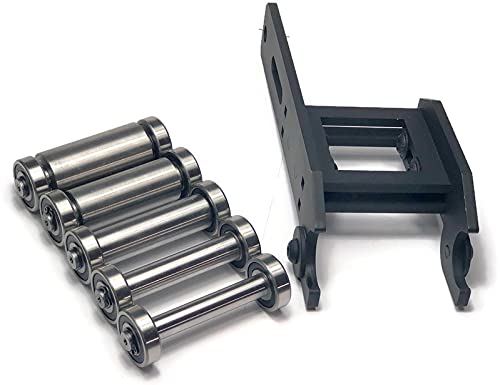
Nylon-Pulley Belt Grinder 2×72 Small Wheel Holder Set
Greteefor Compact Grinder Sander Combo 6-Inch Wheel

MOVIRON 3″ x 21″ Sanding Belts 12-Pack

MOVIRON 4″ x 24″ Sanding Belts 12-Pack

MOVIRON 3″ x 18″ Sanding Belts 12-Pack

Greteefor 6-Inch Variable Speed Bench Grinder
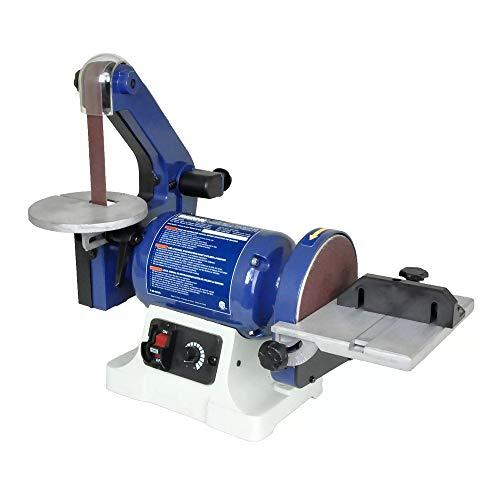
RIKON 50-161VS 1″ x 30″ Belt and Disc Sander

PROXXON Belt Sander BS/E
Inside Each Recommended Option
This accessory kit transforms a standard 2×72 belt grinder into a more versatile profiling machine. Knife makers, in particular, rely on small contact wheels to create convex grinds, hollow grinds, and tight radius work that flat platens simply cannot match. The set ships with five rollers ranging from 12 mm to 30 mm in diameter, letting you step between detail work and broader sweeps without buying separate attachments.
For anyone already running a 2×72 platform, this kind of wheel kit pays for itself by eliminating the need to swap out individual wheels mid-project. You may find the included 65 mm width limits use on wider platen setups, but for most knife-scale work it’s right in the sweet spot.
Notable Gains
- Five diameter options cover fine detail to broader profiling in one kit
- Steel construction handles the heat and pressure of grinding hardened steel
- Multiple wheels let you keep common setups ready instead of swapping constantly
- Compact 65 mm width suits narrow knife-scale work
Trade Offs
- Requires a compatible 2×72 grinder; not a standalone tool
- Wheel bearings may need periodic cleaning in dusty shop environments
Right Fit For
Knife makers and bladesmiths who already own a 2×72 grinder and want to expand their profiling options without buying dedicated radius wheels one at a time.
Look Elsewhere When
You need a complete sanding machine rather than accessories. The PROXXON Belt Sander BS/E makes more sense for hobbyists wanting an all-in-one compact unit.
Combination machines earn their bench space by handling two jobs without taking up twice the room. This unit pairs a 6-inch grinding wheel with a 2″ x 27″ sanding belt, covering both sharpening and surface finishing in a single footprint. It’s a practical layout for home workshops where a separate bench grinder and belt sander would crowd the bench.
The 2.5A motor running around 3600 RPM provides steady output for routine grinding and light deburring. You may find the belt width limiting for wider stock removal, though for knife edges, small tool parts, and trim work the size works well.
Advantages To Know
- Two tools in one footprint saves valuable bench space
- Grinding wheel handles blade sharpening and edge work
- Sanding belt supports light shaping and surface finishing
- 2.5A induction motor delivers consistent torque under load
Points To Keep In Mind
- Belt width is narrow compared to dedicated sanders
- Not designed for heavy stock removal on large surfaces
- Dust collection requires separate setup in most shops
Key Product Details
Who Should Grab It
Home workshop users who need both sharpening and light sanding in one compact machine and don’t want to dedicate bench space to two separate tools.
Skip It When
You primarily sand wide panels or need high-volume material removal. The RIKON 50-161VS 1″ x 30″ Belt and Disc Sander offers more finishing versatility for that workflow.
Belt sanders are only as useful as the consumables feeding them, and the 3″ x 21″ size fits a wide range of compact handheld and benchtop models. This 12-pack covers the grits most people actually need: 80 for shaping, 120 and 150 for smoothing, and 240 for finish sanding. Aluminum oxide abrasive (a common synthetic grain that balances cost and durability) handles wood, soft metal, and paint removal without breaking the bank.
For hobbyists running a small sander on weekend projects, having all four grits on hand means no mid-project supply runs. Depending on how aggressively you sand, you may burn through the coarser belts faster than the finer ones.
What Earns Its Place
- Four grits cover shaping through final finishing in one order
- Aluminum oxide works on wood, metal, and finishes
- 12-belt count outlasts a single project cycle for most users
- 3″ x 21″ fits many popular compact belt sander models
Worth Noting
- Belt life varies based on material and pressure applied
- Not suited for hardened steel grinding applications
Made For
Hobbyists and DIYers with 3″ x 21″ belt sanders who want a full grit range ready to go for varied weekend projects.
Consider Something Else When
You run a 4″ x 24″ sander. The MOVIRON 4″ x 24″ Sanding Belts 12-Pack matches that common mid-size footprint instead.
The 4″ x 24″ belt size is a common footprint for many handheld and small benchtop sanders, making this pack a versatile stock-up option. Three belts each of 80, 120, 150, and 240 grit give you a balanced workflow from material removal to final surface prep. Aluminum oxide construction keeps the price approachable for general workshop use.
For woodworkers shaping small furniture parts or refinishing trim, this grit spread handles most tasks without swapping brands or suppliers. The belt count may run short on production-scale work, but for typical hobby throughput it’s a sensible starter set.
Where It Delivers
- 4″ x 24″ fits a broad range of popular sander models
- Balanced grit selection covers most woodworking stages
- Aluminum oxide abrasive suits wood and soft metals
- Twelve belts spread usage across multiple projects
Room For Improvement
- No extra-coarse or ultra-fine grits for specialized tasks
- Heavier stock removal wears belts faster than finer work
Feature Snapshot
Best Suited To
Woodworkers and refinishers running 4″ x 24″ handheld or benchtop sanders who want a ready-made grit variety pack on the shelf.
Not Your Match When
You need a smaller profile for detail sanding. The MOVIRON 3″ x 18″ Sanding Belts 12-Pack handles tighter areas more easily.
The 3″ x 18″ belt size shows up on several compact detail sanders, and this pack delivers the same four-grit spread as its siblings. Narrower belts excel at getting into curves, edges, and tight corners where wider belts can’t follow the contour. For model makers, luthiers working on small instrument parts, or anyone sanding detailed trim, that narrow profile becomes a real advantage.
You get three belts each of 80, 120, 150, and 240 grit, all aluminum oxide. The shorter belt length may wear faster under heavy pressure, so light-to-moderate contact gives the best life.
The Case For It
- Narrow 3″ width reaches into curves and tight spaces
- Same proven grit spread as the larger MOVIRON packs
- Aluminum oxide handles wood and soft metal work
Some Limits To Know
- Shorter belt length can wear faster under aggressive pressure
- Not a match for sanders requiring 4″ or wider belts
- Limited grit range misses ultra-coarse or mirror-finish options
Who Will Love This
Detail-oriented hobbyists, model builders, and luthiers running 3″ x 18″ sanders who prioritize access over coverage width.
A Better Fit Elsewhere
You sand broader surfaces more often than tight curves. The MOVIRON 4″ x 24″ Sanding Belts 12-Pack covers wider stock more efficiently.
Variable speed changes the game for bench grinders, and this 6-inch model spans 1725 to 3450 RPM. Slower speeds suit sharpening high-carbon steel without overheating the edge, while the top end handles general grinding and shaping. The brushless induction motor (a design that uses electronic controllers instead of carbon brushes, reducing wear) runs cooler and quieter than brushed alternatives, which matters in a small shop.
An included wheel dresser (a tool that cleans and reshapes grinding wheels) keeps the wheel true over time, and the LED work light helps on detailed tasks. The cast-iron base anchors the machine so it doesn’t walk during heavier passes. For most home tool rooms, it’s a thoughtful setup.
What Makes Sense
- Wide 1725–3450 RPM range covers sharpening and grinding
- Brushless motor runs cooler and lasts longer than brushed designs
- Wheel dresser included for ongoing wheel maintenance
- LED work light improves visibility on detail tasks
- Cast-iron base reduces walking during heavy grinding
Potential Drawbacks
- 2.5A motor may struggle on very heavy stock removal
- Larger footprint than handheld sharpening options
- Eye shields add safety but require occasional adjustment
Core Details
Whose Shelf It Belongs On
Home woodworkers and metalworkers who sharpen frequently and want speed control plus a quiet, durable motor in a benchtop footprint.
Swap It Out When
You need portability more than stationary power. The PROXXON Belt Sander BS/E is handheld and more compact for on-the-go detail work.
The 50-161VS pairs a 1″ x 30″ belt with a 6-inch disc, covering two common finishing tasks in one benchtop unit. Variable speed from 2,000 to 3,400 RPM lets you tune the cut to the material, and the 3/4 HP motor provides enough torque for sustained sanding sessions. For small shops that need both a narrow belt for edges and curves plus a flat disc for square edges, the combo layout avoids buying two separate machines.
Adjustable work tables on both stations support accurate workholding. You may find the 1-inch belt width too narrow for flattening wide panels, but for trim, small parts, and detail sanding, it earns its place.
Practical Pluses
- Belt and disc combo handles curves and flat edges in one unit
- Variable speed matches cut rate to material
- 3/4 HP motor sustains longer sanding sessions
- Adjustable tables on both stations improve accuracy
Honest Caveats
- 1-inch belt width limits wide-panel sanding
- Requires dedicated bench space for stable mounting
Feature Snapshot
The Right Fit
Small-shop woodworkers and finishers who want both narrow-belt detail work and flat-disc edge sanding without crowding the bench with two machines.
Another Choice May Suit
You mostly sharpen rather than finish. The Greteefor 6-Inch Variable Speed Bench Grinder targets sharpening and grinding workflows more directly.
PROXXON builds tools for people who measure twice and sand once. The BS/E is a compact handheld belt sander aimed at precision tasks: small openings, tight radii, grooves, chamfers, and deburring precision parts. The die-cast aluminum gear head and ball-bearing construction keep things stable at speed, while the glass fiber-reinforced polyamide housing shrugs off workshop drops better than all-plastic alternatives.
A balanced DC special motor delivers high torque at low speeds, which matters when you’re working on small parts where overspeed damages the workpiece. For model makers, jewelry work, and instrument builders, this kind of control is the whole point.
Notable Upsides
- Compact size reaches tight radii and small openings
- Die-cast gear head improves stability during precision work
- Glass fiber-reinforced housing resists workshop wear
- Balanced motor provides high torque at low speeds
Points To Note
- Belt size is small and not interchangeable with standard packs
- Premium positioning means a higher cost than hobby sanders
- Specialty use case limits appeal for general sanding
Technical Highlights
Perfect Match For
Model makers, jewelry craftspeople, and instrument builders who need controlled sanding in tight areas where larger sanders would be clumsy or destructive.
Reach For A Different Pick When
You need a stationary benchtop machine for production sanding. The RIKON 50-161VS 1″ x 30″ Belt and Disc Sander is better suited to bench-mounted workflows.
What Matters Most Before Choosing Small Belt Sanders
Match Belt Size To Your Sander First
The single biggest compatibility filter is belt dimensions. A 3″ x 18″ belt won’t fit a 4″ x 24″ machine, and a 2″ x 27″ abrasive won’t work on a 1″ x 30″ sander. Check your tool’s existing belt spec before ordering replacements, and confirm the new product matches exactly. Some sanders accept a narrow range of sizes within a given category, but most require the precise footprint.
Consider Power Source And Duty Cycle
Benchtop and stationary machines generally handle longer sessions than handheld units. If you sand for hours at a time, a brushless induction motor or a 3/4 HP unit will stay cooler and last longer than a small brushed motor running flat-out. For quick ten-minute touch-ups, a compact handheld like the PROXXON is plenty.
Speed Control Expands Material Options
Variable speed matters more than most people expect. Slower speeds prevent burning on hardened steel and reduce loading on softwoods, while higher speeds clear stock faster on tough jobs. A single-speed sander forces compromises. If you work across wood, metal, and finishes, a variable-speed machine pays off quickly.
Weight And Footprint Affect Daily Use
A heavy bench grinder stays put, which is great for dedicated sharpening stations. A lightweight handheld sander is easier to maneuver but tires the arm faster. For small workshops, think about where the tool will live and how often you’ll move it before choosing between stationary and portable.
Key Considerations Across These Picks
Common Shopping Slip Ups
The most frequent mistake is buying belts before confirming your sander’s actual size, since manufacturers sometimes round dimensions or list metric equivalents. A second slip is underestimating how fast coarse belts wear on hardwood or heavy grinding, leaving you mid-project without replacements. Always buy at least one extra set of your most-used grit, especially for production work.
Where The Extra Money Goes
Premium machines like the PROXXON BS/E and the Greteefor bench grinder cost more for reasons that show up during heavy use. Brushless motors last longer because they skip the carbon brushes that wear out on brushed designs. Die-cast gear heads and ball bearings hold tighter tolerances over years of vibration. For occasional hobby work, a basic machine makes sense. For daily use, the upgrade pays back in less downtime and fewer replacement cycles.
Frequently Asked Questions
What size belt do most small belt sanders use?
The most common small belt sander sizes are 1″ x 30″, 2″ x 27″, 3″ x 18″, 3″ x 21″, and 4″ x 24″. Check your tool’s manual or existing belt to confirm the exact dimensions before ordering replacements.
Can I use the same abrasive for wood and metal?
Aluminum oxide belts, like those in the MOVIRON packs, work on both wood and soft metals. For hardened steel or heavy grinding, you’ll want a more specialized abrasive or a dedicated grinding wheel for heat management.
How often should I replace sanding belts?
Replace belts when the surface glazes over, cuts slowly, or shows fraying at the edges. Heavy pressure and coarse grits wear faster. For typical hobby use, a belt lasts through several small projects before needing replacement.
Is a bench grinder different from a belt sander?
Yes, a bench grinder uses a rotating abrasive wheel for sharpening and grinding, while a belt sander uses a looped abrasive belt for surface sanding and shaping. Some combination machines, like the Greteefor 2-in-1, integrate both.
Do I need variable speed?
Variable speed is helpful when working across different materials. Slower speeds reduce heat on hardened steel and prevent loading on softwoods. For single-material use, a fixed-speed sander may be enough.