


A good folding knife disappears into a pocket until you actually need it, then it does the work of three tools in your bag. You want something small enough to clip to a jeans pocket without printing through the fabric, sharp enough to open a box or peel an apple on a trail, and built well enough that the pivot doesn’t loosen after a season. The eight small folding knives below cover the spread from classic Swiss multitools to modern EDC flippers, with options for collectors, gift-givers, outdoorsy folks, and anyone who just wants a slim backup in their EDC.
How The Shortlist Stacks Up

Victorinox Rambler 10-Function Pocket Knife (Red)

Victorinox Swiss Army Climber Pocket Knife (Red)

Victorinox Swiss Army Classic SD Pocket Knife (Black)
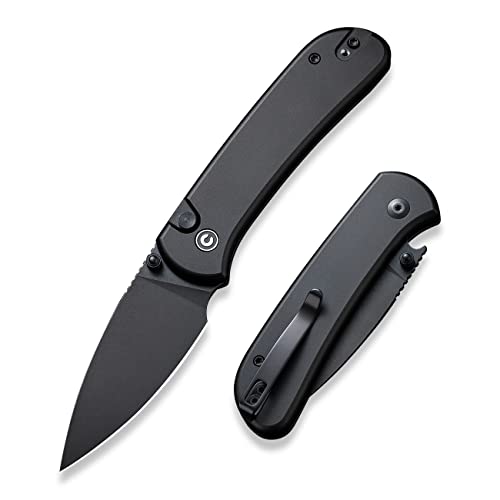
CIVIVI Qubit EDC Pocket Knife (Black)

Case Yellow Synthetic Trapper Pocket Knife
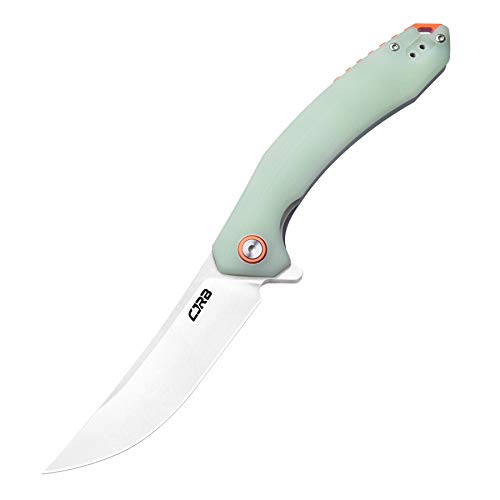
CJRB Gobi Folding Pocket Knife, G10 Handle

CJRB Doubletap Pocket Knife (Blue)

CJRB Pyrite-Light Folding Pocket Knife (Blue)
The Details Behind The Selections
The Rambler is the small Swiss Army knife most people reach for without thinking. It slips into a fifth pocket on jeans, rides flat in a coat pocket, and pulls out when you need to snip a tag, tighten a loose screw, or open a stubborn parcel. The 10-function layout includes a magnetic Phillips screwdriver (a genuinely useful twist, since loose eyeglass screws are a constant), a small blade, scissors, and the usual Victorinox suspects like a nail file and toothpick.
Compared to the Climber further down this list, the Rambler is lighter and less feature-heavy, which actually plays to its strength if you want a knife that simply feels invisible until called upon. For office workers, students, and anyone who wants one tool that does almost everything, the Rambler earns its reputation as a quiet, reliable daily companion.
Everyday Perks
- Magnetic Phillips screwdriver handles small electronics and eyeglass repairs that non-magnetic drivers struggle with
- Scissors cut cleanly through packaging tape without exposing the blade
- Slim profile keeps the knife from bulging in a front pants pocket
- Victorinox build quality means decades of daily use with just occasional cleaning
Things To Consider
- Smaller blade length limits heavier cutting tasks like breaking down cardboard
- Cellidor scales can scratch over years of pocket carry
Who It Suits Best
Office workers, students, and light travelers who want a discreet, low-weight multitool that disappears until needed.
Consider Something Else When
You need a corkscrew or a larger blade for trail meals; the Victorinox Swiss Army Climber Pocket Knife covers that use case better.
The Climber is the small folding knife that earned its name honestly. Where the Rambler is an office-friendly multitool, the Climber leans into the outdoorsy crowd with 14 functions in a frame that still disappears into a back pocket. You get a corkscrew (genuinely useful on a picnic blanket, less so at a desk), a multipurpose hook, large and small blades, a reamer for leather or cordage, and a wire stripper built into the cap lifter.
The tradeoff for that extra tool density is weight and a slightly thicker carry profile compared to the Classic SD. For campers, picnickers, and people who actually use the word “trail” in their weekend plans, that tradeoff is the entire point. Versus the CIVIVI Qubit further down the list, the Climber trades modern flipper styling for honest Swiss tool versatility, and most outdoorsy folks prefer the latter.
Where It Delivers
- 14 functions cover corkscrew, wire stripper, and reamer tasks the Rambler cannot
- Two blade sizes (large and small) handle both utility cuts and detail work
- Compact frame stays pocket-friendly despite the larger tool count
Worth Noting
- Heavier than the Rambler or Classic SD, which adds up on long hikes
- More moving parts mean more places to clean after dusty use
Made For
Campers, picnickers, and outdoorsy commuters who want one tool that handles rope, food prep, and bottle duties on a weekend trip.
Look Elsewhere When
You want a minimalist keychain knife; the Victorinox Swiss Army Classic SD Pocket Knife is the lighter, simpler option.
The Classic SD is the smallest real knife in the Victorinox lineup, and it lives on keychains across the world for good reason. It strips the Swiss Army concept down to its essentials: a small blade, scissors, a nail file with a screwdriver tip, a toothpick, and tweezers. No Phillips driver, no corkscrew, no extra bulk.
The honest read is that the Classic SD is not a working knife. It is a backup, a keychain companion, and a last-resort tool, and that is exactly why people keep buying it. Versus the Rambler reviewed earlier, the Classic SD trades outright function for a smaller carry that you genuinely forget you are carrying. For minimalist EDC fans, apartment dwellers, and anyone who wants a keychain tool that earns its real estate, this little knife still holds up.
Points In Its Favor
- Keychain-sized profile adds almost no bulk to your everyday carry
- Tweezers and toothpick tucked into the handle work well for small daily fixes
- Low price point makes it an easy gift or backup knife
Trade Offs
- Small blade limits it to light cutting tasks like opening envelopes or trimming thread
- Plastic scales feel less premium than the larger Rambler or Climber
Best Suited To
Minimalists, keychain EDC fans, and anyone who wants a slim backup tool that handles small daily fixes without weighing down a pocket.
Skip It When
You need a real working blade for outdoor or utility jobs; the CJRB Gobi Folding Pocket Knife offers a far more capable cutting edge in a similar carry class.
The Qubit is a different kind of small folding knife. Where the Victorinox models above lean on Swiss tradition, the Qubit brings modern EDC design language: a 2.98-inch 14C28N blade (a Swedish stainless steel known for corrosion resistance and easy sharpening), a button lock, a thumb stud opener, and a flipper tab. It also tucks a bottle opener into the handle, which makes it a friendly pick for backyard hangs and beach days.
Compared to the Case Trapper further down, the Qubit feels more like a fidget toy that also happens to cut well. For people upgrading from a Swiss Army knife to a “real” folder, this is a common first step, and the size stays compact enough for a jeans pocket. The 14C28N steel is a meaningful step up in edge retention over the Victorinox stainless, and that alone can justify the upgrade for daily users.
Bright Spots
- 14C28N blade steel holds a working edge longer than typical Swiss stainless
- Button lock and thumb stud give you two easy, one-handed opening methods
- Built-in bottle opener removes the need to carry a separate tool at cookouts
Honest Caveats
- Mechanical lock mechanism needs occasional cleaning if carried in dusty pockets
- Heavier and thicker than the Swiss options in this list
Key Specs
Right Fit For
EDC enthusiasts upgrading from a Swiss Army knife who want modern flipper action, better steel, and a bottle opener built in.
Another Choice May Suit
You prefer traditional slip-joint knives or want a personalizable gift; the Case Yellow Synthetic Trapper Pocket Knife fits that profile better.
The Trapper is a classic American pocket knife pattern, and Case has been making versions of it for generations. This one pairs a yellow synthetic handle with Case’s Tru-Sharp surgical stainless steel and two traditional slip-joint blades: a clip point and a spey. The spey blade, originally designed for castrating livestock, works well as a controlled-detail cutter for皮革, cordage, and everyday trimming tasks.
What separates this pick from the others in the list is the free engraving option, up to 15 characters laser-etched on the blade. That makes the Trapper a natural gift for graduations, retirements, groomsmen, and family hand-me-downs. The 4-1/8-inch closed length is larger than the Victorinox options, so it works best in a jacket pocket or a belt pouch rather than slim jeans. Compared to the CIVIVI Qubit, the Trapper trades modern lock strength and steel for tradition, heritage, and personal character.
The Practical Payoff
- Free blade engraving turns the knife into a personalized gift with no extra step
- Tru-Sharp stainless steel takes and holds a working edge well
- Classic Trapper pattern has a familiar feel for traditional pocket knife fans
Points To Keep In Mind
- Slip-joint design (no locking blade) limits hard cutting tasks
- Larger closed footprint than the Victorinox picks, which may feel bulky in slim pockets
Feature Snapshot
Perfect Match For
Traditionalists, gift-givers, and collectors who want a personalizable American-made pocket knife with a heritage pattern.
Reach For A Different Pick When
You want a smaller knife for jeans-pocket carry; the Victorinox Rambler reviewed earlier is a more compact everyday option.
The Gobi is a workhorse folder in a compact package. The 3.5-inch AR-RPM9 steel blade (an affordable powder metallurgy stainless known for corrosion resistance and edge retention) pairs with a textured G10 handle scale, a flipper tab for one-handed opening, and a liner lock that holds the blade open under normal cutting loads.
For people who actually use their pocket knife on real tasks, opening boxes, breaking down cardboard, slicing cordage, doing light campsite prep, the Gobi is more capable than the Swiss options and less expensive than premium American folders. The G10 handle (a layered fiberglass and resin material) gives a confident grip even with wet hands, which is a quiet but real upgrade over smooth plastic scales. Compared to the CJRB Doubletap reviewed next, the Gobi is the simpler, lighter choice with a more traditional lock.
The Good Stuff
- AR-RPM9 blade steel offers solid corrosion resistance for daily and outdoor use
- G10 handle holds grip in wet or greasy conditions
- Flipper opening and liner lock make one-handed use simple
Small Caveats
- 3.5-inch blade sits at the upper end of what some workplaces and jurisdictions allow
- G10 scales are tougher on pocket fabric than smooth plastic handles
Whose Shelf It Belongs On
DIYers, light outdoorsy folks, and anyone who wants a real cutting tool in a small folder without paying premium American prices.
Where A Sibling Pick Shines
You want a more modern crossbar-style lock and harder-use steel; the CJRB Doubletap Pocket Knife is the step-up option in the same brand family.
The Doubletap is the most capable cutter on this list. The 3.86-inch D2 blade (a tool steel known for high wear resistance, hardness around HRC 59-61, and excellent edge retention) sits behind an upgraded Recoil Lock V2, a crossbar-style mechanism with external fins and a ceramic ball-bearing pivot that smooths out the deployment. That lock geometry is typically found on more expensive folders, and seeing it on a compact EDC knife is a real draw for enthusiasts.
The tradeoff for that performance is responsibility. D2 is a semi-stainless steel that benefits from a light wipe-down after sweaty or wet carry to prevent surface oxidation. Versus the CJRB Gobi reviewed just before, the Doubletap upgrades steel, lock strength, and pivot smoothness in exchange for a slightly larger footprint and a more deliberate maintenance routine. For hard-use EDC fans who want a small folder that punches above its weight, the honest read is that this one earns a place on the shortlist.
Notable Upsides
- D2 blade steel offers edge retention typically seen on more expensive folders
- Recoil Lock V2 delivers crossbar-lock strength with smooth deployment
- Ceramic ball-bearing pivot keeps the action consistent over years of carry
Where It May Fall Short
- D2 steel needs light maintenance to prevent surface oxidation after wet or sweaty carry
- 3.86-inch blade may be too long for some workplace or city carry rules
Feature Snapshot
Who Should Grab It
Hard-use EDC fans, knife hobbyists, and anyone who wants crossbar-lock performance and D2 edge retention in a compact folder.
Swap It Out When
You want something easier to maintain or more pocket-friendly; the CJRB Gobi Folding Pocket Knife reviewed earlier is the simpler, lighter sibling.
The Pyrite-Light closes out the list as a versatile, friendly folder that does most daily tasks without asking much of you. The 3.34-inch AR-RPM9 blade lands between the compact CIVIVI Qubit and the longer CJRB Doubletap, making it a comfortable middle-ground carry for office-to-outdoors use. CJRB positions it as a hunting, camping, and everyday carry tool, and the reality is that it handles all three with reasonable competence.
You give up the D2 edge retention and Recoil Lock V2 of the Doubletap, and you give up the bottle-opener trick of the Qubit, but you get a knife that is light in the pocket, easy to maintain, and unfussy. For people who want one small folding knife that quietly does the job across a wide range of cutting tasks, the Pyrite-Light is a sensible place to land. Versus the Case Trapper reviewed earlier, the Pyrite-Light trades tradition for a modern locking folder with stronger cutting performance.
What It Does Well
- 3.34-inch blade strikes a comfortable middle between compact and full-size folders
- AR-RPM9 steel offers good corrosion resistance and easy field sharpening
- Lightweight enough for daily carry without pocket fatigue
A Few Limitations
- Does not include premium features like a crossbar lock or harder-use D2 steel
- Mid-range handle materials feel less premium than upgraded G10 or micarta options
Feature Rundown
Built With In Mind
Everyday carry shoppers, weekend campers, and hunters who want a versatile, lightweight folder that handles most cutting tasks.
Not Your Match When
You want maximum edge retention or a crossbar-style lock; the CJRB Doubletap Pocket Knife is the step-up hard-use option.
What Matters Most Before Choosing Small Folding Knives
Blade Steel And Edge Retention
The steel matters because it decides how long your knife stays sharp between touch-ups and how much babying you have to do. Swiss stainless (used on the Rambler, Climber, and Classic SD) prioritizes corrosion resistance and easy sharpening over edge life. Mid-tier stainless like 14C28N (CIVIVI Qubit) and AR-RPM9 (CJRB Gobi and Pyrite-Light) offers a meaningful step up in edge retention while staying friendly to a pocket stone. Harder-use steels like D2 (CJRB Doubletap) hold an edge longer but benefit from a quick wipe after wet or sweaty carry.
Lock Type And Safety
A slip-joint knife like the Case Trapper has no locking mechanism, which keeps the carry legal in more places and the feel traditional. A liner lock (CJRB Gobi) or button lock (CIVIVI Qubit) gives you one-handed closing and stronger lockup under heavier cutting. A crossbar-style lock like the Recoil Lock V2 on the CJRB Doubletap is the most robust option here, and it works equally well for right- and left-handed users. The right choice depends on how hard you push the knife and where you plan to carry it.
Size, Weight, And Pocket Profile
A keychain knife like the Victorinox Classic SD adds almost no weight, but its small blade limits real cutting tasks. Mid-size folders in the 3 to 3.5-inch blade range (CIVIVI Qubit, CJRB Gobi, CJRB Pyrite-Light) are the sweet spot for most EDC use. Anything longer than that, like the CJRB Doubletap at 3.86 inches, can run into local knife length rules and may print more visibly in a front pocket.
Purpose And Use Case
A multitool (Rambler, Climber) makes sense if you need scissors, screwdrivers, and a file alongside the blade. A modern folder (Qubit, Gobi, Doubletap, Pyrite-Light) is the right call if you mostly want a reliable cutter with modern deployment. A traditional slip-joint (Case Trapper) wins for heritage feel and gift personalization. Match the knife to the work, not to the spec sheet, and the rest sorts itself out.
Key Considerations Across These Picks
Pitfalls Shoppers Hit
The most common mistake is chasing the highest-end steel without thinking about how you’ll actually use the knife. A D2 blade that never gets touched is wasted money; a 14C28N blade that opens ten boxes a day is money well spent. Another trap is buying a folder that’s too long for the places you actually carry it, leading to a knife that lives in a drawer instead of a pocket. Finally, don’t skip the lock type, because a lock you don’t trust is a lock you won’t actually use, which is its own safety problem.
Where The Extra Money Goes
Higher-tier folders in this category tend to spend your money on three things: better blade steel (longer edge life, harder heat treatment), more refined lock mechanisms (smoother deployment, stronger lockup), and premium handle materials (G10, micarta, or titanium instead of plastic). For an EDC newcomer, the upgrade often shows up most clearly in lock quality and action smoothness, since those are the things you feel every time you open the knife. Hardcore users will appreciate the jump in steel and edge retention, and collectors will notice the handle materials and finish work. The right time to spend up is when you’ve used a budget folder long enough to know exactly which feature you’d want improved.
Frequently Asked Questions
Are small folding knives legal to carry?
Laws vary by country, state, and city, and the most common restrictions involve blade length, opening mechanism, and intent. Check your local rules before carrying any folder in a public place, and consider a non-locking slip-joint or a keychain-size knife for the most universally friendly options.
How often should I sharpen a small folding knife?
Light daily use on a modern stainless blade typically needs a touch-up every few weeks to a month, while a D2 or premium steel folder can go longer between sharpenings. Touch it up on a pocket stone when it starts to feel like it is dragging instead of slicing, rather than waiting until it is fully dull.
What’s the difference between a slip-joint and a locking folder?
A slip-joint uses a spring to hold the blade open or closed without mechanically locking it, which keeps the knife legal in more jurisdictions and feels traditional. A locking folder uses a liner lock, button lock, or crossbar lock to physically hold the blade open, which gives you more confidence under heavier cutting loads.
Can I carry a small folding knife on a plane?
No. Folding knives are not allowed in carry-on luggage by TSA rules, and even a keychain Swiss Army knife will be confiscated at the security checkpoint. Pack any knife in checked luggage or leave it at home when you fly.
How do I clean and maintain a folding knife?
Wipe the blade dry after any wet or sweaty carry, occasionally drop a tiny bit of lubricant on the pivot, and tighten any screws that work loose over time. For pocket tools with multiple implements, like the Victorinox Rambler and Climber, rinse under warm water and let everything dry fully before folding to prevent gunk buildup between the tools.




