


Cutting vinyl siding cleanly is the difference between a tight, professional-looking run and a wall full of cracked edges and rough seams. The right snips glide through PVC panels, trim, soffit pieces, and aluminum-wrapped corners without chewing the material or leaving a halo of stress fractures. Most homeowners reach for whatever tin snips are in the toolbox, then wonder why the cut edges crumble or the blades bind. This shortlist focuses on tools that actually behave on siding, not just sheet metal, so your next exterior project goes faster and looks sharper.
How The Shortlist Stacks Up

HURRICANE Bulldog Aviation Tin Snips 9.5″ Straight Cut

DeWalt DWHT14675 ERGO Straight Cut Aviation Snip
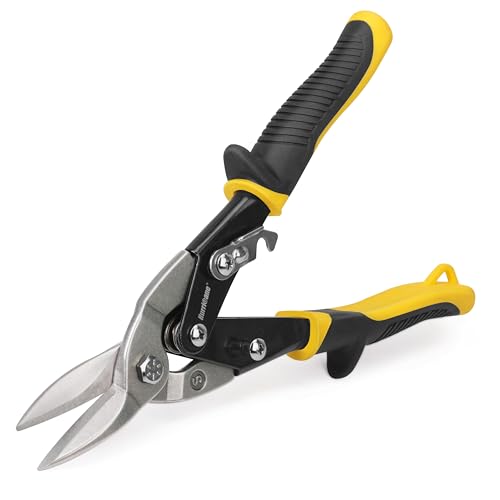
HURRICANE 10″ Aviation Tin Snips Straight Cut
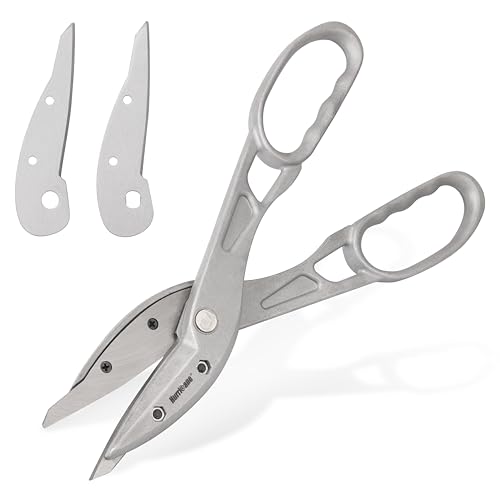
HURRICANE 12″ Aluminum Tin Snips Replaceable Blades

10″ Heavy Duty Aviation Tin Snips Chrome Vanadium

13″ Laminate/Vinyl Plank Cutter 15/30/45 Angles
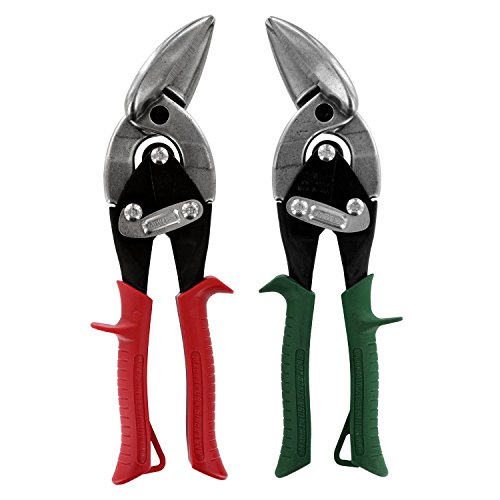
Midwest MWT-6510C Offset Aviation Snips (Pack of 2)
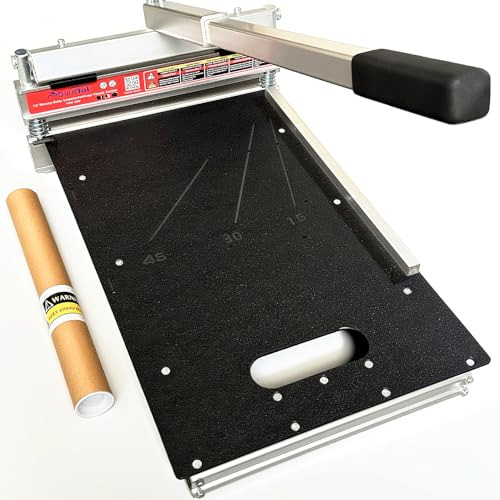
13″ Laminate/Vinyl Plank Cutter with Spare Blade
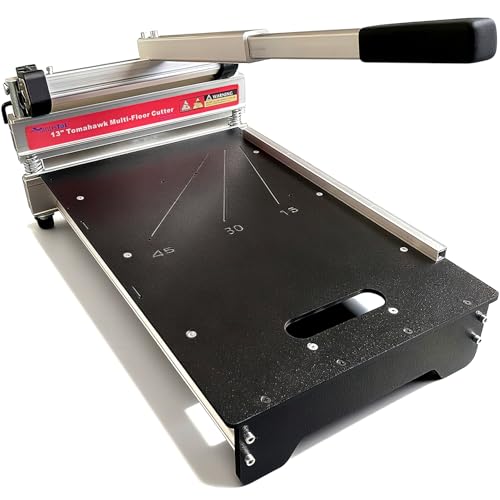
17mm Pro Laminate & Vinyl Floor Cutter 13″
The Details Behind The Selections
The Bulldog profile on these HURRICANE snips is the whole point. A compact, stubby nose concentrates force at the very tip, which is exactly what you want when trimming J-channels, notching around hose bibs, or sneaking short straight cuts into a panel already tacked to the wall. Most full-size aviation snips waste stroke length in tight pockets; this one doesn’t.
For most homeowners patching a corner of vinyl after a storm, that focused tip is more useful than a longer blade. You trade some cutting reach for surgical control. Compared to the 10-inch HURRICANE in this roundup, the Bulldog feels like a scalpel where the larger model is a utility knife.
What Makes Sense
- Short, stubby nose reaches into corners where full-size snips cannot fit
- Concentrated leverage at the tips helps punch through vinyl seams without cracking the panel face
- Straight-cut geometry suits the long rip lines you run on most siding runs
- Compact length stores easily in a nail apron or kitchen-drawer toolbox
Points To Keep In Mind
- Smaller handles mean more hand pressure per cut on thicker trim coil
- Limited stroke length makes long, full-panel rips slower than the 10-inch and 12-inch options below
- Owners commonly keep a backup pair for curves since the straight-cut jaw fights you on tight radii
Key Specs
Who Will Love This
DIYers doing patch repairs, partial re-siding, or soffit work who need control more than reach will appreciate the Bulldog’s compact profile.
Where Another Pick Suits Better
For long, full-wall rip cuts on a complete re-side, the HURRICANE 12″ Aluminum Tin Snips will save you strokes and hand fatigue.
DeWalt’s ERGO handle design trims the span between the grips, which sounds minor until you cut a full row of vinyl in cold weather. Less spread means less stretch on the hand, which means you can keep going after the third course of siding. The improved external latch is also easier to flip one-handed when you’re holding a panel with the other.
For weekend remodelers tackling an entire wall, that ergonomic difference shows up as a faster job and a more comfortable grip at the end of the day. Against the HURRICANE models, the DeWalt feels noticeably lighter in the hand, even though it has similar blade geometry.
Features That Help
- Reduced handle span lowers the muscle effort per cut
- Improved external latch can be operated one-handed between cuts
- Straight-cut jaw handles long rip lines and gentle curves on vinyl panels
Trade Offs
- You may find the smaller handles less comfortable on gloved winter jobs
- Straight-cut only, so curves on gable ends will still need a left or right pair
Right Fit For
Homeowners with arthritis, smaller hands, or anyone planning a multi-hour siding session will value the reduced-grip ERGO design most.
Skip It When
Reach for the HURRICANE 12″ Aluminum Tin Snips if you want more leverage and don’t mind a wider handle opening.
This 10-inch HURRICANE is the workhorse option when you want snips that feel familiar and don’t overthink the job. The chrome-vanadium (Cr-V is shorthand for that steel alloy, which holds an edge well at this price) blades pair with a Tyregrip handle that stays planted in a sweaty palm, and the cut rating covers typical residential vinyl siding without bogging down.
For most backyards, this is the model that gets the nod. The straight-cut jaw is the most common pattern, and the 10-inch length bridges reach and control better than the 9.5-inch Bulldog. It won’t replace a specialty pair for tight radius work, but for ninety percent of siding cuts, you reach for this.
Standout Benefits
- Cr-V steel blades resist dulling on vinyl-coated aluminum trim
- Non-slip Tyregrip handle stays secure with gloves on
- 10-inch length balances reach for long rips and control for trim cuts
- Cleanly slices thin vinyl panels, soffit stock, and aluminum fascia coils
Worth Noting
- Straight-cut only, so plan on a separate left or right pair for any curves
- Lighter blade construction can flex slightly on thicker 0.040 aluminum coil
- Handle spring is firm out of the box, which some find stiff until broken in
Best Suited To
First-time DIYers replacing a damaged section of siding or trimming new windows who want a reliable, no-fuss straight cutter.
Reach For A Different Pick When
Choose the Midwest MWT-6510C set if you need both left and right cuts in one purchase for curved or detail work.
Most tin snips punish you with weight by the time you finish a wall. HURRICANE solves that by building the handles and body out of aluminum rather than forged steel, which shaves ounces off every stroke. Over a long siding day, that matters. The replaceable blade is the other quiet win, since it lets you swap in a fresh edge instead of retiring the whole tool.
For most homeowners working solo on a single-story wall, the 12-inch length makes long rip cuts feel almost effortless. The trade-off is that aluminum isn’t as tough as forged steel if you drop the snips on a hard surface, so treat the tool with a little more care than a heavier iron-bodied pair.
Useful Touches
- Aluminum body cuts fatigue during long, full-wall siding projects
- Replaceable blade extends tool life and reduces long-term cost
- Large handles fit gloved winter work comfortably
- Sharp high-carbon steel edge handles vinyl siding, copper, and aluminum cleanly
Some Limits To Know
- Aluminum body can dent if the snips take a fall onto concrete
- Larger size can feel clumsy inside tight window-trim pockets
- Replacement blades are an extra purchase when the time comes
Feature Snapshot
Made For
Solo remodelers re-siding an entire elevation who want the lightest possible full-size straight cutter on the market.
Swap It Out When
Pick the HURRICANE 9.5″ Bulldog instead for confined trim work around window jambs and light fixtures.
When your day mixes vinyl siding with thicker flashing, hardware cloth, or galvanized trim coil, an ordinary pair of snips stalls out. This 10-inch tool from vomex uses chrome-vanadium steel throughout, with serrated edges that grip slick metal so the cut starts cleanly instead of skating across the surface.
For mixed-material weeks, that versatility earns its place. Most users will only lean on the heavy-duty rating occasionally, but it’s reassuring to know the snips won’t quit when a piece of 18-gauge galvanized flashing ends up on the workbench. The catch is that serrated edges can leave a slightly rougher cut face on thin vinyl.
Points In Its Favor
- Chrome-vanadium steel holds an edge through tough mixed-material jobs
- Cuts up to 18-gauge cold-rolled steel for flashing and trim coil
- Serrated blades grip slick metal so cuts start on the line
- 10-inch length covers most vinyl rip and cross-cut needs
Where It May Fall Short
- Serrated edges can leave a rougher cut on thin vinyl than a smooth blade
- Heavier than the HURRICANE aluminum pair, so fatigue adds up on long jobs
Whose Shelf It Belongs On
Contractors and serious DIYers who bounce between vinyl siding, HVAC ducts, and sheet metal all season long.
Not Your Match When
For pure siding work where cut quality matters more than cut capacity, the HURRICANE 10″ Straight Cut is the better fit.
A guillotine-style plank cutter is a different tool category from snips, but it earns a spot on a vinyl siding list because it handles wide planks and rigid boards without generating sawdust. MANTISTOL’s 13-inch model sets 15, 30, and 45 degree angles with a fixed fence, so each cut comes out square without measuring, marking, and rechecking.
For installers working through stacks of wide siding or trim boards, the time savings are real. You’re trading portability for repeatability, since the cutter lives on the workbench rather than riding in a belt. The honest read is that this is overkill for a single repair, but a quiet workhorse for a full re-side.
Positive Takeaways
- Fixed-angle fence delivers consistent 15, 30, and 45 degree cuts without measuring
- Steel and aluminum construction stands up to repeated daily use
- Tungsten blade slices cleanly through vinyl plank and rigid siding without dust or noise
- One-step operation speeds up large jobs with many identical cuts
Potential Drawbacks
- Stationary design is awkward on a ladder or in tight corners
- Setup is a real commitment; you won’t reach for this on a one-cut job
- Whetstone maintenance is required to keep the blade performing at its best
Perfect Match For
Remodelers running a stack of identical plank cuts who value clean edges and consistent angles over mobility.
A Better Fit Elsewhere
The HURRICANE Bulldog 9.5″ is the smarter grab when most of your cuts happen on a ladder or in an awkward wall pocket.
Midwest has built its reputation in HVAC and roofing shops, and the MWT-6510C set shows why. The two-piece offset set ships both a left-cut and a right-cut pair, so you can curve around arch-top windows, bay corners, and round penetrations without switching tools. The hot drop-forged molybdenum blades (a high-strength steel alloy used in cutting tools) keep their edge through heavy use.
For most first-time DIYers, buying two snips feels like overkill. The right homeowner is a remodeler who already knows the frustration of fighting a straight cutter through a tight radius. The pinch-thru-point tip also means you can finish cuts all the way to the end of a stroke instead of leaving a small uncut tab.
The Upside
- Two-piece set covers both left and right curves in one purchase
- Drop-forged molybdenum steel resists dulling under heavy use
- Pinch-thru-point tip completes cuts to the very end of the blade
Small Caveats
- Offset handle takes some getting used to after using straight-handled snips
- Premium build means a higher entry price than single straight-cut options
The Right Fit
Tradespeople and advanced DIYers who regularly cut curves in vinyl, sheet metal, or aluminum coil stock.
Look Elsewhere When
Reach for the HURRICANE 10″ Straight Cut if your project is mostly long, straight rip lines with only an occasional curve.
This MANTISTOL cutter is the same 13-inch guillotine design as the earlier plank cutter in this roundup, but it ships with a replacement blade and a 600-grit hone stone. That small bundle doubles the practical life of the tool, since you can swap in a fresh edge when the original finally dulls instead of retiring the whole cutter.
For most remodelers running a full re-side, the spare blade alone justifies the small step up in price. Between the two MANTISTOL models here, this one is the better long-haul value, while the earlier picker wins if you only need a single season of use.
What Works In Its Favor
- Replacement blade extends the tool’s working life by a full second cycle
- Hone stone included for keeping the edge sharp between projects
- Steel and aluminum frame handles vinyl plank, laminate, and fiber-cement siding
- 15, 30, and 45 degree fence angles cover standard installation cuts
Things To Consider
- Stationary design limits use to a flat work surface
- Bundled blade is a hedge against future wear, not an immediate upgrade
Feature Card
Best Suited To
High-volume installers who want a bench cutter that will last through multiple full siding or flooring projects.
Consider Something Else When
Choose the MANTISTOL 17mm Pro Cutter for thicker engineered planks and more demanding material tolerances.
The 17mm Pro sits at the top of the MANTISTOL lineup, and the 17mm capacity is the headline. Most 13-inch cutters top out around 12 to 13mm, so this one chews through the thicker engineered planks and rigid vinyl siding profiles that stall lighter tools. Aircraft-grade aluminum keeps the weight reasonable despite the beefier frame.
For most weekend warriors, this is more cutter than the project requires. Pro flooring installers who routinely see 12mm-plus planks and rigid core products will appreciate that headroom. The honest trade-off is that 17mm of capacity costs more in dollars and bench space than 13mm of capacity.
Everyday Wins
- 17mm cutting depth handles thick engineered planks and rigid vinyl
- Aircraft-grade aluminum frame balances strength with manageable weight
- Full 13-inch width covers standard plank and siding dimensions
- Single-step angle cuts match the speed of a miter saw without dust
What To Weigh
- Capacity is more than most residential vinyl siding actually requires
- Stationary footprint is the largest in this roundup
Built With In Mind
Professional flooring and siding installers who regularly work with rigid core planks above 12mm thick.
A Better Fit Elsewhere
For thinner residential vinyl siding, the HURRICANE 12″ Aluminum Tin Snips will feel lighter and more nimble for everyday work.
Choosing Snips For Vinyl Siding Without Overbuying
The first decision is whether you need snips at all. Handheld aviation snips handle the curved and notched cuts around windows, fixtures, and trim. A bench-style plank cutter earns its place only when you’re running a stack of identical straight cuts on wide boards. Mixing both types on a single job is normal, so don’t expect one tool to cover every situation.
For handheld snips, match the jaw to the cut. Straight cuts are the most common and the easiest to control. Left-cut and right-cut pairs are specialized for curves and odd angles, and they only become essential if your project includes arch-top windows, bay corners, or round penetrations. The blade length matters more than people expect. A 9.5-inch Bulldog wins in tight pockets, while a 12-inch straight cutter wins on long rip lines.
Handle ergonomics separate tools you forget about from tools that hurt by lunch. Reduced-span grips like the DeWalt ERGO help smaller hands and longer sessions. Aluminum bodies trade some toughness for less weight, which adds up over a full wall. Drop-forged steel is the toughest, but it punishes you with fatigue on long days.
The guillotine cutters earn their slot through speed and consistency. A 13mm model covers most residential siding, while a 17mm model covers thicker engineered planks. Fixed-angle fences remove the measuring step on repeat cuts, which is where the real time savings hide.
Key Considerations Across These Picks
Common Buying Slip Ups
Assuming any aviation snip will cut vinyl is the first trap. Blades tuned for sheet metal can grab and crack PVC, especially in cold weather. Choose a snip with a cut rating that includes vinyl or thin-gauge aluminum, and respect the gauge limits printed on the packaging.
The second slip is buying a single pair and expecting to curve-cut with it. A straight-cut snip fights you on every radius. Plan ahead for at least one dedicated left or right pair if your project has curves, or add the Midwest two-piece set to cover both directions.
What The Higher Tier Buys
Premium snips and cutters earn their price through blade longevity, comfort, and capacity. Drop-forged molybdenum or chrome-vanadium steel holds an edge far longer than stamped blades. Replaceable cutting edges and ergonomic handle design show up in the higher price tier and pay back over years of repeat use. For thin residential vinyl, mid-tier picks handle the work fine. For thick rigid planks and daily professional use, the upgraded tiers earn their keep.
Frequently Asked Questions
Can aviation snips cut vinyl siding without cracking it?
Yes, when the snips are sharp and rated for thin-gauge material. Vinyl is softer than metal, so a clean, sharp blade actually slices through it with less risk of fracture than dull tooling. Working in temperatures above 50 degrees Fahrenheit keeps the PVC flexible and reduces chipping.
What’s the difference between straight, left, and right cut snips?
The color coding and jaw angle determine which way the material curls as you cut. Straight snips make flat rip and cross-cuts. Left and right snips let the offcut curl away to one side, which matters when you’re cutting circles or curves without distorting the piece you’re keeping.
How do I keep my snips from dulling quickly?
Avoid cutting materials harder than the blade’s rating, including masonry nails, hardened wire, and thick steel. Wipe the blades after each project and store the snips dry. A light coat of tool oil on the pivot extends service life. Replaceable-blade cutters, like the 12-inch HURRICANE aluminum model, let you swap in a fresh edge when the original finally dulls.
Are plank cutters better than snips for vinyl siding?
Different tools, different jobs. Plank cutters are bench tools that excel at clean, repeatable straight cuts on wide boards. Snips are handheld tools that excel at curves, notches, and any cut made on a ladder. Most siding jobs benefit from having both, but a single pair of snips is enough for occasional patch repairs.
What blade length should I look for in snips for siding?
Most homeowners are well served by a 10-inch straight snip as a primary tool, with a shorter 9.5-inch pair for tight pockets. A 12-inch pair adds reach and leverage for long rip lines, while shorter blades give better control in tight trim work. The right mix depends on whether you spend more time on long walls or detailed corners.




