


A heavy snowfall on Sunday night is the great equalizer. The right tool decides whether you spend twenty minutes clearing the driveway before coffee or spend the whole morning chipping at compacted ice with a flimsy plastic blade. Pushing snow (rather than lifting it) is the smartest approach for most home driveways, and the gear below covers everything from compact pushers to long-handle roof rakes, with a couple of ergonomic helpers tucked in along the way.
The Lineup, Simplified
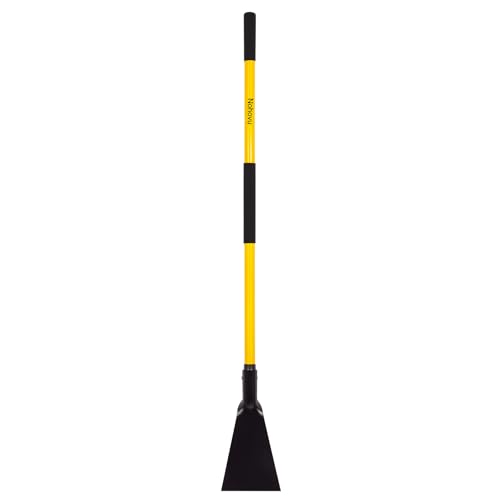
Nohovu Snow Shovel for Driveway Ice Removal, 56 Inches

TABOR TOOLS J218A Snow Scoop Shovel, 15 Inch Poly Blade

WIKER Aluminum Snow Shovel for Driveway, 45-Inch Blade

KOLEIYA Aluminum Snow Shovel, 45-Inch Metal Scoop

Ergonomic Back Saving Tool Handle Attachment for Long Tools
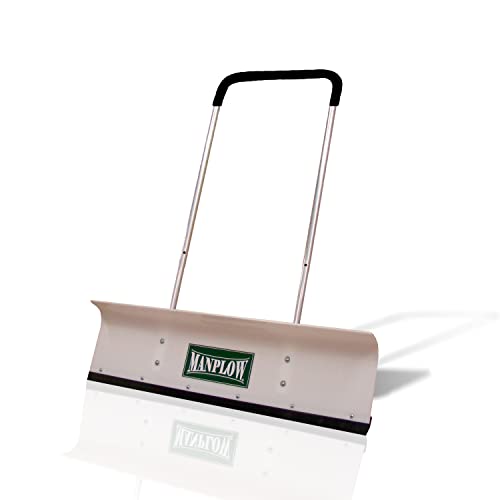
PRO42 PRO Snow Pusher, 42″

The Snow Dominator Snow Pusher & Scoop Combo

The Snowplow the Original Snow Pusher 30″ Wide Model

True Temper Telescoping Snow Roof Rake, 17-Foot
More Details On Our Top Picks
The Nohovu leans into ice-chopping duty more than fluffy-snow duty, which makes it a different animal from the wide pushers elsewhere in this roundup. A high-carbon steel blade brings real hardness to the working edge, so it bites into compacted drifts the plows leave behind instead of skating over them.
The 56-inch fiberglass handle keeps your stance upright through long sessions, and the rubberized grip stays planted even when the air turns damp. For homeowners who deal with refrozen slush along the apron of the garage, this is the kind of tool that earns its keep the third or fourth storm of the season.
The Good Stuff
- High-carbon steel edge cuts into packed ice where poly blades glide over it
- Fiberglass shaft stands up to cold without the splinter risk of bare wood
- Long handle geometry reduces the hunching that ends a long session with a sore lower back
- Non-slip grip holds firm when you are working in sub-freezing conditions with gloves on
Things To Consider
- Narrower than a true pusher, so you make more passes on fresh powder days
- Steel blade needs a quick wipe-down after each use to prevent surface oxidation
Built With In Mind
Homeowners who battle refrozen plow ridges and need a chopping tool as much as a clearing tool.
Reach For A Different Pick When
The True Temper Telescoping Snow Roof Rake is a better match when the problem is snow sliding off a low-pitched roof rather than snow piled on a driveway apron.
Short-handle tools get overlooked, and the TABOR TOOLS J218A is a reminder of why they belong in the conversation. At 26 inches end to end, it lives in a hallway closet, fits behind a car seat, and works for stoops and walkways where a four-foot shaft feels clumsy.
The poly blade keeps weight down, and the ribbed pattern on the back of the scoop adds rigidity without tipping the scale. For a quick post-storm sweep of the front steps or the sidewalk square outside a townhouse, this is the kind of grab-and-go tool you actually use instead of leaving in the garage.
Why It Works Well
- Stows in tight spaces where a full-length shovel never fits
- Lightweight poly scoop keeps arm fatigue low on quick cleanups
- Ergonomic D-grip leaves room for a thick winter glove
Points To Note
- Short handle means more bending on full driveway jobs
- 15-inch blade is too narrow to clear a two-car driveway efficiently
- Poly construction is gentler than steel but will not chop hard ice
Right Fit For
Apartment dwellers and townhouse owners who mostly clear a few steps and a short sidewalk strip after each storm.
Where Another Pick Suits Better
The KOLEIYA Aluminum Snow Shovel with its 19-inch scoop is the smarter match for suburban driveways where the TABOR TOOLS J218A would mean dozens of extra passes.
The WIKER trades some of the steel-chomping aggression of the Nohovu for a much friendlier weight. At roughly 3.5 pounds, the whole tool feels closer to a household broom than a piece of winter equipment, and the fiberglass D-grip is a thoughtful touch for users who want a secure hold without the bulk.
Aluminum handles freeze differently than steel, so you are not fighting a cold-soaked metal shaft at 6 a.m. The trade-off shows up when you hit a frozen chunk: aluminum dents where steel shrugs it off. For light to moderate snow on smooth pavement, though, the WIKER is an easy recommendation for anyone who has ever set a heavier shovel down after two passes.
Practical Pluses
- Sub-four-pound total weight keeps arms and shoulders fresh through long clearing sessions
- Aluminum scoop will not rust if you forget it on the porch for a week
- Fiberglass D-grip is comfortable for users with smaller hands or arthritis
Less Ideal Details
- Thinner aluminum edge can deform against buried ice chunks or gravel pushed up by the plow
- Not the best choice for sheer ice that needs real chopping force
Who It Suits Best
Older adults and anyone who wants a forgiving, low-effort shovel for typical suburban snowfall.
Look Elsewhere When
The Nohovu Snow Shovel is the right call when the driveway is full of refrozen plow ridges and you need real bite at the working edge.
Where the WIKER is a sensible middle-of-the-pack tool, the KOLEIYA pushes the same aluminum formula toward a more ambitious scoop. The 19-inch by 14-inch blade moves noticeably more snow per pass, and on a long two-car driveway that translates to finishing the job before your coffee gets cold.
The fiberglass handle keeps the whole package under four pounds, which is the part that surprises people used to oversized metal scoops. The honest read is that this is a fresh-powder specialist: when the snow is light and deep, the capacity is a real gift. When the snow is wet and heavy, the wider blade means more weight per pass, and that is where the lightweight construction reveals its limits.
Everyday Perks
- Oversized aluminum scoop cuts the number of passes on a standard driveway
- Lightweight build makes the larger blade feel less punishing than expected
- Fiberglass D-handle keeps your wrist in a neutral position through long sessions
Practical Considerations
- Wider scoop catches more wind resistance and feels bulky in tight spaces between cars
- Aluminum is sturdier than plastic but still no match for steel against hard ice
Quick Facts
Who Will Love This
Suburban homeowners with long driveways who want fewer passes without dragging around a heavy steel monster.
Skip It When
The PRO42 PRO Snow Pusher is a smarter match for very wide driveways where a true push-and-slide design beats scooping altogether.
This one is not a shovel at all, and that is the point. The JiahaoTOLS handle attachment clamps onto the shaft of most round long-handle tools and gives you a second grip point partway up the handle. The result is a more upright posture during the work and a noticeable change in how your back feels the next morning.
It is the kind of accessory that makes more sense once you have spent a winter in the chiropractor’s waiting room. If you already own a perfectly good shovel but dread the bending that comes with using it, this is a fraction of the cost of replacing the whole tool.
The Helpful Details
- Adds a mid-shaft grip that lets you push and pull without hunching forward
- Adjustable position accommodates different user heights and tool lengths
- Universal round-shaft fit works on rakes, hoes, and brooms, not just shovels
Points To Keep In Mind
- Not a shovel itself, so it only helps if you already own a compatible tool
- Requires occasional re-tightening to keep the second grip from slipping under load
Made For
Anyone with back or shoulder sensitivity who already has a serviceable shovel and wants to extend its usable years.
A Better Fit Elsewhere
The KOLEIYA Aluminum Snow Shovel is a stronger pick for households that would rather start with a single, purpose-built tool than retrofit an existing one.
The PRO42 takes a different approach to the same problem. Instead of scooping and lifting, you push snow ahead of a 42-inch HDPE (high-density polyethylene) blade until you reach a clear edge. It is a tool designed for people who measure their driveways in car lengths, not square feet.
The 13-inch blade height lets you push real volume without losing control, and the replaceable EZ Glide edge is the kind of detail you only appreciate after a few seasons. At roughly 10 pounds it is the heaviest tool on this list, but you trade lifting effort for sliding efficiency.
Real-World Strengths
- Wide 42-inch blade clears a typical walkway in three or four passes
- HDPE construction glides across concrete without gouging the surface
- Replaceable wear edge extends the working life of the tool significantly
Trade-Offs
- Ten pounds of tool gets heavy during long sessions, especially on uneven ground
- Less effective on gravel driveways where the blade digs in instead of sliding
- Storage footprint is larger than a traditional scoop-style shovel
Feature Card
Best Suited To
Homeowners with long paved driveways or anyone maintaining a sizable walkway on a regular basis.
Where A Sibling Pick Shines
The Snowplow the Original Snow Pusher 30″ Wide Model is a smarter pick on delicate surfaces like pavers or rubber roof membranes.
The Snow Dominator blurs the line between pusher and scoop, which is genuinely useful on surfaces where you need to do both jobs in a single sweep. The polycarbonate head is the headline feature: it clears snow without the kind of surface scuffing a metal edge can leave behind on a wood deck or composite boards.
The reinforced fiberglass handle and bolted connection add confidence to the design. The ice chipper wear edge on the leading face lets you break up thin ice patches without reaching for a separate tool, which is a small thing that adds up over a season.
Standout Benefits
- Polycarbonate head is gentle on wood decking, composite boards, and pavers
- Combo design handles both push and scoop motions in one tool
- Built-in ice chipper edge saves a trip to the garage for a second tool
- Bolted head-to-handle connection resists loosening over time
A Few Limitations
- Heads and handles in this style can develop wobble at the connection after years of heavy use
- Not as wide as dedicated pushers like the PRO42
Who Should Grab It
Homeowners with paver patios, wood decks, or any surface that does not play well with a metal edge.
Swap It Out When
The PRO42 PRO Snow Pusher is a smarter choice for very long paved driveways where width matters more than surface gentleness.
The Original Snow Pusher is the tool that put a category on the map, and the 30-inch model is the sweet spot for most home users. UHMW polyethylene (an ultra-tough, slick plastic that resists wear and stays flexible in extreme cold) is the same material used in industrial applications, and it is the reason snow slides off instead of clinging to the blade.
The patented TUFFBRACE connection is the kind of detail that separates a serious tool from a disposable one. There is no lifting involved. You push snow off the edge of the surface, which is a genuine back-saver over the course of a winter.
The Upside
- UHMW blade is non-stick and does not scratch delicate surfaces
- Patented handle-brace system keeps the connection tight under hard pushing
- Self-sharpening edge stays effective without manual maintenance
- No lifting means noticeably less strain through long clearing sessions
Things To Weigh
- Premium construction comes at a higher entry cost than basic pushers
- 30-inch width is a step down from wider models for very long driveways
Feature Snapshot
Made For
Property owners with mixed surfaces, including pavers, composite decks, or even a low-slope roof that needs clearing once a season.
Consider Something Else When
The True Temper Telescoping Snow Roof Rake is the better fit for two-story homes where you need reach rather than a wide push on a flat surface.
Roof rakes earn their place in the conversation for homeowners in heavy-snow regions, where a foot of accumulation on a low-slope roof can stress rafters or trigger ice dams at the eaves. The True Temper telescopes to 17 feet, which is enough reach to handle most single-story rooflines while keeping your feet planted on the ground.
Lightweight aluminum keeps the long tool from becoming a balance challenge, and the oval handle reduces deflection (the tendency of a long shaft to flex or twist under load) when you are pulling wet snow toward you. For most users, it lives in the garage for two or three days each winter, and that is exactly the right amount.
Key Advantages
- 17-foot reach handles single-story rooflines without a ladder
- Aluminum construction keeps the long tool manageable in use
- Oval handle resists twisting under load compared to round shafts
Some Limits To Know
- Reaching the peak of a two-story home requires working at full extension, which can tire the arms
- Not designed for ground-level snow, so it complements rather than replaces a driveway tool
Quick Technical Notes
Whose Shelf It Belongs On
Homeowners in heavy-snow regions who need to prevent ice dams and roof load on a single-story home.
Not Your Match When
The Original Snow Pusher 30″ is a better match for the more common job of clearing a paved driveway or walkway on a flat surface.
Choosing The Right Tool for Your Winter Routine
Match the blade to the surface
Different surfaces punish different materials. Concrete and asphalt can handle a steel edge and even benefit from the chopping action. Composite decking, pavers, and rubber roofing need a polymer or UHMW blade that glides without scratching. Picking the wrong pairing shortens the life of both the tool and the surface.
Think about how you actually work
Pushing beats lifting for almost every homeowner. Lifting a heavy scoop wears out the lower back, and most driveway snow does not need to be moved very far. Wide-blade pushers like the PRO42 or the Original Snow Pusher are easier on the body for typical suburban jobs, while a true scoop-style shovel still earns its place when the snow has nowhere to be pushed off to.
Size the handle to the user
A 56-inch shaft is comfortable for most adults in an upright stance. Shorter users, or anyone working from a seated position, often do better with a 45-inch or even 26-inch handle, where the trade-off is more bending but better control. The ergonomic handle attachment earlier in this list is a smart middle ground for households that want to retrofit an existing tool.
Consider weight and material honestly
Aluminum and poly blades are lighter and resist corrosion, which matters if the tool lives in an unheated garage. Steel and fiberglass handles are heavier but handle real abuse. For most home use, a 3.5 to 4 pound tool hits the sweet spot between effort and durability.
Key Considerations Across These Picks
Pitfalls Shoppers Hit
The most common buying mistake is matching the wrong tool to the surface. A cheap metal-edge shovel on a composite deck leaves gouges that never come out, while a polymer pusher on a frozen plow ridge wastes a Saturday. Measure your spaces and pick the tool that suits the dominant surface, not the most common advertising claim.
Where The Extra Money Goes
Higher-tier pushers like the Original Snow Pusher earn their keep through better materials, patented connection systems, and replaceable wear edges. The upgrade is worth it for households that clear snow weekly, where a flimsy tool fails in the second season and ends up in a landfill. For a single storm a year, a basic aluminum scoop is the more honest purchase.
Frequently Asked Questions
What is the best type of snow shovel for a paved driveway?
A wide pusher with a UHMW or HDPE blade is usually the best fit for paved driveways, because the polymer glides across the surface without scratching and the wide footprint means fewer passes end to end. For very long or steep driveways, a true pusher-style tool beats a traditional scoop because you push rather than lift.
How wide should a snow shovel blade be?
A 30 to 42 inch blade is a comfortable range for most home driveways. Anything narrower means more passes for every snowfall, while anything much wider gets hard to control when the snow gets wet and heavy. Match the width to the narrowest section of your path, not the widest.
Are metal or plastic snow shovels better?
Each has its place. Steel and aluminum blades chop ice and resist wear, but they can scratch delicate surfaces. Poly blades (HDPE, polycarbonate, UHMW) glide across wood decking, pavers, and composite surfaces without damage, and they shed snow more easily. Pick the material that matches the surface you clear most often.
How do you store a snow shovel so it lasts?
Wipe the blade dry before storage, especially on metal tools, and store the shovel off the ground in a dry garage or shed. Hanging storage keeps the blade from warping and the handle from developing a set over time. For telescoping tools, collapse the shaft fully before putting it away.
Is a roof rake worth it if I only get a few storms a year?
A roof rake is worth it in regions where a single heavy storm can drop a foot or more of wet snow on a low-slope roof, because that load stresses rafters and feeds ice dams at the eaves. In areas with light, dry snow, a roof rake is rarely necessary and the budget is better spent on a good driveway tool.




