


A precise tip and steady heat separate a clean joint from a lifted pad, and most home projects never need a full bench-top rig. Hobbyists repairing a drone board, tinkerers swapping a guitar pickup, and learners following their first through-hole kit all live in the same comfort zone: lightweight, accurate, and quick to set up. This roundup focuses on compact soldering tools that handle small-gauge components, from straightforward pencil irons to cordless pens built for on-the-go fixes. Each option below earns its spot for a specific kind of work, so you can match the tool to the task instead of paying for capacity you won’t use.
A Fast Comparison Of The Options
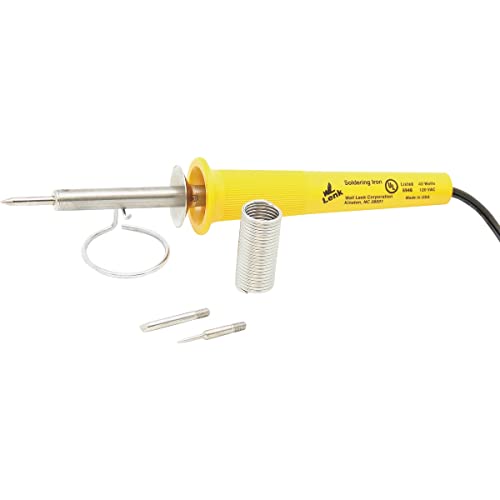
Wall Lenk L40K 40 Watt Soldering Kit

Larlarsa 650mAh USB-C Cordless Soldering Pen

WEP 982 II Precision Soldering Station Kit

Larlarsa 1400mAh OLED Cordless Soldering Kit

Pinecil Smart Mini Portable Soldering Iron

WEP 982-V Micro Soldering Kit

WEP 982-I Precision Soldering Iron Station
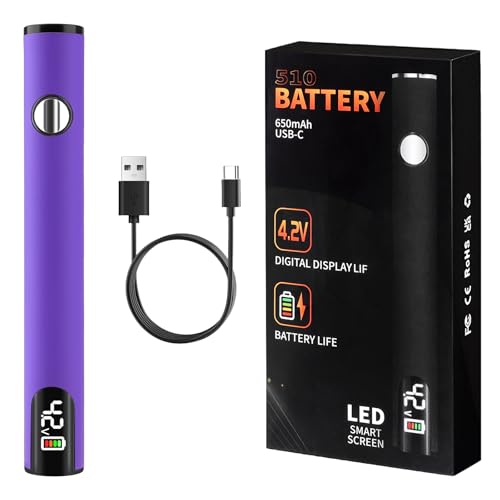
BDJHMP 510 Thread Battery Soldering Pen
More On The Choices That Made The List
The Wall Lenk L40K keeps things refreshingly simple, and that is exactly why it earns the opening slot. Plug it in, wait a couple of minutes, and you have a steady 40-watt pencil iron (a pencil iron is the basic, pen-shaped handheld style) ready for a loose wire, a broken headphone lead, or a through-hole component swap. The polycarbonate handle and stainless steel shaft stand up to the kind of small drops a kitchen-table repair tends to produce.
Compared to the cordless pens further down this list, the L40K has no battery to manage and no screen to read. It just heats. For a first-time user fixing a kitchen appliance or restringing a garden light, that stripped-down approach is a feature, not a flaw.
What Makes Sense
- 40-watt power output handles household wiring and small board repairs without fuss.
- Polycarbonate handle resists the occasional bench drop that beginners tend to deliver.
- Stainless steel shaft keeps the tip stable across long sessions.
- Mica-insulated nichrome element (a thin mineral layer wrapped around the resistance wire) holds heat efficiently.
Honest Caveats
- No temperature control, so delicate SMD work (surface-mount devices, the tiny components soldered directly to a board’s surface) can run hot.
- The 2-wire 120 VAC cord is ungrounded, which you may find limiting in a busy workshop.
Right Fit For
Newcomers handling household electronics, basic appliance repairs, and small lawn-and-garden wiring jobs benefit most from this straightforward design.
Swap It Out When
Anyone who needs precise heat on a smartphone motherboard will find the Larlarsa 1400mAh OLED Cordless Soldering Kit a more forgiving tool for the same kind of fine-pitch joints.
Cordless soldering has quietly become a real option for small electronics, and the Larlarsa 650mAh pen is a clean entry point. The 510-thread tip mount (a standardized screw-on connection used in vaping hardware that has been adopted by some soldering pens) means tips from the wider ecosystem slot right in, and the integrated LED screen takes the guesswork out of choosing between 330, 390, and 450 degrees Celsius.
USB-C charging in roughly an hour is convenient for a laptop bag. You trade the Wall Lenk’s plug-and-forget nature for genuine portability, and around 30 minutes of runtime covers most repair sessions on a single board.
Notable Upsides
- Industry-standard 510 threading opens the door to widely available replacement tips.
- Three voltage settings cover delicate PCB (printed circuit board, the green or phenolic board holding your components) work through heavier lead joints.
- USB-C fast charging recharges the 650mAh cell in about 60 minutes.
- Compact pen form slips into a tool drawer without dominating the space.
Points To Keep In Mind
- Thirty minutes of cordless runtime drops fast during heavier joints.
- The 510 ecosystem borrows from vaping hardware, so tip quality varies more than with proprietary mounts.
Made For
Field technicians and hobbyists who fix devices away from a wall outlet, or anyone working in cramped enclosures where a cord keeps snagging.
Look Elsewhere When
If longer cordless sessions matter more than portability, the Larlarsa 1400mAh OLED Cordless Soldering Kit pairs a brighter screen with a much bigger battery.
The WEP 982 II is the first station on the list built with microscope work in mind. Slip-on C245-style cartridge tips (cartridge tips combine the heating element and the tip in one replaceable unit, giving faster swaps and better thermal contact) sit close to the work, so your line of sight stays clear, and a built-in metallic groove lets you hot-swap tips without waiting for a cooldown.
For smartphone boards, drones, and densely packed laptop components, that visibility gain alone changes the experience. Four memory channels let you assign common temperatures to buttons, and integrated cleaning tools keep the tip tinned (tinned means coated with a thin layer of molten solder to prevent oxidation) between joints.
Well-Handled Touches
- C245 cartridge system is widely supported, so replacement tips cost less over time.
- Four memory channels save real seconds when switching between, say, a USB port and a fine QFN chip (a quad flat no-leads IC package with pads underneath).
- Hot-swap groove trims minutes from multi-tip jobs.
- Lead-free solder wire included, so the kit is complete out of the box.
Things To Consider
- Station footprint takes up more desk space than a bare pencil iron.
- The learning curve is real for users moving up from a basic plug-in iron.
Quick Facts
Best Suited To
Repair techs and serious hobbyists who already work under magnification and want station-level temperature stability on micro components.
A Better Fit Elsewhere
Beginners practicing on through-hole kits will find the Wall Lenk L40K 40 Watt Soldering Kit less intimidating and easier to store between sessions.
The bigger sibling to the 650mAh Larlarsa pen doubles down on the parts that matter for longer repair sessions. The 1400mAh cell is paired with USB-C PD fast charging (PD stands for Power Delivery, a higher-wattage USB-C charging standard), so a compatible laptop or power bank tops it up quickly, and the OLED screen replaces the simpler LED readout with a sharper, easier-to-glance display.
Real-time temperature calibration keeps the tip honest as the battery drains, which is the kind of detail you only appreciate after burning a pad. It ships with three tips, a solder sucker, and a heat-resistant stand, so the kit feels complete rather than piecemeal.
What Pays Off
- 1400mAh battery roughly doubles the runtime of smaller cordless pens.
- OLED display switches between Celsius and Fahrenheit without menu diving.
- Ceramic heating core recovers heat quickly between joints.
- Bundled solder sucker and lead-free wire remove the hunt for basic consumables.
A Few Limitations
- More weight in the hand than a stripped-down pencil iron.
- Premium price tag compared to entry-level cordless options.
Who Should Grab It
Makers running classroom demos, mobile repair benches, and longer PCB rework sessions benefit from the larger battery and richer kit.
Where Another Pick Suits Better
Anyone who already owns a WEP 982 II Precision Soldering Station Kit and only needs a secondary field tool will be better served by the cheaper Larlarsa 650mAh USB-C Cordless Soldering Pen.
The Pinecil leans into its open-source roots without making the user feel like a beta tester. At roughly 88 grams and 17 centimeters long, it disappears into a laptop sleeve, and the 32-bit RISC-V chip inside pushes it to operating temperature in about 12 seconds from a USB-C power source.
Tip temperature adjusts in plain buttons from 100 to 400 degrees Celsius, with the current setting shown on the built-in OLED display. The auto-standby feature (a mode where the iron drops to a lower temperature when not in use, then quickly recovers when picked up) is the kind of practical safety touch that makes a shared bench less stressful.
The Value In It
- Sub-90-gram body makes it a real pocket tool, not a desk hog.
- Twelve-second heat-up cuts the wait time that frustrates quick fixes.
- USB-C input accepts a laptop, a power bank, or a compliant wall charger.
- Auto standby reduces tip wear and saves the work surface from scorch marks.
Practical Considerations
- Some features depend on community firmware (the open-source software that controls the iron’s behavior), which may not suit every skill level.
- Power-hungry mode requires a 65-watt USB-C source to reach the upper temperature range.
Feature Snapshot
Whose Shelf It Belongs On
Engineers, students, and traveling makers who want a featherweight iron they can charge from the same brick as a laptop benefit most.
Not Your Match When
Users who need station-grade temperature memory will find the WEP 982-I Precision Soldering Iron Station a more buttoned-down bench tool.
The 982-V keeps the station experience in a footprint that does not bully a small desk. At roughly 6.3 by 3.1 by 3.15 inches, the chassis slides into a shared workbench without forcing the user to rearrange everything around it. Five C245 tips ship in the box, which covers a reasonable spread from fine-point to small chisel work.
Sleep mode and automatic shutdown protect the tip and the workbench during interruptions, while the LCD readout keeps temperature setting transparent. The integrated tip-cleaning slot removes a separate accessory from the bench clutter.
What Stands Out
- Five-tip starter kit removes early tip-shopping for new station owners.
- Sleep mode and auto-shutdown extend tip life during long pauses.
- LCD display gives plain temperature feedback in a quick glance.
- Onboard tip-cleaning slot trims the bench footprint.
Trade Offs
- Smaller chassis can feel cramped when stacking accessories next to it.
- C245 tip ecosystem costs a bit more per replacement than older WEP mounts.
The Right Fit
Apartment dwellers and shared-space hobbyists who want station-level control without dedicating half a desk to it.
Skip It When
Users doing heavier through-hole work may prefer the wider temperature range of the WEP 982-I Precision Soldering Iron Station.
The 982-I stretches its temperature range from about 90 to 450 degrees Celsius, which covers everything from heat-sensitive plastic enclosures to lead-free joints that demand more thermal headroom. C210-compatible tips (a smaller cartridge format than C245, ideal for finer pitch work) keep the iron slim at the business end, helping the user see exactly where the tip meets the pad.
Preset temperature channels, calibration, and a clear Celsius-Fahrenheit toggle round out a station that feels tuned for repeatable work. The automatic shutdown is a small detail that pays for itself the first time the iron is left on over lunch.
Useful Touches
- Wide 90 to 450 degree Celsius range handles leaded, lead-free, and plastic-safe jobs.
- C210 tip format keeps the tip slim for fine-pitch soldering.
- Calibration function offsets tip-to-tip temperature variation.
- Sleep mode plus automatic shutdown protect the tip during long pauses.
Worth Noting
- C210 tips cost more than older WEP mounts in some markets.
- Cartridge-style tips require gentle handling, since the heater lives inside the tip itself.
Technical Highlights
Perfect Match For
Workshop regulars and repair techs moving between through-hole, fine SMD, and mixed boards in the same session.
Consider Something Else When
Strict micro-soldering under a microscope may call for the C245-equipped WEP 982 II Precision Soldering Station Kit, which is built for that exact line of work.
The BDJHMP pen borrows the 510-threaded mount from the vaping world, which sounds odd until you realize how many aftermarket tips that ecosystem offers. Three voltage settings reach up to about 450 degrees Celsius in roughly 15 seconds from a cold start, and the ceramic heating core recovers quickly between joints.
USB-C fast charging paired with a 650mAh cell gets a full top-up in around 40 minutes. The auto-sleep and thermal-overload protection are the kinds of safety touches that matter when a tool lives in a shared drawer with other gear.
A Strong Showing
- 510-thread mount unlocks a large aftermarket of tips and accessories.
- Ceramic heating core reaches operating temperature in about 15 seconds.
- 40-minute full recharge via USB-C is fast for a 650mAh cell.
- Auto-sleep and thermal-overload protection extend the device’s service life.
Soft Spots
- No bit ships in the box, so budget for at least one compatible tip.
- Three fixed settings lack the fine-grained control of a station.
Who Will Love This
Tinkerers who already swap 510 tips between projects and craft users who like a single platform for multiple heat tools will appreciate the shared ecosystem.
Another Choice May Suit
Anyone needing a tighter temperature range with calibration support should look at the Larlarsa 1400mAh OLED Cordless Soldering Kit instead.
Picking The Right Station, Pen, Or Pencil Iron
A soldering iron is mostly heat delivery plus control. For small electronics, that balance matters more than raw wattage, because the pads you are working with are tiny and easy to overheat. Pencil irons in the 30 to 60 watt range are enough for most through-hole boards, wire joins, and basic kits, while temperature-controlled stations and cartridge-tip systems step in once you start moving SMD components or working under magnification.
Wattage tells you how fast the tip can recover heat when it touches a joint, not how hot the iron gets. A 40-watt iron with no temperature control will eventually reach a temperature that damages small components, while a 60-watt station with a calibrated readout stays gentle on the same pad. Cordless pens trade a small amount of sustained power for the freedom to work in a car, a server closet, or a class. That is a real advantage when a project moves, and a real compromise during long bench sessions.
Tip Format And Compatibility
Cartridge-style tips (C210, C245, and similar) combine the heating element and the tip in one replaceable unit. They heat fast, sit close to the work, and swap without a cooldown, but replacements cost more per piece. Older WEP-style mounts and basic pencil tips stay cheap, though they cool slowly between swaps. The 510-thread ecosystem borrows from vaping hardware and offers a wide variety of aftermarket tips, but the quality of those tips varies more than with proprietary mounts.
Heat-Up Time And Recovery
Fast heat-up is a quality-of-life feature, not a safety one. An iron that reaches working temperature in under 20 seconds makes a quick fix feel less like a chore, while strong thermal recovery (the speed at which the tip returns to its set temperature after touching a cold joint) keeps joints consistent when you are moving quickly through a board. Cordless pens tend to slow down as their battery drains, which is why calibration and real-time temperature readouts are worth seeking out.
Comfort, Safety, And Bench Footprint
Slim handles, low weight, and sleep or auto-shutdown modes reduce fatigue and protect the work surface during interruptions. Stations with integrated tip-cleaning slots and solder storage keep the bench tidy, and a smaller chassis helps when the workspace is shared with a laptop, a microscope, or another project. The honest read is that a slightly heavier tool with better ergonomics usually beats a lighter one that fights your hand.
What To Weigh Before You Buy
Common Shopping Slip Ups
Treating wattage as a proxy for quality leads to irons that run too hot for small boards, while ignoring tip compatibility leaves you hunting for odd-shaped replacements later. A related mistake is assuming every cordless pen works the same; battery capacity, tip ecosystem, and display type vary enough to change how the tool feels in a real session. Lastly, skipping sleep and auto-shutdown features is a false saving, since tip replacement adds up fast on a tool that runs at full heat between every joint.
Where The Extra Money Goes
Spending more on a station buys temperature stability, calibration, and a tip ecosystem that lasts through hundreds of joints. The upgrade is most visible on dense boards, where a stable temperature prevents lifted pads and cold joints (a cold joint is a dull, brittle solder connection made when the solder didn’t fully melt and bond with the pad). For basic through-hole work and household repairs, the upgrade matters less, and a simple pencil iron often delivers the same end result with less bench clutter.
Frequently Asked Questions
What wattage do I need for small electronics?
Most small electronics work comfortably between 30 and 60 watts. Higher wattage helps the tip recover heat faster, but you also want temperature control to avoid cooking delicate components.
Are cordless soldering pens good enough for PCB repair?
Modern cordless pens handle most PCB repair, especially short sessions on through-hole and small SMD components. For marathon jobs or microscope work, a corded station with stable heat is more forgiving.
What is a cartridge tip, and why does it matter?
A cartridge tip combines the heating element and the tip in one replaceable unit. This design heats faster, recovers temperature quickly, and swaps without a cooldown, which speeds up multi-tip jobs.
Can one iron cover both through-hole and SMD work?
Yes, with a temperature-controlled station and a small selection of tips. The same iron can move from a large through-hole joint to a fine SMD pad by changing the tip and dialing in a new temperature.
How do I keep a soldering tip from wearing out?
Keep the tip tinned with a thin coat of solder during and after every session, avoid running the iron at high temperatures when idle, and clean the tip on brass wool or a damp sponge rather than aggressive abrasives.




