


Spray adhesives live in that middle ground between tape and glue, and finding the right formula can save hours of pinning, clamping, or re-stitching. This roundup focuses on real shop and studio scenarios, from basting quilt layers to keeping a first layer glued down on a 60°C bed. Six picks cover the main jobs: temporary fabric hold, industrial cyanoacrylate (a fast-curing “super glue” family) bonding, sensitive-skin barriers, gentle residue removal, and heated-bed 3D printing. The goal is to match the chemistry to the substrate, not to chase a one-can-does-all fantasy.
A Side-By-Side Look

Odif USA 505 Spray & Fix Temporary Fabric Adhesive 3-Pack

Odif USA 505 Spray and Fix Temporary Fabric Adhesive 14.7 Oz

Magic Chems CA Glue with Activator, 2 Pack

Ostmekt Medical Adhesive Dropper for Ostomy and Prosthetics
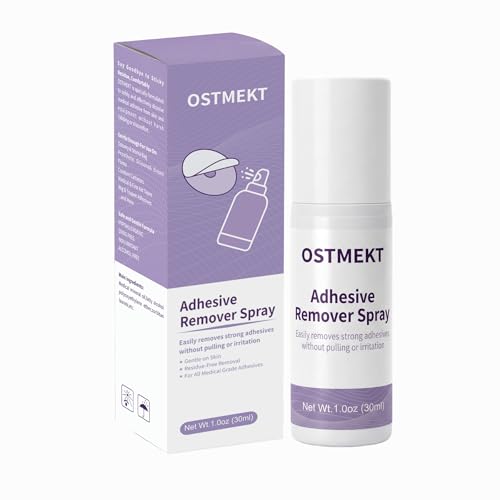
Ostmekt Medical Adhesive Remover Spray, No-Sting

3DLAC 3D Printing Bed Adhesive Spray 400 ml (2-Pack)
The Picks, Examined More Closely
Three cans of the same dependable basting spray, packaged for a sewing room that always seems to run out mid-project. The 505 formula has been a studio staple for years because it disappears into the work without stiffening the fabric or leaving a halo around dark prints. You spray the back of a quilt top, drop it onto the batting, and the layers stay put under the walking foot without a forest of pins.
For anyone running machine embroidery, applique, or large quilt sandwiches, the multi-pack format means you stop rationing. Most home sewists find a single can lasts through several throws; heavy studio use goes through them faster. A short test pass on a scrap tells you how light to lay the coat, and overspray cleans up with a damp cloth before it sets.
Positive Takeaways
- Repositionable bond lets you shift fabric before the needle commits
- Odorless and colorless in the can, so the room stays pleasant during long sessions
- Will not gum sewing needles, which matters when the spray drifts onto your machine plate
- Three-can value suits people who finish as many tops as they start
- Plays well with cotton, batik, and most stable knit backings
Things To Consider
- Aerosol cans dislike temperature swings, so storage in a hot garage shortens shelf life
- Coverage depends on a steady hand; very light passes can let layers drift on a longarm frame
Who It Suits Best
Mid-volume quilters and home embroidery hobbyists who want a reliable temporary hold without re-ordering every other month.
Consider Something Else When
Industrial shops running 14-hour embroidery queues will get more mileage from the larger Odif USA 505 Spray and Fix Temporary Fabric Adhesive 14.7 Oz can.
The big brother of the 3-pack, sized for a busy embroidery corner or a small production studio where downtime costs money. The 14.7 oz can covers dozens of full-back basting jobs before needing replacement, which is helpful when your work queue is measured in bed sheets and quilt tops rather than pillow covers. Same chemistry as the smaller cans, just more of it.
It shines for holding fabric to stabilizers during machine embroidery and hemming, where shifting mid-stitch is the difference between a clean letter and a tangled bird’s nest. The acid-free formula keeps vintage or heirloom textiles safe for repeated use. The trade-off is that one large can feels wasteful in a household sewing corner that only runs a project a month.
What Earns Its Place
- Generous fill means fewer interruptions during long production runs
- Repositionable hold keeps layered fabric workable for the full pass of a quilt sandwich
- Acid-free, so the formula is gentler on delicate or vintage textiles
- CFC-free propellant aligns with ventilated studio environments
Trade Offs
- Larger can is awkward for small lap projects and easy to over-apply
- Once opened, the shelf clock starts; users with light monthly use may not finish it before the propellant fades
Right Fit For
Independent embroidery operators and serious quilters who burn through basting spray in weeks, not months.
Not Your Match When
Casual home sewists who only tackle a few small projects a year will do better with the multi-pack format of the Odif USA 505 Spray & Fix Temporary Fabric Adhesive 3-Pack.
Spray adhesives usually mean aerosol mist, but this product is a two-part cyanoacrylate system: a liquid glue on one side, an accelerator spray on the other, sold in a 2-pack configuration. You wet one surface, mist the other, and the bond sets almost the moment they touch. That speed is the whole reason woodworkers, pen turners, and 3D-printed-parts hobbyists reach for it instead of slow epoxies.
It’s overkill for paper and cardboard, and the manufacturer flags that it should not be used on nonstick or polyethylene (a slippery plastic common in food containers and some plumbing) surfaces. The available set sizes range from a 6.7 fl oz medium up to a 16.9 fl oz extra-large bottle, so the kit scales with how often you reach for instant bonds. In a busy repair shop, the time saved per joint adds up fast.
A Few Strong Suits
- Two-part accelerator system cures in seconds, ideal for fixturing parts without long clamps
- Multiple set sizes let you match the kit to a hobby bench or a small production line
- Bonds porous and semi-porous workshop materials reliably
Worth Noting
- Not suitable for polyethylene or nonstick surfaces, so the list of usable substrates is narrower than a general-purpose adhesive
- Overspray from the accelerator can frost nearby finishes if you work in a shared space
- Fumes call for decent ventilation, especially in a closed basement shop
Feature Snapshot
Made For
Workshop hobbyists and small-shop pros who need clamp-free bonds on wood, hard plastics, or 3D-printed parts.
A Better Fit Elsewhere
Quilters and sewists will get nothing useful from the formula and should default to the Odif USA 505 Spray & Fix Temporary Fabric Adhesive 3-Pack instead.
A dropper-format skin barrier designed for situations where tape alone doesn’t hold: ostomy bags, prosthetic edges, and wig perimeters. The hypoallergenic (formulated to minimize allergic skin reactions) formula creates a breathable layer between skin and appliance, and the waterproof hold is built to survive a workout, a shower, or a long shift without a mid-day reseal. For people who depend on their appliance staying put, that matters more than any other spec.
Application differs from a typical spray can: a few drops go on the skin or appliance edge, and you wait for tack before pressing the device in place. That waiting step is worth respecting; rushing it is the most common reason a barrier underperforms. Sensitive-skin wearers in particular should patch-test on a small area first, since even hypoallergenic formulas can react on freshly shaved or irritated skin.
The Helpful Details
- Dropper delivery keeps the formula off fabrics and surfaces you don’t want stained
- Waterproof hold supports active routines, including swimming and gym sessions
- Hypoallergenic profile suits daily-wear users with reactive skin
- Works across ostomy, prosthetic, and wig-perimeter applications, so one bottle covers more than one device
Points To Keep In Mind
- Requires a short tack time before the appliance is pressed into place, which slows quick changes
- Patch-testing on sensitive or freshly shaved skin is worth doing before a full application
Best Suited To
Daily ostomy and prosthetic wearers who want a reliable skin barrier without committing to a clinic-only product.
Look Elsewhere When
If you also need a gentle way to remove the residue at the end of the day, the Ostmekt Medical Adhesive Remover Spray, No-Sting covers that side of the routine.
The other half of the daily routine that the dropper starts. This remover is alcohol-free and fragrance-free, so it dissolves tape, surgical adhesive, and pouch residue without the sharp sting most solvent sprays leave behind. For tender peristomal skin (the area of skin directly surrounding a stoma), that difference can be the reason a change goes smoothly or ends in irritation.
The texture is gentle, but the formula is still a working solvent, so it lifts the bond in seconds rather than peeling painfully. Pairing this with the Ostmekt dropper creates a full apply-and-remove cycle from the same brand, which simplifies stocking. Users with very frequent changes sometimes find a single bottle disappears faster than expected, so it’s worth keeping a backup on hand.
Useful Highlights
- Alcohol-free formula avoids the sting of traditional medical solvents
- Free from latex and harsh fragrances, lowering the trigger list for reactive skin
- Dissolves tape and adhesive residue quickly, so daily changes take less time
- Pairs cleanly with the Ostmekt dropper for a one-brand routine
Honest Caveats
- High-frequency users go through a bottle quickly, so a backup supply is sensible
- Solvent residue should be wiped away before the next skin barrier is applied, adding a step
Perfect Match For
Anyone doing daily ostomy, mastectomy, or surgical-tape changes who wants to skip the sting of traditional removers.
Skip It When
Shoppers whose primary need is holding an appliance in place should start with the Ostmekt Medical Adhesive Dropper for Ostomy and Prosthetics first.
3D printing’s first-layer problem, where the print lifts off the bed mid-job, is what this lacquer is engineered to solve. The 400 ml aerosol is a direct alternative to Kapton tape, blue painter’s tape, and slurry adhesives, and it works on glass, PEI (a durable polyetherimide sheet prized for its smooth release), BuildTak, and Kapton surfaces alike. For a heated-bed printer, that flexibility is the whole pitch.
The bond is firm while the bed is hot, then releases the part cleanly once the plate cools, which spares the print surface from the scuffs that tape leaves behind. Compatibility runs across PLA, ABS, PETG, HIPS, TPU, and carbon-fiber blends, so one can covers most home-printer filaments. Overspray onto the printer frame is the most common mess, and a sheet of paper as a masking shield keeps the nozzle area clean.
Notable Upsides
- Firm hold during the print, clean release once the bed cools, sparing the print surface
- Replaces consumable tape, so reapplication is just a quick respray between jobs
- Compatible with PLA, ABS, PETG, HIPS, TPU, and carbon-fiber filaments
- Two-pack format keeps a busy hobbyist stocked through multiple projects
Room For Improvement
- Buildup can develop over many coats, occasionally needing an isopropyl wipe-down between sessions
- Storage matters: a can left in a cold garage may struggle to spray evenly until it warms up
Feature Rundown
Who Should Grab It
Hobbyist and prosumer 3D printer operators who want a cleaner alternative to constantly replacing bed tape.
Another Choice May Suit
Anyone focused on fabric work, skin adhesives, or instant wood bonds will be better served by one of the other picks on this list.
What To Match Before Picking a Spray Adhesive
The first question is the substrate, meaning the material the adhesive is meant to stick to. Fabric work calls for a temporary, repositionable mist that won’t gum needles or leave residue. Workshop bonds need a fast-cure system like the Magic Chems activator kit. Skin applications need formulas that are hypoallergenic, breathable, and designed for daily wear rather than general-purpose sticking. Mixing these chemistries is where most failed projects come from: a fabric spray on a 3D print bed or a CA glue on skin ends in frustration, not bonding.
Ventilation is the next practical check. Aerosol propellants, accelerator sprays, and solvent removers all behave better with a window cracked or an extraction fan running. Even the “odorless” fabric sprays carry propellant, so a small studio benefits from cross-flow air. Working over a drop cloth saves the workbench from the sticky halos that overspray leaves behind.
Compatibility with the surface itself is the third filter. Some sprays list specific bed materials (glass, PEI, Kapton); medical formulas list approved skin-contact uses; fabric sprays describe needle behavior. Reading that section before buying tends to save a return trip. Finally, consider the volume curve. A multi-pack fabric spray or a 2-pack 3D lacquer suits someone who finishes what they start. A single large can is a better match for steady weekly output than a once-a-quarter project.
Picking Apart the Differences That Matter
Where Shoppers Go Wrong
The most common mistake is buying a single formula and expecting it to cover every job. Fabric sprays and 3D-bed lacquers look similar in the can, but the chemistry behind them has nothing in common, and the wrong one either gums up the needle or warps the print bed. A second slip is skipping the patch test on skin-contact products, even when the label says hypoallergenic; reactive skin has its own rules, and a small test prevents a wide irritation.
When Paying More Pays Off
Higher-tier picks in the spray adhesive world usually mean a more stable propellant system, a more consistent atomizer (the internal nozzle that turns liquid into a fine mist), or a friendlier skin profile. The Odif 14.7 oz can costs more per ounce than the 3-pack option in some configurations, but the larger fill suits production studios that would otherwise burn through smaller cans. For medical use, the upgrade to an alcohol-free remover is a quality-of-life improvement that pays back every single day in less sting and faster changes.
Frequently Asked Questions
What is the difference between a temporary fabric adhesive and a permanent spray adhesive?
Temporary fabric sprays are designed to hold layers in place during sewing, quilting, or embroidery, then release cleanly afterward without residue. Permanent sprays form a lasting bond and are not suited to projects where the pieces will be separated later.
Are medical adhesive sprays safe for sensitive skin?
Formulas labeled hypoallergenic and free of alcohol, latex, and fragrance are designed with reactive skin in mind. A small patch test is still wise before full application, especially on freshly shaved or irritated areas.
Can I use a 3D printing bed spray on glass print surfaces?
Yes, products like 3DLAC are formulated to work on glass, PEI, BuildTak, and Kapton surfaces. The bed should be clean and at the recommended print temperature for the chosen filament.
How long does a spray adhesive last once applied?
Temporary fabric sprays hold for the duration of the sewing or quilting session, typically hours. Skin-contact medical adhesives are designed for multi-hour wear, while workshop CA glues with activator set in seconds and cure to full strength within minutes.
Do these sprays require special ventilation?
Any aerosol product benefits from decent airflow. Fabric sprays are often low-odor but still carry propellant, accelerator sprays release more volatile fumes, and medical removers work best in a room with open windows or an extraction fan nearby.




