


Insulation work rewards tools that keep up. Batt, rigid foam, and reflective rolls each behave differently on the wall, and the wrong fastener leaves you with gaps, blowouts, or staples that pull loose a season later. The right stapler or hog ring gun, though, drives clean and keeps moving.
The list below mixes pneumatic hog ring guns for fastening wire mesh and cage work, hammer tackers for underlayment and housewrap, a cordless crown stapler for trim and felt, and manual tacker picks for small insulation repairs. Every item was chosen for compatibility, ergonomics, and fit for insulation-related fastening in real workshops and job sites.
A Fast Comparison Of The Options

meite SC760S-I2 Pneumatic Hog Ring Gun 16 Gauge 1/2″ Crown

meite SC7C Pneumatic Hog Ring Gun 15 Gauge 3/4″ Crown

Stinger CH38A Autofeed Cap Hammer Tacker 2pk

Milwaukee 2447-20 M12 3/8″ Crown Stapler

meite SC7C-I2 Pneumatic Hog Ring Gun 15 Gauge 3/4″ Crown
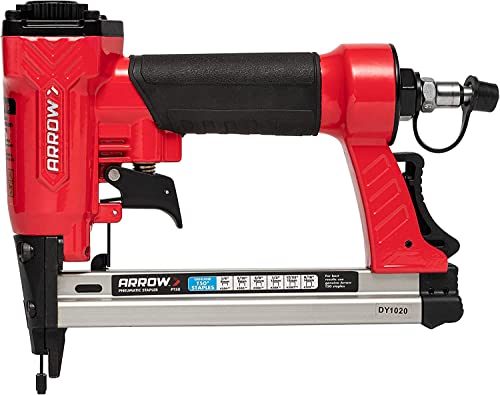
Arrow PT50 Oil-Free Pneumatic Staple Gun (Red)

DEWALT Carbon Fiber 2-in-1 Tacker (DWHT80276)

Stinger CH38-2 Cap Hammer Tacker with Two StaplePacs
What Each Pick Brings To The Table
Insulation jobs in tight framing cavities call for a tool that disappears in your hand. The meite SC760S-I2 is built around a short magazine that holds 100 rings, dropping weight over the nose so the gun sits neutral in the palm. Its 16 gauge 1/2″ inner crown rings close to 2.6 to 3.6 mm, which lands in the sweet spot for fastening soft mesh, pet cage wire, and flexible insulation facings without crushing them.
For upholstery and bag-closing work, the short profile lets you pivot around chair frames without the magazine snagging on fabric. Pneumatic power means each ring sets cleanly in a single pull, and the magazine loads from the side for fast changeovers. You will want a small air compressor on hand, since this is an air tool, not a battery gun.
A Few Strong Suits
- Short magazine keeps the nose light for overhead and detail work around framing cavities.
- 16 gauge 1/2″ inner crown rings close to 2.6 to 3.6 mm, fitting soft insulation facings without tearing them.
- Side-loading magazine speeds up reloads during continuous production runs.
- Pneumatic drive gives one-pull consistency, which matters when you are driving hundreds of rings in a session.
Honest Caveats
- Requires an air compressor with sufficient CFM, so it is less convenient on remote job sites without power.
- 100-ring magazine means more frequent refills than longer-magazine options like the meite SC7C.
Made For
Workshop hobbyists and pros doing upholstery, pet cage assembly, and small insulation-facing repairs where a compact, balanced gun reduces wrist fatigue.
Look Elsewhere When
The meite SC7C suits you better when you need a higher-capacity magazine for long wire-cage fastening sessions.
Stepping up to thicker mesh and heavier assemblies changes the math. The meite SC7C handles 15 gauge 3/4″ inner crown rings that close to 5.5 to 6.0 mm, which means it bites into spring wire, welded mesh, and reinforced insulation backing without skating off. Its 150-ring magazine lets you work longer between refills, useful when you are doing full mattress or seat production runs.
Air-driven and built for repeated use, the SC7C rewards a steady hand and a regulated compressor. The trade-off versus the SC760S-I2 above is added nose weight from the longer magazine, so it feels less nimble in tight upholstery corners. Where it wins is throughput on heavier wire fastening.
The Value In It
- 15 gauge 3/4″ inner crown rings close 5.5 to 6.0 mm, securing thicker wire and mesh that smaller rings would pop loose.
- 150-ring magazine cuts reloads, lifting productivity on production-scale fastening jobs.
- Pneumatic drive delivers repeatable set depth, important for consistent wire tension across mattress panels.
Points To Keep In Mind
- Heavier nose from the longer magazine can feel front-loaded during overhead work.
- Air tool means you need hose, regulator, and compressor at the job site, adding setup time.
- Overkill for soft insulation facings where the lighter SC760S-I2 already does the job.
Right Fit For
Production workers and serious DIYers fastening welded mesh, seat assemblies, and heavier wire-cage builds where 5.5 to 6.0 mm closure strength matters.
Reach For A Different Pick When
The meite SC760S-I2 fits better for tight upholstery corners and lighter insulation facings that do not need 15 gauge strength.
Roofing underlayment and housewrap call for a tool that feels closer to a hammer than a finicky stapler. The Stinger CH38A uses a gravity-fed magazine to pair each 1″ plastic cap with a 3/8″ staple and drive them in a single swing, with no trigger to manage. That triggerless design is genuinely useful when you are working one-handed on a sloped roof or holding housewrap flat with your off hand.
Coming as a 2-pack, you get redundancy for a long weekend project or a backup for a crew. The trade-off versus a pneumatic cap stapler is sheer driving force, so dense sheathing may need a few extra strikes. For felt, housewrap, and rolled insulation, though, it lands the cap cleanly most of the time.
What It Does Well
- Autofed cap-and-staple pairing means no trigger to coordinate, speeding up underlayment runs on the roof.
- 1″ plastic cap spreads holding power across soft insulation facings without tearing them.
- 2-pack bundle gives you a spare or a second tool for a partner on the same project.
Some Limits To Know
- Manual striking means arm fatigue on long fastening sessions compared to pneumatic cap staplers.
- Less driving force on dense sheathing may require follow-up strikes.
Best Suited To
Roofers, siding crews, and DIYers securing housewrap, felt, and underlayment on sheds, porches, and small roof patches where compressor setup feels excessive.
Skip It When
The Stinger CH38-2 cap hammer tacker fits better when you also need bundled cap-and-staple consumables for rolled insulation work.
Dragging an air hose up a ladder or across an attic kills momentum. The Milwaukee 2447-20 M12 Crown Stapler runs on the M12 battery platform, so you swap a battery instead of unwinding hose. It drives 3/8″ flat crown staples in lengths from 1/4″ to 9/16″, which covers light insulation fastening, screen retention, and trim work without a compressor.
At roughly 3 pounds and 7.25″ long, the body is small enough for one-handed use in cabinet backs and tight soffits. The 3/8″ flat crown spreads holding force over a wider footprint, important for thin foam board and fabric-faced insulation. Note this listing is the tool only, so budget for an M12 battery and charger separately if you are new to the platform.
Good Reasons To Consider
- Cordless M12 power eliminates air hose setup, a real time-saver on ladders and attic runs.
- 3/8″ flat crown spreads holding force, helping prevent blow-through on thin foam board.
- Drives staples from 1/4″ to 9/16″, covering most light insulation and trim fastening needs.
Trade Offs
- Tool-only listing means you supply M12 battery and charger separately, raising the real cost for first-time platform shoppers.
- Not built for heavy wire or thick mesh, where the meite SC7C handles the load better.
Whose Shelf It Belongs On
Existing Milwaukee M12 owners and finish carpenters handling trim, light insulation board, and detail work in places where compressors are impractical.
Not Your Match When
The DEWALT Carbon Fiber 2-in-1 Tacker fits better for manual-only overhead work where you prefer zero battery weight altogether.
The meite SC7C-I2 is the upgraded sibling of the SC7C reviewed earlier, and the change lives in the trigger. A reworked switch brings crisper feedback and lower pull weight, which sounds minor until you drive a few hundred rings in a row and notice the difference in your hand. It still uses 15 gauge 3/4″ inner crown rings closing to 5.5 to 6.0 mm, so the fastening profile matches its stablemate.
For repetitive production fastening on mattress borders, seat upholstery, and wire cage panels, the smoother trigger reduces finger fatigue noticeably. You still need an air compressor with proper CFM and pressure, and the body retains the heavier front-end feel of a long-magazine gun. Where it earns its place is high-volume shops where trigger feel affects output.
Positive Takeaways
- Upgraded trigger switch cuts pull weight, lowering hand strain during long production runs.
- Same 5.5 to 6.0 mm closure range as the SC7C, so it handles the same heavy wire and mesh applications.
- Crisp trigger feedback gives more consistent ring placement, useful on visible upholstery edges.
Small Caveats
- Still needs a properly sized compressor, so it is not a portable pick.
- Upgrade cost over the standard SC7C only pays off in high-volume environments.
Who Will Love This
Production-line upholsterers and shop crews who run the gun for hours and benefit most from a lighter, more responsive trigger.
A Better Fit Elsewhere
The meite SC7C is the smarter pick for occasional users who will not notice the trigger difference enough to justify the upgrade.
Workshop staples need a tool that starts every morning without fuss. The Arrow PT50 runs oil-free, which removes one of the most common maintenance headaches of pneumatic guns. It also supports bump-fire operation, so you can hold the trigger and drive staples in quick succession for fastening thin insulation sheathing across wide surfaces.
An easy-load magazine and adjustable exhaust cover round out the practical details, and a contact safety mechanism helps prevent misfires. For insulation board, vapor barrier, and thin underlayment, it covers a lot of ground in a single tool. You still need a compressor with adequate airflow, and the body is heavier than the manual tackers reviewed above.
Practical Pluses
- Oil-free operation cuts routine maintenance, a real time-saver in busy workshops.
- Bump-fire capability speeds up wide-area insulation sheathing fastening.
- Contact safety mechanism helps prevent accidental staple discharge during handling.
Things To Weigh
- Pneumatic only, so no remote job site use without a compressor.
- Heavier than manual tackers, which can wear you out during overhead insulation work.
Right Fit For
Shop-based DIYers and contractors who already run a compressor and want a low-maintenance staple gun for general insulation and sheathing fastening.
Consider Something Else When
The Milwaukee 2447-20 M12 cordless stapler is the better match for attic and ladder work where a hose is a real obstacle.
Overhead insulation work punishes heavy hands. The DEWALT DWHT80276 wraps a carbon fiber composite housing around a 2-in-1 tacker that accepts both heavy-duty staples and 18 gauge brads, cutting weight noticeably over all-metal manual tackers. A low-fastener indicator adds practical awareness so you are not caught mid-swing with an empty magazine.
Bottom-loading keeps reloads quick, and a reversible belt hook means the tacker rides on either hip for ladder and ceiling work. As a manual tool, it brings none of the air-hose or battery weight of the pneumatic and cordless picks reviewed earlier. The honest read is that it cannot match pneumatic speed, but for a homeowner insulating a single room, that is rarely the point.
Why It Works Well
- Carbon fiber composite housing trims weight, reducing arm strain on overhead insulation work.
- 2-in-1 design accepts heavy-duty staples and 18 gauge brads, covering more fastening tasks with one tool.
- Low-fastener indicator helps avoid mid-project empty magazine surprises.
- Reversible belt hook fits left- and right-handed use for ladder and ceiling fastening.
Points To Note
- Manual drive means slower fastening than pneumatic and cordless options on large areas.
- Not suited for thick wire or mesh, where the meite SC7C handles heavier work.
Perfect Match For
Homeowners and remodelers doing room-by-room insulation, vapor barrier, or trim work where light weight and zero setup matter more than raw speed.
Where Another Pick Suits Better
The Arrow PT50 Pneumatic Staple Gun fits better when you have a compressor and want faster fastening on wide-area insulation sheathing.
Rolled insulation and housewrap need holding power, and a bare staple often pulls through the facer. The Stinger CH38-2 pairs a 1″ plastic cap with a 3/8″ staple on every swing, giving you the wide-footprint holding power of a cap without renting a pneumatic cap stapler. The bundle ships with two StaplePacs of consumables, so you can start fastening the moment the box lands.
At roughly 2.6 pounds, the body stays light enough for ceiling joist work, and the triggerless swing action means no finicky controls. Compared to the Stinger CH38A reviewed earlier, this version leans into insulation and housewrap use with the included staple packs sized for it. For shed projects, garage conversions, and basement rim-joist work, it is a focused, low-fuss tool.
The Case For It
- 1″ plastic cap spreads holding force across soft insulation facings, preventing pull-through.
- Includes two StaplePacs of consumables, so the tool is ready to use straight out of the box.
- Lightweight 2.6 pound body reduces arm fatigue during ceiling and rim-joist fastening.
Small Limitations
- Manual drive means slower fastening than pneumatic cap staplers on large roof runs.
- Consumable packs are specific to this tool, so future StaplePac purchases are part of the long-term plan.
Who Should Grab It
Homeowners and remodelers fastening housewrap, rolled insulation, and underlayment on sheds, basements, and small additions where compressor setup is overkill.
Swap It Out When
The Stinger CH38A 2pk fits better when you want a backup tacker on the same project or a second tool for a helper.
What To Match Before Choosing Your Stapler
The first call is whether the work happens at a bench or out in the field. Pneumatic hog ring guns like the meite SC760S-I2 and SC7C need a compressor, which fits a workshop or a jobsite trailer but gets old on a ladder. Manual hammer tackers and the carbon fiber DEWALT tacker run anywhere with no setup, while the Milwaukee M12 stapler splits the difference with battery portability. Pick the power source that matches where you actually do the work.
Next, match the fastener to the material. Insulation facings and soft housewrap want a wider footprint, which is where cap-and-staple systems like the Stinger CH38-2 shine. Welded mesh and wire cages call for hog rings closing to 5.5 to 6.0 mm, and the meite SC7C or SC7C-I2 fits that load. Driving depth and staple leg length also matter, since a 3/8″ crown staple cannot anchor what a 9/16″ leg is meant to hold.
Finally, weigh ergonomics and consumables. A short-magazine gun balances better overhead, but reloads more often. A trigger upgrade like the SC7C-I2 is worth it for high-volume shops and wasted money for occasional use. Stocking the matching caps, rings, or staples is part of the real cost, so factor those consumables into the decision before committing.
The Real-World Tradeoffs That Matter
Mistakes Worth Dodging
Picking a hog ring gun for soft insulation facings is one of the most common slip-ups. Hog rings close into a tight loop and will tear through thin facers, so a cap stapler or wide-crown stapler is the smarter fit. Another trap is buying a pneumatic gun without checking compressor CFM, since an underpowered compressor leads to weak drives and frustrating misfires. For cordless picks, double-check the battery and charger situation, because tool-only listings quietly raise the real cost.
Where The Extra Money Goes
Higher-tier tools like the meite SC7C-I2 spend the extra on trigger refinement and tighter internal tolerances, which only shows up after hours of repetitive use. The Milwaukee M12 platform also charges a premium for battery interchangeability, so the value lands harder for people who already own M12 batteries. Cap hammer tacker bundles like the Stinger CH38-2 fold consumables into the price, saving a separate trip to the retailer and getting you working faster on day one.
Frequently Asked Questions
What size staple or ring should you use for fiberglass batt insulation? A 3/8″ crown staple in the 1/2″ to 9/16″ leg range is the most common fit for paper-faced batts, and the Milwaukee 2447-20 covers that window. For foil-faced batts, you may want a wider 1″ cap to prevent pull-through, which is where the Stinger CH38-2 comes in.
Do you need an air compressor for insulation staplers? Only if you choose a pneumatic gun like the Arrow PT50 or any meite hog ring model. Manual hammer tackers, the DEWALT carbon fiber tacker, and cordless picks like the Milwaukee M12 stapler run without a compressor for easier attic and ladder work.
What is the difference between a hog ring gun and a cap stapler? A hog ring gun drives a closed wire loop, which grips mesh and wire but tears soft facings. A cap stapler drives a flat plastic cap with a staple through it, spreading the holding force across insulation facings without tearing. The right tool depends on whether the substrate is wire or insulation facing.
Can a manual hammer tacker handle rolled insulation? Yes, a tool like the Stinger CH38-2 was built for that role, and its 1″ cap holds rolled insulation and housewrap to framing without renting a compressor. The trade-off is arm fatigue on large projects compared to pneumatic cap staplers.
Are cordless staplers strong enough for insulation work? The Milwaukee 2447-20 M12 drives 3/8″ flat crown staples up to 9/16″ long, which covers most light insulation and trim fastening. It cannot match pneumatic force on thick mesh, but for foam board and batt work it is genuinely sufficient.




