


Welding on a working farm is its own kind of grind. You patch gates, fix loader buckets, and splice broken stock panels between chores, and the machine that does that work needs to shrug off dust, run on whatever power your shop has, and start cold without drama. This roundup narrows nine inverter and combo units down to the ones that fit a real farm routine, from quick fence repairs to heavier equipment work. Each pick below is evaluated for output range, duty cycle, voltage flexibility, and the kind of fix-it work that eats up a Saturday morning.
A Closer Look At The Lineup

PRIMEWELD TIG225X 225 Amp AC/DC Tig/Stick Welder
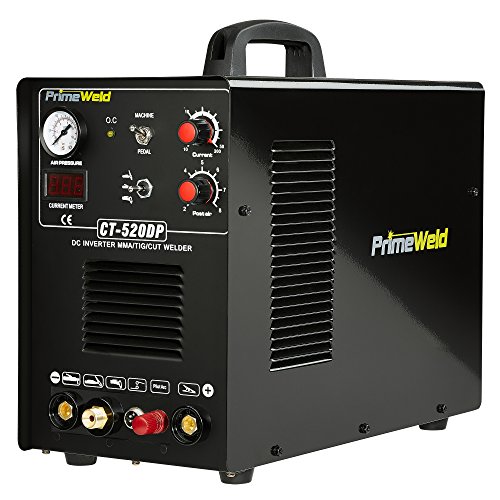
PrimeWeld CT520DP Pilot Arc 50A Plasma Cutter Combo
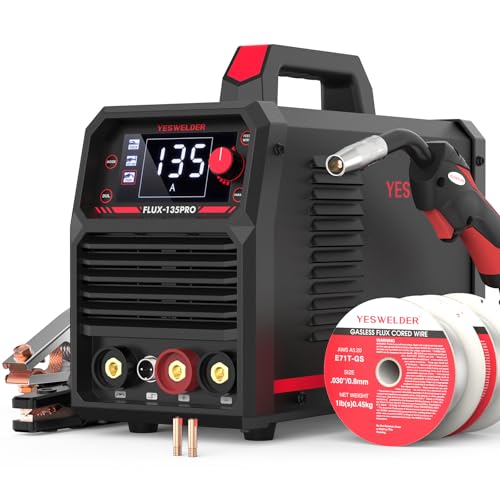
YESWELDER 135A 3-in-1 Flux Core Welder
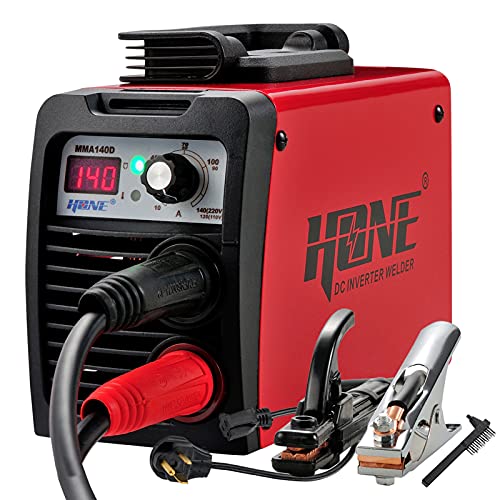
HONE 140Amp ARC Stick Welder LCD Display
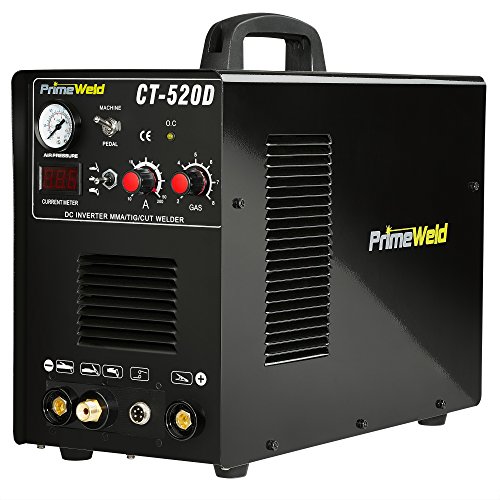
PrimeWeld CT-520D 50A Plasma Cutter Combo
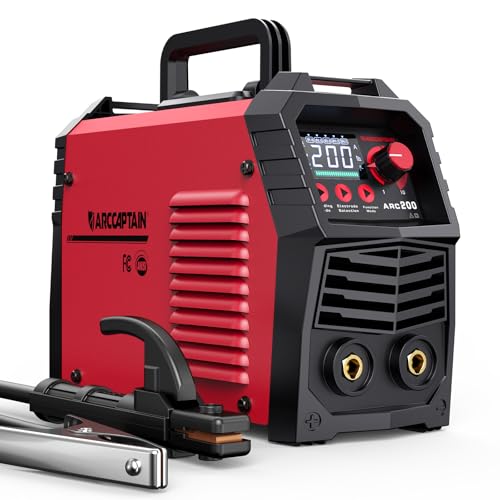
ARCCAPTAIN 200A ARC/Lift TIG Welding Machine

DEKOPRO 160A MMA ARC Welder IGBT

TOOLIOM 135A Mini Stick/Lift TIG Welder

S7 250A IGBT Inverter Stick Welder
A Closer Look At Each Pick
The TIG225X sits at the top of the list because it handles the metalwork that catches farm welders off guard. Aluminum repair on a planter, stainless patch on a milk line, thin sheet on a custom toolbox: the AC/DC TIG (Tungsten Inert Gas) capability with pulse covers jobs where a plain stick unit would struggle. The 225-amp ceiling gives enough headroom for thicker steel when you need it.
It arrives with a CK Worldwide 17 Series Superflex TIG torch and a USA-made CK DINSE connector, which is a meaningful upgrade over generic torches. The pulse function (cyclically varying the welding current) helps control heat input on thin or reflective metals. If your shop runs on either 110V or 220V, the auto-detect circuitry adapts without rewiring.
What Helps Most
- AC/DC TIG output with pulse expands the metal types you can weld beyond basic steel
- 225-amp ceiling handles 1/4-inch aluminum and similar heavy repairs comfortably
- CK Superflex torch reduces operator fatigue during long patch sessions on gates or trailers
- Dual-voltage input suits farms with mixed shop wiring (110V and 220V outlets)
Things To Consider
- Learning curve is steeper than a pure stick welder; you may want practice scrap before tackling a critical repair
- Foot pedal or amperage control may need to be sourced separately depending on your stick needs
Key Specs
Right Fit For
A farm welder who fabricates in multiple metals, especially aluminum, and wants one machine that bridges stick and TIG work.
Consider Something Else When
Pick the PrimeWeld CT520DP instead if you need to cut metal as often as you weld it, since the TIG225X focuses on joining rather than severing.
Some farm days start with cutting and end with welding, and this combo box collapses both jobs into a single power source. The 50A plasma cutter slices up to 1/2-inch steel cleanly, while the 200A TIG and 200A stick sides cover joining afterward. The pilot arc (a high-frequency spark that initiates the cut without touching the metal) starts cuts on rusty or painted steel, which is farm reality more often than showroom-clean metal.
Unlike the TIG225X above, this unit also cuts, so it pulls double duty on equipment teardown and scrap processing. The 110/220V input makes it portable between barns.
Real Benefits
- Three functions in one box save shop floor space and capital outlay
- 1/2-inch clean cut capacity handles most farm plate and structural steel
- Pilot arc starts cuts on painted, rusty, or dirty surfaces
- TIG and stick outputs reach 200A for fabrication beyond cutting
Worth Noting
- Compressed air supply (the air input that drives the plasma stream) is required for plasma function; a dedicated compressor is a separate purchase
- Plasma consumables (tips and electrodes) need periodic replacement, which adds ownership cost
Built With In Mind
A farm with a real shop and air compressor that wants one machine to do nearly every metal job from cutting to fabrication.
Skip It When
Choose the HONE Stick Welder instead if you do not need plasma cutting and want a simpler, more focused stick unit for gate and panel work.
The YESWELDER trades raw power for portability, and that trade fits a lot of farm repair work. The 135-amp output handles 1/8-inch steel cleanly, which covers livestock panels, small equipment, and most fence-related welding. The gasless flux core (a tubular wire that creates its own shielding gas when burned) process skips the shielding gas cylinder entirely, so you can drag it to a windy gate without losing arc stability.
It also lifts into TIG mode with an optional torch, though that is more of a bonus than the main event. For a hobbyist or new farm welder building skills, the controls stay approachable. Compare to the TIG225X: where the PrimeWeld runs deep into multi-process territory, this one keeps the deck clear and the learning curve short.
Points In Its Favor
- Gasless flux core process works outdoors in wind without shielding gas tanks
- 110V input plugs into standard farm outlets, no special wiring needed
- 3-in-1 design covers MIG (Metal Inert Gas), lift TIG, and stick in a single unit
- Lightweight build moves easily from shop to job site
Trade Offs
- 135-amp ceiling limits you on thicker plate and heavy structural repairs
- Lift TIG torch (optional accessory that starts a TIG arc by touching the tungsten to the workpiece) is not included, so that mode costs extra to access
- Flux core welds produce more spatter (molten metal droplets that scatter around the weld) than solid wire MIG, which means more cleanup
Feature Snapshot
Whose Shelf It Belongs On
A newer welder who needs approachable controls, gasless convenience, and enough power for panels, trailers, and light equipment.
Not Your Match When
Pick the S7 250A Stick Welder instead if you regularly weld thick steel over 1/4-inch and need the output headroom.
HONE built this unit around the workhorses of farm welding: gate hinges, stock panels, and the occasional equipment frame. The 140-amp output runs 1/16 to 1/8-inch rods, which covers the common 6013 and 7018 electrodes that handle general repair. The dual 110V/220V input adapts to whatever your shop is wired with, so you are not locked into a specific outlet type.
The LCD display removes the guesswork from setting amperage, which helps when conditions change between jobs. Hot start (a brief current boost that helps the arc ignite cleanly), arc force (an automatic current surge that prevents the electrode from sticking), and anti-stick functions reduce frustration on rusty or dirty steel, a frequent farm reality.
The Case For It
- Dual-voltage flexibility matches mixed farm wiring without rewiring
- LCD amperage readout removes guesswork when switching rod sizes
- Hot start, arc force, and anti-stick features tame difficult starts on dirty metal
- IGBT inverter (Insulated-Gate Bipolar Transistor, a modern, efficient power-conversion design) keeps the unit compact and portable
Points To Note
- 1/8-inch rod ceiling limits heavier structural work above 1/4-inch plate
- Duty cycle (the percentage of a 10-minute window a welder can run before needing to cool) at higher outputs requires cooldown breaks during sustained heavy use
Best Suited To
A small-farm operator who wants stick welding without extras and needs the unit to run on either voltage the shop offers.
Where A Sibling Pick Shines
Pick the ARCCAPTAIN Stick Welder instead if you want higher 200A output for thicker repair work in the same form factor.
The CT-520D is the predecessor concept to the CT520DP, and it remains a serious cut-and-weld combo for the price. The 50A plasma function cuts cast iron, mild steel, copper, and other common metals, while the TIG and stick sides reach 200 amps. It runs on 50Hz/60Hz input, which matters on farms with generator power where frequency stability can vary.
It lacks the pilot arc of the newer CT520DP, so starting cuts on painted or dirty metal takes a bit more preparation. If your shop cleans metal before cutting anyway, that is a non-issue.
The Good Stuff
- 50A plasma output cuts 1/2-inch metal cleanly, which covers most farm plate
- 200A TIG and stick sides handle fabrication after cutting
- 85% power efficiency keeps electrical draw manageable on farm circuits
- Works with multiple metal types, from cast iron to copper
Worth Bearing In Mind
- No pilot arc means more surface prep needed on rusty or painted metal
- Air compressor and consumables are ongoing ownership costs
- Footprint is larger than a single-process welder, so shop layout matters
Quick Facts
Who Will Love This
A farm welder who frequently cuts structural steel, repair plate, or scrap and wants one machine covering both halves of the work.
Reach For A Different Pick When
Pick the DEKOPRO 160A MMA Welder instead if you only need stick welding and want a smaller bench footprint.
ARCCAPTAIN positions this unit squarely at outdoor repair, farm maintenance, and garage work, and the spec sheet backs that up. The 200-amp output covers 6010, 6011, 6013, and 7018 rods (a wide spread that handles everything from deep-penetration pipe welding to general fabrication). The intelligent LED screen reads clearly even through a welding hood, which is a small but real safety plus.
The dual-voltage design lets you swap between 110V household circuits and 220V shop wiring without rewiring. For farm welders who move between a barn, a garage, and a back pasture, that flexibility is the main selling point.
A Few Strong Suits
- 200-amp output handles 7018 rods for structural and heavy equipment repair
- LED screen readable through a welding hood improves set-and-check workflow
- 110V/220V dual-voltage adapts to whatever power you plug into
- Synergic control (automatic parameter adjustment based on electrode selection) streamlines settings for less experienced operators
Some Limits To Know
- Synergic features work best with stock rods; off-brand or specialty electrodes may need manual tuning
- Fan noise during operation is noticeable in quiet shop environments
The Right Fit
A farm welder who needs a portable unit that can plug into a household outlet for small fixes and a 220V receptacle for heavier jobs.
A Better Fit Elsewhere
Choose the TOOLIOM 135A Mini Stick Welder instead if portability and a small bench footprint matter more than maximum output.
DEKOPRO delivers the basics without inflating the price, and that is the appeal for first-time farm welders or anyone buying a backup unit. The 160-amp output handles mild steel, stainless, and cast iron with common rod types. The IGBT inverter keeps the weight and footprint small, so storage on a shelf or in a truck bed is easy.
It comes with the electrode holder, work clamp, and an input adapter cable, which saves a separate parts run. The ETL safety certification (a third-party electrical-safety mark recognized across North America) provides some peace of mind for an entry-level machine.
A Favorable Mix
- 160-amp output exceeds entry-level expectations for general repair work
- IGBT inverter design keeps the unit compact and easy to move
- Included accessories (holder, clamp, adapter) cover first-day use
- 110/220V dual-voltage suits farm outlets and shop wiring
Room For Improvement
- Duty cycle at peak output requires breaks during continuous heavy welding
- Build quality matches the price tier, so longevity under daily hard use is less certain than premium units
Who Should Grab It
A beginning farm welder or anyone needing a low-cost stick unit for occasional repairs and light fabrication.
Look Elsewhere When
Choose the S7 250A Stick Welder instead if you weld thick plate regularly and need higher output without stepping up to a TIG or combo machine.
TOOLIOM built this welder for shops where bench space is at a premium. The 135-amp output runs 6011 and 6013 rods (workhorses for general stick welding) and includes built-in anti-stick, arc force, and hot start functions, which are features usually reserved for higher-tier machines. The IGBT inverter keeps the chassis small enough to slide onto a crowded workbench.
It also lifts into TIG mode with a separately purchased torch. For farm welders who just need a compact, reliable stick unit for daily repairs, the value is real. Compare that to the DEKOPRO above: the TOOLIOM trades raw amperage for a smaller footprint and cleaner control layout.
Key Advantages
- Compact footprint fits on crowded shop benches or in service truck drawers
- Built-in anti-stick, arc force, and hot start features simplify rod starts
- IGBT inverter design keeps the unit light and portable
- Handles 6011 and 6013 rods, covering most general farm repair
Less Ideal Details
- 135-amp ceiling rules out thick plate and heavy structural work
- Lift TIG torch is not included, so that mode requires an accessory purchase
Perfect Match For
A farm welder with a small workshop, mobile repair truck, or limited storage who values portability over maximum output.
Swap It Out When
Pick the HONE 140Amp ARC Stick Welder instead if you want similar portability with a clearer LCD display for amperage setting.
The S7 closes the list with the highest stick output in the group, 250 amps, which translates to headroom on thick steel, loader buckets, and trailer frames. The dual 110V/220V input gives flexibility that single-voltage machines cannot match. It runs common electrodes including 6010, 6011, 6013, and 7018, covering everything from deep-penetration root passes to finished structural welds.
It is not a TIG machine, so the scope is narrower than the PrimeWeld combo units. For farms that regularly face 3/8-inch plate and heavier, that trade makes sense. The IGBT inverter design keeps the unit portable despite the output rating.
A Few Highlights
- 250-amp output handles thick steel and heavy equipment repair
- Compatible with E6010, E6011, E6013, and E7018 rods for full-spectrum stick work
- 110V/220V dual-voltage adapts to any farm power source
- IGBT inverter keeps the unit portable for a 250A-class machine
Points To Keep In Mind
- Stick-only design means no TIG or plasma cutting; a separate machine covers those
- Higher output draws more current, so a dedicated 220V circuit may be needed for sustained heavy use
Made For
A farm operation that welds thick plate regularly and wants maximum stick output without stepping up to a multi-process machine.
Another Choice May Suit
Pick the PrimeWeld CT520DP instead if you want cut and weld capability in one box, since the S7 covers joining only.
What Matters Most Before Choosing a Stick Welder for the Farm
Match the Output to the Metal You Actually Weld
Amp output is the single biggest decision driver. Light panels, gates, and small tools sit comfortably in the 100 to 160-amp range, which most entry and mid-level machines cover. Once the work moves to 1/4-inch plate and heavier, 200 amps and up gives the headroom needed to maintain a stable arc without maxing the dial.
A farm welder patching livestock panels and light equipment gets plenty of use from a 135A unit like the TOOLIOM. A shop that rebuilds loader buckets and trailer frames should look at 200A and above, like the ARCCAPTAIN or S7.
Voltage Flexibility Saves a Lot of Headaches
Dual-voltage machines (110V and 220V) cost only marginally more than single-voltage units and remove the question of where you can plug in. On a working farm, that flexibility shows up the day you need to weld in a field, a milk parlor, or a barn that only has 110V outlets. All nine picks in this list run on at least 110V, and most accept 220V as well.
Duty Cycle and Rod Compatibility for Real Workloads
Duty cycle tells you how long a welder can run at a given output before needing a cooldown. Higher outputs come with shorter duty cycles in most inverter designs. For farm repair, plan on intermittent welds with natural pauses, which most units handle easily. Sustained heavy bead placement stresses any machine.
Rod compatibility matters because farms use a mix of 6013 for general work, 7018 for structural, and 6010/6011 for pipe and dirty metal. A machine that runs the common four covers nearly every farm scenario.
Portability vs. Shop Duty
A welder that lives in the shop can weigh more, run louder, and need a dedicated 220V circuit. A welder that hops between barns, pastures, and job sites needs to be light, handle generator power, and ideally run on 110V. The HONE, ARCCAPTAIN, and TOOLIOM all balance well on the portable side, while the S7 and PRIMEWELD combos lean toward the dedicated shop.
Key Considerations Across These Picks
Common Shopping Slip Ups
A frequent mistake is overbuying on amperage. A 250-amp unit that runs only at 40% duty cycle (a rating meaning the machine can weld 4 of every 10 minutes before overheating) at peak does not outperform a 200-amp unit used at 60% for most farm work. Another slip is ignoring the rod compatibility list; a machine that only runs 6013 will frustrate you on dirty or rusty steel where 6011 is the better choice. Finally, skipping the air compressor requirement on plasma combos is common. Plasma cutting needs a dedicated compressor, and that cost belongs in the budget before checkout.
Where The Extra Money Goes
Higher-tier models in this category add features you can feel on the job: IGBT inverters, premium torches like the CK17, pulse TIG for aluminum, and dual-voltage auto-detect. The PRIMEWELD TIG225X earns its position with aluminum-capable AC/DC output, which lower-tier units cannot match. The PrimeWeld CT520DP adds pilot arc plasma cutting that starts on painted or rusty metal without surface grinding. These upgrades save time and expand the metal types you can work with, and that compounds across years of farm repairs.
Frequently Asked Questions
What size stick welder do I need for farm repair work?
A 140 to 200-amp stick welder covers most farm repair scenarios, from gate hinges and livestock panels to trailer frames and equipment mounts. Go below 140 amps for hobby-level work and above 200 amps only if you regularly weld plate thicker than 1/4 inch.
Can I run a stick welder on a farm generator?
Most inverter-style stick welders run cleanly on a quality generator with at least 4,000 to 7,000 watts of capacity, depending on the welder’s maximum draw. Pure sine wave output generators (those producing clean, stable power similar to household current) protect sensitive electronics in modern welders better than modified sine wave units. For 110V stick work, a smaller generator works. For 220V output, plan on a larger unit.
Do farm stick welders need 220V power?
Not necessarily. Many modern inverter welders run on 110V household current at reduced output, which handles panels, gates, and light equipment. For thicker plate and higher amperage, 220V gives a more stable arc and faster travel speeds. Dual-voltage machines like the HONE, ARCCAPTAIN, and S7 cover both cases.
What rods work best for dirty or rusty farm steel?
6011 and 6010 rods handle dirty, rusty, or painted steel far better than 6013, because their cellulose-based coating burns through surface contamination. Keep a stock of 6013 for clean metal and 7018 for structural work, and you cover most farm scenarios.
How important is the duty cycle on a farm stick welder?
Duty cycle matters most during sustained heavy welding, like long seams on a trailer frame. For typical farm repair with frequent pauses to reposition, reposition clamps, or inspect progress, a 30 to 40% duty cycle at rated output is usually sufficient. Check the rated output against the actual amperage you plan to use, since duty cycle drops as amperage rises.




