


Thinset, mortar, and joint compound share one stubborn trait: they settle hard in the bucket. Hand-stirring leaves dry pockets at the bottom and inconsistent texture through the middle, which translates to weak tile bonds, lumpy drywall seams, and callbacks. The right thinset mixer attachment (or a cordless mud mixer) cuts the job down to a minute or two and produces a smooth, lump-free consistency that spreads evenly with a notched trowel.
Tile setters and drywall finishers tend to work in batches: a few gallons here, a five-gallon pail there. Hobbyists tackling a weekend bathroom need different reach than pros mixing 50-pound bags of thinset on a jobsite. The picks below cover both ends of that spectrum, from small paint-style paddles to heavy-duty cordless mixers, so you can match the tool to the bucket in front of you.
The Picks In Brief
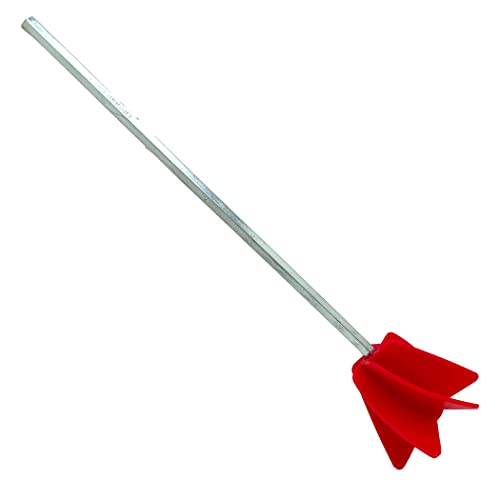
Edward Tools Helix Paint Mixer Drill Attachment

LEVEL5 Drywall Mud Mixer 32″ Shaft 5-292

DEWALT DXTT-2-293 Mud and Paint Mixer
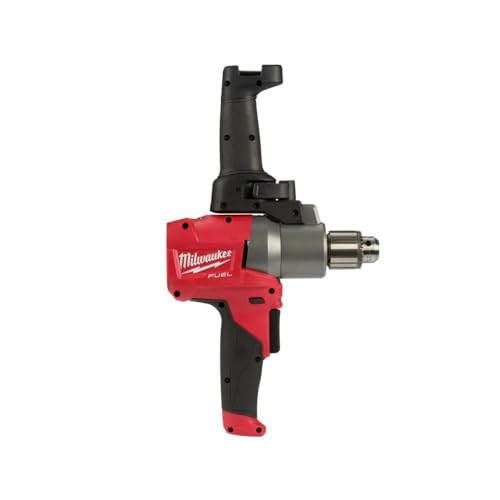
Milwaukee M18 18V Cordless Mud Mixer
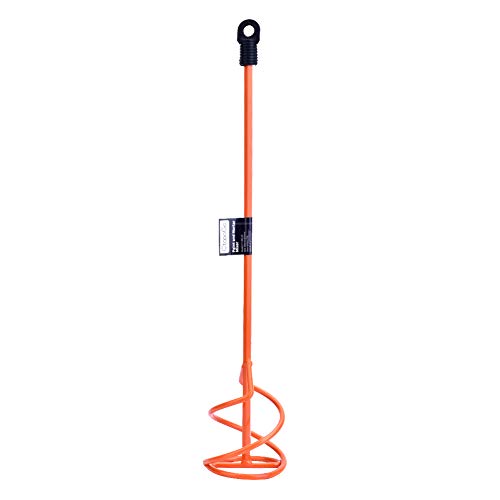
CtopoGo 16″ Paint and Mortar Mixer

MD Building Deluxe Stainless Mixer Paddle

ABN 16.5″ Cement and Paint Mixer

Edward Tools 15.75″ Paint and Mud Mixer

Collomix HEXAFIX Joint Compound Paddle
More Details On Our Top Picks
The Edward Tools Helix attachment slots into a 3/8″ chuck (or larger) and runs cleanly through a single gallon of paint, two-part epoxy, or silicone without dragging the drill motor. Its helix-style head pulls material down into the can, so the vortex stays inside the bucket rather than splattering across your drop cloth.
Resin artists and small-batch refinishers who mix a quart at a time will appreciate the head’s tight fit. Compare that to the LEVEL5 reviewed next, which is built for full-size five-gallon pails. For weekend projects, this is the size you actually want.
The Helpful Details
- Helix head keeps the vortex inside the can, reducing airborne splatter on nearby surfaces
- Works with any 3/8″ or larger drill, so no special chuck adapter is needed
- Cleans quickly under warm water before the material cures
- Light enough to use with a compact 12V drill for short batches
- Affordable replacement when the head eventually wears out
Things To Consider
- Head width is sized for single gallons, so 5-gallon pails are out of reach
- Thick thinset can stall smaller cordless drills; a corded 18V or higher is the safer pairing
Who It Suits Best
DIYers, resin artists, and refinishers mixing single gallons of paint, epoxy, or silicone on a standard home drill.
Consider Something Else When
Tackle five-gallon pails of thinset or mud with the LEVEL5 Drywall Mud Mixer 32″ Shaft 5-292 instead.
The LEVEL5 5-292 stretches a full 32 inches with a 7-inch head, giving you the reach to drive material all the way to the bottom of a five-gallon pail. Its patent-pending paddle pulls compound downward into the head, which keeps splatter low and reduces drag on the drill motor by a meaningful margin during long mixing sessions.
Drywall finishers who work a full bucket at a time will feel the difference in wrist fatigue. The shorter Edward Tools Helix reviewed above can’t reach the bottom of a deep pail without tipping it. For full-size mud or thinset, the extra shaft length is the feature that actually matters.
Real Benefits
- 32-inch shaft reaches the bottom of standard five-gallon pails
- Paddle geometry is shaped to reduce drill drag, so your chuck and gears last longer
- Downward-pulling action limits splatter during fast mixing
- Built around years of pro finisher feedback, which shows in the welded joints
Worth Noting
- Long shaft makes the paddle harder to control in shallow mud pans or quart containers
- Best paired with a 1/2″ chuck drill, which most DIYers may need to source separately
- Premium price relative to shorter hobbyist paddles
Key Specs
Made For
Professional drywall finishers and tile setters who mix full five-gallon pails of compound or thinset on a daily basis.
Not Your Match When
Working in a quart mud pan or small repair container, where the DEWALT DXTT-2-293 Mud and Paint Mixer is the smarter pick.
The DEWALT DXTT-2-293 keeps things tight: a 13-inch shaft with a 2-inch head, sized for the small containers that bigger paddles can’t reach without bending or splashing. The paddle pulls material down toward the head instead of throwing it outward, which matters when you’re mixing in a hand-held mud pan or a quart of touch-up paint.
Touch-up specialists and remodelers doing patch repairs will find this size lands in the sweet spot. The LEVEL5 reviewed above is the right tool for a full pail, but it’s clumsy in anything shallow. The DEWALT handles detail work without coating the surrounding wall.
Standout Benefits
- 13-inch shaft fits inside shallow mud pans and quart cans without tipping them
- Downward pull action keeps splatter down during in-hand mixing
- Plated carbon steel resists corrosion and wipes clean after each use
Points To Note
- Head is too small for five-gallon pails; the material barely moves in a full bucket
- Compact form factor offers no mechanical advantage against very thick, cold thinset
Right Fit For
Remodelers and patch pros who mix small batches of joint compound or paint in shallow containers on most days.
Look Elsewhere When
Mixing full five-gallon mud pails on a finish job, where the LEVEL5 Drywall Mud Mixer 32″ Shaft 5-292 pulls ahead.
Milwaukee’s M18 cordless mud mixer trades the corded drill-and-paddle setup for a purpose-built mixing tool with dual handles and a brushless motor. It runs on the same 18V battery platform as the rest of the M18 line, with a 1/2″ chuck, a no-load speed around 550 RPM, and enough torque to handle up to 15 gallons of material on a charge.
Jobsite crews who already own M18 batteries will see the value immediately: no generator, no extension cord, and no tripping hazard across a half-tiled floor. Drill-mounted paddles like the LEVEL5 reviewed earlier are great, but they tie up a drill that may be needed elsewhere. The Milwaukee frees up the drill for the next task.
A Few Highlights
- Brushless motor delivers consistent torque under heavy compound loads
- 1/2″ chuck accepts standard mixing paddles if you prefer a custom head
- Dual-handle design reduces wrist strain during long mixing runs
- Runs on the M18 battery platform you may already own
Trade Offs
- Bare tool only; battery and charger are sold separately
- Heavier than a drill-and-paddle setup, which adds fatigue on long days
- Premium price reflects the platform, not just the mixer
Quick Facts
Best Suited To
Tile and drywall crews who already run Milwaukee M18 batteries and need cordless mixing on remote or generator-free jobsites.
A Better Fit Elsewhere
Budget-minded DIYers mixing a few gallons per project should consider the CtopoGo 16″ Paint and Mortar Mixer to avoid the platform investment.
The CtopoGo 16-inch paddle threads into a standard drill chuck and gets to work on a 1- to 5-gallon bucket of paint or thin mortar. Its 3-inch head diameter lands in the middle of the size spectrum, so it handles both small paint cans and mid-size mud pails without committing to one extreme.
Homeowners tackling a backsplash or fence-stain day will get plenty of use from this size. The longer LEVEL5 paddle reviewed earlier is overkill for a single room of tile, and the Edward Tools Helix can’t quite reach the bottom of a 5-gallon. This CtopoGo sits comfortably between the two.
What Works In Its Favor
- 16-inch shaft reaches the bottom of standard 5-gallon buckets
- 3-inch head diameter balances reach and material movement
- Fits any common drill chuck without a special adapter
- Priced for one-off projects rather than daily pro use
Honest Caveats
- Not built for daily jobsite use; the welds and finish are entry-level
- Smaller head means more time per bucket versus the ABN 16.5″ paddle
Whose Shelf It Belongs On
Weekend renovators and homeowners who mix a few gallons of paint, thinset, or mortar per project on a standard home drill.
Another Choice May Suit
Pros mixing all day should look at the ABN 16.5″ Cement and Paint Mixer for a more robust build.
The MD Building Deluxe pairs a stainless steel ribbon head with a 22-3/4-inch shaft for a paddle that shrugs off rust after years in a damp garage. The 5-1/2-inch head width moves material quickly through adhesives, fillers, and mid-weight thinset without bogging down a mid-size corded drill.
Anyone who’s watched a plated paddle pit and corrode after a few seasons will appreciate the stainless upgrade. Compare that to the Edward Tools Helix reviewed earlier, which uses a different finish. The MD is the kind of paddle you buy once and pass down.
Why It Works Well
- Stainless steel construction resists rust through years of wet use
- Ribbon-style head creates a clean mixing vortex with minimal air bubbles
- 22-3/4-inch reach works for most 1- to 5-gallon buckets
Some Limits To Know
- Stainless build adds weight versus plated steel paddles of similar size
- Longer shaft makes it less useful in shallow pans or quart containers
Feature Snapshot
Perfect Match For
Homeowners and pros who want a single corrosion-resistant paddle that handles adhesives, fillers, and thinset across many projects.
Reach For A Different Pick When
Mixing five-gallon pails of heavy joint compound daily, where the LEVEL5 Drywall Mud Mixer 32″ Shaft 5-292 is built for the load.
The ABN paddle uses a 3/8-inch drive hex shank, which locks firmly into a standard drill chuck without slipping under load. At 16.5 inches long, it sits in the same range as the CtopoGo reviewed earlier but with a more heavy-duty steel build and a reinforced weld at the head connection.
Garage workshops and small contractor crews who mix everything from paint to sealer to thin cement in 1- to 5-gallon buckets will find this paddle earns its keep quickly. The shorter Edward Tools Helix reviewed above is the right size for single gallons only.
The Practical Payoff
- 3/8″ hex drive prevents the paddle from slipping in the chuck under heavy torque
- Reinforced weld at the head-shaft junction handles thicker materials
- 16.5-inch length works across 1- to 5-gallon buckets
Points To Keep In Mind
- Heavier steel construction can tire out smaller cordless drill motors
- Doesn’t reach the bottom of taller 5-gallon pails the way the LEVEL5 32-inch shaft does
Who Should Grab It
Workshop users and small-job contractors mixing paint, sealer, and thinset in standard 1- to 5-gallon buckets with a mid-size corded drill.
Where A Sibling Pick Shines
Mixing full five-gallon pails of joint compound demands the LEVEL5 Drywall Mud Mixer 32″ Shaft 5-292 for the extra reach.
The longer Edward Tools mixer pairs a 15.75-inch shaft with a 5/16-inch hex shank, so the paddle locks into the drill chuck without spinning loose mid-batch. The head is sized for 1- to 3-gallon batches of paint, mud, grout, or concrete, which covers most home project volumes without overreaching.
DIYers bouncing between small home projects will appreciate the mid-size build. Compare that to the Edward Tools Helix reviewed first, which is built for single gallons only. This one steps up to the next size without jumping to the pro-level LEVEL5 length.
Positive Points
- 5/16″ hex shank holds tight in the chuck during high-torque mixing
- Zinc-plated steel resists rust and wipes clean easily after each batch
- 15.75-inch length hits the sweet spot for 1- to 3-gallon jobs
- Lightweight at 8.8 ounces, so smaller drills handle it well
Room For Improvement
- Not long enough for full 5-gallon pails; the head floats above the settled material
- Plated finish eventually wears if scrubbed aggressively after each use
Spec Overview
Built With In Mind
Home renovators and DIYers who mix 1- to 3-gallon batches of paint, mud, or grout on a regular home drill.
Skip It When
Working with full five-gallon mud or thinset pails, where the LEVEL5 Drywall Mud Mixer 32″ Shaft 5-292 is the proper tool.
The Collomix KR paddle uses a HEXAFIX quick-connect coupling, which swaps paddles in seconds without a chuck key. Its head generates high shear forces, which is the engineering term for a mixing action that shears clumps apart rather than just spinning them around. The result: tile adhesive, epoxy grout, self-leveling underlayment, and thick fillers come out smooth and free of lumps.
Pros who mix 9- to 13-gallon batches of self-leveling underlayment or tile adhesive in a single shift will appreciate the quick-change coupling and the high-shear head. The LEVEL5 reviewed earlier is the right pick for general drywall mud, but sticky, viscous materials are where the Collomix earns its place.
What It Does Well
- HEXAFIX coupling swaps paddles without tools or chuck-key fumbling
- High-shear head breaks up clumps in sticky tile adhesive and epoxy grout
- Rated for 9.2- to 13.2-gallon batches of heavy compounds
- Cleans off easily before material cures, even with thick self-leveling underlayment
A Few Limitations
- Premium price reflects the engineering and quick-connect system
- Oversized for one-gallon paint cans and small repair work
- Requires a Collomix HEXAFIX-compatible drive tool or adapter to use
Who Will Love This
Tile pros and flooring crews mixing large batches of tile adhesive, epoxy grout, or self-leveling underlayment on commercial projects.
Swap It Out When
Mixing general-purpose drywall mud in standard five-gallon pails, where the LEVEL5 Drywall Mud Mixer 32″ Shaft 5-292 handles the volume at a friendlier price.
What Matters Most Before Choosing Thinset Mixers
Match the Paddle to the Bucket
Paddle size should follow batch volume, not the other way around. Single-gallon cans pair well with compact heads under 3 inches, while five-gallon pails need at least a 16-inch shaft to reach the settled material at the bottom. Deep buckets with a short paddle leave dry, unmixed material sitting in the corners.
Mind the Drive and Chuck
A 3/8″ hex shank fits a wider range of standard home drills, while a 1/2″ hex or chuck works better for heavy torque loads. Cordless drill motors stall in thick thinset, so a corded drill is often the safer pairing for the heavier paddles. Cordless mud mixers like the Milwaukee M18 sidestep the chuck question entirely with a purpose-built drive.
Consider Splatter and Clean-Up
Paddles that pull material downward create less airborne mess than paddles that fling it outward. Plated steel handles wet use but eventually pits, while stainless steel shrugs off repeated wet cycles for years. Plan a quick rinse before the material cures, since cured thinset on a paddle is an overnight soak in water or a stiff wire brush.
Key Considerations Across These Picks
Pitfalls Shoppers Hit
The most common mistake is sizing the paddle to the drill instead of the bucket. A long-shaft paddle in a shallow pan produces a vortex that splatters everything nearby. The opposite error, a short head in a five-gallon pail, leaves the bottom untouched. The other misstep is running a heavy paddle on a small cordless drill; the motor stalls, the chuck slips, and the user blames the paddle when the real problem is mismatched power.
Where The Extra Money Goes
Premium paddles like the Collomix HEXAFIX and the LEVEL5 32-inch bring quick-change couplings, higher-grade welds, and geometries that reduce drill drag. Those features pay off for daily users, but a weekend DIYer mixing a few gallons per year will rarely feel the difference. Stainless steel, like on the MD Building Deluxe, costs more upfront but lasts through years of damp storage, which is the upgrade that pays off for almost everyone.




