


A wall of porcelain, a stack of subway tile, and a 16mm snap line. That’s the daily reality for pros who earn their keep cutting tile, and the wrong tool turns a tight day into a long one. The lineup below covers both dedicated manual snap cutters and angle grinder diamond wheels, with picks for heavy clinker, polished porcelain, glass, and mixed substrates. The goal is simple: help you spend less time swapping blades and more time setting tile.
A Side-By-Side Look

FOXBC 4-1/2 Inch Cut-Off Wheel 50-Pack

Ishii Big Clinker 28-1/4″ Tile Cutter

ONEGOTOOL 4-1/2 Inch Indestructible Cutting Discs (3-Pack)

FOXBC 4-1/2 Inch Diamond Saw Blades 3-Pack

FOXBC 4-1/2 Inch Indestructible Multi-Material Disc 3-Pack
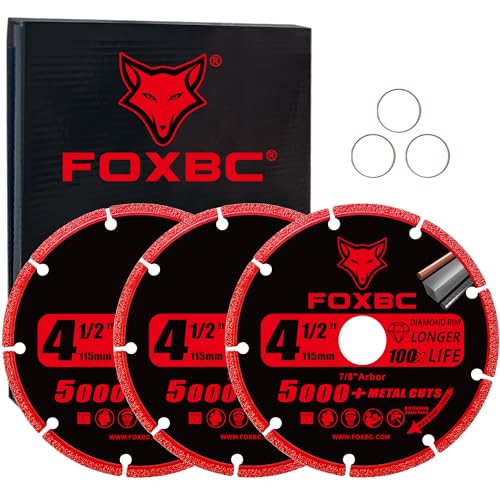
FOXBC 4-1/2 Inch Diamond Cutting Wheel 3-Pack

FOXBC 4-1/2 Inch Tile Glass Cutting Disc 3-Pack

ONEGOTOOL 4-1/2 Inch Tile Cutter Diamond Blade 3-Pack

Sigma 4EN 125 cm Tile Cutter
A Deeper Look At The Lineup
This bulk 50-pack of FOXBC 4-1/2 inch cut-off wheels lands squarely in the angle grinder ecosystem that most tile pros already carry. The 7/8 inch arbor fits standard 4-1/2 inch grinders, and the thin 0.045 inch profile keeps cuts narrow so you waste less material on the metal trim, rebar stub, or angle iron that pops up mid-tile.
You won’t score porcelain with these. They’re an abrasive wheel built for ferrous metal, and they spin up to a healthy 13,280 RPM for brisk straight cuts in hard-to-reach spots. On a long kitchen reno where you’re constantly shaving downstools or trimming steel studs, the stack-and-go volume matters as much as the cut quality.
A Few Strong Suits
- 50-disc count keeps the gangbox stocked through multi-week commercial punch lists.
- Type 1 flat profile is purpose-built for straight-on metal cutting, not grinding.
- Thin 0.045 inch kerf means less material loss on thin steel and stainless trim.
- Compatible with any 4-1/2 inch angle grinder using a 7/8 inch arbor, so no adapter hunt.
Things To Consider
- Abrasive wheels burn down faster than diamond blades, so the per-cut cost adds up on long runs.
- Not designed for tile, stone, or masonry, so this is a complement, not a replacement, for the diamond options below.
- Wheel storage matters; moisture and drops chip thin abrasive discs before you ever mount them.
Key Specs
Who It Suits Best
Tile setters who also handle light metal framing and want one abrasive disc to keep on the truck for trim and shim work.
Look Elsewhere When
Reach for the FOXBC 4-1/2 Inch Diamond Saw Blades 3-Pack instead, since its diamond rim is built for porcelain and marble, not steel.
The Ishii Big Clinker is a manual snap cutter built for the brutal end of the tile world. At 28-1/4 inches of cutting length, it swallows the long planks and thick porcelain that defeat smaller tabletop units, and a low curved handle with an 8:1 leverage ratio keeps score pressure light on the operator’s shoulders.
The spring-loaded base and heat-treated rails work together to keep the scoring wheel tracking straight across hard, dense tile. Compared to the abrasive cut-off pack above, this is the quiet, dust-free option: no grinder, no slurry, just a clean score and snap.
A Few Highlights
- 8:1 leverage ratio turns deep scores into a one-pull motion, reducing hand fatigue on long days.
- Heat-treated rails resist flex, which is the usual failure point on cheaper snap cutters.
- 28-1/4 inch capacity handles large-format plank tile without diagonal compromises.
- Spring-loaded base keeps the workpiece flat, so scoring pressure stays consistent edge to edge.
Honest Caveats
- Manual cutters can only score and snap; curves, notches, and inside corners still need a grinder.
- Heavy frame weight makes it a bench or sawhorse setup, not a one-hand grab-and-go.
- Replacement scoring wheels aren’t universal, so plan ahead on consumables.
Made For
Installers running large-format porcelain or thick stone on shower walls and floors where clean, straight snap cuts are the bulk of the work.
A Better Fit Elsewhere
Pick the Sigma 4EN 125 cm Tile Cutter if a metric 125 cm cutting length and a roller-bearing engraving wheel suit your tile format better.
ONEGOTOOL’s indestructible cutting disc markets itself as the one wheel for almost every jobsite detour, and the spec list backs that up: steel, rebar, stainless, ceramic tile, marble, granite, plastic pipe, and stone all sit inside its claimed range. For pros who bounce between trades on a single day, the swap-everything-for-anything angle is genuinely useful.
The one-piece manganese steel construction is the pitch’s hook, suggesting the disc holds together under stress rather than shattering. In practice, that means you can lean into a stubborn rebar stub without the same nerve-wracking moment a thin abrasive disc gives you on its last day.
What It Does Well
- Wide material range removes the need to swap discs mid-task on mixed-material demo work.
- One-piece molded body resists the chipping and cracking common to bonded abrasives.
- Standard 7/8 inch arbor fits any 4-1/2 inch angle grinder already on the truck.
Points To Note
- A 3-pack isn’t a long-term supply; heavy daily use will burn through it fast.
- Multi-material discs usually compromise on cut speed compared to a dedicated diamond or abrasive wheel.
- You may find edge finish rougher than a true diamond blade on polished porcelain or finished stone.
Best Suited To
Tradespeople who need one reliable wheel for tear-out days where the substrate is anyone’s guess until the dust settles.
Skip It When
Choose the ONEGOTOOL 4-1/2 Inch Tile Cutter Diamond Blade 3-Pack instead, since fine-grain diamond cuts cleaner edges on finished tile.
The FOXBC diamond blade pack is the tile-focused step up from the metal-only cut-off wheels at the top of this list. Diamond grit rims, meaning industrial diamond particles bonded to the cutting edge, deliver far longer life than standard abrasive discs, and the ultra-thin profile trims kerf loss on expensive porcelain.
A 7/8 inch arbor with a 5/8 inch bushing broadens compatibility across both 4-1/2 inch and smaller-spindle grinders, and the wheel handles porcelain, glass, ceramic, marble, and stone. The dual cut-off and grinding function means one disc covers two jobs, so you don’t have to swap mid-thinset.
Practical Advantages
- Diamond rim life runs dramatically longer than bonded abrasive discs in side-by-side use.
- Ultra-thin kerf reduces chipping on porcelain and keeps cut lines tight.
- Doubles as a grinding face, useful for easing cut edges before setting.
- Works wet or dry, giving you flexibility on indoor and outdoor jobs.
Worth Noting
- Dry cutting produces fine dust, so a respirator and water feed are worth planning for.
- Higher upfront cost than a basic abrasive wheel, though offset by longer life.
- Not suited for rebar or structural steel; reach for the dedicated metal disc instead.
Key Specs
Perfect Match For
Tile setters cutting porcelain and marble who want longer blade life and a cleaner edge than standard abrasive wheels deliver.
Reach For A Different Pick When
Choose the FOXBC 4-1/2 Inch Indestructible Multi-Material Disc 3-Pack if the day includes wood, plastic, or cement alongside tile.
This is FOXBC’s broadest-spec diamond wheel, aimed at the renovation pro who can’t predict what’s behind the next layer of drywall. The list reads like a jobsite inventory: wood, metal, plastic, cement, ceramic, stone, tile, granite, marble, slate, and glass all sit in the same wheel’s wheelhouse.
The diamond grit rim runs far longer than a bonded abrasive disc, and the 7/8 inch arbor with a 5/8 inch bushing keeps compatibility wide. For bathroom gut-and-rebuild work, that single wheel across the demo and finish phases is a real workflow plus.
Where It Helps
- One wheel covers both the demo and the finish cut on most mixed-material jobs.
- Diamond rim extends service life, so fewer disc swaps in the middle of a long day.
- Standard 4-1/2 inch size fits every grinder in the trailer.
Trade Offs
- Specialist cuts in any single material are usually cleaner on a purpose-built blade.
- Dry cutting fine materials produces airborne dust, so work outdoors or with extraction when you can.
- 3-pack volume assumes occasional use; high-volume tile-only work will outpace it.
Right Fit For
Renovation contractors whose work crosses trades in a single day and who value a single, reliable wheel over category-leading edge finish.
Not Your Match When
Pick the FOXBC 4-1/2 Inch Diamond Saw Blades 3-Pack if your work is mostly porcelain and marble, since the dedicated rim leaves a cleaner edge.
The metal-focused sibling of FOXBC’s tile line uses an electro-plated diamond edge, a process that bonds diamond particles to a steel core through an electrolytic bath rather than a sintered metal matrix, for rebar, stainless, and angle iron. The upshot is an even distribution of abrasive along the rim, which gives the operator steadier control and longer life than a standard bonded cut-off.
It’s a niche pick for tile pros, but a real one: anyone embedding rebar in shower niches, trimming steel studs before a backer board, or cutting through embedded angle iron finds this wheel pays for itself fast. The dry-cut design keeps it usable indoors with proper extraction.
Good Reasons To Consider
- Electro-plated diamond edge lasts far longer than bonded abrasive on ferrous metal.
- Steady cut control on rebar and angle iron reduces walking and wandering mid-cut.
- Dry cutting compatibility avoids the slurry mess of wet diamond rigs on interior jobs.
Possible Compromises
- Not built for tile or stone, so it complements rather than replaces the diamond blades on this list.
- Higher per-disc cost than a bulk abrasive, which only makes sense if you’re cutting metal regularly.
- Electro-plated rims can glaze on certain stainless grades, so a dressing stone may be needed.
Built With In Mind
Tile setters who also handle structural metal on the same site and want a single wheel that holds up under hard, repetitive steel cuts.
Swap It Out When
Choose the FOXBC 4-1/2 Inch Cut-Off Wheel 50-Pack if your metal cuts are intermittent and bulk pricing matters more than blade life.
This FOXBC disc leans into the awkward crossover zone between tile, glass, and decorative materials, including ceramic, crystal, and even glass wine bottles for craft and salvage work. The diamond rim runs at the same 13,280 RPM ceiling as the larger FOXBC abrasive wheels, which keeps grinder compatibility simple.
The 7/8 inch arbor ships with a 4/5 inch bushing, broadening mount fit across budget grinders. Compared to the broader multi-material disc from the same brand, this one is tuned for cleaner, less chip-prone cuts on brittle substrates.
What Stands Out
- Handles glass, tile, crystal, and masonry in a single disc, which is rare at this price tier.
- Tuckpointing capability makes it a two-tool investment for masons and tile setters.
- Standard 4-1/2 inch size and common arbor fit a wide range of handheld grinders.
Factors To Consider
- Glass work still benefits from a water feed for chip control, so plan for wet-cutting setup.
- Not optimized for heavy metal cuts, so it’s a complement, not a replacement, for the steel discs above.
- Brittle-material cutting rewards slow, steady pressure; rushing it produces cracking.
Key Specs
Who Should Grab It
Craft tilers, mosaic specialists, and masons who cut a mix of glass, ceramic, and tile and want one disc that handles both without chipping.
Consider Something Else When
Pick the ONEGOTOOL 4-1/2 Inch Tile Cutter Diamond Blade 3-Pack if the work is primarily polished porcelain where a fine-grain finish matters more.
ONEGOTOOL’s tile-focused diamond blade trades the multi-material breadth of its sibling disc for a finer finish on finished tile. Fine-grained, high-intensity diamond particles are pressed into a one-piece molded body, which the maker points to for both smooth cuts and the kind of structural integrity that survives high-stress cuts without breaking apart.
Low cutting resistance is the second pitch, and on a long cut-heavy day that translates to less hand fatigue. For backsplash jobs, mitred edges, and visible cut lines, the cleaner edge means less grinding and polishing after the fact.
The Upside
- Fine-grain diamond leaves a cleaner, less chipped edge on porcelain and ceramic.
- Low cutting resistance reduces operator fatigue across long cut sessions.
- One-piece molded construction holds up under the lateral stress of plunge cuts.
Some Limits To Know
- 3-pack volume is light for full-time tile work; plan on reordering mid-project.
- Not designed for metal, so demo days will need a separate abrasive disc on hand.
- Slow-feed discipline is required, since forcing the cut on dense porcelain produces heat cracks.
Whose Shelf It Belongs On
Finish tilers and detail-oriented installers who care about clean cut lines on visible edges and want less post-cut grinding.
Where Another Pick Suits Better
Pick the FOXBC 4-1/2 Inch Tile Glass Cutting Disc 3-Pack if the work crosses into glass and crystal where chip resistance matters even more.
Sigma’s 4EN is a metric 125 cm manual cutter aimed at the European-format installer who values the precision of push scribing over pull scoring. The aluminium frame keeps weight manageable for a unit this long, and a rotation foot break with metric bar from 0 to 19 mm handles the typical thick-tile range most wall and floor pros work in daily.
The 16 mm engraving wheel runs on a roller bearing with double springs for soft engagement, an unusual detail at this length. Compared to the heavier Ishii Big Clinker above, the Sigma feels more deliberate and less brute-force, which appeals to installers working with textured or uneven-backed tile.
What Earns Its Place
- 125 cm cutting length handles large-format European tile without diagonal compromises.
- Push-engraving design with a roller-bearing wheel reduces wandering on textured surfaces.
- Aluminium frame cuts weight relative to comparable steel-framed cutters.
- Metric bar scale reads in millimeters, which simplifies cuts for metric-spec tile.
Less Ideal Details
- Push-scoring technique takes adjustment for installers trained on pull cutters.
- Specialty consumables and metric specs mean North American shops may need to source parts ahead of time.
- Not designed for curves, notches, or L-cuts, so a grinder is still required for detail work.
Key Specs
Right Fit For
Installers working with metric large-format tile who prefer the push-scoring technique and want a lighter aluminium frame over heavier steel competitors.
Reach For A Different Pick When
Choose the Ishii Big Clinker 28-1/4 Inch Tile Cutter if pull scoring and imperial measurements fit your existing shop routine better.
Picking The Right Tile Cutter For The Work In Front Of You
Match The Cutter To The Material And Format
Manual snap cutters and angle grinder diamond blades solve different problems, and the smartest shop usually runs both. Snap cutters like the Ishii Big Clinker and Sigma 4EN shine on long, straight cuts in porcelain, ceramic, and stone where dust control and quiet matter. Diamond blades for angle grinders take over for curves, notches, outlet cutouts, and the small detail work that breaks up a long run of full tiles. Picking one over the other usually comes down to format: large-format plank tile rewards the longer snap cutter, while mosaic, glass, and trim work rewards the grinder.
Read The Specs That Actually Drive Cut Quality
A few specs separate a clean professional cut from a chipped mess. The arbor size, meaning the diameter of the center hole that mounts to the grinder spindle, must match the grinder; most 4-1/2 inch wheels use a 7/8 inch arbor with bushing reducers for smaller spindles. Diamond rim design matters: electro-plated edges suit metal, while continuous-rim diamond wheels are smoother on porcelain. Maximum RPM should meet or exceed the grinder’s no-load speed. And kerf thickness, the width of material removed by the cut, affects both waste on expensive material and chip risk on brittle tile.
Plan For Dust, Water, And The Jobsite Around You
Dry cutting diamond blades produces fine respirable dust, so a vacuum attachment, water feed, or both are worth budgeting alongside the wheel. Wet cutting extends blade life and reduces airborne particles but adds slurry management. Indoors, dust extraction often matters more than cut speed. Outdoors, water rigs are easier to set up but add a step. The trade-off is rarely about the wheel itself; it’s about the workflow around it.
Smart Habits Before You Commit
Pitfalls Shoppers Hit
The most common slip is buying a tile-focused wheel for a demo day that includes rebar, or grabbing a steel abrasive for a porcelain backsplash. Material mismatch shows up fast as chipped edges or burned-through discs. Another trap is ignoring arbor and bushing sizing: a wheel that doesn’t mount is a wheel that sits in the truck. Finally, shoppers often skip the dust-control plan and end up with a jobsite shut down mid-day over silica concerns. Setting up extraction or water feed before the first cut saves more time than it costs.
When Paying More Pays Off
Higher-tier diamond blades earn their premium through blade life, edge finish, and cut consistency on dense porcelain. A cheap abrasive disc cuts fine on rebar but burns through fast, so the per-cut cost adds up across a long project. Premium diamond rims run longer, leave cleaner edges that need less grinding, and reduce the chip risk on expensive material. For high-volume tile work, the upgrade usually pays for itself in labor saved on edge cleanup, not just blade replacement avoided.




