


Carrying the right gear in and out of a service call makes a long day shorter. HVAC techs need pouches, belts, and totes that hold a mix of hand tools, refrigerant line gear, and small parts without dragging a hip down by noon. The picks below cover tool belts for HVAC and the close cousins that show up in a tech’s bag, from heavy leather pouches to compact swage kits.
A Snapshot Of The Selections
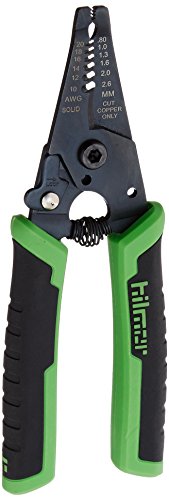
hilmor 1885427 WS6 Wire Stripper, 6″

Hilmor HT 1839078 HVAC Tool Bag 27 Pockets

LAUTUS Electrician Leather Tool Pouch 5 Pocket

RAK Magnetic Wristband For Tools
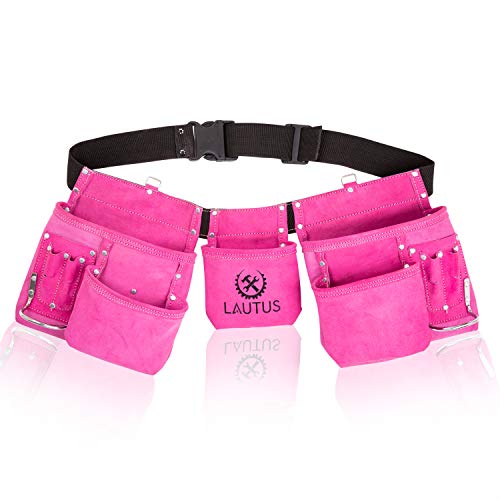
LAUTUS Pink Leather Tool Belt 11 Pockets

Hilmor Compact Swage Tool Kit With Case
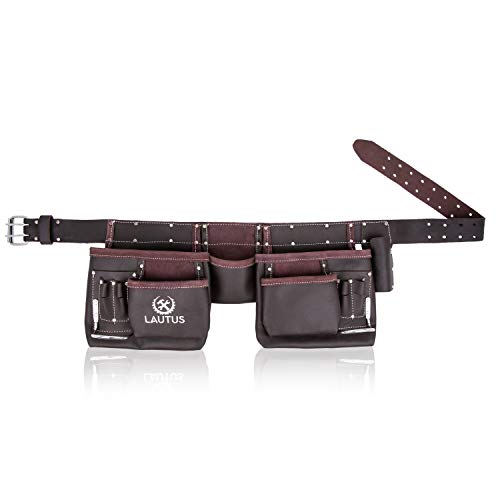
LAUTUS Oil Tanned Leather Tool Belt
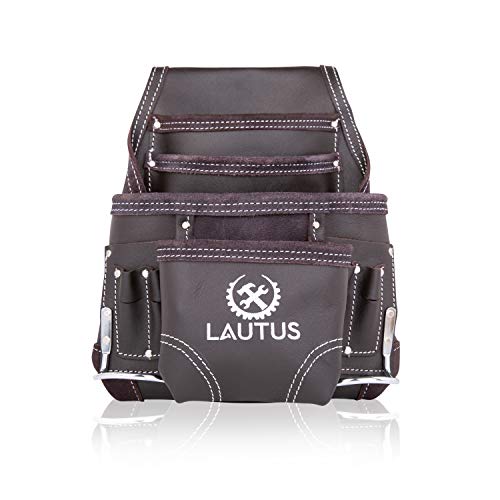
LAUTUS Oil Tanned Leather Tool Pouch 10 Pockets

Klein Tools 5425M Work Belt With Quick-Release
A Closer Look At Each Pick
Wire strippers are not a tool belt, but the WS6 rides in one. The 6-inch frame tucks into a side pocket or clip without weighing down a pouch, and the over-molded handle is grippy enough to keep your hand planted when you are pulling insulation off thermostat cable in a tight attic.
For HVAC techs running low-voltage control wire every day, the small profile pays off. Compared to a full-size combination stripper, this one trades a few cutting slots for a lighter carry, which is a fair swap on long service routes where your hand already holds a lot of weight.
The Helpful Details
- Over-molded grip reduces hand fatigue during repeat wire pulls.
- Six-inch body fits the smaller pockets on most HVAC tool belts.
- Clear jaw markings speed up wire gauge selection on ladder work.
- Lightweight enough to ride in a pouch without pulling the belt down.
Trade Offs
- Smaller than a multi-function stripper, so it handles fewer bolt sizes.
- Handle grips are not rated as electrical insulation, so live-wire work still needs a separate tool.
Key Specs
Right Fit For
Service techs who strip low-voltage control wire on most calls and want a tool that disappears into a pouch.
Swap It Out When
You need a full belt-and-pouch system; the RAK Magnetic Wristband For Tools covers a different carry need entirely.
The Hilmor HVAC Tool Bag is built for techs who treat their van like a rolling shop. Twenty-seven pockets split between the inside and outside, plus a tape loop, key clip, and shoulder strap, give you a place for gauges, manifold parts, and the little things that usually end up in your truck’s cup holder.
The body uses water-resistant material with reinforced rivets, so a wet driveway or a puddle under a condenser does not end the day. Compared to the leather pouches earlier in this list, this bag is the right call when you haul heavier gear and need a wide-mouth opening instead of slots.
What It Does Well
- Twenty-seven pockets keep gauges, drivers, and fittings in their own slot.
- Eighteen elastic bands and clips hold small parts where you can find them.
- Water-resistant body and riveted build handle job-site abuse.
- Shoulder strap spreads the load when the bag is fully loaded.
Honest Caveats
- Too bulky to wear on a harness, so it lives in the van or on the ground.
- With 27 pockets filled, the bag gets heavy fast, and the shoulder strap earns its keep.
Whose Shelf It Belongs On
Residential and light-commercial HVAC techs who want one bag that holds a full day of gear between van and equipment pad.
A Better Fit Elsewhere
Service work that demands hands-free carry; the LAUTUS Electrician Leather Tool Pouch 5 Pocket rides on a belt instead.
Top-grain leather, 3.5mm thick, is not a casual material for a pouch. The LAUTUS electrician pouch leans into that, with steel rivets and washers backing the stress points so the bag softens instead of tearing over months of ladder work.
The five tapered pockets favor a small, organized kit, and the front metal T-chain is sized for a roll of electrical tape, the kind of detail that makes thermostat swaps faster. Compared to the LAUTUS Pink Leather Tool Belt 11 Pockets later in this roundup, this one is the slimmer, more focused option for low-voltage and control wiring calls.
Well-Handled Touches
- Full top-grain leather that breaks in rather than wears out.
- Tapered pockets keep slim drivers and pliers from sliding out.
- Front T-chain gives electrical tape a dedicated, easy-grab spot.
- Metal clip and riveted back handle daily ladder and rooftop loads.
Soft Spots
- Only five pockets, so it is not the right pouch for a full HVAC manifold kit.
- Leather needs a wipe-down now and then to stay flexible in cold weather.
Made For
Low-voltage and control-side techs who carry a tight, well-curated set of drivers, strippers, and a tape roll.
Reach For A Different Pick When
You want maximum storage and a bag that stands up on its own; the Hilmor HT 1839078 HVAC Tool Bag 27 Pockets fills that role.
A magnetic wristband is a different kind of tool belt, one you wear on your arm. The RAK design uses ten embedded magnets across a nylon band, so screws, bits, and small hex keys cling while you work above your head on a furnace or inside a tight service panel.
You can drop it in alongside a traditional pouch, not in place of one. The Hilmor HVAC Tool Bag earlier in the list is the right base layer, and the wristband handles the small fasteners that otherwise end up in your mouth or pocket.
Everyday Perks
- Ten magnets across the band give wide coverage for screws and bits.
- Nylon build is lighter than a leather pouch for overhead work.
- Adjustable band fits most wrist sizes on the job.
- Keeps fasteners visible so you stop dropping them in ductwork.
Points To Note
- Magnets and sensitive electronics do not mix, so keep it clear of memory cards and some meter boards.
- Not a full tool carry; it pairs with a pouch or bag, not instead of one.
Best Suited To
Techs who strip panels, swap blower boards, and lose screws in dark plenums more often than they would like to admit.
Not Your Match When
You want a single carry solution; the LAUTUS Oil Tanned Leather Tool Belt covers full hand-tool duty.
The pink color is the first thing anyone notices, and on a busy job site that is the point. Visibility cuts down on grab-and-go mix-ups when multiple techs set their belts down in the same room, and the 100 percent real leather body still holds up to daily wear.
Eleven pockets plus two steel hammer holders cover a fuller kit than the LAUTUS Electrician Pouch reviewed earlier. The 2-inch webbing belt adjusts to fit a wide range of waist sizes, which matters when the belt rides over winter coveralls and summer tees in the same week.
Points In Its Favor
- Bright color makes the belt easy to spot on crowded job sites.
- Eleven pockets plus two hammer holders hold a full hand-tool set.
- Two steel hammer loops spread load and reduce belt sag.
- Adjustable webbing belt fits a wide range of waist sizes.
Where It May Fall Short
- Pink color is not for every shop, so check the dress code first.
- Leather needs occasional conditioning to stay soft in dry climates.
Feature Snapshot
Who Should Grab It
Techs who want a high-visibility leather belt and carry enough tools to fill eleven pockets on a regular day.
Look Elsewhere When
You prefer a darker, oil-tanned finish; the LAUTUS Oil Tanned Leather Tool Pouch 10 Pockets matches that profile.
Swaging copper line, which is flaring the end of a tube to join two pieces without a fitting, eats time when you fight a stubborn tool. The Hilmor Compact Swage Kit uses a hydraulic mechanism and a pistol-grip body so you can flare copper one-handed, which leaves the other hand free to hold the line steady.
It is not a belt, but it lives next to one in the bag. For techs running 5/16 inch to 1-5/8 inch copper, the kit removes a step that usually needs two people and a long drop of sweat.
What Helps Most
- One-handed operation keeps the second hand free to position tubing.
- Hydraulic action delivers even swage pressure to reduce line cracking.
- Covers a wide range of copper line sizes on a single tool.
- Carrying case keeps the kit organized in the van.
Less Ideal Details
- Eight and a half pounds is heavy for daily rooftop carry.
- Higher learning curve than a manual swage tool, so plan a few practice runs.
Built With In Mind
Refrigeration and line-set techs who swage copper weekly and want a faster, cleaner flare than a manual tool gives.
Where A Sibling Pick Shines
You mostly carry hand tools and gauges; the LAUTUS Oil Tanned Leather Tool Belt is the right hip-side home for that gear.
Oil-tanned leather starts soft and gets softer, which is why it has been a job-site favorite for decades. The LAUTUS belt uses 100 percent leather through the body and pockets, so it flexes with your hips instead of digging in during a long crawl through an attic.
Adjustability runs from a 28-inch waist up to a 46-inch waist, which covers most service techs in normal work clothes. Compared to the brighter pink LAUTUS belt earlier, this one fits a more traditional shop uniform and trades visibility for a worn-in look.
Practical Advantages
- Oil-tanned leather softens with use rather than cracking.
- Wide waist range fits most techs over normal or layered work clothes.
- Solid build quality for daily ladder and rooftop wear.
- Compatible with the LAUTUS 10-pocket pouch reviewed next for a full rig.
Worth Bearing In Mind
- Leather darkens and shows scuffs over time, which is cosmetic but worth knowing.
- No built-in hammer holders, so pair it with a pouch or a separate clip.
Feature Card
Who It Suits Best
Techs who want a quiet, traditional leather belt that softens into shape and pairs with separate pouches.
Consider Something Else When
You need pockets built in; the LAUTUS Pink Leather Tool Belt 11 Pockets bundles storage into one rig.
Where the oil-tanned belt is the foundation, this pouch is the add-on. The dark brown leather matches the belt above, and the 2-inch tunnel slides over most standard work belts, so it works as a drop-in upgrade for the Klein belt reviewed last in this list as well.
Ten pockets and two hammer holders give you enough storage to keep drivers, pliers, a small torpedo level, and a chalk line in reach. Compared to the LAUTUS Electrician 5-Pocket Pouch, this one targets the broader hand-tool load, not just a control-wire kit.
Everyday Wins
- Ten pockets cover a fuller hand-tool kit than smaller pouches.
- Two hammer holders spread weight on the hip.
- Fits any 2-inch work belt for flexible rig building.
- Oil-tanned leather wears in instead of wearing out.
Practical Considerations
- No belt included, so the pouch assumes you already have one to clip onto.
- Leather darkens with sweat, which is expected for full-grain material.
Core Details
Perfect Match For
Techs who already wear a foundation belt and want a wider, more general pouch to hang on the right hip.
Where A Sibling Pick Shines
You want a one-piece rig out of the box; the LAUTUS Oil Tanned Leather Tool Belt is the matching foundation without an add-on.
The Klein 5425M is the foundation under a tool belt rig. A cotton-polyester webbing blend keeps it light and mildew-resistant, and the forged quick-release buckle is the standout detail. In tight spots, where a tech might need to drop the belt fast, that buckle earns its place.
The medium size runs 30 to 44 inches, which covers most work waists without needing to punch a new hole. Pair it with the LAUTUS 10-pocket pouch reviewed just above, and you have a foundation-and-pouch system that swaps parts as your kit grows.
What Makes Sense
- Forged quick-release buckle for fast off in tight spots.
- Cotton-poly webbing stays light across a long shift.
- Mildew-resistant blend handles sweaty summer jobs.
- Medium size covers a 30 to 44 inch waist range.
Factors To Consider
- Belt only; you still need a pouch or two to carry tools.
- Worn over a harness in fall-arrest setups, not under it.
Feature Rundown
Who Will Love This
Techs who already own or plan to buy a separate pouch and want a tough foundation belt with a quick-release buckle.
Skip It When
You want a single all-in-one leather rig; the LAUTUS Pink Leather Tool Belt 11 Pockets is closer to that.
What Matters Most When Picking HVAC Carry Gear
Pocket count is the easy number, but it is not the most useful one. A pouch with twenty pockets of the wrong size wastes more time than one with six pockets that match your drivers. Look at the depth and width of each pocket against the tools you actually grab first on a call, not the kit you wish you carried.
Material changes the feel of a long shift. Leather absorbs sweat, softens, and lasts, but it needs occasional conditioning in dry or cold conditions. Synthetic bags, like the Hilmor HVAC Tool Bag, hold their shape, handle water better, and clean up faster, though they can feel bulky over a long climb.
Weight distribution matters more than total weight. A heavy pouch on one hip throws off your balance on a ladder. Look for pouches that pair a hammer holder, tape loop, and center pocket so the load sits close to your body instead of swinging on the outside.
Adjustability is a quiet feature until you put on a winter coat. Belts with a wide size range and a forgiving buckle save you from buying a second belt every season. For techs who work over water or in grain-elevator-style spaces, a quick-release buckle is more than a convenience, it is a fast exit.
Key Considerations Across These Picks
Mistakes Worth Dodging
Buying a pouch based on pocket count alone leads to dead space. Match the largest pocket to your longest tool, and check the smallest pocket against the bits and fittings you reach for most. Skipping a try-on over your work pants or harness is the other common slip, since a belt that fits in a store can dig in once you add a loaded pouch.
Where The Extra Money Goes
Premium leather pouches cost more because the hide is thicker, the rivets are real metal, and the stitching is built to flex instead of fray. Cheaper synthetics do the job for a season or two, then the seams let go under daily ladder wear. Spending up makes sense for techs who use the same belt every workday, since a quality leather rig pays back the difference in years of service rather than months.




