Aluminum shows up everywhere a hobbyist or contractor looks: HVAC ducts in the garage, flashing on a roof edge, trim pieces in a camper build, sheet stock in a small fab shop. Picking the right tool saves your wrists, your workpiece, and your afternoon, because aluminum behaves differently from wood or mild steel. It galls (small fragments weld to a blade surface during cutting, which tears the cut and ruins the blade edge quickly), it flexes, and thin sheets can buckle under aggressive feed pressure. The right tool for a 0.04-inch trim coil is not the right tool for a quarter-inch plate, so the eight options below are organized around the kind of cuts you actually face.
Your Options, Compared

VEVOR 50PCS Oscillating Saw Blades for Wood, Plastic & Aluminum
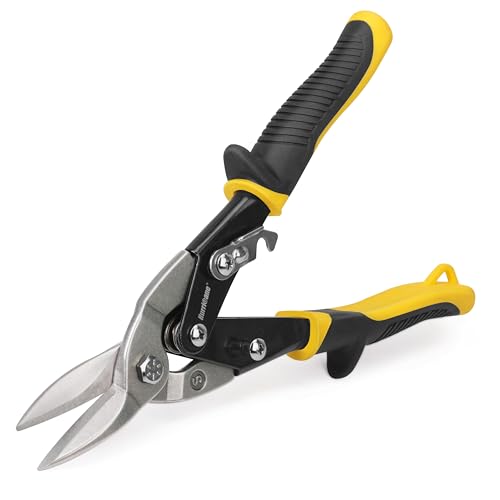
HURRICANE 10 inch Aviation Tin Snips, Straight Cut
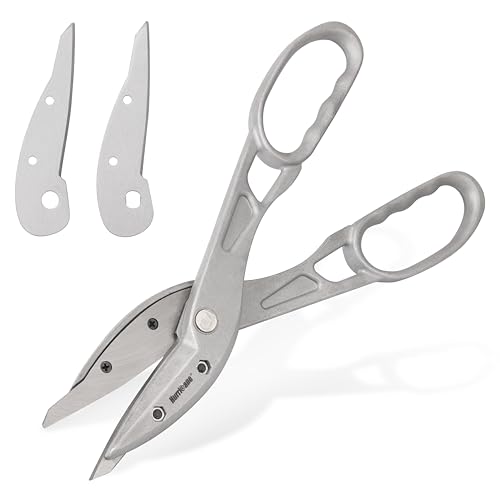
HURRICANE 12 Inch Aluminum Tin Snips, Straight Cut

MtiolHig Cordless Metal Nibbler for Milwaukee 18V

HURRICANE 3 pc Aviation Tin Snips Set, 10 Inch

MtiolHig Cordless Metal Nibbler for DeWalt 20V

MtiolHig Cordless Metal Nibbler for Makita 18V

Milwaukee M12 Fuel 16 Gauge Variable Speed Nibbler
The Strengths Of Each Pick
Detail work on aluminum trim, j-channel, and small flashing often calls for a quick plunge cut or a flush trim a jigsaw cannot reach, and an oscillating multi-tool handles that niche well. The VEVOR 50-piece blade set covers the common cut shapes you reach for in this category, including plunge-cut blades, segment saws, and fine-tooth variants suited to non-ferrous metals (metals without significant iron content, which includes aluminum).
Because the blades use a universal quick-release mount, the set plays nicely with most oscillating tools on the market. If you already own a popular oscillating tool, you can likely use these blades without an adapter, which makes the kit a flexible backup to whatever snip or shear you keep on the bench.
Useful Strengths
- 50 pieces let you swap profiles as the job changes, so a single purchase covers rough cuts and finish trims.
- Quick-release mount works with a wide range of multi-tool brands, reducing the chance of a drawer full of orphaned blades.
- Multiple blade geometries in one kit make it easy to test what bites best in your specific aluminum gauge.
- Having dedicated aluminum-rated blades avoids burning through general-purpose wood blades that dull fast on metal.
Things To Consider
- Verify your oscillating tool’s mount type before buying, because a few platforms use a proprietary interface that these blades do not fit.
- Owners commonly report that the included case can ship with loose compartments, so sorting the blades into a dedicated organizer helps keep small profiles from vanishing.
Who It Suits Best
Homeowners and remodelers who already own an oscillating multi-tool and need a broad assortment of aluminum-capable blades for trim, soffit, and detail cuts.
A Better Fit Elsewhere
Anyone facing long straight runs in sheet aluminum should reach for the HURRICANE 10 inch Aviation Tin Snips instead, since snips stay cleaner and faster on extended straight cuts.
A good pair of aviation snips remains the most forgiving way to break into cutting aluminum by hand, and the HURRICANE 10 inch Straight Cut pair is a tidy entry point. The 10-inch length gives the average-sized hand enough leverage to push through thin aluminum coil, flashing, and hobby stock without forearm fatigue.
The Cr-V steel (chromium-vanadium alloy steel, common in hand tools for its toughness) blades hold a clean edge on soft non-ferrous metals, and the Tyregrip handle stays planted even when your hands are dusty or lightly oiled. For short runs around a gutter repair or a backyard fab project, this is the kind of tool that pays for itself the first time you use it.
Reasons It Performs
- Straight-cut jaw geometry produces a flat, burr-light edge that needs minimal deburring before fitting.
- Tyregrip handle reduces the chance of the snips skating in your hand during long cuts.
- Compact enough to fit in a 5-gallon bucket along with other roofing or siding tools.
Honest Caveats
- Limited to thin stock, so do not expect it to power through heavy-gauge sheet or plate.
- Cutting curves with straight-cut snips feels awkward, which is the natural trade-off of the blade geometry.
Quick Facts
Made For
First-time DIYers who want a forgiving, low-cost snip for thin aluminum flashing, hobby panels, and weekend gutter patches.
Where A Sibling Pick Shines
The HURRICANE 3 pc Aviation Tin Snips Set is a smarter call for anyone trimming curves and straight runs in the same project, since it adds left- and right-cut jaws.
Long days cutting vinyl siding, HVAC strap, and aluminum trim punish heavy snips, and that is exactly where the HURRICANE 12 Inch Aluminum Tin Snips earn their place. The aluminum body drops significant weight compared to a steel-bodied 12-inch snip, which matters once you reach the hundredth cut of the afternoon.
The straight-cut jaw handles extended lines cleanly, and the replaceable blade design means a dull edge does not retire the whole tool. For installers and HVAC techs who rack up thousands of snip strokes a week, the fatigue difference versus a steel-bodied pair is real, and that is often the reason crews standardize on a lighter snip.
Points In Its Favor
- Aluminum body reduces hand and wrist fatigue during all-day siding or duct runs.
- Replaceable blade extends tool life and keeps cut quality consistent.
- Larger handles accommodate gloved hands during cold-weather exterior work.
- Cuts common HVAC and siding materials without forcing the user to switch tools.
Points To Keep In Mind
- Aluminum-bodied snips can dent if dropped on a hard jobsite surface, so a dedicated tool pouch pays off.
- Straight-cut geometry makes tight inside curves difficult, same trade-off as the 10-inch version above.
Right Fit For
Professional installers and HVAC techs who spend hours at a time cutting thin aluminum, copper, and vinyl siding in the field.
Skip It When
Garage hobbyists cutting only a few panels a month will get more value from the lighter-duty HURRICANE 10 inch Straight Cut pair without paying for the pro-oriented build.
A nibbler (a tool that punches out small crescent-shaped chips one stroke at a time) eats sheet metal without twisting or distorting it, which is why fabrication and roofing pros reach for one whenever a clean, low-burr cut matters. The MtiolHig Cordless Metal Nibbler drops into the Milwaukee M18 ecosystem, so anyone already running red batteries can pick this up as a bare tool and skip the charger.
The brushless motor spins at 1900 RPM, and the punch-and-die action chews through 18-gauge steel and stretches into aluminum without grabbing. The included assist handle makes two-handed control realistic on long cuts, which keeps the cut line true when the stock is wide.
A Strong Showing
- Brushless motor runs cool during long sessions, which usually translates to longer motor life.
- 18-gauge capacity handles typical HVAC, roofing, and fab-shop stock without bogging down.
- Bare-tool pricing is friendly to anyone with spare M18 batteries already on the shelf.
- Two-blade pack gives a fresh edge ready when the first one eventually dulls.
Trade Offs
- Bare tool means no battery or charger, so first-time Milwaukee shoppers need to budget for both.
- Nibblers throw small metal chips, so eye protection and a quick shop-vac pass after the job are worth planning for.
Key Specs
Best Suited To
Tradespeople and serious DIYers already committed to the Milwaukee M18 platform who want cordless freedom without buying a whole new battery system.
Reach For A Different Pick When
Anyone not invested in M18 batteries should look at the DeWalt-matched or Makita-matched MtiolHig variants below, which slot into those ecosystems instead.
Few things slow a metal job faster than reaching for the wrong snip, which is why a color-coded set is genuinely useful rather than just convenient. The HURRICANE 3-piece set ships straight, left-cut, and right-cut jaws in a single purchase, with the industry-standard color convention (yellow, red, green) built in.
The Cr-V blades handle thin aluminum, sheet steel, vinyl siding, and gutter stock, while the safety latch keeps the unused snips from opening in the toolbox. For a homeowner setting up a real workshop or a small contractor tired of borrowing the missing snip, this set fills the gap in one trip.
Real Benefits
- Three cut directions in one kit remove the common frustration of forcing the wrong snip through a curve.
- Color-coded grips shorten tool selection time on the ladder or in dim crawlspaces.
- Safety latch reduces the chance of a sharp edge nicking the inside of a tool bag.
Small Caveats
- Three snips take up more drawer space than a single pair, so plan a dedicated tray or pouch.
- Same thin-stock limitation applies as with other aviation snips, so heavy plate is out of reach.
Whose Shelf It Belongs On
Home workshop owners and gutter, siding, and HVAC crews who cut mixed straight and curved lines and want one organized kit instead of mismatched single snips.
Look Elsewhere When
Anyone planning to cut thick aluminum plate or large corrugated panels should consider the MtiolHig cordless nibblers later in this list, which handle heavier stock faster.
DeWalt’s 20V Max platform is one of the most common battery ecosystems on American jobsites, and the MtiolHig nibbler slots right into that wall of yellow batteries. The 20V system provides a slight power edge over 18V siblings, and in a nibbler that extra voltage shows up as steadier cutting under load on 18-gauge stock.
The brushless 1900 RPM motor, the assist handle, and the dual-blade package mirror the rest of the MtiolHig lineup, so the day-to-day cutting feel is consistent. For DeWalt users, that means adding a nibbler without committing to a new charger, batteries, or charger ecosystem.
Standout Benefits
- 20V Max battery pack feeds the brushless motor well during longer cuts in thicker stock.
- Bare-tool pricing rewards shoppers with spare DeWalt batteries on the bench.
- Assist handle keeps two-handed cuts stable, which matters for long straight lines.
Possible Compromises
- Bare tool only, so DeWalt newcomers need a separate battery and charger to get started.
- Regularly cutting very thick plate will exceed the tool’s rated capacity and dull blades faster.
Who Should Grab It
Contractors and serious DIYers who already run DeWalt 20V Max tools and want a cordless nibbler that fits the same batteries they use for drills and impacts.
Consider Something Else When
Shoppers without an existing battery platform might find the HURRICANE 3 pc Aviation Tin Snips Set a more affordable starting point, since hand snips need no batteries at all.
Makita’s LXT 18V system has been a jobsite favorite for years, and the MtiolHig nibbler is the platform-matched answer for shops that have standardized on teal batteries. The 1900 RPM brushless motor, the dual-blade pack, and the assist handle match the other MtiolHig variants, so the cutting experience is consistent across the family.
What changes here is fit: if you already own a stack of 18V LXT batteries, this nibbler plugs in without a second charger cluttering the bench. That is the entire point of platform-matched bare tools, and it usually pencils out cheaper than buying a brand-name equivalent on a one-off basis.
What Stands Out
- Native LXT compatibility removes the cost and clutter of a second charging system.
- 18-gauge capacity covers typical HVAC and roofing work without straining the motor.
- Brushless motor runs cooler, which generally extends tool life on heavy days.
Practical Considerations
- Bare-tool kit means no battery or charger in the box, so plan accordingly if LXT batteries are not already on hand.
- Like other nibblers, this one produces loose metal chips that need a quick cleanup after the cut.
Perfect Match For
Makita LXT users adding a metal-cutting tool to an existing 18V fleet without buying a new battery platform.
Not Your Match When
Anyone working on thin flashing and trim only may find the HURRICANE 12 Inch Aluminum Tin Snips faster and quieter for that lighter workload.
The Milwaukee M12 Fuel nibbler is the smallest and lightest tool in this roundup, and the one aimed at pros who reach for a nibbler almost daily. The 12V platform keeps the tool compact enough for tight electrical enclosures, ductwork corners, and shop fab work where a full-size 18V nibbler feels like overkill.
Variable speed control is the headline feature: dialing the speed down lets you start a cut in the middle of a panel without the die skating, and cranking it up moves through long straight runs quickly. The tool-free 360-degree die rotation means you can match the cut direction to the work without reaching for a wrench, which adds up over a long day.
Bright Spots
- Variable speed trigger gives precise control when starting cuts in the middle of a panel.
- Tool-free die rotation saves time on the bench and on the ladder.
- M12 platform is noticeably lighter on the wrist than full-size 18V nibblers.
- Cuts up to 12-gauge aluminum, which covers thicker plate than most hand snips can touch.
Worth Bearing In Mind
- Bare tool only, so first-time M12 shoppers need to budget for a battery and charger.
- M12 batteries deliver less sustained torque than 18V packs, so the very longest production cuts may feel slower than a full-size alternative.
Feature Snapshot
Who Will Love This
Daily users and professional fabricators who already run Milwaukee M12 tools and want a precision nibbler for HVAC, electrical, and shop metalwork.
Another Choice May Suit
Shops on a tighter budget or with no M12 batteries on hand will find the MtiolHig Milwaukee 18V nibbler a more affordable entry into cordless nibbling, even if it is a bit larger.
What To Weigh Before Choosing Your Aluminum Cutting Tool
Match the Tool to the Stock Thickness
The first decision is almost always the gauge of aluminum you plan to cut. Thin coil, flashing, and trim under about 0.04 inches cuts cleanly with aviation snips, and the noise, swarf, and learning curve are minimal. As stock thickens past 0.05 inches, hand snips start fighting you, and a powered nibbler earns its keep by keeping cuts square and low-burr. Plate thicker than about 0.1 inches is nibbler territory, and once you cross roughly 0.125 inches you should check the tool’s rated capacity closely, because pushing past it chews through blades and motors.
Hand vs. Cordless: When Each Earns Its Place
Hand snips win on simplicity. No batteries, no charger, no motor to burn out, and a thin snip fits in a pouch on a belt. For under twenty feet of cutting in a day, a quality pair of aviation snips is hard to beat. Cordless nibblers pay off when cuts get long, when stock gets thicker, when the workpiece is too big to flip comfortably, or when cut quality needs to be clean enough to skip heavy deburring. The trade-off is the upfront battery platform commitment, which is why matching the nibbler to batteries you already own is the most economical path.
Cut Direction and Blade Geometry
Aviation snips come in three flavors: straight, left-cut, and right-cut, and the colors yellow, red, and green have become the universal shorthand. Curved cuts, ductwork transitions, and inside radius work all go faster with a matched snip, so anyone doing more than occasional straight lines should look at a 3-piece set rather than a single pair. For oscillating blades and nibblers, the cut direction is less of an issue, but the blade profile still matters: finer teeth and dedicated non-ferrous blades stay sharp longer on aluminum than general-purpose wood blades.
Platform, Weight, and Jobsite Realities
Cordless nibblers only make financial sense when they share batteries with tools you already use. Adding a new 18V platform to buy one tool is a steep premium, and a 12V platform like the Milwaukee M12 system can be a smarter weight choice for overhead work even at the cost of some sustained torque. Weight also matters on hand snips: an aluminum-bodied 12-inch snip is noticeably friendlier to a full workday than a steel-bodied equivalent, which is why the HURRICANE 12 Inch Aluminum Tin Snips exist.
Key Considerations Across These Picks
Common Buying Slip Ups
The most common mistake in this category is buying a general-purpose wood blade for an oscillating multi-tool and expecting it to last on aluminum, because wood blades dull almost immediately on non-ferrous metal and the heat can scorch the workpiece. Another frequent miss is picking a single straight snip for a project with curves, then blaming the snip when the cut drifts. Verify cut direction before you buy, and check that any oscillating or cordless nibbler is rated for non-ferrous metal so you do not burn out a motor on day one.
What The Higher Tier Buys
Stepping up to a cordless nibbler or a premium brand like the Milwaukee M12 Fuel buys three things hand snips cannot match: cleaner cut edges that skip most deburring, the ability to cut thicker stock without exhausting your hands, and speed on long production runs. The price jump is real, but the upgrade pays off the moment a project stretches past a few short cuts, when a jobsite demands faster turnaround, or when the workpiece cannot be flipped easily. For occasional thin flashing and trim, a quality snip set remains the better value.
Frequently Asked Questions
What is the easiest tool to start with for cutting aluminum at home?
Aviation snips are the friendliest starting point for most homeowners, because they require no batteries, no setup, and only a few minutes of practice. A 3-piece set with straight, left, and right jaws covers nearly any thin aluminum or vinyl siding task a typical DIYer will face.
How thick of aluminum can hand snips cut?
Most quality aviation snips handle cold-rolled steel up to about 20 gauge, which translates to roughly 0.035-inch aluminum in practical terms. Thicker stock quickly becomes exhausting to cut by hand and tends to chew up the snip blades, so a powered nibbler is the better tool past that point.
Why is a nibbler better than a jigsaw for sheet aluminum?
A jigsaw tends to grab and vibrate on thin metal, which leaves rough, burred edges and can launch the workpiece. A nibbler punches small crescents of metal out of the cut path, which leaves a clean, low-burr edge and does not twist the sheet, making it the safer and cleaner choice for typical aluminum panels.
Do cordless nibblers need the same battery brand as your other tools?
Yes, in nearly every case. Nibblers from MtiolHig, Milwaukee, and other brands are platform-specific, so a Milwaukee M18 battery will not fit a DeWalt 20V tool. The most economical way to buy a cordless nibbler is to choose the one that matches batteries you already own.
How do you keep aluminum from sticking to the blade?
Apply a thin layer of cutting fluid, paste wax, or even a light coat of lubricant to the blade or cut path before starting. The fluid reduces friction and prevents galling, the tendency of aluminum fragments to weld to the cutting edge, which is the most common cause of rough cuts and premature blade dulling in this category.