Corrugated metal roofing has a personality of its own. The ridges that give it strength also fight every tool you bring to the job, and a standard circular saw will spit hot chips and chew through blades fast. You need tools that respect the profile, whether you’re trimming a panel for a backyard shed or fabricating drip edge on a long run.
This list covers the benders, shears, nibblers, and knives that show up most on roofing jobs in 2026. Each pick solves a different problem, from tight radius curves to straight panel cuts to folding hems. Pick by the work you’re actually doing, not by what’s loudest in the catalog.
A Side-By-Side Look
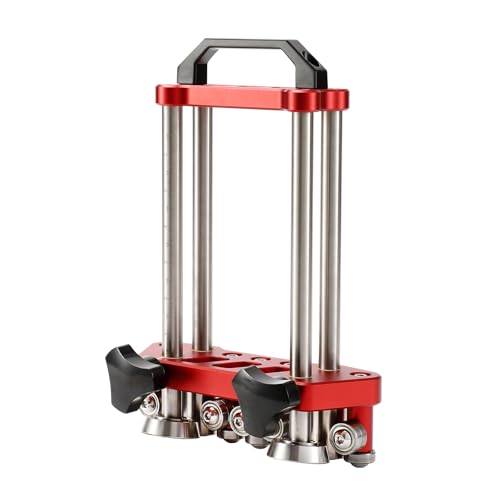
Uttempt Sheet Metal Roller 2 Station Metal Bender (7in)

DEWALT 20V MAX Metal Shear, Offset, 18GA (DCS496B)

BETOOLL 3-Piece Hand Seamers Sheet Metal Tools Set

Makita JN1601 16 Gauge Nibbler

SLNIHAMS 12 Inch Sheet Metal Folding Tool

Lizenoz 2PCS Fixed Blade Roofing Knife Set

Lizenoz 2-Pack Green Fixed Blade Roofing Knife

AJC Shingle Shear 093-AJCSS
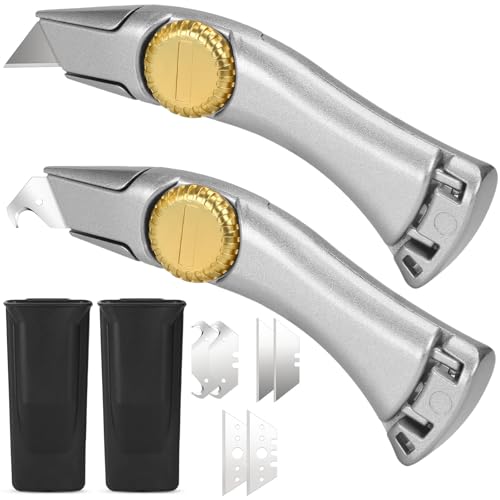
Lizenoz 2-Pack Silver Fixed Blade Roofing Knife
More Details On Our Top Picks
The Uttempt Sheet Metal Roller 2 Station Metal Bender is built around a simple, well-considered idea: don’t scratch the panel while you bend it. The angled roller geometry is the standout here, and it keeps contact marks off the finish even when you’re pushing a 90° fold through the jaws.
You get a 0–100° bending range, which covers most roofing profiles without forcing you to over-bend and then relax the angle. The 7-inch capacity is genuinely portable, so a contractor can carry it up a ladder or toss it in a truck bed without a second thought. For most installers working on snap lock panels or eave returns, this is the kind of tool that pays for itself the first time you avoid a scuff mark on a finish-coated panel.
Key Advantages
- Oblique roller design leaves no contact scratches on finished panels
- 0–100° range matches the bend angles used in residential roofing work
- Light enough to carry to a rooftop or remote site in one trip
- Two-station setup keeps the workpiece aligned through the bend
- Handles material widths from 7mm up to 180mm
Worth Noting
- The 7-inch capacity is the right size for trim and profile work, but you’ll need a wider bender for full panel runs
- Bending under 100° is its sweet spot; aggressive curves outside that range will need a different tool
Key Specs
Right Fit For
Roofing pros and fabricators who specialize in trim, profile panels, and snap lock installations on jobs where a scratch-free finish matters.
Skip It When
You’re running full-width standing seam panels; the SLNIHAMS 12 Inch Sheet Metal Folding Tool is a better match for that scale of work.
The DEWALT 20V MAX Metal Shear is the kind of tool that resets your expectations for what a cordless shear can do. The offset head geometry is the headline feature: it lets you see the cut line, follow a curve, and keep your wrist out of the way of the workpiece.
The tool-free 360° swivel head rotates to match the cut direction without you having to twist the body of the tool. That sounds like a small thing, but on a long spiral duct seam, it means cleaner cuts and less hand fatigue. You get up to 2,300 strokes per minute, which is enough to walk through 18-gauge steel without bogging down. For HVAC and metal roofing crews already running DEWALT 20V batteries, this is an easy add to the kit.
Everyday Advantages
- Offset head keeps your line of sight clear and your wrist neutral
- Swivel head rotates 360° without wrenches, so curves and circles get cleaner
- 2,300 strokes per minute handles 18-gauge steel without slowing you down
- Shares batteries with the rest of the DEWALT 20V platform
Trade Offs
- Tool-only listing means battery and charger are sold separately
- Not designed for thicker plate; it shines in sheet and duct, not structural steel
Whose Shelf It Belongs On
HVAC and metal roofing contractors who already own 20V MAX batteries and need a fast, fatigue-friendly shear for sheet steel and duct seams.
Reach For A Different Pick When
You need interior cutouts in corrugated panels; the Makita JN1601 16 Gauge Nibbler is the better tool for that job.
The BETOOLL 3-Piece Hand Seamers set is a workshop workhorse dressed in a plastic case. You get three pliers: a straight jaw, a 45° bender, and a 90° bender, each with a 2.4-inch jaw width. That width is enough to grip and shape most trim coil and flashing you’ll find on a residential roofing job.
The carbon steel construction with a heat-treated chrome finish gives you a tool that holds up to regular use without rusting in your truck box. The rubber handles matter more than they look: cold metal on bare hands for an afternoon of hem work is a good way to lose your grip. For homeowners and DIYers who want a complete bending kit without renting or borrowing, this is a clean answer.
Reasons It Performs
- Three pliers cover straight, 45°, and 90° bends in one purchase
- 2.4-inch jaw width handles the trim coil and flashing used on most homes
- Chrome-finished carbon steel resists corrosion in a humid or wet roof environment
- Rubber handles stay grippy when the temperature drops
Small Caveats
- Hand tools get tiring on long panel runs; a powered bender beats them for big jobs
- Best on thinner gauges; pushing 22-gauge steel through these by hand will wear you out
Who Will Love This
Homeowners and remodelers who need a reliable hand-bending kit for flashing, trim, and small repair jobs around the house.
Consider Something Else When
You’re bending long runs of coil; the Uttempt Sheet Metal Roller 2 Station Metal Bender is faster on that scale.
The Makita JN1601 16 Gauge Nibbler is a tool that solves one specific problem beautifully: cutting clean shapes out of corrugated metal without distorting the panel. A nibbler works by punching tiny crescents of material out of the cut path, rather than shearing along a line. That means you can cut a vent opening, a plumbing hole, or a notched corner without bending the rest of the panel with it.
The 360° die rotation is the headline feature, and it lets you pivot the cutting direction mid-stroke without rotating the whole tool. You get a 1/4-inch stroke length, which is generous for a nibbler and translates to faster material removal. The slim, light body and the integrated thickness gauge are quiet touches that show up in the workflow: you stop less, you measure less, and you finish faster.
Positive Takeaways
- 360° die rotation handles curves, circles, and notches without twisting your wrist
- 1/4-inch stroke removes material quickly, so cutouts finish in a reasonable time
- Built-in thickness gauge saves a trip back to the bench for a caliper
- Slim body stays comfortable during overhead and vertical panel work
Honest Caveats
- Punch and die wear over time; replacement parts are easy to swap but add to the cost of ownership
- Cuts a 16-gauge ceiling; pushing into heavier plate is out of its depth
Quick Facts
Perfect Match For
Roofing and HVAC pros who cut a steady stream of vent openings, pipe penetrations, and corner notches in corrugated and flat sheet metal.
A Better Fit Elsewhere
You mainly do straight cuts on long runs; the DEWALT 20V MAX Metal Shear, Offset, 18GA will be faster and easier to control.
The SLNIHAMS 12 Inch Sheet Metal Folding Tool is a manual bender built for the kind of work that ends with a long, straight hem in your hand. The 12-inch jaw is the spec that drives everything else: you can fold drive edges, cleats, and full-width pan stock in a single pull instead of inching along with a shorter tool.
Two preset fold depths, 3/8 inch and 1 inch, handle the most common seam and hem dimensions in HVAC and metal roofing. The trade-off is weight and footprint; this is not a pocket tool. For shop and bench work, though, it pulls its weight. If you’re fabricating plenums, trunk lines, or standing seam pans, you stop fighting the tool and start focusing on the layout.
A Strong Showing
- 12-inch jaw folds a full edge in one pass instead of multiple repositioned bites
- Dual fold depths (3/8″ and 1″) match the most common HVAC seam heights
- Heavy-duty build holds repeatability across hundreds of pieces in a day
- Works for drive cleats, joist panning, and hem returns without retooling
Where It Is Less Suited
- It is a bench tool, not a ladder tool; lugging it up a roof is a workout
- Two preset depths cover most jobs, but odd-size folds need a different bender
At A Glance
Made For
Shop-based HVAC fabricators and metal roofing crews who build duct and standing seam components on a bench before taking them to the site.
Not Your Match When
Your bending happens on the roof or in the field; the Uttempt Sheet Metal Roller 2 Station Metal Bender is the more portable option.
The Lizenoz 2PCS Fixed Blade Roofing Knife Set is a simple, honest tool for cutting roofing felt, shingles, and underlayment. The fixed blade design removes one common failure point: a retractable mechanism that loosens with dirt and grit. With a screw-lock system holding the blade in place, you get consistent depth and angle across a full day’s work.
Two knives in the set means one lives in your pouch and one stays sharp in the truck. For shingle work, the heavy blade and secure lock give you a cut that follows your line without skipping. It is not a metal-cutting knife, so leave the corrugated work to the shears and nibblers, but for everything else on a roof, this is a real workhorse.
The Upside
- Fixed blade with screw lock stays rigid, even when the handle is wet or dusty
- Two-knife set covers a spare, a partner, or a left-handed grip
- Works on felt, shingles, drywall, and vinyl with the same blade
Things To Consider
- Fixed blade means a sheath or pouch matters for safe transport
- Not the right tool for cutting corrugated metal itself; pair it with a shear or nibbler
Who Should Grab It
Roofing crews and remodelers who cut underlayment, felt, and shingles all day and need a knife that doesn’t quit halfway through.
Look Elsewhere When
You want a retractable design for safer pocket carry; the Lizenoz 2-Pack Green Fixed Blade Roofing Knife is a similar tool with a retractable option.
The Lizenoz 2-Pack Green Fixed Blade Roofing Knife in green is the more safety-forward option in this line. The retractable mechanism is the design choice that matters: you can pull the blade back into the handle when you set the tool down, which is a meaningful improvement on a ladder or a sloped roof.
The non-slip ergonomic handle is shaped for long sessions without hot spots on your palm. For a homeowner doing a single repair, or a contractor handing a tool to a less experienced helper, the retractable feature adds a margin of safety that the fixed-blade version does not. The trade-off is a moving part that can collect grit over time, so a quick blow-out and a drop of oil now and then keeps it sliding smoothly.
Bright Spots
- Retractable blade reduces the chance of a pocket or pouch cut between uses
- Non-slip ergonomic handle stays grippy during long cutting sessions
- Two-pack gives you a backup or a tool for the truck and the pouch
Less Ideal Details
- Retractable mechanism needs occasional cleaning to stay smooth
- Green color is easy to spot on a roof but easy to leave behind at the end of the day
Best Suited To
DIYers and homeowners who cut roofing material occasionally and want a forgiving, lower-risk tool for ladder and single-story work.
Another Choice May Suit
You’re a full-time roofer who values rigidity over retractability; the Lizenoz 2PCS Fixed Blade Roofing Knife Set is the more rigid option.
The AJC Shingle Shear 093-AJCSS is a purpose-built tool that solves a frustrating problem: cutting thick laminate shingles without a saw, and doing it on the roof. The lightweight aluminum body keeps the tool light enough to use one-handed, and the spring-loaded tension adjustment is a real engineering touch that lets you match the cut to the material.
The integrated scales measure length and roof pitch angles, which is a feature you don’t appreciate until you’re up on a 7-pitch roof without a square. The rubber feet and the attached bracket are the rooftop stability story: you can set the shear on a panel, mark a measurement, and pick it back up without chasing it down the slope. It handles steel up to 26 gauge and aluminum up to 20 gauge, so the soft metal roofing trims are in play too.
The Good Stuff
- Lightweight aluminum body cuts hand fatigue on long shingle runs
- Built-in scales for length and pitch angles remove a trip back to the truck
- Rubber feet and bracket keep the shear planted on a sloped surface
- Cuts steel up to 26 gauge and aluminum up to 20 gauge for soft metal trim work
Practical Considerations
- Not designed for hard corrugated steel; soft metals and shingle cuts are its lane
- Spring tension takes a few cuts to dial in for a new material thickness
Feature Snapshot
Who It Suits Best
Roofing contractors who cut shingle and soft metal trim on the roof and want a tool with built-in layout references.
Where A Sibling Pick Shines
You’re cutting harder corrugated panels; the Makita JN1601 16 Gauge Nibbler is built for that material.
The Lizenoz 2-Pack Silver Fixed Blade Roofing Knife is the value-packed option in the line, with three blade designs, two of each for a total of six blades, and a pair of knives that share the same handle format. The variety means you’re set up for cutting felt, scoring shingles, slicing vinyl, and trimming underlayment without swapping between tools.
The closed, fixed design keeps the blade rigid, and the included sheaths give you a safe way to carry the second knife on a belt. This is a sensible choice if you want flexibility across multiple materials on a job site, and you don’t want to buy a separate specialty knife for each task. The honest read is that for specialty cuts in heavy material, you’ll still want a dedicated tool, but for everyday roofing cuts, the set covers the bases.
Everyday Perks
- Three blade designs, six blades total, cover the most common roofing cuts
- Sheaths included for safer belt carry between cuts
- Closed, fixed design keeps the blade stable during full-length cuts
Some Limits To Know
- Six blades won’t last forever on a daily work pace; replacement blades are an ongoing cost
- Not a substitute for powered shears or nibblers when working in corrugated metal
Right Fit For
Roofing and remodel crews who handle a mix of felt, shingles, vinyl, and underlayment on varied jobs and want one kit to cover all of it.
Swap It Out When
You spend most of your time in corrugated metal; the DEWALT 20V MAX Metal Shear, Offset, 18GA is the right tool for that work.
What To Match Up Before You Buy
Cutting corrugated metal roofing cleanly comes down to matching the tool to the cut, not buying the most aggressive option. Panel thickness, gauge, and the shape of the cut (straight line, curve, notch, or hem) drive the right tool choice more than brand or price.
Thin residential panels in the 26 to 29 gauge range are forgiving and accept nibblers, offset shears, and even snips. Thicker 18 to 22 gauge panels need a real powered shear or nibbler to keep cuts clean without distorting the corrugation around the cut line. For interior cutouts like vent openings and pipe penetrations, a nibbler wins on almost every job; for long straight runs, an offset shear is faster and easier to control.
Bending and folding are a separate decision. Manual seamers work for short trim and flashing, but for full edges and standing seam work, a longer folding tool saves time. If you bend at the bench, a 12-inch jaw is the practical minimum. If you bend on the ladder, a compact roller bender keeps the panel from getting scratched in the process.
Finally, think about how often you’ll use the tool. A homeowner doing a single repair doesn’t need a 20V MAX platform, but a contractor who cuts panels every week does, because the time savings across a year of work cover the upfront cost quickly.
A Few Things Worth Thinking About
Common Buying Mistakes On These Tools
The most frequent error is matching a shear to work that needs a nibbler. A shear makes a beautiful straight cut but punishes you on a tight radius or interior notch. Picking the wrong tool for the cut shape costs time and blades, and it leaves a rougher edge than the right tool would.
A second trap is buying a folding tool that’s too short. Short jaws mean you reposition for every fold, and the cumulative time across a long edge is significant. Measure the longest edge you actually fold before you commit to a jaw size.
Where The Extra Money Goes On Premium Tools
Higher-tier shears and nibblers earn their keep through build quality, replaceable wear parts, and platform compatibility. A premium shear that shares batteries with your other 20V tools saves the cost of a separate battery system. A nibbler with a user-replaceable punch and die saves the cost of a new tool every time the cutting edges wear out. For weekend warriors, the upgrade is harder to justify. For daily users, it pays for itself in less downtime and longer tool life.
Frequently Asked Questions
What gauge of corrugated metal can these tools handle?
Most cordless shears and nibblers in this list cut cleanly through 16 to 18 gauge steel. The hand seamers and folding tools are designed for the thinner 22 to 29 gauge material used in most residential roofing.
Do I need a separate tool for cutting and bending?
Yes, generally. Shears, nibblers, and knives handle cuts, while rollers, seamers, and folding tools handle bends. A few specialty tools blur the line, but for clean work, keeping cut and bend tools separate gives better results.
Can a circular saw cut corrugated metal roofing?
A circular saw with a metal-cutting blade can make long straight cuts, but it throws hot chips, leaves a burr, and tends to distort the panel around the cut. For most roofing work, an offset shear or nibbler gives a cleaner result with less risk to the panel finish.
Is a nibbler or a shear better for corrugated panels?
It depends on the cut. A shear is faster for straight lines and gentle curves. A nibbler is the right tool for interior cutouts, notches, and tight curves, because it removes small bits of material without distorting the surrounding panel.
How long do nibbler punches and dies last?
Under regular use on 16 to 18 gauge steel, expect months of service before the cut quality starts to suffer. Cutting harder material or pushing the tool beyond its rated capacity shortens that window noticeably.