Cutting metal roofing demands respect. A wrong angle, a slipping blade, or a tool that simply isn’t built for the gauge you’re feeding it can turn a Saturday project into a frustrating, even dangerous, experience. The right gear handles seams, ribs, and corrugated panels without throwing sparks in your face or leaving burrs along every edge. Below is a curated lineup covering shears, nibblers, band saws, rollers, hand seamers, circular saws, and fixed-blade knives, so you can match the tool to the cut, whether you’re trimming a single panel or shaping ridge caps for an entire outbuilding.
The Lineup, Simplified
PickWhy We Picked ItBest ForAction

Heavy Duty Pick
DEWALT Portable Band Saw, 10 Amp, 5-Inch (DWM120K)
Deep cut capacity, corded power
Thick stock and pipe work
Workshop Pick
Uttempt 2 Station Sheet Metal Roller & Bender (7in)
Clean 0-100° panel bends
Standing seam and trim work

Cordless Convenience
DEWALT 20V MAX Offset Metal Shear, 18GA (DCS496B)
Swivel head for tight spaces
Cordless detail cuts

Hand Tool Favorite
BETOOLL 3-Piece Hand Seamers Set (Straight, 45°, 90°)
Three jaw angles, one kit
Tight folds without power

Performance Leader
Makita JN1601 16 Gauge Nibbler
Rotating die, ergonomic grip
Corrugated and profile cuts
All-Around Saw
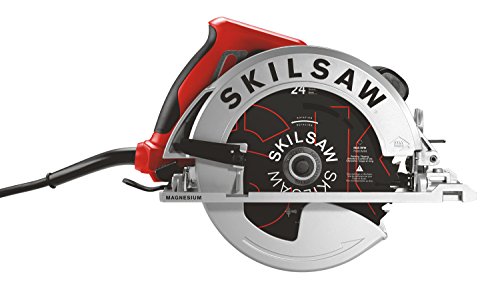
SKILSAW SPT67WL-01 15 Amp Sidewinder Circular Saw
Lightweight pro-grade motor
Long straight panel runs

Budget Friendly
Lizenoz 2PCS Fixed Blade Roofing Knife Set
Screw-lock fixed blade security
Shingle and membrane slicing

Everyday Favorite
Lizenoz 2-Pack Green Fixed Blade Roofing Knife
Retractable safety, green grip
Daily roofing tear-outs
Multi-Blade Value
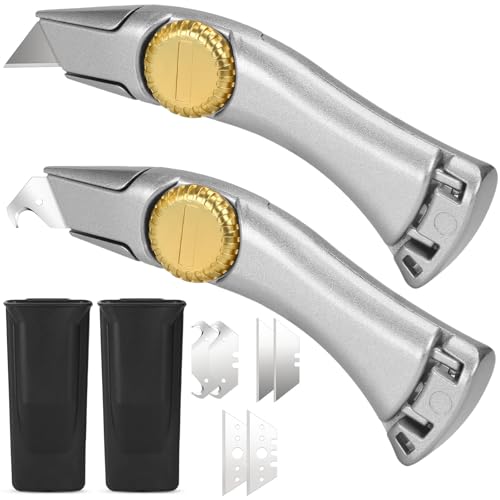
Lizenoz 2-Pack Silver Fixed Blade Roofing Knife
Six blades across two knives
Multi-material cutting jobs
A Closer Look At Each Pick
When a metal roofing job shifts from panel work to cutting thick stock, a band saw earns its keep. The DWM120K pairs a 10 amp motor with a 5-inch deep cut capacity, which means it handles round or rectangular stock that would choke a smaller tool. For contractors working on barns, warehouses, or any structure with structural metal under the panels, that depth removes the need to drag out a second saw.
An LED sight light, a serviceable steel shroud, and rubber bumpers round out a package built for real jobsite punishment. The corded design trades portability for consistent power delivery, so there’s no battery anxiety on long days. Compared to the nibbler in spot 5, this saw is heavier and less nimble but cuts much deeper in a single pass.
A Favorable Mix
- ✓10 amp motor delivers steady, controlled cutting force for thick material
- ✓5-inch deep cut handles round and rectangular stock in a single pass
- ✓LED sight light improves cut line visibility in low light
- ✓Rubber bumpers and steel shroud absorb jobsite drops without damage
- ✓Corded power means no mid-cut battery swaps on long days
Honest Caveats
- •Corded setup limits reach on large roofs without extension cords
- •Heavier than a nibbler, so it’s tiring for overhead or extended vertical cuts
- •Best paired with a bi-metal blade for clean finishes in harder alloys
Key Attributes
| | Feature | Specification | Why It Matters |
|---|
| Motor | 10 amp | Maintains cutting speed through dense metal without bogging |
| Cutting Capacity | 5 inches deep | Handles pipe, tube, and thicker roofing stock in one pass |
| Work Light | LED sight light | Marks the cut line clearly in dim attic or shed interiors |
| Shroud | Serviceable steel | Takes jobsite abuse and simplifies field repairs |
Who It Suits Best
Contractors and serious DIYers who regularly cut thick metal stock alongside panel work and want a single tool that handles pipe, tube, and structural material on demand.
Look Elsewhere When
You mostly trim thin 26- or 29-gauge panels and want a lighter, quieter cordless option, where the DEWALT 20V MAX Offset Metal Shear, 18GA (DCS496B) fits the bill more comfortably.
Bending sheet metal cleanly is what separates a professional-looking roof from one that lets water in at every seam. The Uttempt 2 Station Metal Bender takes a panel from 0 to 100° through an oblique bearing design that won’t scratch the surface on 90° bends. That angled roller matters when you’re forming drip edges, ridge caps, or valley pans and want a finish that doesn’t show tooling marks.
The tool handles material lengths between 7mm and 180mm, so most trim and panel profiles fit comfortably in the jaws. Unlike the hand seamer in spot 4, this roller provides consistent pressure along the entire bend, which is the difference between a wavy fold and a crisp lock. For hobbyists and pros focused on snap-lock panels and eave bends, it’s a compact shop companion.
What Earns Its Place
- ✓0-100° bending range covers eaves, ridges, and most roofing profiles
- ✓Angled roller design prevents scratches on 90° bends
- ✓Lightweight and portable enough to move between job and bench
- ✓2-station setup speeds up forming repeated bends
Soft Spots
- •180mm width limits very wide panel work without repositioning
- •Manual operation requires good grip strength for thicker gauges
- •Less useful for cuts; this is a forming tool, not a cutter
Right Fit For
Roofers and fabricators who need clean, repeatable bends for trim, drip edges, and standing-seam panels, and who already own a separate cutting tool for slicing stock to length.
Skip It When
You mainly need to slice and trim panels on the roof rather than form them in a shop, where the BETOOLL 3-Piece Hand Seamers Set offers a more field-friendly approach.
Trim work on metal roofing happens in awkward spots, around vents, skylights, and existing flashing where a straight-on shear simply won’t reach. The DCS496B solves that with a 360° tool-free swivel head and an offset blade geometry that turns cleanly inside tight corners. You can literally pivot the cutting head to match the angle of your cut without twisting your wrist.
Rated for 18-gauge steel and rated to handle 20-gauge spiral duct seams, this tool is built for the kind of fine detail work that bigger saws can’t manage. It’s a tool-only body, so you bring your own 20V MAX battery to the job. For most homeowners and remodelers already in the DEWALT battery ecosystem, that keeps the cost down and the tool lineup consistent.
Real Benefits
- ✓360° swivel head reaches awkward angles without awkward wrist positions
- ✓Offset blade design turns tight circles and cuts spiral duct seams easily
- ✓18-gauge steel capacity covers most residential metal roofing
- ✓Tool-only body fits existing 20V MAX battery collections
Points To Keep In Mind
- •Battery and charger sold separately if you’re outside the DEWALT system
- •Stroke speed drops noticeably in thicker stock above 18 gauge
- •Cutting through heavy-gauge roofing in long runs drains batteries quickly
Feature Snapshot
| | Feature | Specification | Why It Matters |
|---|
| Cutting Capacity | 18 gauge steel | Covers most residential metal roofing profiles |
| Head | 360° tool-free swivel | Reaches tight corners without repositioning the body |
| Design | Offset shear | Turns clean circles and follows complex curves |
| Power | 20V MAX battery (sold separately) | Matches existing DEWALT battery systems for convenience |
Made For
Existing DEWALT 20V MAX owners who need a clean, controlled cordless shear for trim cuts around vents, flashing, and detail work on residential metal roofing projects.
Consider Something Else When
You regularly cut long, straight runs across full panels, where a circular saw or the SKILSAW SPT67WL-01 will fly through the work faster.
Sometimes the smartest tool is the quietest one. The BETOOLL 3-Piece Hand Seamers Set gives you straight jaw, 45°, and 90° bending pliers, each with a 2.4-inch wide jaw, all packaged in a storage case. There is no cord, no battery, no moving parts to fail on a cold roof at dawn. For small folds, hemming, and flattening seams, hand seamers deliver control that powered tools struggle to match.
The carbon steel construction with a heat-treated chromium surface resists corrosion in wet outdoor conditions, and the rubber handle keeps grip secure when gloves are damp. You won’t push a whole re-roofing job with these, but for HVAC-style metal work and detail bending on the fly, they belong in every roofer’s truck.
What Pays Off
- ✓Three jaw angles (straight, 45°, 90°) cover most field bending needs
- ✓Carbon steel body with chromium finish handles damp outdoor work
- ✓Storage case keeps all three pliers organized in your truck
- ✓No power source required, so it’s always ready to use
Possible Compromises
- •Hand strength limits thickness, especially on long bends in heavy gauge
- •Slower than powered rollers for long production runs
- •Jaw width caps reach on very wide folds without repositioning
Best Suited To
Roofers and HVAC technicians who need quick, controlled folds in the field without hauling power tools up a ladder for every small adjustment.
Another Choice May Suit
You’re forming full-length ridge caps or drip edges, where the Uttempt 2 Station Sheet Metal Roller & Bender produces straighter, more consistent bends over long material.
A nibbler eats metal the way a hole punch eats paper, only in a controlled strip. The Makita JN1601 punches through keystone plate, deck plate, and other corrugated roofing materials with a clean, precise action that won’t distort the surrounding profile. Its 360° rotating die means you can follow curves and start cuts in awkward spots without flipping the workpiece.
The slim, ergonomic body reduces fatigue when you’re making long cuts overhead or in tight spaces where larger saws can’t fit. A built-in thickness gauge is a small but practical touch, so you can confirm material before committing. For corrugated and profile roofing, this is often the only tool that gets the job done without crushing the ribs.
Useful Touches
- ✓360° rotating die follows curves and starts cuts at any angle
- ✓Slim, lightweight body reduces fatigue on long overhead cuts
- ✓Built-in thickness gauge helps verify material before cutting
- ✓Easy punch and die replacement simplifies field maintenance
Less-Strong Areas
- •Limited to 16-gauge maximum, so heavier plate work is out of reach
- •Cutting speed is slower than a circular saw on long straight runs
- •Replacement punches and dies add to long-term ownership cost
Technical Sheet
| | Feature | Specification | Why It Matters |
|---|
| Capacity | 16 gauge | Handles most residential and light commercial roofing profiles |
| Die | 360° rotating | Starts cuts at any angle without flipping the panel |
| Stroke | 1/4 inch | Produces clean, precise cuts in corrugated and plate material |
| Body | Slim, ergonomic | Reduces hand and wrist fatigue during long cutting sessions |
Who Will Love This
Tradespeople working with corrugated, keystone, and deck plate roofing who need a controlled cut that won’t deform the surrounding ribs or profile.
Reach For A Different Pick When
Your work is mostly flat panel trim in 18 to 22 gauge, where the DEWALT 20V MAX Offset Metal Shear, 18GA (DCS496B) handles thinner material faster and with less tool investment.
Most metal roofing cuts are long, straight panel slices, and a circular saw with the right blade handles them in seconds. The SKILSAW SPT67WL-01 is one of the lighter pro-grade sidewinders on the market, pairing a 15 amp motor with a 7-1/4 inch blade capacity. The Dual-Field motor design, originally engineered specifically for saws, keeps the tool cool during extended cuts.
For users comfortable with circular saws, this is a familiar form factor that accepts standard metal-cutting blades. You can swap in a carbide-tooth metal blade and start slicing corrugated or flat panels immediately. The lighter weight makes a real difference when you’re cutting overhead or carrying the saw up ladders, especially on multi-day jobs.
Notable Gains
- ✓Lightweight sidewinder body reduces fatigue during long cutting days
- ✓15 amp motor maintains blade speed through dense metal panels
- ✓Accepts standard 7-1/4 inch metal-cutting blades for flexible use
- ✓Dual-Field motor runs cooler during extended production cuts
Worth Bearing In Mind
- •Corded design limits reach on large roofs without generator power
- •Requires a proper metal-cutting blade, not the standard wood blade
- •Generates heat and sparks, so nearby surfaces need protection
Whose Shelf It Belongs On
Roofers and metal-building contractors who already work with circular saws and want a familiar, fast tool for long, straight panel cuts across corrugated and flat stock.
Swap It Out When
Your cutting is concentrated on tight curves and detail trim, where the Makita JN1601 16 Gauge Nibbler handles complex shapes with far less risk of deforming the profile.
No tool kit is complete without a serious knife, and roofing is no exception. The Lizenoz 2PCS Fixed Blade Roofing Knife Set uses a screw-lock system that keeps the blade firmly in place, no retraction mid-stroke, no slip when the material is wet. That fixed-blade stability matters when you’re cutting underlayment, shingle tabs, or membrane around a metal roof edge.
These knives handle roofing, drywall, vinyl, and carpet without complaint, so they pull double duty on job sites where multiple materials need slicing. The black fixed-blade design reads as a serious tool rather than a generic utility knife. For beginners building out a first roofing kit, two knives for backup is a smart call.
Useful Strengths
- ✓Screw-lock fixed blade stays put during heavy cuts, no retraction mid-stroke
- ✓Works across roofing, drywall, vinyl, and carpet tasks
- ✓Two-knife pack provides a backup on long jobs
- ✓Solid blade stability improves control on wet or slick materials
Practical Considerations
- •Fixed blade limits use in tight pockets where a folding knife is safer
- •Sheath quality and grip ergonomics are basic compared to premium fixed blades
- •Not designed for slicing through metal panels themselves
Perfect Match For
First-time roofers and DIY homeowners who need a dependable, no-fuss knife for cutting underlayment, shingles, and membrane around metal roofing installations.
A Better Fit Elsewhere
You need quick blade changes between tasks, where the Lizenoz 2-Pack Green Fixed Blade Roofing Knife offers a retractable design with similar grip security.
Daily roof work puts a knife through a lot of abuse, and the Lizenoz Green 2-Pack handles it with a retractable blade design that adds a layer of safety when the tool goes into a pocket. The non-slip ergonomic handle stays comfortable during long hours, which is the difference between a useful tool and a hand cramp by the end of the day.
The green color is a small touch, but it makes the knife easier to spot when it’s set down on a tarp, in grass, or among roofing debris. For professionals who replace blades often and value quick, secure retraction, this set earns its spot on the belt.
What Works In Its Favor
- ✓Retractable blade improves pocket safety compared to fully fixed designs
- ✓Non-slip ergonomic grip reduces hand fatigue across long workdays
- ✓Bright green color improves visibility on busy job sites
- ✓Two-pack pricing supports quick blade swaps and backup
Trade-Offs To Consider
- •Retractable mechanism adds moving parts that can wear over time
- •Not designed for cutting through metal panels themselves
- •Best suited for underlayment and membrane work, not heavy-duty slicing
Built With In Mind
Working roofers who prefer a retractable safety feature and need a comfortable, high-visibility knife they can use all day on underlayment, shingles, and membrane.
Where A Sibling Pick Shines
You work around sparks or in wet conditions where a fully fixed blade offers more stability, where the Lizenoz 2PCS Fixed Blade Roofing Knife Set provides a screw-lock design with no moving parts.
Variety matters when one blade profile doesn’t fit every cut. The Lizenoz Silver 2-Pack ships with three differently designed blade shapes, two of each, for six blades total across the set. That range covers most roofing, drywall, and general construction slicing without the need to shop for additional replacements right away.
The closed fixed-blade design keeps the blade locked in place during use, and the included sheaths with secure holders make it easy to carry both knives on a belt or in a pouch. For users who tackle mixed-material tear-outs and want a versatile backup knife ready to go, this set delivers real flexibility at a low entry point.
Positive Points
- ✓Six blades across three profiles handle most roofing and construction cuts
- ✓Closed fixed-blade design prevents unwanted retraction during use
- ✓Sheaths with secure holders simplify belt carry and storage
- ✓Two-knife pack keeps a sharp backup within reach all day
Factors To Consider
- •Sheath retention quality is basic compared to premium tool belts
- •Not intended for cutting metal panels, only adjacent materials
- •Blade shape variety may exceed the needs of single-task users
Who Should Grab It
Roofers and remodelers who frequently switch between materials, want a multi-blade backup kit, and appreciate carrying sheaths for safe transport between tasks.
Not Your Match When
You primarily cut underlayment and need a single comfortable everyday knife, where the Lizenoz 2-Pack Green Fixed Blade Roofing Knife keeps things simpler with one solid retractable design.
Picking The Right Metal Roofing Cutter For Your Project
The best cut starts with matching the tool to the material, the cut shape, and your worksite. A nibbler and a circular saw both cut metal roofing, but they produce very different results and demand very different workflows. Think about what you’ll actually be doing on the roof before chasing the most powerful tool on the shelf.
Gauge And Material Thickness
Gauge defines the wall thickness of metal roofing, with lower numbers meaning thicker steel. 29-gauge panels behave very differently under a blade than 18-gauge structural stock, and tools rated only for thin panel work will stall, overheat, or jam when pushed past their capacity. Always confirm a tool’s gauge rating against the thinnest and thickest material you expect to cut. The DEWALT 10 Amp Portable Band Saw, 5-Inch (DWM120K) handles thicker stock, while the Makita JN1601 16 Gauge Nibbler fits standard roofing profiles.
Cut Shape And Direction
Long, straight panel runs call for a circular saw or band saw. Tight curves, circles, and notches around vents require a nibbler or offset shear. Closed profiles, like standing seam panels, can crush under a saw blade, so a nibbler or hand seamer is the safer choice. Match the tool to the geometry, not the other way around.
Power Source And Jobsite Reach
Corded tools deliver consistent power but limit mobility. Cordless options trade runtime for freedom of movement, and battery compatibility matters if you already own a 20V MAX or similar platform. For remote roofing sites without easy power, a generator or battery platform may make the call for you.
Smart Choices Before You Buy
Pitfalls Shoppers Hit
The most common mistake is treating all metal roofing tools as interchangeable. A circular saw without a proper metal-cutting blade is a safety hazard. A shear rated for 22-gauge will jam on 18-gauge. Skipping the blade or accessory cost in your budget leaves you with a tool that technically works, but only after another purchase. Always match the tool to the gauge, buy the right blade or consumables, and confirm the cut shape before committing.
What Separates Premium From Basic
Higher-tier metal cutters typically add ergonomic refinements, swiveling heads, rotating dies, and brushless or dual-field motors that run cooler and last longer. Those features show up most clearly during long production days, where heat buildup and fatigue separate a workhorse from a tool you avoid pulling out. For occasional residential work, mid-tier picks deliver everything most projects need. For daily professional use, the upgrade usually pays back in saved time and reduced wear on your body.