Plastic doesn’t behave like wood or metal. It melts under friction, shatters under pressure, and leaves rough burrs when the wrong blade catches it. Anyone who has tried trimming PVC with a dull hacksaw knows the frustration of crooked edges and cracked fittings.
The picks below handle the most common plastic-cutting jobs: tubing, sheet, soft caulking, and even garden trim that crosses into plastic territory. Each one earned its spot for a specific reason, from ratcheting pipe shears that save your wrist to compact tubing cutters for tight crawlspaces.
The Essentials At A Glance
The Essentials At A Glance

Tamiya TAM74104 Basic File Set – Smooth Double-Cut

RIDGID 40617 Model 101 Close Quarters Tubing Cutter
CobraHead Original Weeder & Cultivator
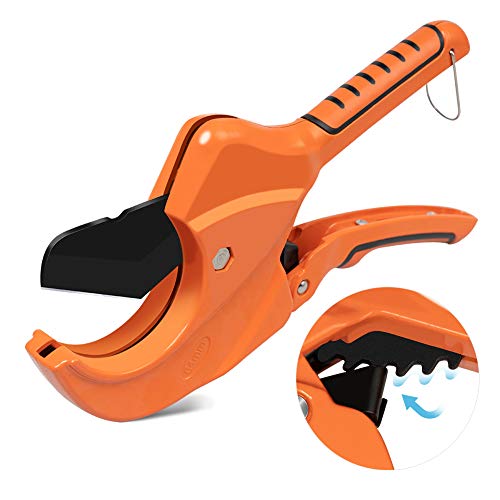
AIRAJ Ratchet PVC Pipe Cutter 2-1/2″

AIRAJ PVC Pipe Cutter 1-3/4″
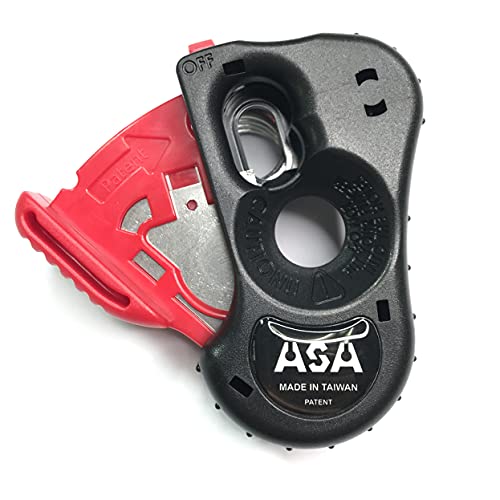
ASA Silicone Cartridge Tip Cutter

AIRAJ Ratchet PVC Pipe Cutter 3″
What Each Pick Brings To The Table
Files aren’t the first thing that comes to mind for cutting plastic, but a smooth double-cut set earns its place when you need clean edges on styrene, ABS, or soft PVC. The Tamiya set arrives as a three-piece kit with each file sharing a 140 mm total length, small enough to control and detailed enough to shave a fraction of a millimeter at a time.
Modelers and crafters who trim sprues, bevel edges, or shape scratch-built parts will find the double-cut pattern (rows of teeth cut in two directions) aggressive enough to bite into hard plastic without skidding. Compared to the pipe-focused picks later in this list, this one is built for finesse, not bulk material removal.
Everyday Advantages
- Compact 140 mm length gives you precise control on small parts
- Smooth double-cut teeth leave cleaner edges than single-cut alternatives
- Three-piece set covers flat, half-round, and round profiles in one kit
- Lightweight enough for extended detail work without hand fatigue
Things To Consider
- Not suited for thick pipe or large plastic sheet projects
- Requires some technique to avoid scoring soft plastics too deeply
Key Product Details
Best Suited To
Modelers, scratch builders, and hobbyists who trim sprues and refine edges on small plastic parts.
Look Elsewhere When
You need to slice through 1-inch PVC plumbing, where the RIDGID 40617 Model 101 will deliver a faster, square cut.
Plumbers reach for the RIDGID Model 101 when the pipe sits one inch from a stud or behind a tight joist. The 1/4-inch to 1-1/8-inch cutting range handles the small-diameter copper, PEX, and CPVC lines that dominate residential repairs. Its slim profile slides into spots a standard cutter cannot.
A knurled feed knob, the textured metal dial you turn to advance the cutting wheel, lets you apply controlled pressure one-handed. That detail matters when your other hand is bracing the pipe in midair. For anyone fixing supply lines under sinks or in basement chases, this is the cutter most pros already own.
Useful Strengths
- Slim body fits inside stud bays and tight under-sink spaces
- 1/4″ to 1-1/8″ capacity covers most residential supply lines
- Works on copper, aluminum, brass, and plastic without swapping tools
- Knurled feed screw gives one-handed pressure control
Trade Offs
- Upper limit of 1-1/8″ rules out 1.5″ drain work and similar larger lines
- Replacement wheels eventually need sourcing for long-term ownership
- Not designed for the thicker, schedule-rated PVC that irrigation uses
Feature Snapshot
Made For
Plumbers and DIYers cutting small-diameter supply lines in tight crawlspaces, behind walls, or under sinks.
Consider Something Else When
You need to cut drain and irrigation lines above 1-1/8″, where the AIRAJ 3-inch ratcheting cutter handles the larger diameters without straining.
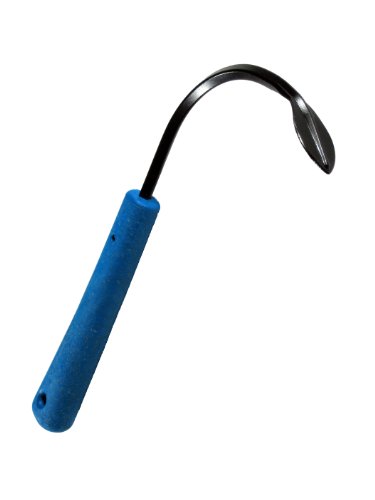
The CobraHead is not a cutter in the traditional sense, but its curved tempered-steel blade slices through landscape edging, plastic plant labels, and drip irrigation tubing surprisingly well. Gardeners who already own one for weeding often discover it works just as well for trimming soft plastic in the soil.
The recycled plastic handle is comfortable for right- or left-handed use, and the blade’s shape lets you hook under plastic and lift it out without disturbing nearby plants. It earns its place here as a hybrid tool, equal parts cultivator and light plastic trimmer, useful for the outdoor jobs the other picks ignore.
The Helpful Details
- Curved blade hooks under buried landscape edging to lift and cut
- Recycled plastic handle works equally well for left- and right-handed users
- Built in the USA from tempered steel for long service life
- Double-duty as a weeder and a soft plastic trimmer
Points To Note
- Not designed for precision pipe cuts and will deform rigid PVC
- Smaller blade means more passes for long runs of edging
Who It Suits Best
Home gardeners who need one tool for weeding, edging, and trimming plastic landscape borders.
Swap It Out When
You are cutting rigid PVC supply or drain lines, where the AIRAJ ratcheting pipe cutter will give you square, burr-free edges.
When the pipe in front of you is schedule 40 PVC or PEX in the 1-1/2″ range, a ratcheting cutter like this AIRAJ becomes a wrist-saver. The self-locking ratchet mechanism locks the blade into the pipe with each squeeze, so you advance the cut without re-gripping. Manganese steel blade, aluminum body, 2-1/2″ maximum capacity.
Compared to the smaller 1-3/4″ AIRAJ covered later, this one pushes into irrigation and pool-plumbing territory. Homeowners tackling a bathroom rough-in or a sprinkler system will appreciate the clean, square cuts that don’t leave behind the burrs you get from a hacksaw.
Practical Pluses
- Ratcheting action multiplies grip force for cleaner cuts
- Manganese steel blade resists wear on repeated PVC cuts
- 2-1/2″ capacity covers most residential supply, drain, and irrigation lines
- Aluminum body keeps weight down for overhead work
Worth Noting
- Burrs may need a quick deburr before solvent welding, a routine finishing step for PVC joints
- Bulkier than the 1-3/4″ version, so tight spaces stay tricky
Quick Facts
Right Fit For
Homeowners handling mid-size plumbing repairs, irrigation installs, and pool equipment work where capacity above 1-3/4″ matters.
Not Your Match When
You mainly trim small 1/2″ or 3/4″ PEX lines in tight cavities, where the RIDGID Model 101 tubing cutter slides in and cuts more cleanly.
The smaller AIRAJ in the lineup targets the most common residential pipe sizes: 1/2″, 3/4″, and 1″ PEX, plus thin-walled PVC up to 1-3/4″. The same ratcheting mechanism from its larger sibling keeps your grip efficient, and the manganese steel blade carries an anti-rust coating that should extend its life in damp basements and garages.
You may find the 1-3/4″ ceiling too tight once you start on 2″ drain lines, which is where the bigger AIRAJ covered above earns its keep. For PEX-heavy repair work, however, this version hits the right size and weight at a price that suits occasional use.
The Good Stuff
- Ratcheting drive reduces hand strain on PEX and thin PVC
- Manganese steel blade with anti-rust coating for damp storage
- 1-3/4″ capacity covers most PEX and supply-side PVC work
- Lighter and more compact than the 2-1/2″ sibling
Some Limits To Know
- Capacity tops out at 1-3/4″, so 2″ and larger drain work is off the table
- Best suited for occasional rather than daily professional use
Perfect Match For
DIYers handling occasional PEX repairs, small irrigation fixes, and supply-line adjustments around the house.
Another Choice May Suit
You frequently work on 2″ to 3″ drain and irrigation lines, where the AIRAJ 3-inch Heavy Duty cutter covers diameters this one cannot reach.
Caulk and silicone tubes ship sealed with a crimped plastic nozzle that needs trimming before use. The ASA cartridge tip cutter handles that one job with the precision of a tool designed for nothing else. Two fingers is all it takes to snip the tip to the right diameter, and the 420 stainless steel blades resist corrosion from the acidic silicones and adhesives the tool cuts daily.
Trim carpenters, tile setters, and weekend remodelers who run through multiple tubes a month will find this cutter saves time over utility knives and prevents the ragged, oversized openings that cause messy bead lines. It also doubles as a tube snip if you need to open a foil-sealed adhesive.
Features That Help
- Two-finger operation speeds up tube prep at the start of every job
- 420 stainless steel construction resists acid from silicone and adhesive
- Compact size slips into a tool pouch or apron pocket
- Cuts both straight and angled nozzle openings for different bead profiles
Soft Spots
- Single-purpose design has no use beyond sealant tube prep
- Smaller blades require careful storage to protect the cutting edges
Feature Card
Who Should Grab It
Tile setters, remodelers, and finish carpenters who open multiple silicone or adhesive tubes per job and want consistent nozzle sizing.
Skip It When
You mainly work on rigid pipe rather than sealants, where the AIRAJ ratcheting pipe cutter is the right tool for the material.
When 2″ schedule 40 drain line or 3″ pool plumbing sits on the workbench, smaller cutters tap out. The heavy-duty AIRAJ takes over with a 3-inch (76 mm) capacity, an all-aluminum body, and a V-shaped SK5 manganese steel blade. The V geometry bites into the pipe wall without crushing it, a common complaint with cheaper shears.
The powder-coated finish adds corrosion resistance if the tool lives in a damp truck or shed. Compared to the 2-1/2″ AIRAJ, this version handles the larger drain and irrigation diameters that finish out a residential plumbing or sprinkler system. It is the cutter to reach for when the pipe is at the top of the size chart.
Where It Excels
- 3-inch (76 mm) max capacity covers drain, pool, and main irrigation lines
- V-shaped SK5 manganese blade penetrates pipe without extrusion damage
- One-piece cast aluminum body adds rigidity for thick-walled pipe
- Powder-coated finish resists corrosion in damp storage
A Few Limitations
- Bulkier frame reduces access in narrow cavities
- Higher leverage means slower cuts through very thick schedule pipe
Built With In Mind
Plumbers and irrigation pros who regularly cut 2″ and 3″ PVC drain, vent, and main supply lines.
Reach For A Different Pick When
You mostly cut supply-side PEX under 1-1/8″, where the RIDGID Model 101 slides into spaces this AIRAJ cannot.
Picking The Right Tool For The Plastic In Front Of You
The first decision is the material. Soft plastics like PEX, silicone, and LDPE tubing cut cleanly with a ratcheting shears or a small tubing cutter. Rigid PVC, CPVC, and ABS need a sharper blade, more leverage, and a V-shaped geometry to avoid cracking. Sheet plastic and modeling stock respond better to files and fine-tooth saws than to pipe-style cutters.
Diameter is the next filter. A cutter rated for 1-1/8″ cannot handle 2″ drain line, and a 3-inch capacity tool is overkill for 1/2″ PEX. Match the rated capacity to the largest pipe you expect to cut, and leave headroom for the occasional surprise fitting. Access matters too: tight under-sink spaces reward the slim profile of a close-quarters tubing cutter, while open trench or above-ground work lets you use a larger ratcheting shears without fighting for clearance.
Finally, think about frequency. Occasional weekend repairs can live with a budget ratcheting cutter. Daily professional use justifies stepping up to thicker blade steel, corrosion-resistant finishes, and replaceable cutting wheels.
Key Considerations Across These Picks
Common Shopping Slip Ups
The biggest trap is buying a pipe cutter rated below the diameter you actually need. Measuring the outside of the pipe before you shop avoids the frustration of a fresh cutter that cannot close around the line. Another frequent miss is choosing a tubing cutter built only for copper. Plastic behaves differently under a cutting wheel, and a copper-only wheel can deform or crack PVC if the geometry is wrong.
A third pitfall: skipping blade material. Cheap stamped steel dulls fast and leaves ragged edges. Manganese steel or SK5-grade blades hold an edge longer and keep cuts clean across multiple pipes.
What The Higher Tier Buys
Stepping up to a heavier-duty cutter usually means a one-piece cast body, sharper blade steel, and a corrosion-resistant finish. You pay more, but the tool resists flex under load, lasts through years of repeat cuts, and survives damp storage. For occasional DIY work, a mid-range ratcheting cutter delivers most of the practical benefit at a fraction of the cost. For daily plumbing or irrigation work, the upgrade pays back in fewer blade changes and straighter cuts.
Frequently Asked Questions
What is the best tool for cutting PVC pipe?
A ratcheting pipe cutter with a V-shaped manganese steel blade handles schedule 40 PVC cleanly. For diameters up to 1-1/8″, a close-quarters tubing cutter also works, but a ratcheting shears is easier on the wrist.
Can I use a hacksaw to cut plastic?
A hacksaw works in a pinch, but the cut is rarely square and often leaves burrs that need filing. A dedicated plastic pipe cutter produces a cleaner edge with less effort and less risk of cracking the pipe wall.
Do I need a different tool for PEX vs PVC?
PEX is flexible and cuts well with a small tubing cutter or a ratcheting shears. PVC is rigid and benefits from a V-blade geometry that penetrates without crushing. Many ratcheting cutters handle both, but the blade should be sharp and rated for plastic.
How do I keep my pipe cutter blade sharp?
Wipe the blade clean after each use, store it dry, and avoid cutting materials harder than the blade is rated for. Replaceable blades are available on most quality cutters, so swapping a dull blade is usually cheaper than resharpening.
Are ratcheting pipe cutters worth it for small jobs?
Ratcheting action saves grip strength on every cut, even a single one. For occasional repairs, a budget ratcheting cutter is a sensible step up from a hacksaw without much added cost.