A clean tile cut starts long before the blade touches the surface. It begins with matching the right tool to the material, the room, and the cut you actually need to make. Whether you’re swapping out a single backsplash square or laying down a full bathroom floor, the right cutting tool decides whether you end up with crisp edges or a pile of chips.
The lineup below covers the main routes you’ll encounter: diamond blades that pair with your angle grinder, a heavy-duty manual tile cutter for ceramic, and quiet push-style floor cutters built for vinyl planks. Each pick here earned its spot for a specific reason, and the trade-offs are called out honestly so you can match the right tool to your project.
A Closer Look At The Lineup
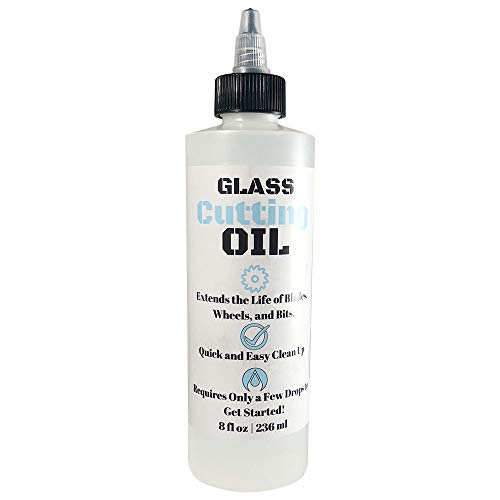
UniKitchen Glass Cutting Oil 8 oz for Tile Cutter

FOXBC 4-1/2 inch Tile Cutter Diamond Saw Blades 3 Pack

FOXBC 4-1/2 Inch Tile Glass Cutting Disc 3 Pack
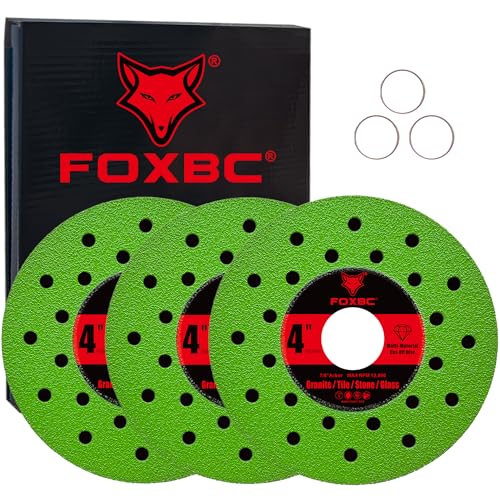
FOXBC 4 inch Tile Cutter Diamond Saw Blades 3 Pack

Sigma Tile Cutter Art. 4EN 125 cm

NAACOO 13In Laminate Floor Cutter with Wheel

MAIHUITE 13 inch Pro Vinyl Floor Cutter 10mm

MAIHUITE 13 inch Pro Vinyl Floor Cutter with Extra Blade
MAIHUITE 8.5mm Pro Vinyl Floor Cutter with Extra Blade
A Deeper Look At The Lineup
Cutting oil is the unglamorous part of a clean tile job, but it matters more than most people expect. The UniKitchen 8 oz bottle is formulated as a universal lubricant for glass cutters, drill bits, and tile scoring wheels, helping the wheel glide rather than drag.
Used during a scoring pass, the oil keeps friction down, which reduces chipping at the edge of the cut line. The 8 oz bottle is enough to last through several medium-sized projects, and it works equally well on a handheld glass scorer or a drill bit boring through a ceramic tile.
What Stands Out
- Universal formula works with glass cutters, tile scorers, and drill bits
- Reduces friction during scoring for cleaner, more controlled lines
- Compact 8 oz size stores easily in a tool drawer or shop apron
- Helps extend the working life of scoring wheels and small bits
Things To Consider
- Requires reapplication between cuts during longer scoring sessions
- Bottle opening is small, so a dropper or pour spout helps avoid waste
Who It Suits Best
Anyone doing regular hand-scoring of glass or ceramic, especially when clean edges matter more than speed.
Swap It Out When
The MAIHUITE 13 inch Pro Vinyl Floor Cutter suits you better for high-volume vinyl plank work, since it doesn’t need any lubricant at all.
These 4-1/2 inch diamond blades mount onto a standard angle grinder, which most DIYers already own. The thin rim cuts aggressively through porcelain, ceramic, marble, and stone without bogging down, and the 7/8 inch arbor fits the grinders nearly everyone has in the garage.
For installers working across mixed materials, having three blades in the pack means you can keep cutting while one cools down. The ultra-thin profile also helps reduce chip-out on glazed surfaces compared to a standard abrasive disc.
Benefits That Matter
- Cuts porcelain, ceramic, marble, and stone with the same blade
- Ultra-thin rim reduces chipping on glazed tile edges
- Three-pack means less downtime mid-project
- Works with most 4-1/2 inch angle grinders via the 7/8 inch arbor
Points To Keep In Mind
- Generates more dust and noise than a manual scoring cutter
- Requires eye, ear, and respiratory protection during use
- Wet-cutting setup recommended for indoor porcelain work to control silica dust
Key Specs
Right Fit For
Homeowners who already own an angle grinder and need a single blade solution for porcelain, ceramic, and stone.
Not Your Match When
The Sigma Tile Cutter Art. 4EN 125 cm is a better call for anyone needing quiet, dust-free scoring on a long run of ceramic tile.
The FOXBC glass cutting disc is the more specialized sibling to pick 2, designed to handle brittle materials without cracking them. The diamond rim is balanced for high-RPM angle grinders, and the 4/5 inch bushing broadens compatibility with smaller shaft tools.
Crafters tackling wine bottles, crystal, and glass tile will appreciate the controlled cut, and tilers working on thin glass mosaic will find it more forgiving than a thicker abrasive wheel. The three-pack format means a worn blade doesn’t end a project.
Where It Delivers
- Engineered for brittle materials like glass, crystal, and ceramic
- High max RPM rating handles demanding cut sessions
- 4/5 inch bushing expands grinder compatibility
- Thin profile minimizes chipping on delicate edges
Honest Caveats
- Not intended for thick porcelain slabs or heavy masonry
- Glass cutting produces fine splinters, so gloves and face protection are wise
Made For
Crafters and remodelers who split their time between glass tile, mosaic work, and the occasional wine bottle upcycle.
Another Choice May Suit
The FOXBC 4 inch Tile Cutter Diamond Saw Blades 3 Pack fits better when you need tighter radius cuts in stone or granite, thanks to the smaller diameter.
The 4 inch version of the FOXBC blade trades cutting depth for maneuverability. Smaller diameter means tighter curves and more control around outlet cutouts, sink corners, and any place where a full-size 4-1/2 inch wheel feels clumsy.
It’s the kind of blade that earns its keep on a remodel where you’re cutting around existing plumbing and the occasional odd angle. Three in a pack means you can keep pushing through a tough granite section without pausing.
A Strong Showing
- Smaller 4 inch diameter handles tight curves and detail cuts
- Cuts porcelain, granite, marble, stone, and glass
- Three-pack keeps a fresh blade on hand for tough materials
- 7/8 inch arbor with 5/8 inch reducer for broader grinder fit
Trade-Offs
- Shallower cut depth than a 4-1/2 inch blade on thick material
- Same dust and noise considerations as any angle grinder blade
Spec Overview
Best Suited To
Remodelers who need to scribe around sinks, outlets, and toilet flanges without overcutting.
Look Elsewhere When
The FOXBC 4-1/2 inch Tile Cutter Diamond Saw Blades 3 Pack makes more sense for long, straight runs where cutting depth matters more than curve control.
The Sigma 4EN is a serious manual tile cutter, the kind you see on professional tile jobs. The aluminum frame holds a 16 mm scoring wheel that runs on a roller bearing, and the push-style scoring head makes a clean break on every pass.
It cuts ceramic and porcelain tile up to about 19 mm thick on a single stroke, which covers nearly every wall and floor tile on the market. The ergonomic NEX grip handle reduces hand fatigue on a long day of scoring, and the spring-loaded wheel applies consistent pressure without operator effort.
A Few Strong Suits
- Aluminum frame stays rigid through thousands of cuts
- Push-scoring head delivers clean breaks on ceramic and porcelain
- Handles tiles up to roughly 19 mm thick in a single pass
- Manual operation means zero dust, zero noise, zero power draw
Small Caveats
- Large footprint requires dedicated bench space for storage
- Manual scoring takes practice to keep lines perfectly straight
- Premium price bracket compared to entry-level snap cutters
Feature Snapshot
Who Will Love This
Trade tilers and serious remodelers who score tile all day and need a cutter that won’t drift mid-line.
Reach For A Different Pick When
The NAACOO 13In Laminate Floor Cutter with Wheel is a quieter, smaller alternative for vinyl plank work in apartments where a bench-mounted cutter is impractical.
The NAACOO cutter shifts the conversation away from power tools. Built around a manual scoring wheel and a sturdy aluminum frame, it cuts vinyl plank up to 13 mm thick and 13 inches wide with a single push.
For apartment dwellers, the appeal is obvious: no power outlet needed, no sawdust, no noise complaints. The angle guide handles 0, 15, 30, and 45 degree cuts, which covers the standard transitions between rooms and around corners.
Advantages To Know
- Manual operation means no electricity, no noise, no dust
- Aluminum and HDPE construction keeps the weight manageable
- Built-in angle stops at 0, 15, 30, and 45 degrees
- Up to 13 inches of cutting width handles most plank sizes
Factors To Consider
- Engineered for laminate and vinyl plank, not ceramic or porcelain
- Replacing the scoring blade requires disassembly of the cutting head
Feature Card
Perfect Match For
Renters and condo owners installing vinyl plank in a space where power tools and dust are a problem.
Where A Sibling Pick Shines
The MAIHUITE 13 inch Pro Vinyl Floor Cutter with Extra Blade handles L-cuts and U-cuts, which the NAACOO can’t manage as easily.
The MAIHUITE 10mm cutter is a dedicated vinyl floor tool, not a general-purpose cutter pretending to handle everything. It pushes through LVT, LVP, SPC, PVC, WPC, and VCT up to 10 mm thick, and the manual operation keeps the work area clean.
It’s the kind of tool that makes a full-room vinyl install feel less like a construction project. You set the angle, push the handle, and the cutter does the rest. The trade-off is material scope: this won’t touch laminate, hardwood, or porcelain.
The Value In It
- Engineered specifically for the most popular vinyl flooring types
- Push handle design reduces hand strain on long jobs
- Manual cutting keeps noise and dust to zero
- Compact footprint stores against a wall or under a bench
Worth Bearing In Mind
- Not compatible with laminate, hardwood, or porcelain tile
- Lacks the L-cut and U-cut capacity of pick 8 below
Built With In Mind
DIYers laying down vinyl plank in a basement, kitchen, or bathroom where dust control matters.
Consider Something Else When
The MAIHUITE 13 inch Pro Vinyl Floor Cutter with Extra Blade is the step up when your layout includes notches around door jambs or cabinet bases.
This is the same MAIHUITE platform as pick 7, but with the layout features that turn a basic install into a professional one. The aluminum frame handles L-cuts and U-cuts, which are essential for fitting planks around door frames, vents, and cabinet bases.
The included spare blade means you can swap in a fresh edge halfway through a long job without shutting down. It cuts the same 10 mm-thick vinyl range as the base model, and the rigid aluminum frame keeps cuts accurate across a long workday.
Everyday Advantages
- Handles straight, angle, L-cut, and U-cut profiles in one tool
- Spare blade included to extend working sessions
- Aluminum ruler design holds planks stable during cutting
- Zero-dust operation keeps indoor renovations clean
Potential Sticking Points
- Extra blade is a backup, not a long-term supply for heavy commercial use
- Some practice needed to keep L-cuts from wandering off the line
Whose Shelf It Belongs On
Contractors and serious DIYers installing vinyl flooring in rooms with multiple doorways, vents, and built-in features.
Skip It When
The NAACOO 13In Laminate Floor Cutter with Wheel is a simpler, lighter option for a single-room job with mostly straight cuts.
The 8.5mm MAIHUITE is the trim-profile answer to the 10mm version above. It targets the growing market of thinner rigid-core vinyl planks, where pushing too hard can crush the wear layer or crack the click-lock edge.
The adjustable blade height helps match the cut depth to thinner materials, and the same L-cut and U-cut capacity carries over from pick 8. It’s a thoughtful choice for anyone working with luxury vinyl tile in the 5 to 8 mm range.
Useful Touches
- Adjustable blade for thinner rigid-core vinyl planks
- Handles straight, angle, L-cut, and U-cut profiles
- Extra blade included for longer working sessions
- Manual operation keeps cuts clean and quiet
Less-Strong Areas
- 8.5 mm max thickness rules out thicker vinyl and laminate
- Slightly higher learning curve to dial in the blade depth correctly
Feature Rundown
Made For
Installers working with thinner SPC and WPC planks where a heavier-duty cutter would over-cut the material.
Look Elsewhere When
The MAIHUITE 13 inch Pro Vinyl Floor Cutter 10mm is the right call for projects using standard 10 mm planks, where the extra cutting capacity matters more than blade adjustability.
What To Match Before Choosing Your Tile Cutting Tool
Material Comes First
The single biggest decision is what you’re actually cutting. Diamond blades handle the hardest materials, including porcelain, stone, and glass, but they bring dust, noise, and the need for protective gear. Manual scoring cutters like the Sigma 4EN excel on ceramic and softer porcelain, with no power draw and almost no cleanup.
Vinyl flooring is its own category entirely. Manual push cutters built for LVT and LVP are quiet, dust-free, and surprisingly fast, but they won’t touch ceramic, laminate, or hardwood. Forcing the wrong tool into the wrong material usually ends in a chipped edge or a damaged blade.
Power Source Trade-Offs
Power tools cut faster and handle thicker material, but they also bring silica dust, loud noise, and a need for water cooling on dense stone. Manual cutters are slower, but they let you work in occupied homes, apartments, and quiet hours without complaint. For a single bathroom remodel, manual often wins on simplicity. For a full floor of porcelain, a powered angle grinder with a quality diamond blade is hard to beat.
Cut Type And Complexity
Straight cuts are easy across every tool category. The real test is angled cuts, notches, and L-cuts around obstacles. If your layout has multiple doorways or cabinet bases, the MAIHUITE cutters with L-cut and U-cut capacity will save time. If your cuts are mostly long and straight, a basic snap cutter does the job without the extra cost.
Comfort And Long-Term Use
Cutting tile is repetitive work. A scoring wheel that needs manual pressure adds up across a full day. Look for ergonomic handles, spring-loaded scoring heads, and frames that stay rigid without flexing. The Sigma 4EN uses a NEX-style grip and a roller-bearing wheel specifically to reduce operator fatigue, and that matters more than it sounds on a long install.
Key Considerations Across These Picks
Pitfalls Shoppers Hit
The most common mistake is buying a tool that almost fits the material. A vinyl cutter sold as “universal” won’t actually cut porcelain, and a thin diamond blade will glaze over and burn through a thick ceramic tile. Always confirm the material compatibility list before ordering.
The second trap is underestimating dust control. Angle grinder cutting produces fine silica dust that creates real health concerns. A simple wet-cutting setup or a shop vac attachment dramatically changes the safety profile, and skipping it is a regret most people only have once.
What The Higher Tier Buys
The jump from a basic blade to a pro-grade diamond wheel shows up in two places: cut speed and edge quality. Premium blades track straighter, chip less, and last far longer on dense porcelain. The same story applies to manual cutters, where a rigid aluminum frame and a roller-bearing scoring wheel make a noticeable difference on a long day.
For occasional use, mid-range tools handle the job without much complaint. For daily professional work, the upgrade pays for itself in fewer wasted tiles and less time per cut.
Frequently Asked Questions
What is the safest tool for cutting tile at home?
A manual snap cutter is the safest option for most home projects. There’s no spinning blade, no dust, and no power cord. Diamond blades and angle grinders cut faster but require eye protection, hearing protection, and proper dust control.
Can I cut porcelain tile with a manual cutter?
Yes, as long as the cutter is rated for the tile’s thickness. A heavy-duty manual cutter like the Sigma 4EN handles porcelain up to about 19 mm, while a basic snap cutter may struggle with anything over 10 mm of dense porcelain.
Do diamond blades need water?
Water cooling extends blade life and controls dust, especially on porcelain and stone. Many diamond blades can run dry for short cuts, but a steady water stream during longer sessions keeps the blade from overheating and glazing over.
How thick of vinyl plank can a manual cutter handle?
Most manual vinyl cutters top out between 8 mm and 13 mm, depending on the model. Always match the cutter’s maximum cutting thickness to your specific flooring. Forcing thicker material through a smaller cutter can damage both the blade and the plank.
Are three-pack diamond blades worth it?
For most projects, yes. Diamond blades wear down faster than abrasive discs, and a fresh blade makes a noticeable difference in cut speed and edge quality. The three-pack format also keeps a backup on hand if a blade chips on a hard inclusion in the stone.