Popcorn ceilings trap the look of a room in another decade, and the mess that comes with removal scares off more DIYers than the actual labor does. Wet scraping, dry scraping, sanding, and post-scraping smoothing each call for a different tool in your kit, so the right shortlist depends on which stage you are tackling. This roundup covers eight options that handle the full arc of a popcorn ceiling job, from first scrape to final smooth. You’ll see heavy-duty lifters, manual pole sanders, plastic spreaders, and electric sanders side by side, with honest trade-offs so you spend on the tool that actually fits your room, your ceiling height, and your patience for mess.
The Choices Worth Comparing

Zenith by Danco Floor Lifter ZN700201 Demolition Multi-Tool

Tonmp 9-Inch Drywall Sander with Swivel Head

Red Devil 4718 3-Piece Plastic Knife Set
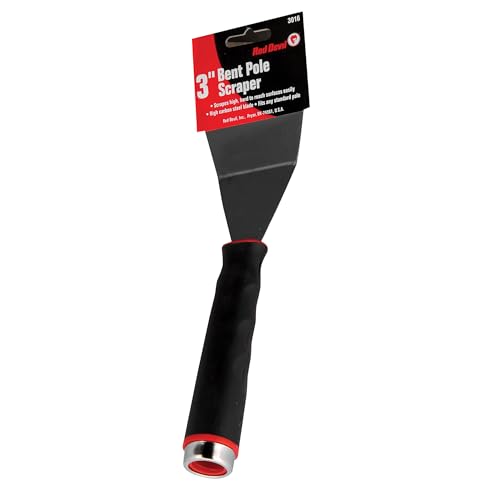
Red Devil 3016 3-Inch Bent Blade Pole Scraper
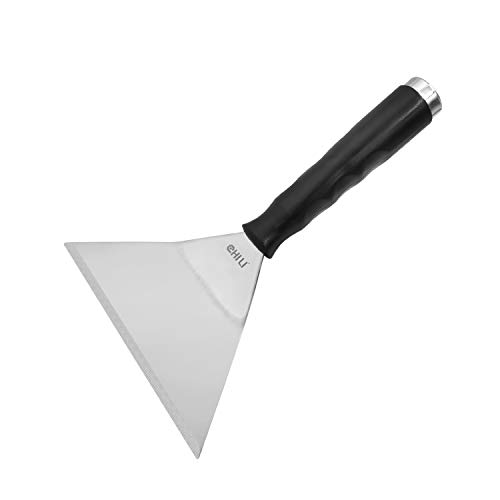
CHILI TOOLS 7-Inch Bent Stainless Steel Chisel Pole Scraper

JIURAIN Heavy Duty Floor Scraper with Long Handle
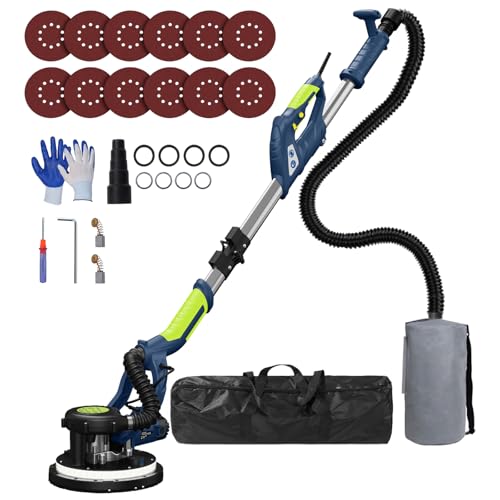
IMQUALI 8-Amp Popcorn Ceiling Removal Sander

Tajima Utility Scraper, Razor Glass Scraper
What Each Pick Brings To The Table
Popcorn texture that has been painted over behaves less like soft acoustic spray and more like a stubborn laminate, and that is exactly the job the Zenith by Danco Floor Lifter was built for. The integrated center wedge (a wide, angled striking surface built into the tool’s spine) drives under thick layers with the kind of leverage a flat putty knife simply cannot muster. Its longer profile also reaches deeper behind baseboards and trim than most hand scrapers manage, which is a quiet timesaver when you are pulling texture off a living room ceiling in one go.
Where lighter tools in this list like the Red Devil 4718 plastic set rely on patient back-and-forth scraping, the Zenith bites in and pries. You trade a bit of finesse for raw pulling power, which suits homeowners who know their ceiling has multiple paint layers or who just want the texture gone fast.
Useful Highlights
- Wedge geometry pulls thick, painted texture in long strips rather than crumbs.
- Extended length reaches behind wide baseboards without a shim or spacer.
- Multi-purpose design doubles as a trim puller, so it earns its keep on later demo steps.
- Steel construction holds up to repeated prying without bending the spine.
Points To Keep In Mind
- Heavier than a flat scraper, so overhead work tires shoulders faster during long sessions.
- Aggressive wedge can gouge drywall paper if you pry at a steep angle.
- Owners commonly report needing a separate, lighter scraper for the cleanup pass that follows.
Feature Snapshot
Best Suited To
Homeowners tackling painted-over or multi-layer popcorn texture who want one pry-style tool that can keep up with the work.
Skip It When
You’re working on a soft, unpainted ceiling in a small room, where the lighter Red Devil 4718 plastic set will do the job with less arm fatigue.
The Tonmp 9-inch drywall sander is a hand tool, not a powered one, which is the right frame for what it does best. After the heavy scraping is done and most of the texture is off, the ceiling is left with ridges, paper fuzz, and leftover bits that a flat blade cannot reach. The 360-degree swivel head pivots to match the angle of your ceiling or wall, and the 9-inch pad covers ground fast without sanding grooves. You mount it on a standard threaded pole and work from the floor, which removes the ladder step from a tedious finishing chore.
It is the kind of tool that rewards patience. There is no motor doing the work for you, so the smoothness of your ceiling reflects the smoothness of your strokes. For a single room or a weekend patch job, that tradeoff is usually worth it.
What Makes Sense
- Swivel head keeps the pad flat against the ceiling no matter the working angle.
- Hook-and-loop pad (a quick-change surface that grips sanding discs with a peel-and-stick backing) swaps discs in seconds.
- Compatible with standard extension poles, so most people already own the handle.
- No power cord or dust collector to wrestle in a small room.
Honest Caveats
- Pole sold separately, and the sander only feels right on a stiff, quality pole.
- Hand sanding a full ceiling is a real workout, and shoulder fatigue is commonly reported.
- Dust control is minimal, so you will want plastic sheeting and a mask on hand.
Whose Shelf It Belongs On
DIYers finishing one or two rooms who already own a pole and want a quieter, simpler alternative to an electric sander.
Reach For A Different Pick When
You’re sanding an entire house of ceilings, where the IMQUALI 8-Amp Popcorn Ceiling Removal Sander will save hours of arm work.
There is a phase in every popcorn ceiling job that does not need a serious tool, and that is exactly where a set like the Red Devil 4718 earns its place. The three plastic knives, in 1.5-inch, 3-inch, and 6-inch widths, give you a putty knife, a spreader, and a taping knife in one inexpensive bundle. Plastic flexes just enough to glide over the ceiling without carving the paper underneath, which is a quiet advantage over metal when you are still learning the pressure your ceiling can take.
You will probably go through more than one of these over a full removal, and that is fine. The plastic is cheap on purpose, so you can throw a tired edge into the trash and grab a fresh one instead of stopping to re-sharpen. For a tight budget or a small bathroom ceiling, it is a sensible starting point.
Everyday Perks
- Three blade widths handle narrow corners, mid-sized patches, and broad sweeps from the same kit.
- Lightweight plastic reduces arm strain during overhead scraping.
- Flexible blades follow the ceiling’s surface without digging into drywall paper.
- Low replacement cost means you can swap a dulled knife mid-project without slowing down.
Soft Spots
- Plastic edges round off quickly on painted texture, so knives wear out faster than steel.
- Not built for heavy, multi-layer scraping jobs where the Zenith Floor Lifter has the upper hand.
Spec Overview
Who Should Grab It
First-time DIYers scraping a small room or a single ceiling who want a forgiving, inexpensive kit to learn on.
Not Your Match When
You’re facing painted, multi-layer texture across a large room, where the heavier Zenith by Danco Floor Lifter will finish the job faster.
The Red Devil 3016 is the kind of tool that quietly does its job and stays out of your way. Its 3-inch high-carbon steel blade (a steel alloy prized for staying sharp under repeated scraping) is bent at a working angle that lets you pull texture toward you instead of fighting it, and the threaded handle accepts a standard extension pole so you can work from the floor on standard 8-foot ceilings. The polypropylene handle keeps the whole tool light enough for long sessions, which matters more on overhead work than people expect.
Where the Zenith pry bar attacks thick texture, this scraper works in steady, controlled passes. You trade raw aggression for a cleaner cut and a ceiling that is less chewed up when the dust settles. For most homeowners, that balance is the right one.
The Good Stuff
- Bent blade geometry pulls texture off in clean strips rather than chunks.
- High-carbon steel holds an edge through repeated passes on painted texture.
- Threaded handle fits common extension poles for ladder-free work.
- Compact 3-inch width reaches into corners where wider scrapers cannot.
Worth Bearing In Mind
- 3-inch width means more passes across a large ceiling than the wider JIURAIN Heavy Duty Floor Scraper.
- Steel blade can score drywall paper if pressure is uneven, especially on soft patches.
Feature Snapshot
Made For
Homeowners working on a standard 8-foot ceiling who want a steady, controlled scraper that pairs with a pole they already own.
Where A Sibling Pick Shines
You’re tackling a wide-open room with painted texture, where the JIURAIN Heavy Duty Floor Scraper covers ground faster.
Long overhead sessions punish a tool, and that is the gap the CHILI TOOLS 7-inch chisel scraper is designed to fill. The blade is forged from 420J2 stainless steel (a Japanese-grade alloy known for corrosion resistance and edge retention), then hardened and tempered so it survives the kind of use that dulls ordinary carbon steel in an afternoon. The 7-inch width covers more ceiling per pass than the Red Devil 3016, and the bent profile keeps your wrist in a neutral position while you push up through a long pole.
This is the scraper for people who already know they are in for a multi-day project. The ABS threaded handle (a tough, lightweight plastic with a standard threaded end) fits the brand’s own extension poles, and the corrosion-resistant blade means a quick rinse is all the cleanup most jobs need.
The Case For It
- Hardened stainless steel blade keeps a working edge across multi-day projects.
- 7-inch width reduces the number of passes needed on a large ceiling.
- Bent profile maintains a comfortable wrist angle during long overhead sessions.
- Corrosion-resistant steel rinses clean and stores without rust concerns.
Where It Is Less Suited
- Heavier than the Red Devil 3016, so shorter ceilings feel like overkill.
- Brand-matched extension poles tend to perform best, which is an added purchase if you do not already own them.
- Wide blade is harder to maneuver in tight corners than a 3-inch scraper.
Feature Rundown
The Right Fit
Homeowners and pros planning a multi-room project where blade durability and reach matter more than upfront cost.
Look Elsewhere When
You’re only scraping a small bathroom ceiling, where the lighter Red Devil 3016 will be easier to control and easier on the wallet.
The JIURAIN heavy duty scraper is built around a simple idea: a wider blade means fewer passes, and fewer passes means a shorter project. The 4-inch razor blade doubles the coverage you get from a standard 3-inch scraper like the Red Devil 3016, and the long handle removes the ladder from the equation on most ceilings. Where narrower scrapers feel like they are chasing the texture, this one moves through it.
The trade-off is control. A wide blade is harder to finesse in tight corners, and the longer handle trades finesse for reach. For a wide-open living room or a long hallway ceiling, the math usually works out in your favor.
Everyday Wins
- 4-inch blade covers roughly twice the area per pass as a 3-inch scraper.
- Long handle option keeps you off the ladder for most of the job.
- Replaceable razor blades mean a fresh edge is always within reach.
- Ergonomic joint between head and handle reduces wrist twist during use.
Trade Offs
- Wide blade is awkward in corners and around light fixtures.
- Razor blades require careful handling and safe disposal as they dull.
- Long handle adds leverage, which can gouge drywall if pressure is not moderated.
Perfect Match For
Homeowners with large, open rooms and ceilings clear of fixtures who want to finish the scraping pass quickly.
Consider Something Else When
Your ceiling is full of recessed lights, ceiling fans, or tight edges, where the narrower Red Devil 3016 will save you frustration.
Once the texture is off, you are still left with a rough, uneven ceiling that needs to be smooth before paint or refinishing. The IMQUALI 8-amp sander is built for that exact phase, and it is the only powered tool in this roundup. The pure copper motor (a motor wound with copper wire rather than aluminum, valued for durability and steady power output) drives the pad through seven speed settings ranging from 800 to 1800 RPM, so you can slow down for delicate passes and speed up for the open stretches. Variable speed matters more on a ceiling than on a wall, because too much aggression eats through drywall paper in a hurry.
For a single room, a manual pole sander like the Tonmp can get the job done. For an entire house of ceilings, the time savings from a powered sander are hard to argue with, assuming you have a dust collection plan and a vacuum ready to go.
Real-World Strengths
- 8-amp pure copper motor delivers steady power through long sanding sessions.
- 7-speed variable range (800 to 1800 RPM) matches aggression to the surface.
- Designed specifically for popcorn ceiling aftermath, so the geometry suits overhead work.
- Pairs with shop vacuums for the dust control a hand sander cannot deliver.
Some Limits To Know
- Heavier than a hand pole sander, so arm fatigue still shows up on long ceilings.
- Requires a compatible vacuum and dust collection setup to keep the mess manageable.
- Overkill for a single small room where the Tonmp 9-inch sander will finish the same job.
Who It Suits Best
Homeowners with whole-house or multi-room ceiling projects who want the fastest path to a paint-ready surface.
A Better Fit Elsewhere
You’re only smoothing one bedroom ceiling, where the lighter Tonmp 9-inch drywall sander is easier to set up and just as effective.
The Tajima utility scraper is a small, hand-held tool, and that is the point. After the heavy scrapers and sanders have done their work, you are still left with the fiddly bits: texture wrapped around light fixtures, edges where the ceiling meets crown molding, and corners the wide blades could not reach. The reversible razor blade (a thin, flat blade that flips over to expose a fresh edge) gives you a sharp working surface on both sides, and the die-cast aluminum head adds just enough weight to push through stubborn spots without feeling clumsy.
It is also the only tool in this roundup with a stainless steel end cap designed for light hammering, which lets you tap the blade under a stuck edge instead of prying. That small detail is what separates a generic razor scraper from a tool you actually reach for.
Where It Helps
- Reversible blade doubles the working life before a replacement is needed.
- Compact 3-inch scraping edge handles detail work wide scrapers cannot.
- Stainless steel end cap allows light tapping to work the blade under stuck texture.
- Elastomer grip (a soft, rubber-like handle material) stays comfortable during detail sessions.
What To Weigh
- Not a primary scraper. You will still need one of the wider tools to handle the bulk of the ceiling.
- Razor blades require careful handling and a safe disposal routine.
Feature Card
Right Fit For
Homeowners who want a dedicated detail scraper to handle edges, corners, and fixture areas after the main scraping is done.
Where Another Pick Suits Better
You’re starting a removal from scratch, where the JIURAIN Heavy Duty Floor Scraper or the Red Devil 3016 belongs in your hand first.
Choosing The Right Popcorn Ceiling Removal Setup
Picking a single tool from this list is rarely the right move, because a real popcorn ceiling job is three different chores in a trench coat. You need a primary scraper for the bulk of the texture, a smaller detail tool for edges and fixtures, and a sander for the finish pass that follows. Most homeowners get the best result by pairing a wide pole scraper (the JIURAIN or the Red Devil 3016) with a compact razor scraper like the Tajima, and then adding either the Tonmp 9-inch sander for a single room or the IMQUALI 8-amp sander for a larger project.
How Hard The Texture Is Set
Popcorn texture falls into two camps. Unpainted texture from the original install usually responds to a wide, flat blade and patient passes, which is exactly the work the Red Devil 3016 was designed for. Painted texture, which is more common in homes from the 1980s and 1990s, behaves like a thin laminate and calls for either a pry-style tool like the Zenith by Danco Floor Lifter or a heavy scraper with a replaceable razor blade. Mistaking the two wastes hours, so a quick test in a corner with a putty knife tells you most of what you need to know before you climb a ladder.
Ceiling Height And Reach
Standard 8-foot ceilings pair with a basic extension pole and keep both feet on the floor. Taller ceilings, vaulted spaces, and stairwells change the math, because the pole length and stiffness start to matter as much as the scraper itself. The CHILI TOOLS chisel scraper and the JIURAIN heavy duty scraper both lean into that scenario, but a flimsy pole turns either of them into a frustration. Worth weighing the pole purchase as part of the tool budget rather than an afterthought.
How Much Sanding Comes After
Scraping gets the texture off, but the ceiling underneath is rarely smooth enough to paint. Light, even layers of joint compound may need to go on first, and then a sanding pass ties everything together. For one room, the Tonmp 9-inch sander with a standard pole is a reasonable, no-cord option. For whole-house work, the IMQUALI 8-amp sander with a vacuum hookup is faster, though the dust control setup is part of the project whether you go powered or manual.
Smart Tradeoffs For First-Time Scrapers
Pitfalls Shoppers Hit
The most common mistake is buying a single heavy scraper and assuming it will handle the whole job, from the first pass to the final corner. Wide blades are fast on open ceiling but rough on edges, and narrow blades are precise but exhausting across a full room. Another common slip is skipping the small detail scraper, then spending an hour with a wide blade trying to chase texture around a light fixture. The third trap is underestimating dust: even hand sanding kicks up enough debris to coat nearby rooms, and a plastic sheeting plan is worth the time before the first pass starts.
When Paying More Pays Off
Higher-tier scrapers in this category earn their cost through blade steel, balance, and the small touches that keep your wrist comfortable during overhead work. The CHILI TOOLS chisel scraper, for example, uses a Japanese-grade stainless steel that holds an edge across multi-day projects, while a basic carbon steel blade needs sharpening or replacement more often. For a single small room, the upgrade rarely pays back, but for a whole-house job the time savings and the cleaner result usually justify the extra spend.