Tearing out tile is rarely one job. It is usually a chain: pry the trim, lift the field tile, grind the thinset, scrub the residue. The right combination of tools makes that chain manageable, while the wrong combination turns a weekend into a week. This lineup spans hand scrapers, pry bars, heavy-duty cleaning wipes, and rotary hammer chisel systems, so you can match the tool to the size of your project rather than forcing one tool to do everything.
A Closer Look At The Lineup

KNIPEX Pliers Wrench 8603250 Chrome 10-Inch

Goldblatt 9-in-1 Paint Scraper Stainless Steel Putty Knife

Goldblatt Trim Puller 4-Inch Baseboard Removal Tool

Tub O’ Towels Heavy-Duty Multi-Surface Wipes 10×12 90-Count 2-Pack

Regiis Tech 8-Piece SDS Plus Chisel Set for Rotary Hammer

Titan 11509 9-1/4-Inch Stainless Steel Pry Bar Scraper

TEEVOGO Silicone Squeegee for Handheld Steam Cleaner 6.6 Inch

Regiis Tech SDS Plus Floor Scraper 3×12 Inch Tile and Thinset Remover
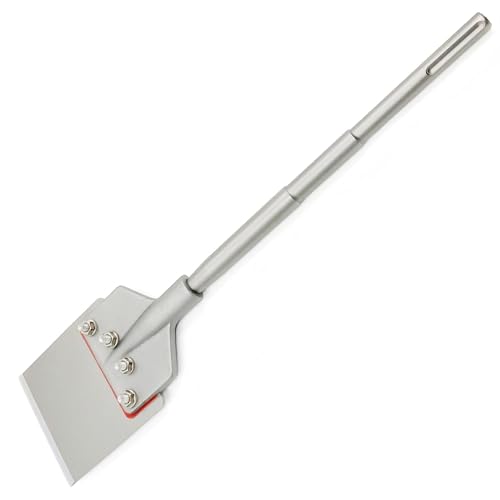
Regiis Tech SDS Max Floor Scraper 6×24.4 Inch Removable Handle Tile Remover
A Deeper Look At The Lineup
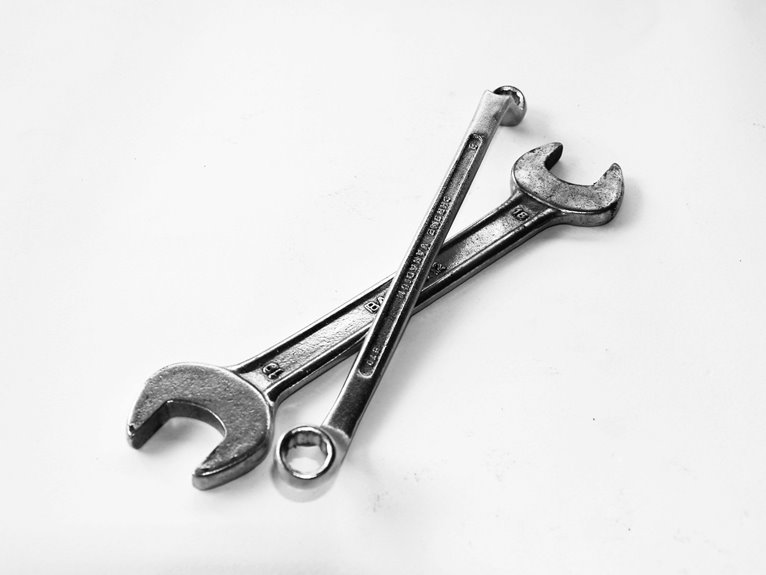
The KNIPEX 8603250 is technically a slip-joint pliers wrench, not a demolition tool, and that is exactly why it earns a place on a tile removal list. While you work, you will often need to loosen a stuck supply nut, hold a small bracket steady, or turn a stubborn fitting without chewing up the finish. The 10-inch size gives real leverage in a one-handed package, and the smooth parallel jaws grip flats without marring chrome.
For homeowners who already own a pry bar and a chisel, this fills a gap the heavier tools ignore. Tile work generates plenty of small mechanical problems, and the KNIPEX solves them quietly.
A Few Strong Suits
- Smooth jaws protect finished chrome and polished surfaces during plumbing adjustments
- 10-inch length balances leverage with control for one-handed use in tight spaces
- Slip-joint design replaces a small bag of adjustable wrenches on most tile jobs
- Compact footprint fits in a tool belt alongside pry bars and scrapers
Worth Noting
- It is a gripping and turning tool, so it does not directly lift tile or scrape thinset
- Chrome finish wipes clean easily, though the adjustment mechanism benefits from occasional lubrication
Who It Suits Best
DIYers handling a full bathroom refresh who need one precision tool to handle the plumbing side of the tear-out without damaging fixtures.
Look Elsewhere When
You mostly need to lift field tile and grind thinset, in which case the Goldblatt Trim Puller or the Regiis Tech SDS Max Floor Scraper will do the heavy lifting instead.
Goldblatt’s 9-in-1 scraper earns its spot in the close-up work category, not the heavy demolition one. It combines a straight scraper, curved scraper, paint roller cleaner, can opener, gouger, nail puller, screwdriver, bottle opener, and hammer edge into a single 4-inch blade. For the detail side of tile removal, that versatility removes a lot of tool swaps.
The 1.8mm stainless steel blade with a mirror-polished finish shrugs off rust and wipes clean fast, which matters when you alternate between scraping old caulk and prying a small trim nail. Compared to the KNIPEX above, this is more of a finishing companion than a precision instrument.
Real Benefits
- One tool covers nine common tasks you would otherwise juggle on a small job
- Stainless steel construction with a mirror polish resists rust in damp bathroom environments
- 4-inch blade strikes a balance between reach and control in corners and along edges
- Compact enough to ride in a back pocket or a small pouch on your belt
Trade Offs
- Multi-function designs make compromises, so each individual function performs adequately rather than exceptionally
- Edge retention is the watch-here area: the thin profile is convenient but dulls faster than a dedicated heavy scraper
Made For
Homeowners scraping old caulk, cleaning up grout haze, and pulling the occasional trim nail between heavier demolition steps.
A Better Fit Elsewhere
For whole-floor tile lifting, the Regiis Tech SDS Plus Floor Scraper will replace a scraper, pry bar, and elbow grease in one pass.
The Goldblatt Trim Puller is the tool you reach for before the big chisels come out. Its 4-inch flat contact area and integrated wedged center are designed to slide behind baseboards, shoe molding, and the lower edge of tile without crushing the wall behind it. The wider footprint spreads force across more material, so trim usually pops free in one piece rather than splintering.
The body is built from carbon steel and 65Mn steel with a black electrophoretic and polished finish, which holds up to the sweat and dust of a long day. Compared to the 9-in-1 scraper above, this is a dedicated prying tool, and that focus shows the moment you set it against a stubborn section of baseboard.
Strong Points
- Flat, wide contact area protects drywall and trim from gouging during prying
- Wedged center geometry increases leverage with less hand force
- Carbon and 65Mn steel construction handles repeated strikes without flexing
- Dual-finish coating resists corrosion in a wet bathroom or kitchen tear-out
Some Limits To Know
- It is built for trim, not field tile, so it underperforms on the actual floor surface
- At 4 inches wide, it can feel bulky in very tight spots behind toilet flanges or inside vanities
Right Fit For
Homeowners removing baseboards, casings, or cove tile in a way that keeps the trim reusable or the wall repairable.
Reach For A Different Pick When
The actual tile floor is your target, in which case the Regiis Tech SDS Max Floor Scraper will move faster across square feet of ceramic.
Tile removal does not end when the last piece comes up. Adhesive residue, thinset dust, and old caulk smear the subfloor and your hands, and ordinary paper towels fall apart on the job. Tub O’ Towels are 10 by 12 inches, built as durable disposable wipes designed to lift grease, tar, ink, paint, wax, and adhesive smears without needing water on hand. The two-pack canister format gives you 180 wipes total, which is plenty for a single bathroom tear-out.
This is the cleanup side of the list, the step most tool roundups ignore. Compared to the Goldblatt Trim Puller, you will not lift a single tile with this product, but you will save your rags and your sanity on the back end of the project.
Notable Gains
- Large 10×12-inch surface handles grime a paper towel would smear around
- Two-canister pack covers a full bathroom or small kitchen cleanup with wipes to spare
- No water required, so they work in spaces where a sink is far away or shut off
- Durable construction survives scrubbing dried thinset without shredding
Points To Keep In Mind
- Disposable format generates plastic waste, so plan a bin liner nearby
- Sealed tub is convenient but takes up floor space in a crowded work area
- Wipes can dry out between sessions, so reseal the lid carefully after each pull
Best Suited To
DIYers finishing a messy demolition who want one container of wipes ready for hands, tools, and subfloor residue in a single step.
Swap It Out When
You are still in the active lifting phase and have not reached cleanup yet, in which case the Regiis Tech SDS Plus Chisel Set is the more useful tool for the moment.
Once a tile job moves beyond hand tools, you enter rotary hammer territory, and that is where an SDS Plus (a slotted chuck system used on most consumer rotary hammers) chisel set earns its keep. This 8-piece set from Regiis Tech includes a tile chisel, groove chisel, scraping chisel, flat chisel, pointed chisel, an angled chisel, and a second angled variant, covering the demolition work that no single hand tool can match. SDS Plus is the shank style on most homeowner-grade rotary hammers, so compatibility is broad.
For a project that involves both floor tile and concrete patch repair, this set replaces three or four separate single-purpose tools. Compared to the Titan pry bar scraper earlier in the list, this is a serious power step up.
Benefits That Matter
- Eight chisel profiles cover tile, concrete, brick, and mortar without buying extras
- SDS Plus shank fits most consumer rotary hammers already in many home workshops
- Tile-specific chisel lifts ceramic in larger sections than a flat blade alone
- Scraping and groove chisels handle thinset cleanup the field tile leaves behind
Practical Considerations
- Requires a compatible rotary hammer you may need to buy or rent separately
- Chisels see heavy wear on tile and concrete, so expect to resharpen or replace working ends over time
Who Should Grab It
Homeowners and remodelers with a rotary hammer who want a full chisel kit ready for both tile and concrete tasks in one case.
Not Your Match When
You only need to lift a small patch of tile, in which case the Titan 11509 Pry Bar Scraper will be cheaper and quieter for that scope.
The Titan 11509 is a 9-1/4-inch stainless steel pry bar scraper, a compact multitool for the part of the job that does not need a rotary hammer. The angled edge is shaped for prying apart joints and trim, while a built-in nail puller slot handles the fasteners you find along the way. A separate razor-sharp scraper edge cleans up cured adhesive once the field tile is gone.
It comes as a 3-piece set with both a 7-1/4-inch and 9-1/4-inch bar plus the scraper, which gives you options for tight spots and longer leverage. For small bathroom floor repairs, this set is often all you need.
Where It Excels
- Stainless steel body resists bending and corrosion during heavy scraping
- Three-piece set covers both compact corners and longer leverage prying
- Angled edge and nail puller slot replace two or three single-purpose tools
- Compact 9-1/4-inch size is comfortable for overhead work on backsplashes and tub surrounds
Honest Caveats
- Hand tool only, so large floor areas are slow going compared to a powered scraper
- Razor edge dulls with contact against concrete, and touching it up takes practice
Perfect Match For
Homeowners tackling a small backsplash, a single tub surround, or patch repairs where a heavy rotary hammer would be overkill.
Consider Something Else When
You are pulling tile off a whole kitchen floor, in which case the Regiis Tech SDS Max Floor Scraper will dramatically shorten the project.
After the chisels and scrapers are put away, the last step is often the most tedious: rinsing the slurry off glass, mirrors, and remaining tile without leaving streaks. The TEEVOGO silicone squeegee clips onto a compatible TEEVOGO handheld steam cleaner so the steam and squeegee work in a single pass. The 6.6-inch silicone blade wipes away water, soap scum, and loosened dirt on shower doors and bathroom mirrors without chemicals.
It is the smallest, lightest tool on this list, and it is here because finishing matters. Compared to the Tub O’ Towels above, this handles wet cleanup where dry wipes cannot reach.
Well-Handled Touches
- Clips onto a TEEVOGO handheld steam cleaner in seconds without extra tools
- 6.6-inch blade clears a shower door panel in a few steady strokes
- Steam-only operation avoids chemical residue on glass and tile
- Removes just as quickly when you need to switch back to the standard nozzle
Where It May Fall Short
- Brand-specific fit means it only works with TEEVOGO handheld steamers
- It is a finishing accessory, not a tile removal tool, so its role is narrow
Whose Shelf It Belongs On
Homeowners who already own a TEEVOGO handheld steam cleaner and want a streak-free finish on the glass and tile that survive the demolition.
Where Another Pick Suits Better
For the demolition itself, the Goldblatt Trim Puller or the Regiis Tech SDS Plus Chisel Set is the relevant tool, while this squeegee handles the rinse.
The Regiis Tech SDS Plus floor scraper narrows the chisel set above into a single dedicated blade. The 3-inch width and 12-inch length pair with an SDS Plus rotary hammer, a different shank system from SDS Max used on heavier professional hammers, to lift ceramic tile, linoleum, and thinset in long passes. The forged and heat-treated spring steel blade holds an edge through a full floor, and the package includes spare blades so a worn edge does not end the day.
Compared to the Titan pry bar scraper, this turns hours of elbow work into a controlled walk across the floor. For a small bathroom, it is the right size. For a large open-plan space, the wider SDS Max scraper below makes more sense.
Everyday Wins
- 3-inch width is ideal for bathroom-scale floors and doorways
- Spare blades extend the working life without a separate purchase
- SDS Plus fit works with most consumer rotary hammers already in home workshops
- Heat-treated spring steel resists bending when it catches a stubborn patch of thinset
Possible Compromises
- SDS Plus shank is not interchangeable with SDS Max hammers, so check your tool first
- 12-inch length is compact for storage but means more passes across a large room
Built With In Mind
DIYers with a small-to-medium bathroom floor and a compatible SDS Plus rotary hammer who want a focused scraper without buying a full chisel kit.
Skip It When
You own an SDS Max rotary hammer and need to clear a large kitchen, in which case the Regiis Tech SDS Max Floor Scraper is the better match.
The flagship of the line is the Regiis Tech SDS Max floor scraper, sized for serious demolition. The 6-inch blade clears wide strips of tile and thinset in a single pass, and the 24.4-inch handle gives you the reach to stand upright while the rotary hammer does the work. The handle detaches in three sections for transport in a car trunk, and the tapered connecting rod actually tightens with vibration rather than loosening.
SDS Max is the heavier professional shank standard, so this only fits true SDS Max rotary hammers, not the smaller SDS Plus tools above. Compared to the 3-inch SDS Plus scraper, this trades compactness for raw clearing speed on big floors.
The Case For It
- 6-inch blade removes wide swaths of tile and thinset per pass
- Three-piece detachable handle stores in a vehicle without disassembly tools
- Tapered connection tightens under vibration, so the head stays put during heavy use
- Long 24.4-inch reach reduces back strain on large floor sections
Things To Weigh
- SDS Max shank requires a professional-grade rotary hammer, which adds to the total investment
- 6-inch blade is too wide for narrow doorways and tight bathroom footprints, so a smaller scraper is still useful alongside it
Who Will Love This
Contractors and serious DIYers with an SDS Max rotary hammer clearing a large kitchen, basement, or multi-room tile floor in a single weekend.
Another Choice May Suit
Homeowners with a single small bathroom are usually better served by the Regiis Tech SDS Plus Floor Scraper, which fits lighter tools they may already own.
Picking The Right Setup For Your Tile Project
Tile removal breaks into a few predictable stages, and the right tool depends on which stage you are actually in. Trim and baseboards come off first with a flat, wide bar like the Goldblatt Trim Puller, which spreads force to protect the wall behind it. Field tile follows with a chisel or scraper matched to your rotary hammer, while small patches and detail work still call for hand tools like the Titan 11509 or the Goldblatt 9-in-1 scraper.
Power matters as much as tool choice. SDS Plus rotary hammers cover most homeowner needs at a reasonable cost, while SDS Max tools move faster but require a heavier investment. Matching the shank to the hammer you already own is the most common detail people get wrong, so check compatibility before buying any chisel or scraper bit. For cleanup, the step most skip, dedicated wipes or a steam squeegee saves time that hand scrubbing cannot.
Key Considerations Across These Picks
Pitfalls Shoppers Hit
The single biggest mistake is buying a chisel or scraper bit without checking the shank. SDS Plus and SDS Max look similar, but they are not interchangeable, and a mismatched bit will not seat in the chuck. Another common slip is reaching for a wide floor scraper on a small bathroom, where the 6-inch blade cannot reach behind a toilet or fit through a narrow doorway. A smaller scraper and a hand pry bar handle those spots better.
What The Higher Tier Buys
Spending up on a chisel set or floor scraper gets you heat-treated steel, replaceable blades, and longer handles that reduce fatigue. For a one-room project, the entry-level picks perform well. For a whole-house renovation, premium picks save hours of labor and hold up across multiple jobs. The honest read is that you pay for time savings and durability, not for a different kind of demolition result.
Frequently Asked Questions
What is the easiest way to remove tile without breaking it?
Tile comes up cleanest with a wide flat trim puller worked behind the edge first, then a chisel angled under the body. Power scrapers speed the process but often crack ceramic during removal, so save them for tile you plan to discard.
Can I remove tile without a rotary hammer?
Yes, for small areas. A hand pry bar scraper like the Titan 11509 and a mallet will lift ceramic, though it is slow. For floors larger than a small bathroom, a rotary hammer with a scraper bit cuts the time dramatically.
What is the difference between SDS Plus and SDS Max?
SDS Plus is the smaller shank used on most consumer rotary hammers, while SDS Max is the larger professional shank for heavier demolition tools. They are not interchangeable, and the bit must match the hammer you own.
Do I need to remove the thinset after pulling the tile?
Usually yes, especially if new tile or flooring will go down. Thinset leaves an uneven surface that prevents proper adhesion, so a scraping chisel or a grinder is the next step after the field tile comes up.
How do I clean up the dust and residue after tile removal?
A heavy-duty cleaning wipe like the Tub O’ Towels handles hands, tools, and small subfloor smears, while a wet-dry vacuum picks up the bulk of the dust. A steam cleaner with a squeegee attachment finishes glass and remaining tile without chemicals.