A dull blade shreds grass tips instead of slicing them, leaving the lawn with a brownish haze that browns further after a hot afternoon. Sharpening at home saves the service-center trip and lets you catch up after hitting a stray root. The seven tools and replacement blades below cover everything from a quick touch-up to a full-on rebuild for riders and push mowers alike.
A Side-By-Side Look

All American Sharpener Model 5005 Gen 2 (15°-45° Adjustable)

Grasscool 21″ Deck Troy Bilt Mulching Blades 942-0741A
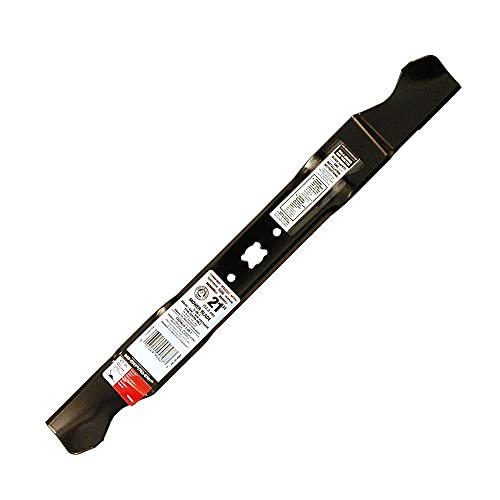
MTD Genuine Parts 490-100-M067 21-Inch Mulching Blades

Kimgsoak Lawn Mower Blade Sharpener with Balancer

SporGain Lawn Mower Blade Sharpener, Brushless Motor

SporGain 2/3 HP 550W Sharpener with 20 Sandpapers

SporGain 2/3 HP 550W Sharpener with 6 Sandpapers
What Each Pick Brings To The Table
Made in the USA and built around an adjustable angle head, the All American Sharpener Model 5005 Gen 2 aims squarely at homeowners who already own a cordless angle grinder. The premise is simple: clamp the jig to a workbench, dial in the angle from 15 to 45 degrees, and let the grinder do the cutting. Because the head swivels, you can run right-hand and left-hand blades without flipping the jig.
Where this tool separates itself from the bench-mounted sharpeners later in this list is portability. The whole assembly is compact enough to toss in a truck bed for a farm or a rental property, so a single jig can serve multiple decks over a weekend. For a homeowner with a stable of push mowers and a riding mower, that flexibility pays for itself fast.
What Helps Most
- 15° to 45° angle range covers standard straight, mulching, and high-lift blades in one jig.
- Works with most cordless angle grinders you may already own, no extra motor purchase required.
- Right and left-hand blade geometry handled without re-rigging.
- Compact frame travels well between properties or to a workshop bench.
Worth Noting
- You supply the grinder, battery, and grinding disc; budget for those if your shop is bare.
- First-time users report a short learning curve dialing in the correct angle for their specific blade profile.
Whose Garage It Belongs In
Homeowners who already own a cordless angle grinder and want one adjustable jig to cover every blade style on the property.
A Better Fit Elsewhere
Shoppers who want an all-in-one plug-and-play sharpener with no separate grinder should look at the Kimgsoak sharpener with balancer instead.
When the blade is past saving, sharpening gear does not help; you need a fresh factory-spec replacement. The Grasscool 21″ mulching blade set targets a huge swath of Troy-Bilt, MTD, Cub Cadet, and Craftsman walk-behinds, replacing part numbers 942-0741A, 942-0741, 742-0741, 742-04100, 490-100-C089, 742-04276, and several siblings. That breadth of cross-reference is the real selling point.
For a Troy-Bilt TB110, TB230, TB240, or any of the related TB-series mowers with a 21-inch deck, the swap is the cheapest path to a clean cut. Instead of chasing a sharpening jig for a blade that has been re-sharpened one too many times, the Grasscool set drops in, rebalances, and gets the lawn back to mulching in under an hour.
Where It Excels
- Cross-references a long list of OEM part numbers, removing the guessing game at the parts counter.
- Covers a wide Troy-Bilt TB-series lineup, including TB110, TB130, TB200, and TB240.
- Replacing instead of sharpening is often faster when a blade is nicked or bent.
Small Caveats
- Coverage is specific to 21-inch decks in the MTD family, with no fit for other brands.
- Always recheck your model number against the listing before ordering, since blade fitment varies even within the same series.
Right Fit For
Troy-Bilt walk-behind owners with a 21-inch deck whose existing blades are bent, deeply nicked, or simply worn past recovery.
Skip It When
You ride a 42-inch deck or own a brand outside the MTD family, in which case the MTD Genuine Parts 490-100-M067 set is the closer match.
Sometimes the smartest sharpening move is to skip the jig entirely. The MTD Genuine Parts 490-100-M067 set is a factory replacement engineered for 21-inch mowers built from 1995 onward, and that OEM pedigree is what most shoppers are paying for. The blades fit the major MTD-family names: Troy-Bilt, Yard Machines, Huskee, Bolens, and several others.
Mulching blades lift the grass, cut it finer, and drop the clippings back into the canopy, which feeds the lawn through the season. For homeowners who sharpen once a year and replace once every few seasons, sticking with the original-equipment part avoids the fitment gamble. You get the cut profile the mower was designed around, plus a blade that bolts up without shims.
Where It Helps
- Factory-spec blade profile preserves the cut quality the mower was engineered to deliver.
- Broad compatibility across Troy-Bilt, MTD, Yard Machines, Huskee, and Bolens 21-inch decks.
- Mulching geometry chops clippings into fine particles that return nutrients to the soil.
Points To Keep In Mind
- Only fits 21-inch decks from 1995 and newer, so older mowers sit this one out.
- Owners commonly note that protective paint on the cutting edge wears off after the first few minutes of use, which is normal.
Best Suited To
MTD-family owners with a 1995-or-newer 21-inch walk-behind who want the OEM blade the deck was built for.
Reach For A Different Pick When
You have a Troy-Bilt model that needs the 942-0741A profile, in which case the Grasscool set lines up better.
The Kimgsoak kit arrives ready for someone who has never sharpened a blade. A high-density aluminum body holds the blade steady, four guide pins set the angle, and a balancer sits in the box so you can confirm the blade is balanced before reinstalling. The whole thing is a manual jig, which means no grinder purchase is required and the learning curve is forgiving.
Restoring a dull edge to a clean slicing surface is the obvious win, but the balancer is what closes the loop. An unbalanced blade vibrates the deck, wears the spindle bearing, and leaves a wavy cut. The included balancer helps you avoid that, and it is the detail that separates a serious kit from a single-purpose sharpener.
What Earns Its Place
- Four guide pins lock the angle, removing the guesswork for first-timers.
- High-density aluminum construction keeps the jig from flexing mid-stroke.
- Blade balancer included so you can verify the edge before reinstalling.
Some Limits To Know
- Manual sharpening takes more elbow grease than a powered jig, so the time savings are modest on badly nicked edges.
- Surface finish may not match what a powered sander can produce, depending on how much time you put in.
Who Should Grab It
First-time sharpeners who want a complete kit with a balancer, no extra power tool to buy.
Where Another Pick Suits Better
Anyone sharpening multiple blades each season will finish faster with the powered SporGain 550W sharpener with 20 sandpapers.
The SporGain brushless sharpener is built for repeat use. A brushless motor (a design with no carbon brushes to wear out) runs cooler, quieter, and longer than brushed units, which is the kind of detail that matters when you are touching up blades every month. The tool accepts a range of sandpaper discs and ships ready to plug in and grind.
Compared to the all-manual Kimgsoak kit, this unit does the muscle work for you, which makes a real difference on blades that have been sharpened several times already. The trade-off is that you give up the absolute simplicity of a hand jig in exchange for a faster cycle and a cleaner edge profile.
Real-World Strengths
- Brushless motor delivers smoother operation and a longer working life than brushed alternatives.
- Lower noise output makes garage sessions less intrusive for the rest of the household.
- Powered sanding cuts the time per blade, helpful when the season ramps up.
Trade-Offs To Consider
- Replacement sandpaper discs are an ongoing consumable cost to plan for.
Who It Suits Best
Frequent sharpeners with multiple blades who want powered sanding without the noise of a traditional grinder.
Consider Something Else When
You only sharpen once a year, in which case the simpler SporGain 550W model with 6 sandpapers covers the same job at a lower starting cost.
This SporGain 550W bench unit leans into the workshop workflow. The motor turns a 7-inch sanding disc, and the box ships with 10 pairs of 60-grit and 180-grit discs, so 60-grit handles the heavy lifting on a dulled edge while 180-grit polishes the bevel. That two-stage sequence leaves a cleaner cutting surface than a single-grit pass.
The 30° and 45° blade holders are the second half of the value story. They clamp the blade at the two angles you actually see on mower decks, so a high-lift blade gets a steep 45° grind and a standard blade gets a 30° pass. For a household with a walk-behind and a rider, switching holders is the difference between a guess and a clean line.
Good Reasons To Consider
- 20 sandpaper discs (10 pairs of 60 and 180 grit) cover both reshaping and finishing.
- 2/3 HP motor is enough for routine blade work without bogging down.
- 30° and 45° holders match the angles used on standard and high-lift blades.
Details To Watch
- Replacement discs are sized to this model, so confirm sizing before buying extras later on.
- Bench placement needs a stable, dedicated surface to keep the sharpening line true.
Made For
Multi-mower households that want a powered sharpener with enough consumables on hand to cover a full season.
Not Your Match When
You only own a single mower and do not need the extra grit supply, in which case the SporGain 550W with 6 sandpapers is the more practical fit.
The SporGain 550W sharpener with 3 pairs of 60-grit and 180-grit discs delivers the same 30° and 45° holder setup as the larger kit, just with a smaller consumable bundle. The core tool is identical, so you are paying for less sandpaper, not less machine. For a homeowner with one push mower and one rider, that trade-off makes sense.
Storage is the quiet advantage. With only 6 discs to track, the kit fits in a single shelf without an accessory bin. The 60-grit discs reshape the edge while the 180-grit discs finish it, which is the same two-stage routine larger kits run, just at a smaller scale.
Everyday Perks
- Same 2/3 HP motor and 30°/45° holders as the 20-disc model, just fewer consumables.
- Smaller sandpaper bundle is easier to store in a tight garage or shed.
- Powered sanding speeds up the touch-up cycle on a single personal mower.
Soft Spots
- Heavier than a manual jig, so you will want a permanent spot on the bench rather than hauling it in and out.
- You may need to order replacement discs sooner than with the 20-disc kit, depending on how many blades you maintain.
The Right Fit
Single-mower owners who want a powered sharpener without paying for a large consumable bundle up front.
Where A Sibling Pick Shines
Anyone running a fleet of mowers should step up to the SporGain 550W sharpener with 20 sandpapers for the bigger grit supply.
Matching The Right Sharpener To Your Deck And Habits
Before picking a tool, identify the blade profile you are working with. A standard straight blade wants a 30° grind, while a high-lift blade (the kind on a bagging deck) needs closer to 45°. Mulching blades sit in between, which is why jigs with adjustable angle heads like the All American Model 5005 Gen 2 cover more ground for the money.
Next, think about how you will power the work. A manual kit such as the Kimgsoak sharpener with balancer keeps cost low and removes any need for electricity, which matters in a shed without a receptacle. A powered unit like the SporGain 550W sharpener cuts the time per blade and produces a more consistent bevel, but it wants a dedicated bench spot and a ready supply of replacement discs.
Finally, weigh the case for replacement. A bent blade, a deep nick, or a thin edge that has been sharpened down too far is a better candidate for a fresh factory blade than another grind. The MTD Genuine Parts 490-100-M067 set covers the broad 1995-onward MTD family, and the Grasscool 942-0741A set is the right cross-reference for older Troy-Bilt walk-behinds.
Sharpener Versus Replacement: The Decision Point
If the blade still holds its shape and the edge just feels dull, a sharpening tool is the right call. You will restore the cutting surface in minutes and keep the OEM blade in service. A replacement only makes sense once the steel is fatigued, the edge has thinned past safe limits, or the blade has taken a hard hit from a rock or root.
Angle, Grit, And Finish
Coarse grit (60) strips metal fast and is the right starting point for a blade that has been neglected for a season. Fine grit (180) follows to smooth the bevel and reduce the risk of a ragged cut. Kits that ship with both, like the SporGain 550W models, save you the extra purchase and let you build a proper two-stage routine from day one.
Key Things To Keep In Mind Across These Picks
Pitfalls Shoppers Hit
The most common mistake is grabbing a replacement blade without checking the OEM part number. Troy-Bilt, MTD, Cub Cadet, and Craftsman share a lot of hardware, but the part numbers do not always line up. A two-minute match against the listing prevents a return trip.
The second trap is sharpening a blade that should be replaced. A blade with deep gouges, a bent lift, or a feathered edge that has thinned below the wear line will never cut cleanly again. Another grind just rounds the steel further, and the deck vibration accelerates.
When Paying More Pays Off
A higher-end sharpener earns its keep through the angle-adjustment range, the motor quality, and the consumable bundle. The All American Model 5005 Gen 2 is the most flexible pick on the list because it handles right and left-hand blades and a 15° to 45° range with a tool you already own. A powered SporGain unit pays off when you are cycling through more than a few blades per season, since the brushless motor and ready grit supply remove the friction from the routine.
Frequently Asked Questions
How often should mower blades be sharpened?
A residential blade typically needs a fresh edge every 20 to 25 hours of mowing, which lands most homeowners at one or two sharpenings per season. Heavy growth, sandy soil, or a lot of sticks will shorten that interval.
Can a powered sharpener ruin a blade?
Excess heat is the real risk, since it can soften the steel and shorten the blade’s life. Light passes, a 60-grit start, and a 180-grit finish keep the temperature down and the edge true.
Is a balancer really necessary?
Yes, because an unbalanced blade sends vibration through the spindle bearing and leaves an uneven cut. A balancer is a small tool that confirms the weight is even before you bolt the blade back on.
Do mulching blades need a different angle than standard blades?
Mulching blades usually hold up well at the same 30° angle used on standard blades, though high-lift blades want a steeper 45° grind. A jig with adjustable holders, like the SporGain 550W models, makes the switch quick.
When does it make more sense to replace instead of sharpen?
A blade with a deep gouge, a bent tip, or a thinned edge is a better candidate for a new factory blade. The MTD Genuine Parts 490-100-M067 and the Grasscool 942-0741A sets cover the most common 21-inch replacement cases in the MTD family.