


A dropped wrench from scaffolding, a slipping drill on a rooftop, a phone-clattering moment on a tall ladder. Tool lanyards exist to absorb the kind of mistakes you’d rather not learn from. Tradespeople, window cleaners, and roofers all rely on these small tethers to keep heavy tools anchored during overhead work, climbing, or any task where a slip turns expensive. The right lanyard depends on what you’re carrying, how often you switch tools, and how much weight you need rated capacity for.
This roundup breaks down six popular options across retractable, fixed-length, and multi-pack formats, comparing build materials, weight ratings, and the kind of work each one suits best.
The Shortlist At A Glance

MKZ 12 Pack 35.5″ Retractable Tool Lanyard

Guardian Fall Protection 01280 AWL4-6 Adjustable Lanyard

Guardian Fall Protection 10792 Premium 15-Feet X-Arm

BearTOOLS 0925S Tool Lanyard 5 Pack
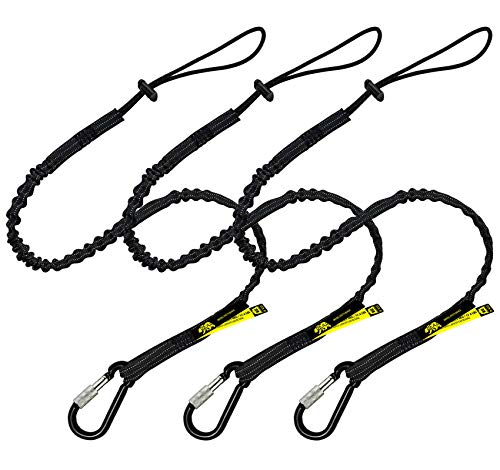
BearTOOLS 0923S Tool Lanyard 3 Pack

BearTOOLS 0929S Tool Lanyard 10 Pack
Inside Each Recommended Option
The MKZ retractable set arrives in a 12-pack, so you’re never scrambling for a spare tether mid-job. The retractable reel keeps the cord tidy and out of your way when you’re reaching overhead, then pulls back in once the tool is holstered. A metal screw-lock buckle adds confidence when you’re switching between screwdrivers and heavier power tools, and the adjustable loop end cinches around handles of different shapes without slipping loose.
Where this kit stands apart from fixed-length tethers is the freedom of movement during repetitive tasks like installing fixtures, running wire, or working on a tall ladder. The retractable action takes the slack management out of your hands.
The Upside
- Retractable reel reduces dangling cord during long work sessions
- Twelve units per pack suits larger crews or anyone replacing worn tethers
- Adjustable loop fits compact screwdrivers up to heavier power drills
- Metal screw-lock buckle holds firm under repeated attachment cycles
Things To Consider
- Retractable reels add a bit of weight versus plain cord tethers
- Twelve pieces may be more than a solo DIYer needs in one go
Feature Snapshot
Made For
Crews who cycle through multiple tools daily and want retractable convenience without buying singles.
Consider Something Else When
You only need one or two tethers for weekend projects, where the BearTOOLS 0923S 3 Pack makes more sense.
The Guardian 01280 isn’t a tool tether in the handheld sense, it’s a positioning lanyard that anchors the worker rather than the wrench. Built from 1-inch polyester webbing with hooks rated to 3,600 lb gates, it adjusts between 4 and 6 feet so you can control how much slack you keep while working at height. The yellow color stands out against gray decking and dark scaffolding.
For roofers, ironworkers, and anyone tied off on a structure, the adjustability matters more than flashy features. You tighten the slack when repositioning, then loosen it for hands-on work without re-rigging the whole anchor.
Why It Works Well
- 3,600 lb gate hooks add a strong safety margin
- Adjustable 4 to 6-foot range adapts to varied work zones
- 1″ polyester webbing handles daily site wear
Worth Noting
- Non-shock absorbing, so it suits positioning rather than fall arrest
- Heavier than a lightweight tool tether and overkill for hand tools alone
Right Fit For
Tradespeople who need a positioning lanyard alongside their tool tether system on elevated work sites.
Look Elsewhere When
You need a tether for a single handheld tool, where the Guardian 10792 X-Arm or a BearTOOLS pack fits the brief better.
Where most tool lanyards top out at a few feet of reach, the Guardian 10792 stretches to 15 feet, opening up uses that shorter tethers can’t handle. The webbing mixes 60% nylon and 40% polyester for a balance of strength and abrasion resistance, and a heavy-duty wear pad shields the strap where it scrapes against concrete edges or steel beams. Two D-rings, one large and one standard, let you shorten the anchorage by wrapping the strap and passing it back through, which is genuinely handy when your anchor point sits a few feet beyond your reach.
For window cleaners on swing stages, rope-access technicians, and riggers who need both reach and adjustability, this is the kind of lanyard that earns its place on the harness.
The Case For It
- 15-foot reach handles long drops and distant anchor points
- Dual D-ring setup allows on-the-fly length adjustment
- Wear pad extends webbing life on abrasive surfaces
Trade Offs
- Longer strap adds bulk to a harness setup
- Specialized feature set goes unused on simple hand-tool tasks
Key Specs
Best Suited To
Rope-access workers and riggers who need reach, adjustability, and abrasion resistance in one tether.
A Better Fit Elsewhere
You mostly tether small hand tools and want a lighter, shorter option like the MKZ retractable set.
The BearTOOLS 0925S sits in the middle of the brand’s range, offering a 5-pack for shops and small crews who need a few reliable tethers without overcommitting. Each one carries an aluminum screw-lock carabiner, a 17.6 lb (8 kg) weight limit, and a shock-cord stopper that keeps slack from whipping around mid-task. The adjustable loop end cinches around everything from a utility knife handle to a cordless impact driver, and the screw-lock gate opens one-handed even when you’re wearing gloves.
On scaffolding or framing jobs, the shock-cord stopper is a small detail that makes a real difference, because it absorbs the jolt when a tool drops rather than yanking your arm.
Strengths Worth Knowing
- Shock-cord stopper reduces jarring on the operator when a tool slips
- Aluminum carabiner keeps the tether light on a harness or belt
- Five-pack balances cost and coverage for small teams
Points To Note
- 8 kg limit rules out heavier power tools like rotary hammers
- Screw-lock gate takes an extra twist compared to auto-locking carabiners
Quick Facts
Who Should Grab It
Small crews and serious DIYers who want shock-cord protection and an aluminum carabiner at a moderate pack size.
Swap It Out When
You need a 10-pack for a larger team, in which case the BearTOOLS 0929S covers more ground at a lower per-unit cost.
The BearTOOLS 0923S is the smallest pack in the lineup, built for solo workers who need a couple of tethers rather than a full kit. The same aluminum screw-lock carabiner and 8 kg weight limit carry over from the larger BearTOOLS packs, so you don’t sacrifice build quality for a smaller quantity. The shock-cord stopper handles the small surprises, like a wrench slipping from your grip, and the adjustable loop covers the common tools most homeowners reach for, including hammers, pliers, and tape measures.
For weekend renovations, occasional gutter work, or general home maintenance, three tethers covers the basics without leaving extras cluttering the drawer.
What Earns Its Place
- Compact 3-pack suits solo projects and lighter use
- Shock-cord stopper and aluminum carabiner match the larger BearTOOLS packs
- Adjustable loop fits common hand tools without tools needed to resize
Honest Caveats
- Same 8 kg weight cap as the 5 and 10-pack, so heavier drills are off-limits
Perfect Match For
Homeowners and solo DIYers who want a small, dependable set for occasional elevated tasks.
Another Choice May Suit
You run a small contracting team, in which case the BearTOOLS 0925S 5 Pack gives you two extra tethers at a similar per-unit cost.
The BearTOOLS 0929S is the largest pack in the brand’s tool tether lineup, with ten lanyards sharing the same aluminum screw-lock carabiner, shock-cord stopper, and adjustable loop as the smaller packs. That consistency matters on busy job sites where workers grab whichever tether is closest without thinking about specs. Each unit carries the same 17.6 lb (8 kg) rating, and the 10-pack brings the per-unit cost down enough that you can keep spares on hand for when one gets snagged or worn out.
For framing crews, siding teams, and any multi-person operation that goes through tethers over a season, this is the practical bulk option.
A Strong Showing
- 10-pack lowers the per-unit cost for outfitting larger crews
- Matching specs across the pack simplify training and spares
- Shock-cord stopper protects workers from sudden jerks on drops
Soft Spots
- 8 kg weight limit stays the same as smaller BearTOOLS packs, so heavier rotary hammers are still off the table
- Bulk pack is more than a solo user needs
Whose Shelf It Belongs On
Contracting crews and multi-worker teams that go through tethers regularly and want a cost-efficient bulk supply.
Not Your Match When
You’re a solo homeowner needing just a couple of tethers, where the BearTOOLS 0923S 3 Pack is the right size.
What Matters Most Before Choosing Tool Lanyards
Weight Capacity vs. Tool Inventory
Start by matching the lanyard’s rated capacity to the heaviest tool you actually carry, not the lightest. A 17.6 lb (8 kg) limit covers most handheld power tools and accessories, but rotary hammers, large angle grinders, and heavy drill presses push past that ceiling. Overrating the tool and underrating the lanyard is a common mistake, because the rated capacity includes the dynamic force of a drop, not just the static weight.
Attachment Style and Loop Design
Adjustable loop ends suit varied tool handle shapes, while fixed carabiners work best with tools that already have a dedicated anchor point. Screw-lock gates add a safety step that prevents accidental release, and one-handed operation matters when you’re climbing or wearing gloves. The BearTOOLS lineup uses an adjustable loop with a screw-lock carabiner, while the MKZ set uses a retractable reel with a metal screw-lock buckle for a different kind of flexibility.
Length and Slack Management
Retractable tethers manage slack automatically and suit repetitive tasks where you frequently holster and unholster. Fixed-length lanyards are simpler and lighter, but you have to manually control the extra strap. Positioning lanyards like the Guardian 01280 and 10792 serve a different purpose entirely, anchoring the worker to a structure rather than the tool to the worker.
Key Considerations Across These Picks
Pitfalls Shoppers Hit
One of the easiest mistakes is buying a tether rated below the tool’s actual drop weight, because the dynamic force on a falling tool exceeds the static tool weight. Another common trap is choosing a retractable lanyard for tasks where a fixed-length tether would be more reliable, since retractable reels add moving parts that can wear out in abrasive environments. Matching the loop size to your tool handles matters too, because an oversized loop slips and an undersized loop won’t close at all.
Where The Extra Money Goes
Premium pricing on lanyards typically reflects higher-grade webbing, stronger gate ratings, and integrated wear pads that extend service life. The Guardian 10792 X-Arm, for example, costs more than a basic loop tether because of its 15-foot reach, dual D-ring system, and abrasion-resistant wear pad. Whether that upgrade pays off depends on your work environment, and on steel and concrete sites, the wear pad alone can double the tether’s working life.
Frequently Asked Questions
What weight capacity do I need for a tool lanyard?
A standard 17.6 lb (8 kg) rating covers most screwdrivers, pliers, cordless drills, and impact drivers. For heavier tools like rotary hammers, you need a tether with a higher rated capacity matched to the tool’s drop weight.
Can I use one tool lanyard for multiple tools?
Tool lanyards are designed for one tool at a time because the weight rating assumes a single load. Switching tools on a single tether works, but avoid clipping two tools to the same lanyard, since the combined weight and dynamic force can exceed the rating.
How do I attach a tool lanyard to my tool?
Most lanyards use an adjustable loop that cinches around the tool handle, or a carabiner that clips to a dedicated anchor point on the tool. The loop style suits most hand tools, while the carabiner style works with tools that have a tether ring or hole.
Do retractable tool lanyards last as long as fixed ones?
Retractable models add moving parts like a spring-loaded reel, which wears faster than a plain strap under heavy daily use. Fixed-length tethers generally outlast retractables in abrasive environments, but retractables offer better slack management on repetitive tasks.
Are tool lanyards required by safety regulations?
Many job sites require tool tethers for work above a certain height, especially in construction, window cleaning, and oil and gas. Specific requirements vary by region and employer, so check your site’s safety policy and local regulations before relying on any tether.




