


Sharp edges don’t stay sharp on their own. Whether you work in a busy kitchen, maintain a tidy garden, or keep a wall of hand tools in a small workshop, the right sharpening setup saves you from replacing blades that just need a few careful passes. The six picks below cover knives, scissors, pruners, loppers, and even dull drill bits, so the right match depends less on brand loyalty and more on what you actually need to hone.
The Essentials At A Glance
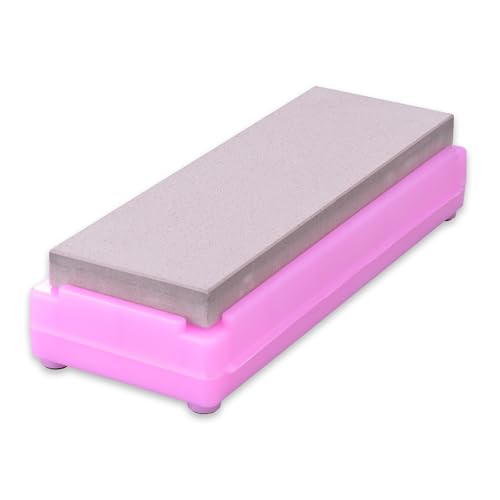
Shapton K0704 Glass Sharpening Stone #5000

Work Sharp 6000 Grit Replacement Belt Kit
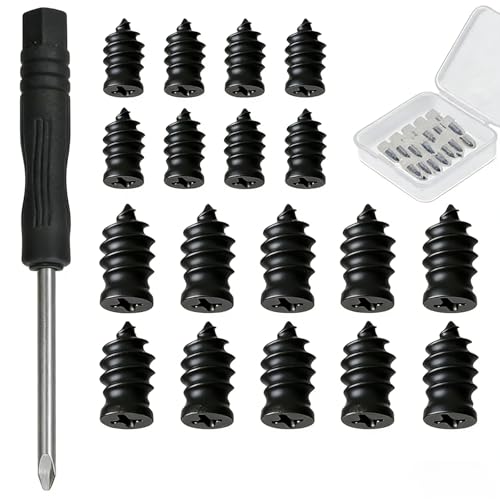
Tire Repair Rubber Nail Kit 2 Sizes (S+L)

Work Sharp Guided Field Sharpener

TWSURE Pruning Shear Blade Sharpener

Gantodly Portable Drill Bit Sharpener
Why These Options Stand Out
The Shapton K0704 is a finishing whetstone, meaning it’s designed for the very last stage of sharpening rather than grinding back a damaged edge. A 5000 grit rating translates to an extremely fine abrasive, so blades leave this stone with a near-polished edge that glides through tomatoes and slices cleanly through folded paper.
It measures roughly 8.3 by 2.8 inches with a 0.6 inch thickness, which gives you a stable working surface for longer kitchen knives. Compared to the Work Sharp belt-driven approach below, this Shapton relies on slow, controlled hand strokes, so the learning curve feels gentler for someone who enjoys a quiet, deliberate routine.
What Pays Off
- 5000 grit leaves a polished, hair-splitting edge on kitchen and pocket blades.
- Compact 8.3 by 2.8 inch footprint fits easily on a small counter or workbench.
- Glass-backing design keeps the surface flat, so results stay consistent over years of use.
- Compatible with chisels, knives, and scissors for a multi-purpose finishing station.
Things To Consider
- Requires pre-soaking or splash-water use, which adds a small step to the routine.
- Not designed for repairing chips or rebuilding a totally dull edge.
Feature Snapshot
Whose Drawer It Belongs In
Home cooks and hobbyist woodworkers who already own a coarser stone and want a polishing step that delivers a clean, refined edge.
Look Elsewhere When
The Work Sharp Guided Field Sharpener is a better match for travelers who need an all-in-one tool rather than a dedicated bench stone.
This Work Sharp kit is not a standalone sharpener. It is a six-pack of purple 6000 grit replacement belts built specifically for the WSKTS and WSKTS2 sharpeners, which means you already need that machine on your bench to make these belts useful. The abrasive is silicon carbide, bonded to a flexible cotton backing with a polymer cushion that softens contact on the blade.
You may find the 6000 grit step unnecessary for rough kitchen work, where a coarser belt handles daily touch-ups faster. It shines for honing and finishing, giving a clean working edge on hunting knives, kitchen blades, and shop tools between heavier grinds.
Bright Spots
- 6000 grit leaves a noticeably refined edge after coarser belts set the geometry.
- Six belts per pack spread the cost across multiple sharpening sessions.
- Polymer cushion layer helps reduce the risk of overheating thin blades.
Points To Keep In Mind
- Only fits Work Sharp WSKTS and WSKTS2 sharpeners, limiting cross-system use.
- Belts stretch and wear with heavy use, so you will replace them periodically.
Right Fit For
Existing Work Sharp owners who sharpen often and want a steady supply of finishing belts without ordering one at a time.
Swap It Out When
The Shapton K0704 Glass Sharpening Stone suits someone who prefers slow, hand-controlled honing over a powered belt system.
This kit sits at an interesting crossroads in a tool sharpeners list, because it is not a stone or a blade hone. The twenty-piece set includes rubber-and-iron screw-in tire repair plugs in two sizes, small at roughly 0.21 by 0.46 inches and large at 0.27 by 0.5 inches, plus a screwdriver. It is built for the moment a screw or nail pierces a tire and you need to limp home or to a shop without removing the wheel.
For commuters and road-trip households, the included storage case is the real value. It keeps the plugs and the driver together in the trunk, where you are most likely to need them on a dark shoulder. The thick-threaded plug design is intended to bite firmly into the puncture channel, depending on the puncture size and how cleanly the screw went in.
The Good Stuff
- Two plug sizes handle both fine nail punctures and slightly larger tears.
- Screw-in design works without removing the tire from the rim.
- Compact case tucks neatly into a trunk corner or under a seat.
Worth Noting
- Intended as a temporary fix rather than a permanent replacement for a proper patch.
- Sidewall damage falls outside the safe use range of these plugs.
Who Should Grab It
Daily drivers, ride-share operators, and anyone who wants a low-cost backup for a slow leak before a service appointment.
Where Another Pick Suits Better
The Work Sharp Guided Field Sharpener is the better grab for outdoor enthusiasts who want blade maintenance rather than roadside repair.
The Work Sharp Guided Field Sharpener is the kind of tool that disappears into a pack and shows up right when you need it. It folds multiple sharpening surfaces into one compact body, including diamond plates, ceramic rods that rotate between coarse and fine sides, and a leather strop for finishing. The diamond plates also lift away to expose a broad wrench slot, so it doubles as a small tool for tightening gear in camp.
It leans hard into portability. Hunters, anglers, and weekend campers tend to reach for it because every step, from reprofiling an edge to polishing it, happens in the same handheld unit. Against the Shapton stone above, this one trades refinement for convenience, which is the right call when you are working on a tailgate rather than a workbench.
Standout Benefits
- Combines diamond plates, ceramic rods, and a leather strop in a single compact body.
- Rotating ceramic rod switches between coarse and fine grits without swapping parts.
- Built-in wrench slot adds a small utility function for field repairs.
Trade Offs
- Smaller abrasive surfaces mean more strokes per inch than a full-size stone.
- Best used for touch-ups and light reprofiling rather than heavy repair work.
Quick Facts
Best Suited To
Outdoors-focused users who want a single pocketable sharpener for knives and camp tools.
Not Your Match When
The TWSURE Pruning Shear Blade Sharpener is the right tool for gardeners restoring lopper and pruner edges at home.
The TWSURE sharpener is a small tungsten carbide tool with a curved, slip-resistant handle that sits comfortably in a closed fist. It targets the kind of thick, high-carbon steel used in pruners, loppers, hedge shears, and lawn mower blades, where pulling a kitchen stone across the edge feels awkward and slow.
The carbide abrasive restores a working edge in just a few strokes, depending on how dull the blade is when you start. The handle design is the headline feature, since a secure grip matters more than raw abrasive when you are pushing hard against a stubborn lopper edge in cold weather.
The Practical Payoff
- Tungsten carbide edge brings dull pruners and shears back to a clean cut quickly.
- Curved handle keeps the tool steady during heavy sharpening pressure.
- Compact size drops into a garden bag or apron pocket without taking up space.
Honest Caveats
- Carbide cutters are aggressive, so light hands are needed to avoid over-removing steel.
- Designed for outdoor blades rather than thin kitchen knives or scissors.
Who Will Love This
Home gardeners and landscapers who regularly maintain bypass pruners, hedge shears, and lopper blades throughout the growing season.
Reach For A Different Pick When
The Gantodly Portable Drill Bit Sharpener is a better fit for a workshop that prioritizes drill bit geometry over blade work.
The Gantodly sharpener tackles one of the most overlooked maintenance tasks in a home shop. Drill bits lose their edge quietly, and most people replace them long before they need to. This handheld unit uses two abrasive discs to form dual grinding stations, which means you can resharpen the flutes of common bit sizes without swapping wheels between every pass.
The outer shell is a reinforced nylon housing, which keeps the tool light enough to use one-handed against a bench vise. You may find the learning curve a little steeper than a kitchen hone, since drill geometry is less forgiving than a knife edge, but the trade-off is a bit set that cuts cleanly again instead of skating across the workpiece.
Where It Excels
- Dual grinding stations reduce the need to swap wheels between passes.
- Lightweight nylon housing is comfortable for one-handed use on a bench vise.
- Restores cutting performance to worn bits rather than sending them to the bin.
Points To Note
- Getting the original drill point angle back takes a little practice.
- Not designed for sharpening kitchen blades or garden tools.
Key Product Details
Made For
DIYers and small-shop workers who want to extend the life of standard twist drill bits without buying replacements every season.
A Better Fit Elsewhere
The Work Sharp Guided Field Sharpener is a smarter grab for someone sharpening knives and outdoor tools rather than drill bits.
Picking The Right Tool Sharpener For Your Bench
Match The Abrasive To The Material
Diamond plates cut fast and handle hard steels, silicon carbide is the workhorse for general kitchen and shop edges, and tungsten carbide earns its keep on thick outdoor blades. Matching abrasive to the steel you actually own keeps sharpening quick and prevents the frustration of an edge that looks polished but refuses to cut cleanly. Diamond and ceramic also stay flat longer than softer water stones, which matters on a workbench that sees weekly use.
For pure kitchen work, a layered system is usually more useful than any single stone. A coarser grit resets the edge, a medium grit refines it, and a fine grit in the 4000 to 6000 range polishes the result. The Shapton 5000 sits at the top of that chain, so pair it with a lower-grit stone if your knives see heavy daily prep work.
Portability Versus Precision
Compact field sharpeners sacrifice abrasive size for convenience, and that trade-off is worth understanding before choosing one as a primary tool. A small field sharpener is excellent for touch-ups after a hunt or a long day on a job site, but it will take noticeably more strokes to reprofile a chipped edge than a full bench stone would.
Belt-driven systems land in a useful middle ground for kitchens and shops. They work fast and stay consistent across long sessions, which is why the Work Sharp belt kit above focuses on replacement parts rather than the whole system. The catch is that belts wear out and need steady replacement, so budget for consumables if you sharpen weekly.
Specialized Tools For Specialized Blades
Drill bits, pruners, and tire repair plugs all sound unrelated, but they share a common theme: each one benefits from a tool designed around a specific geometry. A general kitchen stone cannot restore a drill point or seat a tire plug correctly, and forcing a square peg into that role usually costs more in damaged parts than the specialty tool would have.
If your home routine involves pruning, drilling, and cooking, the smartest path is a small stable of focused tools rather than one device that claims to do everything. The TWSURE handles yard work, the Gantodly revives bits, and the Shapton polishes kitchen steel, which keeps each task simple and the results predictable.
Smart Choices Across This Lineup
Pitfalls Shoppers Hit
Many first-time shoppers grab a low-grit stone expecting it to fix any edge, then wonder why their knives feel scratched instead of sharp. A coarse stone removes steel quickly but leaves a rough working edge, so pairing it with a finer finishing step is part of the job, not an upgrade.
Another common miss is buying a sharpener designed for one system and assuming it works across brands. The Work Sharp belt kit is the clearest example here, since it only fits WSKTS and WSKTS2 units. Always confirm compatibility with the machine you already own before adding accessories to the cart.
Where The Extra Money Goes
Higher-tier stones and sharpeners tend to buy you flatter abrasive surfaces, harder bonding agents, and tighter dimensional tolerances. A truly flat stone means your edge stays symmetric across the whole length of the blade, which is what separates a sharp knife from a knife that simply feels sharper in one spot.
Premium handhelds also tend to use more durable housings, replaceable abrasive inserts, and better ergonomics. For someone who sharpens every week, those differences show up as years of service rather than months. For casual users, a mid-range option often delivers the same cutting result at a more approachable entry point.
Frequently Asked Questions
What grit should a beginner start with?
A 1000 grit stone handles the bulk of regular kitchen knife maintenance and forgives small angle mistakes better than finer stones. Add a 4000 or 5000 grit finishing stone later, once your stroke technique feels consistent.
How often do sharpening belts need replacement?
Belts stretch, clog, and lose grit over time, with heavy daily use wearing them out in a few months. Casual sharpeners can often go a year or more between replacements, though kitchen knives that see nightly prep tend to demand fresh belts sooner.
Can one sharpener handle both kitchen and outdoor tools?
A multi-stage sharpener can cover both, but the results usually feel like a compromise on tougher outdoor blades. Dedicated tools like the TWSURE for pruners or a coarse diamond plate for axes tend to restore edges more cleanly than a generalist device.
Are screw-in tire plugs a permanent fix?
They are designed as a roadside or temporary repair, intended to get you to a tire shop for a proper internal patch. Most tire professionals recommend a professional inspection after any plug-in repair, since hidden damage can sit just beneath the surface.
Do drill bit sharpeners really save money?
For anyone who drills regularly, resharpened bits cut cleaner and last far longer than a steady stream of replacements. The savings show up fast, especially with cobalt or carbide-tipped bits that cost noticeably more than standard steel.




