Cutting insulation used to mean wrestling a dull kitchen knife through fiberglass batts and calling it a workout. The right tool changes the whole job, leaving tidy edges, fewer airborne fibers, and far less hand fatigue. Whether you’re sealing an attic, wrapping a workshop, or patching a basement rim joist, the picks below cover the real scenarios you face. The list leans toward shop-tested hand tools rather than specialty gear, because most insulation jobs need a reliable cutter and a sharp blade more than anything exotic.
The Picks In Brief

KNIPEX Long Nose Pliers with Cut

KNIPEX 1000V Insulated Combination Pliers

Klein Tools 11055EP Wire Cutter and Stripper

KNIPEX StepCut Cable Shears 6.25-Inch

Klein Tools 11063W Automatic Wire Stripper
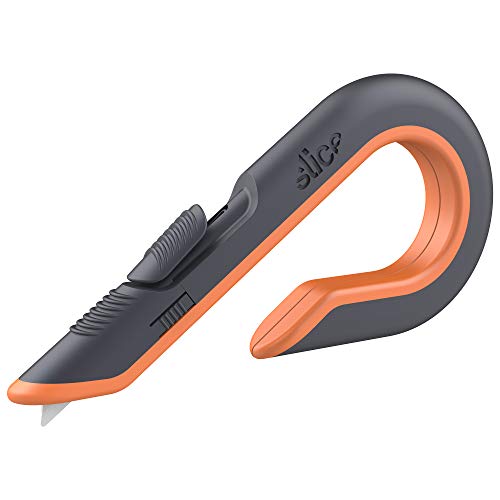
Slice 10400 Manual Box Cutter
Slice Auto-Retractable Utility Knife

Crescent Wiss 7-Inch Tinner’s Snip WDF7S
Slice 10560 3-Inch Foam Cutting Tool
Why These Options Stand Out
Long nose pliers earn a quiet spot in any insulation toolkit, especially when you’re fishing wire through drilled holes in top plates. The slim tips reach into cavities where your hand barely fits, and the built-in cutter near the pivot trims the odd zip tie or piece of metal strapping without swapping tools. Tradespeople who already know the KNIPEX feel will recognize the precise jaw mating and the grippy handle texture that doesn’t try to slip mid-pull.
For most homeowners, this is the grab-and-go tool for trim, pinch, and light-cut jobs around an insulation project. Compared to the larger combination pliers in pick 2, you trade leverage for access, so pushing through tough wire isn’t its happy place. The trade-off shows up when you need raw cutting power rather than finesse.
What Makes Sense
- Slim profile reaches behind fixtures and into narrow stud bays
- Integrated cutter spares you a second tool for zip ties and small gauge wire
- Precision-mated jaws grip small washers and staples firmly
- Handles stay comfortable during long detail sessions
Things To Consider
- Not designed for heavy-gauge cable, so expect hand strain on bigger cuts
- Tip alignment matters: owners commonly report the nose can flex if forced sideways
Built With In Mind
Tradespeople and DIYers who need a slim, all-in-one reach-and-cut tool for tight corners and small-gauge wire around an insulation install.
Where Another Pick Suits Better
The KNIPEX 1000V Insulated Combination Pliers (pick 2) is a smarter call when you need heavier cutting leverage or are working near live circuits.
Insulation work and electrical work usually share the same wall cavity, which is exactly where these combination pliers earn their keep. The 1000V insulated handles add a real safety margin when you’re cutting old Romex or trimming tie wire near a live panel. The flat and round gripping zones handle both bus bar stock and bundled wire, so the tool stays on your belt through multiple tasks.
Compared to the long-nose pick above, you get noticeably more cutting power and a sturdier jaw for twisting conductors. The honest read is that this is a tool for people who already think in terms of safe electrical work, not a casual add-on. Reach for it when the insulation job overlaps with rewiring, fixture swaps, or service panel work.
Where It Helps
- 1000V insulation rating for confident work near energized conductors
- Cutting edges handle both soft and hard wire in one tool
- Burner hole punches clean holes in thin sheet metal for fasteners
- Combined gripping, bending, and cutting reduces tool swaps mid-job
Worth Noting
- Heavier than non-insulated pliers, so it tires the wrist on long cutting runs
- Insulation coating requires wiping down after dirty fiberglass work to stay grippy
Whose Shelf It Belongs On
Electricians and serious DIYers handling insulation upgrades that involve touching or rerouting live-adjacent wiring in older homes.
Look Elsewhere When
The Slice 10560 3-Inch Foam Cutting Tool (pick 9) is a smarter call when the job is purely rigid foam board with no electrical work involved.
The 11055EP is a familiar sight in American electrical shops, and it shows up in insulation jobs for good reason. Precision-ground stripping holes let you skin 10-18 AWG solid and 12-20 AWG stranded wire without nicking the copper, which matters when you’re splicing behind a vapor barrier you really don’t want to reopen. The shear blades also cut 6-32 and 8-32 screws cleanly, saving a trip back to the bench for a hacksaw.
You’ll appreciate the looping holes when forming clean service loops in junction boxes buried in new insulation. The trade-off is that this is a wire specialist, not a general-purpose cutter, so it won’t replace a utility knife on the foam board side of the project. Pair it with one of the Slice options later in the list for a complete kit.
Notable Upsides
- Shear blades deliver clean copper cuts without pinching the conductor
- Looping and bending holes speed up junction box terminations
- Double-dipped comfort grips stay usable over long trim-out sessions
- Built in the USA with the durability most homeowners expect from Klein
Trade Offs
- Stripping range is fixed, so it won’t handle larger service entrance cable
- Compact size means more hand force on thicker screw-cutting tasks
Feature Snapshot
Best Suited To
Homeowners and apprentices pairing an insulation retrofit with outlet, switch, or fixture wiring work in standard residential branch circuits.
Skip It When
The Klein Tools 11063W (pick 5) is a stronger match if you mostly need to strip 8 AWG or larger conductors and want a one-squeeze action.
Cable shears are an unusual inclusion on an insulation list, yet they solve a real problem. When you’re trimming multi-core stranded copper and aluminum cables up to 1/0 AWG, a standard cutter crushes the strands and leaves a misshapen end that resists seating in a lug. The StepCut’s graduated edge separates the wire strands in stages, which preserves the round profile and saves your wrist on the bigger pulls.
The 6.25-inch length keeps them maneuverable in a tight service panel, a benefit the heavier 10-inch models in this category can’t match. You trade absolute reach for daily usability, and for most retrofit insulation work that’s the right call. These shears are not for steel wire, so keep them away from AC and MC armor.
What Works In Its Favor
- Step-by-step cutting reduces the force you need to apply by a noticeable margin
- Clean round cut preserves conductor shape for proper lug seating
- Compact 6.25-inch body fits inside crowded panels and junction boxes
- Insulated grip adds safety around energized conductors
Honest Caveats
- Not rated for steel wire, so you’ll need a different tool for AC or MC cable
- Stepping action takes a few cuts to get used to if you normally use bypass shears
Who Should Grab It
Pros and serious DIYers running new feeder or subpanel circuits as part of an insulation or basement finishing project.
Reach For A Different Pick When
The KNIPEX Long Nose Pliers (pick 1) cover small-gauge trimming more comfortably if you don’t regularly cut 1/0 cable.
When the job involves dozens of identical strips, a manual stripper slows you down and a scissor-style stripper chews up your thumb. The 11063W solves that with a compound-action grip that grabs, strips, and ejects the slug in one squeeze. The 8-20 AWG solid and 10-22 AWG stranded range covers nearly every branch circuit you’ll find in a home, including the older 10 AWG feeds that often appear in insulation retrofits.
You can pull up to a 25 mm jacket section in a single motion, which speeds up device and fixture work considerably. The heft is noticeable, and you may find the spring tension takes a session to master. Once dialed in, it’s the kind of tool that quietly disappears into the workflow.
Real-World Strengths
- One-squeeze action removes insulation in a single motion, saving real time on large jobs
- Wide gauge range handles both branch circuits and small appliance wiring
- Built-in cutter trims conductors flush before you strip
- Tension adjustment lets you fine-tune grip for older, brittle insulation
Possible Compromises
- Bulkier than manual strippers, so it doesn’t fit easily in a back pocket
- Spring action can fling the insulation slug, so plan a small waste container nearby
At A Glance
Right Fit For
Electricians and homeowners rewiring multiple devices at once while opening walls for new insulation, where repetition makes manual stripping painful.
A Better Fit Elsewhere
The Klein Tools 11055EP (pick 3) is a smaller, lighter alternative if you only need a few strips and prefer a familiar manual feel.
Ceramic blades change the feel of cutting foam board, and the Slice 10400 is a compact way to try them. The zirconium oxide edge stays sharp far longer than a steel utility blade, which means fewer swaps when you’re scoring XPS or cutting rigid mineral wool. The rounded tip is a real safety feature, since most insulation cuts happen at odd angles with the other hand close to the work.
The three-position manual slider gives you locked, semi-exposed, and hidden modes, which is helpful when you set the knife down between cuts. You give up the auto-retract mechanism of pick 7, and you trade some rigidity for that rounded safety tip. For detail cuts on rigid foam board, it’s a clean, controlled tool that won’t punish you for the occasional clumsy moment.
Good Reasons To Consider
- Ceramic blade holds its edge through long scoring sessions on foam board
- Rounded tip reduces the chance of puncturing vapor barriers or skin
- Manual lock lets you choose how much blade you actually need
- Non-conductive, anti-magnetic blade is friendly around electrical work
Some Limits To Know
- Ceramic edges chip if you twist the blade against a hidden screw or staple
- Shorter reach than a fixed utility blade, so deep plunge cuts need extra care
Made For
DIYers and remodelers scoring and trimming rigid foam board, especially when a rounded safety tip and chemical inertness matter more than blade reach.
Not Your Match When
The Slice 10560 (pick 9) is the better pick for cutting through thick foam insulation where a long exposed blade saves time.
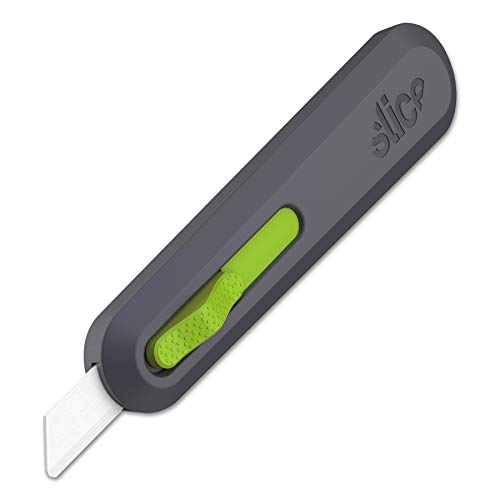
When you’re cutting fiberglass batts overhead, the difference between a manual slider and an auto-retract knife is the difference between remembering to close the blade and not having to. The Slice 10503 pulls the ceramic edge back into the housing the moment it leaves the cut, which is genuinely useful in a tight attic where the other hand is balancing a flashlight. The ambidextrous design means left-handed users get the same smooth trigger feel.
Compared to the manual 10400, you get a noticeably longer blade exposure for slicing through thicker materials in one pass. The no-tool blade change also means you can swap a chipped edge in seconds without digging for a screwdriver. The trade-off is a slightly heavier handle, which you’ll feel on extended scoring work.
Everyday Perks
- Auto-retract removes the temptation to leave the blade exposed between cuts
- Longer blade exposure handles thicker foam and faced batts efficiently
- Finger-friendly edge reduces severity of accidental contact
- Tool-free blade swap keeps downtime short during a long workday
Where It Is Less Suited
- Heavier than a fixed-blade knife, so it can fatigue smaller hands during overhead work
- Auto-retract can feel overly cautious for users who want a fixed-blade rhythm
Feature Card
Who Will Love This
Contractors, homeowners, and facility maintenance staff who make dozens of cuts per session and want a safer default tool in the bag.
Swap It Out When
The Slice 10400 (pick 6) is the lighter, simpler choice if you want a manual lock and a slightly more compact body for one-off cuts.
Tinner’s snips earn their place in an insulation list because they cut clean lines through the thin metal flashing and HVAC straps that often bracket an insulation job. The Wiss compound lever action delivers more force per squeeze than a basic utility snip, which matters when trimming aluminum coil stock for custom register boots. The 7-inch body lands in the sweet spot for control without being bulky.
Where the Slice knives handle foam and faced batts, the WDF7S covers the metallic edges: duct strap, corner bead, foil-faced insulation backers, even the occasional drywall corner. The honest read is that this is a specialty tool most homeowners won’t reach for daily, but pros and serious DIYers will find steady use for it. Pair it with a utility knife and you can finish most mechanical rooms in one pass.
A Few Highlights
- Compound lever action multiplies hand force for cleaner cuts through thin metal
- Compact 7-inch body fits inside ductwork and tight mechanical closets
- Hardened cutting edges hold up to repeated cuts without frequent sharpening
- Works on foil-faced insulation backers where a utility knife tears the facing
Points To Keep In Mind
- Not the right tool for thick sheet metal or steel strapping
- Cutting edge alignment matters: a single dented tip can wander on long cuts
Perfect Match For
HVAC installers, sheet metal workers, and remodelers who need to trim foil-faced insulation and duct components cleanly without tearing the facing.
Where A Sibling Pick Shines
The KNIPEX StepCut Cable Shears (pick 4) are a better fit if your cuts are mostly round cable rather than flat metal flashing.
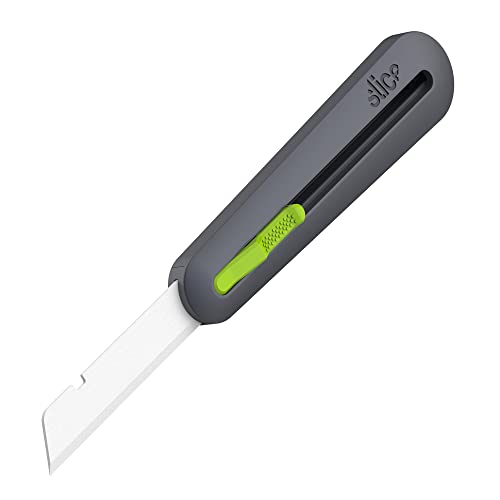
When the project is two-inch polyiso or four-inch XPS around a foundation, a standard utility knife just won’t reach through the material. The Slice 10560 ships with an exposed ceramic blade roughly three inches long, which slices through thick foam in a single pass instead of the back-and-forth sawing a short blade forces on you. The auto-retract mechanism still pulls the edge in the moment the cut ends, so you get reach and safety in the same tool.
Compared to the Slice 10400, you give up some maneuverability for the longer cutting edge. The trade-off is worth it for foundation and roof insulation, where one clean stroke leaves a tidier edge than multiple short passes. Owners commonly report that the ceramic edge stays sharp through entire basements of foam board without a swap.
Real Benefits
- Three-inch blade exposure handles thick foam in a single stroke
- Ceramic edge lasts far longer than metal when cutting abrasive foams
- Auto-retract keeps the long blade covered the moment the cut finishes
- Finger-friendly edge geometry reduces the severity of slips on contact
Potential Sticking Points
- Longer blade catches more easily on hidden staples inside existing walls
- Specialty blade shape means replacement edges cost more than standard utility blades
Spec Overview
Who It Suits Best
Foundation, roofing, and basement remodelers regularly slicing through two-inch or thicker rigid foam who need reach and edge life in one tool.
Consider Something Else When
The Slice Auto-Retractable Utility Knife (pick 7) is a more versatile everyday carry if you cut mostly thin foam, cardboard, and faced batts.
What To Weigh Before Choosing Tools To Cut Insulation
Match The Cutter To The Material
Start by identifying what you’re actually cutting. Faced fiberglass batts slice cleanly with a sharp utility knife and don’t need anything fancier. Rigid foam board behaves differently: a standard steel blade can grab and tear, leaving a fuzzy edge that resists a tight seam against the next panel. Ceramic-bladed tools from Slice stay sharp longer and resist the abrasion of mineral wool, which is why they keep appearing in the list above. Wire-related cutters, by contrast, belong in the kit for the electrical side of an insulation upgrade, not for the foam or batt work itself.
Think About Reach Versus Control
Long blades cut faster but wander more easily, especially on a ladder or in a tight soffit. Short blades force multiple passes through thick foam, which wears the user out and leaves ragged edges. Most homeowners will find a mid-length, auto-retract utility knife hits the daily-driver sweet spot. Pros and remodelers who handle thick foam day in and day out will appreciate a longer specialized blade for the speed it adds.
Safety Features That Actually Matter
Auto-retract, finger-friendly edges, and rounded tips aren’t marketing fluff when you’re cutting overhead in a dusty attic. The ceramic Slice blades in this list stay sharp far longer than metal, which means fewer blade swaps and fewer moments handling a fresh edge. Insulated handles on the pliers and shears matter whenever you cut wire inside a wall, because old boxes sometimes hide live conductors.
Plan For The Jobs You Haven’t Started Yet
The right tool set for an attic batt job looks different from the right set for a basement foam board project. If your insulation upgrade includes any electrical work, add a quality wire stripper and an insulated combination plier to the kit. If the project is mostly rigid foam, prioritize a long ceramic utility knife and a rounded-tip backup. The picks above cover both sides of that split, and most readers will end up with two or three tools rather than one.
Key Considerations Across These Picks
Pitfalls Shoppers Hit
The most common mistake is grabbing the cheapest utility knife in the drawer and expecting it to survive a foam board project. Cheap steel blades dull quickly on rigid insulation, and a dull blade is more dangerous than a sharp one because it forces the user to bear down. Another trap is assuming any wire stripper will handle older, brittle insulation without nicking copper: precision-ground stripping holes make a real difference, especially on 14 and 12 AWG branch circuits. Finally, ignoring reach is a frequent miss: a 2-inch blade on 4-inch foam board means four passes per cut, which is how wrists and patience both give out before lunch.
Where The Extra Money Goes
Higher-end cutters spend the money on steel hardness, ceramic purity, and handle ergonomics. The KNIPEX and Klein pliers use chrome-vanadium steel that holds an edge and resists rust, which is why they outlast budget brands on real job sites. Slice ceramic blades cost more per edge but last many times longer than steel on abrasive foam and faced batts, so the per-cut cost is often lower. Insulated handles add a layer of certification and quality control, which is what you’re really paying for when a combination plier costs twice as much as a basic version. The upgrade pays off for anyone using the tool more than a weekend a year, and even casual DIYers usually find the extra cost worth it once they feel the difference in the hand.