Working with rebar means wrestling with steel that doesn’t care about your timeline. Cutting, bending, and tying rebar by hand eats hours and leaves ragged ends that don’t fit forms cleanly. The right tool transforms that grind into a predictable step in your build, whether you’re a contractor pouring foundations or a homeowner setting fence posts.
Below, you’ll find six options that cover the rebar workflow from cordless bender/cutters that slice and shape in seconds to simple hand twisters for tying wire. Each one solves a different pain point, so match the tool to the work you actually do.
The Leading Options At A Glance

Metabo HPT VB3616DA 36V MV Rebar Bender/Cutter Kit
Uttempt Sheet Metal Roller 2-Station Bender 7in

BETOOLL 3-Piece Hand Seamers Set with Case

Klein Tools 51607 Aluminum Conduit Bender 3/4in EMT
IDEAL Electrical Ductile Iron 1in EMT Bender

GEARLINTON Rebar Twister with Wooden Handle 4 Pack
Meet The Standout Selections
The Metabo HPT VB3616DA earns its spot at the top by collapsing three separate job-site chores into one 36V cordless platform. The bender/cutter head handles rebar from #3 through #5, slicing through the heaviest size in roughly 2.6 seconds and folding the same bar up to 180° in about 3.8 seconds. You get the duplex nailer riding on the same battery system, so there’s no compressor, no hose, and no generator pulling fuel in the background.
On a foundation pour or a slab tie-up, the speed compounds. Crews that used to drag a generator out and wrestle with manual cutters can keep moving through dozens of cuts per charge. The trade-off is cost and weight; this is a kit for crews who bill by the hour, not weekend warriors. Compared to the manual options further down this list, the difference in pace is the difference between running a business and burning out your back.
What Earns Its Place
- Cuts #5 rebar in about 2.6 seconds and bends the same bar up to 180° in roughly 3.8 seconds.
- The included duplex nailer eliminates the compressor and air hose from your formwork.
- Rated at up to 900 nails per charge, which covers most single-day form setups without a swap.
- Compatible with 16D, 8D, and 6D duplex fasteners for temporary wood structures that need to come apart cleanly.
- One battery platform drives both tools, so you stop managing multiple chargers and fuel cans.
Honest Caveats
- 36V kits sit at the heavy end of the price spectrum for this category.
- Battery and charger logistics matter: without a spare pack, downtime waits on charging.
Right Fit For
Crews and contractors who pour foundations or tie rebar daily and need cordless speed without dragging a generator onto the site.
Skip It When
The GEARLINTON Rebar Twister 4 Pack makes more sense for occasional weekend fence work where a four-figure kit can’t earn its keep.
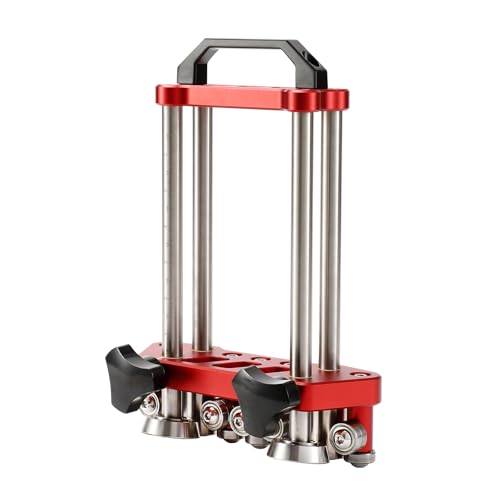
The Uttempt 2-Station Roller is the odd one in this roundup, and for good reason: rebar work and sheet metal work overlap more than most people realize, especially on metal roofing jobs where trim bends happen on the tailgate. This 7-inch tool is built around an oblique bearing geometry that supports a 0 to 100° bend range, and the angled roller design keeps the material from scuffing on full 90° turns.
You won’t bend rebar with it, but if your work crosses into flashing or standing-seam profiles, it slots in next to the heavier tools on this list. It’s a real specialist. For pure rebar cutting, the Metabo kit at the top of this roundup stays the better match.
Key Advantages
- Accepts workpieces from roughly 7mm up to 180mm in length for varied profile jobs.
- Lightweight build means you can throw it in a truck bed without planning the loadout around it.
- The angled roller reduces scratching on coated or painted metal during sharp bends.
Worth Noting
- Capped at 100°, so it cannot produce a tight 180° return common in rebar work.
- Better suited to roofers than to rebar crews, so don’t expect it to replace the Metabo or the hand twisters.
Whose Shelf It Belongs On
Roofers and fabricators who shape trim panels on site and need a portable roller that won’t chew up finishes.
Look Elsewhere When
The Klein Tools 51607 Conduit Bender is the smarter pick if your real job is bending electrical conduit, not rolling panels.
The BETOOLL set covers a different corner of the metalworking world, namely the hand seaming side, and it does so at a price that makes sense for a garage shop. You get three pliers (straight jaw, 45°, and 90°), each with a 2.4-inch jaw width, packed in a hard case that keeps them from rolling around in a drawer. The bodies use heat-treated carbon steel with a chromium surface for corrosion resistance.
Rubber handles keep your grip steady when the metal is cold. This is not a rebar tool, but DIYers who move between HVAC patch jobs, hobby fabrication, and the occasional fence project will find it earns its drawer space. The trade-off is no power assist, so plan on elbow grease for anything heavier than 24-gauge stock.
Useful Highlights
- Three jaw profiles in one kit cover the most common sheet metal bends without buying extras.
- Carbon steel with a chromium finish holds up to garage humidity and the occasional drop.
- Comes in a hard case, so the set stays organized instead of vanishing into a junk drawer.
Soft Spots
- Hand-powered only, so thicker rebar stock will quickly exceed the comfort range.
- Best matched to lighter sheet work rather than the structural steel tasks the rest of this list targets.
Made For
Hobbyists and DIYers shaping or patching sheet metal at home, especially HVAC and trim projects.
Consider Something Else When
Stick with the GEARLINTON Rebar Twister 4 Pack if your real goal is tying rebar for a fence or a small pour.
The Klein Tools 51607 is technically a conduit bender, not a rebar tool, but the principle travels well: it shows how a smart angle-locking system turns a manual bend into a repeatable, production-grade motion. It benders EMT up to 3/4-inch or rigid up to 1/2-inch (note: “Rigid” here refers to rigid metal conduit, a thick-walled steel electrical pipe, not rebar). Klein’s patent-pending Angle Setter handles 10°, 22.5°, 30°, and 45° bends with built-in compensation for the spring-back that throws off hand-bent work.
The wide foot pedal gives real stability on a wet floor or uneven ground, and the cast-in benchmark symbols, degree scales, and multiplier scales keep you from squinting at thin scribed lines. The aluminum body keeps the weight manageable, which matters on ladder runs. For electricians, this is a daily carry.
What Helps Most
- Angle Setter locks in 10°, 22.5°, 30°, and 45° bends without fighting spring-back.
- Cast-in benchmark symbols and scales remain readable after years of scuffing.
- Wide foot pedal with angled grooves keeps both feet planted on slick or uneven surfaces.
Trade Offs
- Aluminum body is lighter than the IDEAL ductile iron option, but it can dent if dropped on stone.
- Designed for conduit, not rebar, so pickers shopping for rebar should look at the Metabo HPT kit instead.
Best Suited To
Electricians and apprentices who bend the same offsets and saddles all day and need a benchmark they can trust.
Reach For A Different Pick When
The IDEAL Electrical Ductile Iron 1in EMT Bender is the better match for crews who push bigger conduit and need a heavier head.
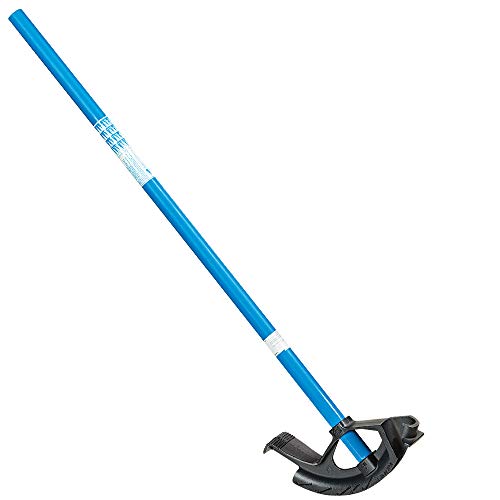
The IDEAL Electrical Ductile Iron Bender is a workhorse plain and simple. Ductile iron gives it real strength advantages over the malleable iron or aluminum alternatives; the head is rated for 1-inch EMT, 3/4-inch Rigid, and IMC (intermediate metal conduit, a mid-weight steel pipe used in commercial electrical runs), and it shrugs off the kind of drops that would dent a lighter tool. Raised cast-in markings stay legible even after a decade of truck-bed rides.
The trade-off is weight. A ductile iron head on a long handle tires out your shoulder faster than aluminum, and you feel every ounce by the end of a long run. For crews who need that toughness, the weight is part of the deal. For lighter residential work, the Klein 51607 above is easier to live with.
Benefits That Matter
- Ductile iron head outlasts malleable iron and aluminum in high-abuse environments.
- Handles 1-inch EMT, 3/4-inch Rigid, and IMC for commercial-grade bending range.
- Raised cast-in markings stay readable long after the paint has worn off the truck.
Points To Keep In Mind
- Heavier than aluminum benders, so fatigue sets in faster on overhead and ladder runs.
- Specialized for conduit; not a substitute for a rebar cutter on the jobs where rebar actually appears.
Who Should Grab It
Commercial electricians and shop foremen who prioritize durability over weight and bend heavier conduit daily.
Where Another Pick Suits Better
The Klein Tools 51607 is a smarter daily carry for residential electricians who want lighter weight on the belt.
The GEARLINTON Rebar Twister 4 Pack is the honest, no-frills finish to the rebar workflow. A steel shaft with a wooden handle, four of them in a single order, designed for twisting tie wire at rebar intersections. The wooden grip stays comfortable across hundreds of ties, and the steel body holds up to the torque you’ll put on it without snapping.
For weekend fence pours, small slab work, or any job where you’re spinning a few hundred ties by hand, this is the tool that actually pays off. It’s not fast, but it’s cheap, simple, and it goes in the truck without taking up space. Crews running 2,000+ ties a day will still want a powered tier, but most DIYers never get close to that volume.
Practical Pluses
- Four-pack pricing undercuts single-tool options, so the whole crew can carry one.
- Wooden handle stays comfortable through hundreds of ties without slipping when wet.
- Steel body resists the snap failures that cheap cast versions tend to develop.
Small Caveats
- Hand-powered, so expect real fatigue on a pour with hundreds of intersections.
- Wood handles need basic care (a light oil now and then) to prevent drying and splitting in cold weather.
Who Will Love This
Homeowners and small-job contractors tying rebar for fences, footings, and small slabs without renting power tools.
Swap It Out When
The Metabo HPT VB3616DA Kit is the upgrade path once tie volume or rebar size outgrows what a hand twister can handle.
What Matters Most Before Choosing Tools To Cut Rebar
Match the Tool to the Bar Size
Rebar is graded by number (#3 through #8 are common), and each number corresponds to a specific diameter in eighths of an inch, so #5 equals 5/8-inch stock. A bender/cutter that handles up to #5 covers most residential and light commercial work, but foundation work on commercial sites often needs #6 or #7 capacity. Always check the rated bar size before committing to a tool.
Power Source and Workflow
Cordless 36V platforms like the Metabo HPT kit free you from generators and compressors, but they cost more and depend on battery logistics. Manual hand tools like the GEARLINTON twisters cost almost nothing and run forever on elbow grease, but they slow down on big jobs. The honest answer is that most crews end up owning both: a manual tool for small runs and a powered one for production work.
Build Material and Site Conditions
Ductile iron handles drops and abuse; aluminum is lighter but dents; carbon steel is fine for hand tools but needs surface treatment to resist rust. Site conditions matter too, since wet ground, cold weather, and salt air punish tools differently. Choose the body material that matches the environment you’ll actually work in, not the catalog photo.
Accuracy and Repeatability
If you’re bending the same angle across dozens of pieces, an angle-locking system like the Klein Angle Setter saves real time. If every bend is different, simpler tools with clear cast-in scales give you enough precision without locking you into a preset. There’s no point in paying for repeatability you won’t use.
Key Considerations Across These Picks
Mistakes Worth Dodging
A common misstep is buying a bender or cutter based on the maximum bar size alone, without checking how long each cycle takes. A tool that handles #5 rebar but takes 15 seconds per cut will still slow down a crew pouring a 30-yard slab. The other trap is underestimating handle or grip fatigue, especially with iron-body conduit benders used on overhead runs.
Where The Extra Money Goes
The premium tier in this category buys you cordless convenience, faster cycle times, and angle-locking systems that hold accuracy over hundreds of bends. You pay for engineered features, not just heavier metal. The upgrade is worth it once you cross into daily professional use, but occasional DIY work doesn’t earn back the difference.