When you use a torque impact wrench, control matters as much as raw force. You need to match the tool’s output to the fastener, the material, and the job at hand, or you can strip threads fast. That’s where settings, trigger feel, and short test bursts come in. The tricky part is knowing how each choice changes the final torque, and that’s exactly what separates a clean finish from a costly mistake.
What Affects Torque Impact Wrench Output?
Several things shape how much torque an impact wrench can deliver, and the biggest one is how well its control system matches the job.
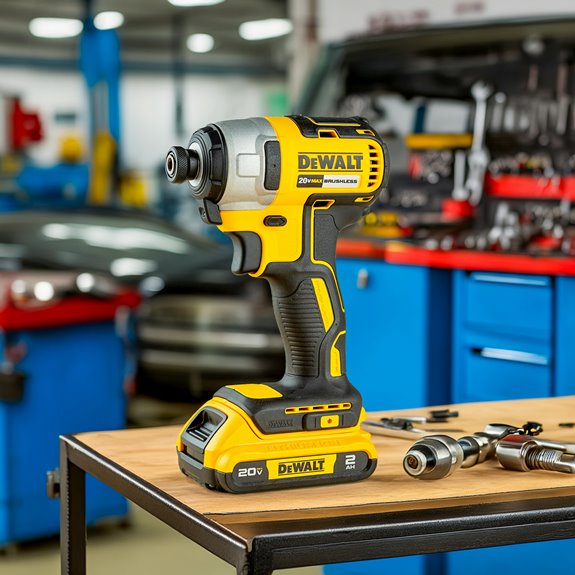
You also feel the effect of motor type, because a brushless electric motor can stay efficient longer, while a pneumatic motor often pushes harder in shop settings.
Next, the impact mechanism matters just as much. A double hammer setup can strike the anvil with more force and less shake, so you get stronger bursts when fasteners fight back.
At the same time, gear reduction changes how speed turns into muscle, which helps the tool handle tough bolts.
Set Power for Each Fastener
You can get better results when you set your impact wrench for each fastener size, because a small bolt needs far less force than a large one.
Material matters too, since softer metals can strip fast if you push too hard, while tougher parts may need a stronger setting to seat properly.
When you match the power to the fastener, you protect the part, speed up the job, and keep the wrench working the way you want.
Fastener Size Settings
A smart torque setting can save a fastener from a rough day. When you match power to fastener size, you help the tool work with the part, not against it. You read the head, check the fastener geometry, and think about thread engagement before you squeeze the trigger. That simple habit keeps the wrench from hammering too hard and gives you cleaner results.
- Small bolts need lighter power.
- Mid-size fasteners need steady, controlled drive.
- Bigger hardware can take more force, but still needs care.
As you move from one size to the next, adjust in small steps. That way, you stay in control, protect the fit, and feel like you belong in the crew that gets it right the first time.
Material-Specific Torque Levels
Hard material asks for a different kind of care than soft material does, so the right torque setting has to match what the fastener is made of, not just its size. You’ll feel more confident when you treat steel, aluminum, and coated parts as separate jobs.
Harder fasteners can take more force, while softer ones need a lighter touch to avoid stripping. Material hardness changes how the wrench transfers impact, and thermal expansion can tighten a warm joint even more after use.
How Modes and Trigger Speed Affect Power
Modes and trigger speed work together to shape how much power an impact wrench actually puts to the fastener. When you switch modes, you guide the tool’s punch, and mode sequencing helps you move from gentle starts to stronger hits without guesswork. Your trigger sensitivity matters too, because a light press can keep things calm, while a deeper squeeze lets the wrench wake up fast.
- Use lower modes when you want steadier control.
- Press the trigger slowly to feel the power build.
- Shift modes only when you need a different pace.
That mix gives you a tool that feels like it’s listening to you. So you stay in control, and the work feels smoother, safer, and more like a team effort.
Match Output to Bolts, Nuts, And Materials
You need to match the wrench’s output to the fastener size first, because a small bolt can strip fast while a heavy nut may need more force.
Then you should think about the material, since softer metals need gentler torque and tougher alloys can take more power.
When you pair the right setting with the job, you protect the parts and get a cleaner, safer result.
Fastener Size Matching
How do you match an impact wrench to the fastener in front of you? Start with the bolt or nut size, then choose a drive that fits cleanly without slop. When you protect thread engagement, you help the fastener hold firm. When you keep head clearance in mind, you give the socket room to seat properly and work without scraping nearby parts.
- Small fasteners usually need lighter output and a smaller drive.
- Larger bolts call for more power and a stronger socket fit.
- Tight spaces need compact tools so you can reach safely.
You fit the wrench to the job, not your guess. That’s how you stay in control, avoid damage, and feel like part of the crew that gets it right the first time.
Material-Specific Torque
Hard steel, soft aluminum, and brittle cast parts all ask for different torque, and that matters more than many folks first expect.
You can’t treat every bolt like it’s built the same, because the material changes how force behaves. Hard steel usually takes more pull, while aluminum can strip fast if you get rough. Cast parts need extra care, since they crack before they forgive.
Surface coatings also change grip, so a coated fastener may slip or seize sooner than plain metal. Then thermal expansion can tighten a joint after heat builds up, so you should leave a little room for that shift.
When you match your wrench to the material, you protect the part, save time, and keep the job feeling steady and under control.
Precision Power Settings
Once you’ve matched torque to the bolt material, the next step is dialing in the power so the tool fits the job, not the other way around. You don’t need brute force; you need control that feels right in your hands and keeps the fastener safe. With digital calibration, you can set repeatable levels for small nuts, hard bolts, and mixed materials without guessing.
- Start low, then step up only when the joint calls for it.
- Use preset modes to match common tasks fast.
- Let user ergonomics guide your grip and trigger pressure.
When the wrench responds smoothly, you stay in command and your crew feels the difference. That steady control helps you work with confidence, and it keeps each turn clean, calm, and accurate.
How to Avoid Over-Torquing and Damage
To keep an impact wrench from damaging bolts, nuts, and threads, you need to control the force before the tool gets carried away. Use sensor calibration so your wrench reads torque the way it should, especially on jobs that need steady pressure.
Then rely on operator training, because your hands and eyes still guide the tool better than guesswork. Pick the lowest power that finishes the job, and let the trigger do only what you mean it to do.
If your wrench offers preset settings, match them to the fastener instead of chasing extra muscle. Also, stop when the fastener seats firmly. That small pause protects the joint, keeps your work neat, and helps you feel like part of a crew that knows how to build things right.
Test Torque Safely Before Final Tightening
Before you bring a fastener up to its final snug point, give the torque a safe test so you can feel how the joint is behaving. You stay in control when you ease in with short bursts, then check for movement, drag, and seat quality. That small pause builds trust in your work and helps your team avoid surprises later.
- Start with low power for preload testing.
- Watch the socket and fastener for smooth pull.
- Use torque verification before the last tightening pass.
If the joint feels uneven, back off and inspect it before you continue. You’re not being fussy; you’re protecting the fit, the parts, and your own good work. When you test first, final tightening feels calm, clean, and reliable.
Frequently Asked Questions
What Is the Difference Between Pneumatic and Electric Impact Wrenches?
Pneumatic impact wrenches use compressed air to deliver sharp, powerful bursts that suit demanding shop tasks. Electric impact wrenches run on a battery or cord, so they are easier to move and better for DIY work in different locations.
How Does a Double Hammer Mechanism Improve Impact Performance?
The dual hammer design strikes the anvil at the same time, delivering stronger impact force, reducing vibration, and giving you better control when loosening stubborn fasteners with less effort.
What Do Drive Sizes Like 1/2-Inch and 3/8-Inch Affect?
Drive sizes like 1/2-inch and 3/8-inch determine which sockets fit your tool and how much torque it can handle. Use the drive size to match the socket to the job and your anvil.
Can Brushless Motors Increase Torque Wrench Runtime and Durability?
Yes, brushless motors can improve your wrench’s runtime and durability. They are more efficient, create less wear, and can extend runtime on each charge, helping the tool last longer and work more reliably.
Do Digital Torque Displays Replace Manual Torque Verification?
No, digital readouts do not replace manual verification. They provide a quick torque reference, but you still need regular calibration and occasional checks to keep the wrench accurate, consistent, and dependable.