A dull blade tears grass rather than slicing it, leaving ragged tips that brown within hours and invite disease into your lawn. Most homeowners notice the problem too late: yellow patches, slow starts on thick turf, and a mower that has to work harder on every pass. Sharpening your own blades solves all of that, but the right tool depends on your mower type, your budget, and how hands-on you want to get. This roundup covers dedicated sharpeners, drill-attached kits, and replacement blades worth keeping on hand, so you can match the right approach to your yard.
The Shortlist At A Glance

All American Sharpener Model 5005 Gen 2 Adjustable Lawn Mower Blade Sharpener
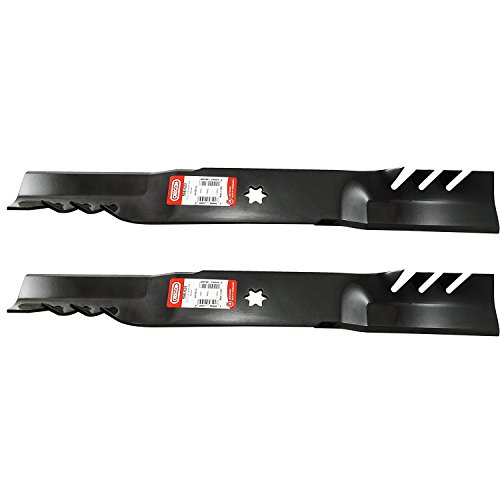
Oregon 598-629 Gator G5 21-3/16″ Mulching Blades 2-Pack

Cooouds 115-5059-03 Replacement Mower Blades for Toro

TWSURE Pruning Shear Blade Sharpener and Rust Cleaner
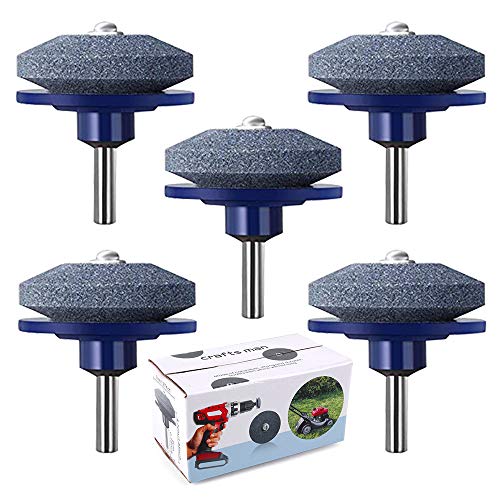
cenoz Craftsman Lawn Mower Blade Sharpener for Any Drill, 5-Pack

cenoz 5-Pack Double Layer Corundum Lawn Mower Blade Sharpener

cenoz Lawn Mower Blade Sharpener with Steel Backing, 5-Pack
The Strengths Of Each Pick
The All American Sharpener is a dedicated bench-style jig, not a drill attachment, and that distinction shapes how it feels in use. It mounts to a cordless angle grinder and holds the blade at a precise angle while you sweep the grinder across the guide. The Gen 2 version adjusts from 15 to 45 degrees, which covers the geometry found on standard straight blades, mulching blades, and high-lift blades.
For homeowners who sharpen several times a season, the repeatability pays off quickly. You set the angle once, lock it in, and every blade gets the same factory-style edge. Built in the USA from cast metal, it feels substantial on the workbench. Unlike the drill-mounted cenoz picks below, this tool is purpose-built for mower blades rather than adapted from a general-purpose abrasive.
A Favorable Mix
- Adjustable 15 to 45 degree range covers straight, mulching, and high-lift blade profiles
- Works with right and left hand blades, so direction of cut is not a concern
- Made in the USA with a cast-metal body that resists flexing during grinding
- Repeatable results mean consistent edges across multiple blades in one session
Small Caveats
- Requires a separate cordless angle grinder, which adds to the total cost for first-time shoppers
- Storage takes up more bench space than a palm-sized drill attachment
Key Product Details
Whose Garage It Belongs On
Homeowners with multiple mowers, lawn-care pros, and anyone sharpening blades more than twice a season will get the most value from the repeatability and build quality.
Swap It Out For
The cenoz double-layer corundum sharpener is a better fit for casual users who only need a quick touch-up and already own a power drill.
Sometimes the smartest answer to a sharpening problem is to skip sharpening entirely and swap in a fresh set of blades. The Oregon Gator G5 2-pack is a set of mulching blades sized at 21-3/16 inches, designed as direct replacements for common MTD and Cub Cadet part numbers on 42-inch riding decks.
Oregon has been a mainstay in the outdoor power equipment world, and the G5 series is known for thicker steel than budget blades. The Fusion edge design chips grass into finer pieces, which speeds decomposition in the lawn. Compared with the TWSURE hand sharpener above, this is a different approach altogether: keep spares on hand and rotate them instead of grinding mid-season.
Everyday Wins
- Thicker G5 steel construction tends to hold an edge longer than generic replacement blades
- Two-pack format means you always have a fresh blade ready while the dull one is being sharpened
- Direct fit for several MTD and Cub Cadet part numbers on 42-inch decks
Things To Consider
- Replaces specific OEM part numbers, so it is not a universal fit for every mower
Whose Garage It Belongs On
Riders and lawn tractors with 42-inch MTD or Cub Cadet decks who prefer fresh blades over grinding will appreciate the direct fit and steel quality.
Look Elsewhere When
The Cooouds replacement blade is the better match for owners of 50-inch Toro decks looking for a similar direct-fit swap.
The Cooouds 115-5059-03 is another replacement-blade option, this time aimed at 50-inch Toro decks that use the 79016P, 110-6837-03, or 112-9759-03 blade. Length runs 17.5 inches, with a 2.25-inch width, which is the standard size for that Toro platform.
For owners of larger riding mowers, swapping in a new blade rather than grinding an old one often restores cutting performance faster and with less hassle. The Cooouds blade takes the same approach as the Oregon G5 set above, but for a different brand family. If you have been searching by the Toro OEM number, this listing lines up with the factory specs.
What Stands Out
- Matches Toro OEM part numbers for 50-inch decks, simplifying the search for a replacement
- 17.5-inch length and 2.25-inch width mirror the factory blade profile
Honest Caveats
- Confirmed fit is limited to specific Toro part numbers, so verify your existing blade cross-reference before ordering
Who Should Grab It
Toro 50-inch riding mower owners who know their OEM part number and want a direct-fit replacement will find this a straightforward swap.
Another Choice May Suit
The Oregon 598-629 Gator G5 set is the stronger pick for MTD and Cub Cadet riders rather than Toro owners.
The TWSURE sharpener shifts the conversation from mower-specific tools to a multi-purpose hand sharpener. It uses a tungsten carbide sharpening edge (a hard metal compound often used in industrial cutting tools) wrapped in a curved, non-slip handle sized to fit most palms. The same abrasive also polishes light surface rust off metal blades.
It works on pruners, loppers, hedge shears, and the cutting edge of a mower blade in a pinch. The trade-off is precision: without an angle guide like the All American jig offers, the edge you produce depends on your hand control. For thick, heavy mower blades it is more of a touch-up tool than a full resharpener, but for the rest of the garden shed it is genuinely useful.
Notable Upsides
- Tungsten carbide edge restores sharpness in a few strokes, faster than a file on most pruners
- Curved, slip-resistant grip stays secure even when your hands are dusty or gloved
- Doubles as a light rust remover on stored tools that have sat through winter
Less-Strong Areas
- No angle guide, so consistent results take practice on mower blades specifically
- Not ideal for the heavy grinding required to bring a badly nicked blade back to life
Feature Snapshot
The Right Fit
Gardeners who maintain a full set of hand tools along with the mower and want a single sharpener for all of them will get plenty of mileage from this pick.
Reach For A Different Pick When
Heavy-duty blade restoration on thick mower steel is better handled by the All American Sharpener jig or a drill-mounted cenoz disc.
The cenoz drill-mounted sharpener is the entry point for most homeowners. It is a corundum abrasive disc (corundum is a tough aluminum oxide mineral, the same family as sapphire) that clamps into any standard power or hand drill chuck. The five-pack format means replacements are already in the drawer when one wears out.
Setup takes a few seconds, and the learning curve is shallow: clamp the blade in a vise, run the spinning disc along the edge, and repeat until the bevel returns. Owners commonly find the single-layer version generates heat faster than the upgraded double-layer model below, so light pressure and short passes help extend disc life. For apartment dwellers and suburban yards mowed weekly, it covers the basics.
Strengths Worth Knowing
- Five discs in one pack means months of touch-ups without reordering
- Fits any standard drill chuck, no specialty tools required
- One of the most affordable ways to keep mower blades sharp between services
Possible Compromises
- Single-layer corundum can wear faster than the upgraded double-layer version
- Without a guide, the final edge depends on the steadiness of your hand
Who Should Grab It
Casual homeowners who want the cheapest path to sharper blades and already keep a cordless drill in the garage will find this a sensible starter pick.
A Better Fit Elsewhere
The cenoz double-layer corundum disc is the smarter upgrade for anyone sharpening more than two or three times a season.
The double-layer corundum version addresses the main weakness of the original cenoz disc: heat. Two bonded layers of abrasive spread friction across a thicker grinding surface, which reduces the chance of the disc softening or melting during longer sessions.
Installation still takes about ten seconds into a drill chuck, and the universal fit covers any power or hand drill. For homeowners with thicker high-lift blades, or anyone in a hot climate where friction builds fast, the upgrade pays for itself in disc life. The five-pack is the same format as the entry model above, just with more durable media inside.
Positive Points
- Double-layer construction resists melting during extended grinding sessions
- Five-disc supply lasts through a full mowing season for most homes
- Drill-mount design works with any household drill, no specialty tool needed
Worth Bearing In Mind
- Costs more per pack than the single-layer cenoz above
- Still lacks a fixed angle guide, so steady hands produce better results
Quick Facts
Made For
Frequent sharpeners working with thicker blades, or anyone in a warm climate where friction heat builds fast during grinding.
Where Another Pick Shines
The All American Sharpener is the stronger choice for users who want guided, repeatable angles without relying on hand-eye coordination.
The steel-backed cenoz disc adds a stainless steel base layer to the corundum abrasive. That backing stiffens the disc so it resists flexing when you apply pressure, which matters when grinding heavier blades or working at a slight angle. The combo is sold in a five-disc pack, same as the other cenoz options above.
For multi-mower households or small landscaping crews, the stiffer disc tends to hold its flat profile across more sharpenings. It is the most durable of the three cenoz drill-mounted picks, and the universal drill fit keeps the workflow familiar. The honest trade-off is that the steel base adds weight to each disc, which some users notice during long sessions.
A Strong Showing
- Stainless steel backing prevents flex and helps the disc keep a flat profile
- Corundum abrasive layer handles routine mower blade sharpening effectively
- Five-disc pack covers a season for most households with multiple mowers
Details To Watch
- Heavier than unbaked discs, which can tire the wrist during extended grinding
- Priced above the entry-level single-layer cenoz pack
Best Suited To
Households with several mowers, or anyone who values a stiffer disc for heavier blades and longer sessions.
Skip It When
The TWSURE hand sharpener is the better pick for gardeners who mostly maintain pruners and loppers rather than mower decks.
What Matters When Choosing Tools To Sharpen Lawn Mower Blades
Blade Type And Compatibility
Start with the blade profile on your mower. Standard straight blades, mulching blades (which have curved cutting edges and a longer profile for re-cutting clippings), and high-lift blades (designed with extra curve to create stronger suction for bagging) all share a basic edge angle, but the range you need can vary. A jig like the All American Sharpener that covers 15 to 45 degrees adapts to all three styles, while a hand-held sharpener works best on thinner, straighter edges.
Power Source And Effort Level
Drill-mounted sharpeners are the lightest lift: clamp the blade, squeeze the trigger, and sweep. Jig-and-grinder systems take longer to set up but produce more uniform edges, which matters when you maintain a fleet. Hand-held tungsten tools are quick but require a steady hand for consistent angles.
Frequency And Volume
Sharpening two or three times a season on a single mower is a different job from weekly maintenance on a riding mower or a small landscaping route. Higher frequency favors discs that resist heat and wear, like the double-layer corundum or steel-backed options. Occasional touch-ups are well served by a single-layer cenoz pack or a hand-held TWSURE.
Replacement Versus Resharpening
Sometimes the smarter move is a fresh blade, not a sharper one. Oregon G5 and Cooouds replacement blades restore cutting performance instantly and let you rotate the dull blade through sharpening at your pace. For severely nicked or bent edges, replacement is often safer than grinding.
Key Things To Weigh Across These Picks
Traps First Timers Fall Into
Matching the wrong blade or sharpener to your mower is the most common mistake. Cross-reference the OEM part number on the existing blade before ordering a replacement, and confirm that a drill-mounted disc fits your chuck size. Another common slip is grinding at full drill speed, which overheats the disc and the blade edge; light pressure and short passes preserve both.
When Paying More Pays Off
The premium tier earns its keep in two places. A guided jig like the All American Sharpener produces consistent factory-style edges that a freehand disc cannot match, which matters for anyone maintaining several mowers. Replacement blades from Oregon also sit at a higher tier because thicker G5 steel holds an edge longer, reducing how often you need to sharpen or swap. For most homeowners with a single mower, the upgrade only pays off once the workload justifies it.
Frequently Asked Questions
How often should mower blades be sharpened?
Most residential blades benefit from sharpening every 20 to 25 hours of cutting time, which works out to roughly twice per mowing season for typical lawns. Heavy or sandy soil speeds dulling, so you may need extra sessions.
Can a drill-mounted sharpener damage a mower blade?
A drill-mounted disc removes metal quickly, so prolonged pressure can overheat the edge and weaken the temper (the heat treatment that gives blade steel its hardness). Light, sweeping passes keep the disc cool and the blade intact.
Are replacement blades better than sharpening?
Replacement makes sense when the blade is bent, deeply nicked, or has lost more than a centimeter of material from repeated grinding. Otherwise, a quality sharpening restores performance at a lower cost and less waste.
What is the difference between mulching blades and standard blades?
Mulching blades have a longer cutting edge and a more curved profile, designed to keep clippings circulating under the deck so they get recut into finer pieces. Standard blades are shorter and straighter, optimized for clean side discharge or bagging.
Do I need to balance a blade after sharpening?
Yes. Removing metal from one side more than the other creates an uneven spin that causes vibration and bearing wear. After grinding, hang the blade on a nail through the center hole and confirm it sits level, or use a blade balancer before reinstalling.