Old, cracked caulk around tubs, sinks, and windows is a common eyesore. The right removal tool can turn a frustrating weekend project into a tidy half-day job. The picks below cover scrapers, finishing tools, and specialty cutters for every skill level, from first-time DIYers to seasoned renovators. Each one handles a slightly different slice of the work, so the right match depends on the scale of your project and how much versatility you want in a single tool.
A Side-By-Side Look

Gyfent 5-In-1 Caulking Tool Kit With Razor Scraper
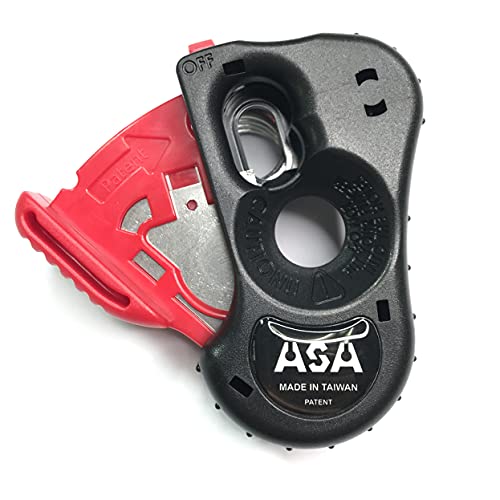
ASA Silicone Cartridge Tip Cutter, Stainless Steel

Matework 4 in 1 Stainless Steel Caulk Remover

Matework 4 in 1 Caulk Remover Tool Kit

MORROWIND 5-in-1 Silicone Sealant Finishing Tools

Matework 6-in-1 Stainless Steel Caulking Tool Kit

Saker 3-in-1 Grout Removal Tool (Classic Black)

Saker 3-in-1 Grout Removal Tool Kit (Black Blue)

Saker Aluminum 4-in-1 Sealant Finishing Tool
Taking A Closer Look At The Options
Refreshing a tub surround usually means three separate jobs: prying out the old bead, scraping residue off the surface, and laying a smooth new line. The Gyfent 5-in-1 kit folds all three into a single package, so a DIYer doesn’t need to buy a scraper, smoother, and razor separately. Its plastic scrapers and angled silicone profiles handle most household caulking from kitchen backsplashes to shower corners.
The included razor blade scraper earns its place on stubborn acrylic or silicone residue that plastic alone can’t budge. Compared to the more bare-bones options later in this list, the Gyfent package feels closer to a complete starter set for someone tackling a full bathroom in one weekend.
Why It Works Well
- Five tools in one kit cover removal, smoothing, and finishing without buying extras
- Silicone finishing profiles help first-timers lay a clean, even bead on the first pass
- Razor scraper head lifts aged, hardened caulk that softer tools leave behind
- Compact enough to store in a single drawer between projects
Worth Noting
- Razor blades are sharp, so take care around acrylic tub surfaces that scratch easily
- Plastic components may not hold up to years of repeated contractor-level use
Feature Snapshot
Who It Suits Best
Homeowners planning a full bathroom or kitchen refresh who want one kit for every step from tear-out to final bead.
Consider Something Else When
The Matework 6-in-1 Caulking Tool Kit fits better for anyone who wants a sturdier stainless steel body and a safety lock for repeated jobs.
Most people hack open a tube of caulk with a utility knife, then wonder why the bead comes out uneven. The ASA cartridge tip cutter solves a narrow but real problem: it trims a clean, consistent opening in the nozzle so the sealant flows at the right rate. A labor-saving two-finger design keeps your grip steady when you’re squeezing a fresh tube for the first time.
The 420 stainless steel body resists rust in damp bathrooms and survives accidental drops into a sink. For anyone who has wasted half a tube of caulk trying to freehand a diagonal cut, this little tool pays for itself quickly.
Key Advantages
- Produces uniform diagonal or straight nozzle cuts for predictable flow
- Stainless steel resists corrosion around wet sealant tubes
- Compact enough to live in a toolbox or apron pocket
Trade Offs
- Only addresses the tube-opening step, not removal or finishing
- Sharp blade sits exposed, so storage in a pouch or drawer is wise
Made For
Anyone resealing a tub, sink, or window who wants a clean, repeatable nozzle cut before each tube goes in the gun.
Look Elsewhere When
The Saker 3-in-1 Grout Removal Tool Kit fits better for projects where the first priority is lifting old grout and caulk, not prepping a fresh tube.
Caulk that has been in place for a decade can fuse to the substrate like cement. The Matework 4-in-1 kit leans on a stainless steel body, replaceable scraper blades, and five silicone pads sized from 3R to 17R for finishing different joint profiles. A small carry bag keeps everything together between projects, which matters more than it sounds once you start hunting for a missing scraper mid-job.
Versus the Gyfent kit, this one trades plastic parts for metal and includes a grout removal cone, so it reaches into corners where caulk meets tile edges. The skidproof gloves bundled in the kit are a thoughtful touch for people who don’t want silicone on their hands.
Advantages To Know
- Stainless steel construction handles heavy scraping without flexing
- Five silicone pads cover a wide range of joint radii in one kit
- Grout removal cone tackles corners where caulk and grout meet
Some Limits To Know
- Heavier than plastic-only kits, so hand fatigue can creep in on long jobs
- More pieces to keep track of during storage
Key Specs
Right Fit For
Homeowners dealing with old, stubborn caulk in kitchens and bathrooms who want a metal-bodied tool with all the pads and accessories included.
Reach For A Different Pick When
The MORROWIND 5-in-1 Silicone Set fits better for someone who prefers pure silicone tooling and a lighter feel in the hand.
Caulk lines around a small vanity or a single shower door don’t always justify a full multi-tool kit. The Matework 4-in-1 trims the idea down to a stainless steel handle with five interchangeable silicone pads (3R through 17R), giving you enough profile variety without a bulky storage case. The ergonomic grip matters on small jobs where you want a controlled scrape rather than a powerful pry.
Stacked against the larger Matework 6-in-1 later in this list, this version skips the extra grout hook and spout cutter in favor of a slimmer body. For narrow joints, that smaller footprint is the point.
Everyday Wins
- Compact body fits into tight gaps between fixtures and tile
- Interchangeable pads cover most common joint radii
- Stainless steel handle holds up to repeated wet use
Possible Compromises
- No dedicated grout hook, so deep corner work is harder
- Doesn’t include a carry bag like its larger Matework sibling
Best Suited To
Anyone resealing a small bathroom, single sink, or shower stall where a slimmer tool reaches better than a full-size kit.
Swap It Out When
The Saker Aluminum 4-in-1 Sealant Finishing Tool suits users who prefer an aluminum body for tougher scraping sessions.
Smoothing a wet bead of silicone is the part most first-timers get wrong, leaving a wavy line and sealant on every surface nearby. The MORROWIND set is five firm-yet-flexible silicone profiles, each shaped for a different joint geometry. The blue silicone is slightly firm to give you control, but still flexible enough to glide along a wet bead without dragging it.
Where the Matework kits bring metal and replaceable pads to the table, this one is purely about finishing. For a first bathroom reseal, the simpler approach can feel less intimidating.
Standout Benefits
- Pure silicone tooling wipes clean with a dry cloth after each pass
- Five profiles suit joints in kitchens, bathrooms, windows, and tile
- Firm-flexible balance helps beginners keep a steady line
Details To Watch
- Doesn’t include a scraper for removing old caulk, so it pairs with another tool
- Silicone edges can wear down faster than metal on heavy jobs
At A Glance
Who Will Love This
First-time DIYers who want a forgiving, all-silicone set for finishing a fresh bead of caulk in a kitchen or bath.
A Better Fit Elsewhere
The Gyfent 5-In-1 Caulking Tool Kit covers both removal and finishing in one package, so it’s a stronger match for a full redo.
Frequent DIYers eventually want a tool that does everything without swapping accessories mid-stream. The Matework 6-in-1 combines a caulking head, double-sided V-shape scraper, grout hook, grout scraper, seal puncture tool, and a spout cutter in one stainless steel body. A pop-up button lock keeps the head in place while you work, and a thumb slide adjusts scraping depth without a separate tool.
Versus the Gyfent and earlier Matework kits, this one bundles more functions onto a single rigid handle, which means fewer parts to lose and faster transitions between scraping and finishing. The slim body also reaches into narrow gaps that bulkier kits can’t.
A Favorable Mix
- Six functions on one handle reduce tool swapping
- Safety lock keeps the head secure during heavy scraping
- Double-sided V-shape scraper works in both directions along a joint
- Five silicone pads in 3R through 17R cover most joint sizes
Where It Is Less Suited
- More features mean a higher upfront cost than basic kits
- Some users may not need every included function for a one-off job
Built With In Mind
Regular DIYers and frequent home renovators who want one durable tool to handle removal, opening, and finishing across multiple projects.
Not Your Match When
The Saker 3-in-1 Grout Removal Tool in Classic Black suits someone who only needs a small set for a single repair.
Sometimes less is more. The Saker 3-in-1 keeps the toolkit down to three profiles in classic black, which is plenty for a single small repair. Owners commonly report that slightly loosening the rear screws transforms the tool’s glide, giving it a smooth, one-handed feel along a joint.
Where the larger kits in this list try to handle every conceivable job, this one targets a homeowner with one or two projects in mind. It’s the tool you reach for when you don’t want to learn five attachments.
Points In Its Favor
- Three profiles cover the most common caulk and grout lines
- Simple design is easy to grip and maneuver for first-time users
- Compact enough to toss in a drawer without a dedicated case
Less Ideal Details
- Doesn’t include a grout hook or scraper for tougher removal
- Fewer profile options than the 5-in-1 or 6-in-1 alternatives
Perfect Match For
Homeowners with a single small reseal project who don’t want to invest in a full multi-tool kit.
Where A Sibling Pick Shines
The MORROWIND 5-in-1 Silicone Set suits users who want a slightly larger profile range and prefer silicone-only tooling.
Take the Saker 3-in-1, add a separate scraper, and you have this kit. The Black Blue version layers a small scraper accessory on top of the same three finishing profiles, so the user gets a quick path from removing the old bead to laying the new one without a second trip to the hardware store.
Compared to the Classic Black sibling, this kit is the more complete option for the same basic tool. The trade-off is a slightly larger package to store.
What Makes Sense
- Combines finishing profiles with a dedicated scraper in one package
- Same compact size as the Classic Black version
- Useful color contrast helps track the scraper among other tools
Points To Keep In Mind
- Scraper is small, so it works best on light residue rather than heavy buildup
- Costs a bit more than the Classic Black version for the added accessory
Whose Shelf It Belongs On
Anyone who already likes the Saker approach but wants the scraper included so they can handle a full reseal in one pass.
Skip It When
The Matework 6-in-1 Stainless Steel Caulking Tool Kit fits better for projects where a heavier scraper head and grout hook are needed.
Tough scraping jobs are where plastic tools give up. The Saker 4-in-1 uses a lightweight aluminum alloy body with sharp scraper heads designed to bite into old sealer without flexing. The four detachable cutter heads let you switch between flat scrapes, angled pulls, and finishing profiles depending on what the joint needs.
Where the Saker 3-in-1 tools stay compact and plastic-leaning, this model is built for users who anticipate tougher conditions, like outdoor window frames, floor tile edges, or glass glue residue. Depending on how hard you push, the rigid feel is a real advantage on stubborn material.
Where It Delivers
- Aluminum body resists bending during heavy scraping
- Four interchangeable heads cover removal, scraping, and finishing
- Lightweight alloy keeps hand fatigue down on long sessions
Things To Consider
- Harder edges can scratch acrylic or fiberglass surfaces if you’re not careful
- Aluminum shows wear marks more visibly than plastic over time
Who Should Grab It
Homeowners and pros who expect to scrape tough residue off windows, floors, or glass and want a metal-bodied tool that won’t flex.
Another Choice May Suit
The Gyfent 5-In-1 Caulking Tool Kit fits better when working around delicate acrylic tubs where a softer touch is safer.
What Matters Most Before Choosing Tools To Remove Caulking
Match The Tool To The Joint, Not The Job Title
Caulk lines vary more than most people realize. A tight corner between a sink and a backsplash needs a thin scraper, while a wide joint between a tub and tile needs a wider finishing profile. Buying a kit with multiple silicone pad sizes (commonly labeled in R for radius, like 3R, 6R, 10R) lets you match the tool to the joint width. Most homeowners find a 6R or 10R pad covers the majority of bathroom and kitchen work.
Material Construction Changes How It Feels
Stainless steel and aluminum bodies feel rigid and transfer force directly into the scraper, which is what you want for lifting old caulk. Plastic and silicone tools feel lighter and more forgiving, which helps when finishing a wet bead. For most DIY use, a mixed approach works best: a metal scraper for removal and silicone or rubber pads for the final smoothing.
Razor Blades, Locks, And Safety Details
A sharp razor scraper is a fast way to clear cured caulk, but it can also scratch acrylic tubs and fiberglass shower pans. Tools with a thumb slide or pop-up lock give you more control and protect both the surface and your fingers. Look for these features if you expect to scrape often or work around delicate finishes.
Storage, Replacement Parts, And Kit Size
A four-piece kit fits in a kitchen drawer. A six-in-one with a carry bag lives in a toolbox. The right size depends on how often you actually reseal a tub or window. Replacing worn silicone pads is also worth checking, since pads take the most abuse during finishing.
Key Considerations Across These Picks
Common Shopping Slip Ups
The most frequent mistake is buying a single all-purpose scraper and expecting it to handle a full reseal. Old caulk almost always needs both a rigid scraper to lift it and a flexible finishing tool to smooth the replacement bead. Another common slip is choosing a metal scraper for an acrylic tub, which can leave permanent marks. A good rule: match the tool’s aggressiveness to the surface underneath, not just the caulk on top.
What The Higher Tier Buys
Premium kits like the Matework 6-in-1 add features you don’t always need for a single job but start to matter across multiple projects. A safety lock, a thumb slide for depth control, and replaceable scraper blades all extend the tool’s life. Higher-tier picks also tend to bundle more accessories, so a frequent user pays for convenience and consistency. For one-time bathroom work, a basic kit handles the same task; for repeated use, the upgrade typically pays off in faster, cleaner results.
Frequently Asked Questions
What Is The Easiest Way To Remove Old Caulk?
Softening the caulk with a dedicated remover chemical or warm air, then lifting it with a rigid scraper, tends to work best. A multi-tool kit that pairs a scraper with a finishing profile gets you from removal to new bead in one pass.
Can I Use A Utility Knife Instead Of A Caulk Tool?
A utility knife works for prying out caulk, but it’s harder to control on a wet bead and easier to scratch surrounding surfaces. Purpose-built caulk tools are designed for both removal and finishing in safer shapes.
How Do I Know Which Silicone Pad Size To Use?
Match the pad’s radius (the R number) to the width and curve of your joint. A 3R or 6R suits narrow corners; 10R to 17R works on wider tub and tile seams. Most kits include a range so you can test which profile lays the cleanest line.
Do I Need A Separate Grout Removal Tool?
Caulk and grout often meet at the same corner, but they behave differently. Caulk flexes; grout is rigid. A kit with a dedicated grout hook or cone, like several Matework and Saker options, handles the corner where both materials meet without switching to a separate tool.
How Often Should Caulk Be Replaced?
In a typical bathroom, plan to refresh caulk every three to five years, sooner in heavily used showers. Inspect the line annually for cracks, gaps, or mold that won’t clean off, since those signal it’s time to redo the seal.