


Carrying a full kit across a framing site or a renovation floor gets old fast. Sharp edges dig into your hip, a tape measure goes missing, and a third trip to the truck for forgotten fasteners eats into an already tight schedule. The right tool vest or belt setup solves that by keeping hand tools, fasteners, and measuring gear where your hands expect them, so the rhythm of the work stays unbroken.
Below are nine options worth your attention in 2026, from full leather rigs to smart add-ons that clip onto whatever you already wear. Mix and match based on the trade you run, the climate you work in, and how much weight your lower back is willing to carry.
The Essentials At A Glance

LAUTUS 6-Piece Leather Scaffold Belt (32–46″)

KwikSafety Hard Hat (Type 1, Class C)

WELKINLAND 39-Pocket Tool Belt With Suspenders
MagMaster Original Magnetic Tool Holder
LAUTUS Pink 11-Pocket Tool Belt

LAUTUS Buffalo Leather Tool Belt With Handles

LAUTUS 7-Piece Leather Scaffold Belt (32–50″)
LAUTUS Oil Tanned Leather Tool Belt (28–46″)

LAUTUS 18-Pocket Top Grain Leather Tool Belt
The Picks, Examined More Closely
This LAUTUS setup leans into a traditional rigging style that scaffolders have leaned on for decades. The 2-inch-wide belt anchors five movable tool holders, each designed to clip a specific category of gear: your level, tape, spanners, and hammer all sit at hand height rather than dragging at your knees. The oil-tanned dark brown leather breaks in over time, which in practice means the belt softens and conforms to your hip line after a few weeks of real use.
For most tradespeople, the draw here is simplicity. No suspenders, no foam padding, no zippers to fail. You strap on, you climb, you work. Compared to the LAUTUS 7-Piece set reviewed later, this one trades a holder and a bit of range for a slightly slimmer profile that stays out of the way on tight pipe staging.
The Good Stuff
- Oiled tanned leather resists sweat and tool rub better than synthetic canvas over the long haul.
- Five movable holders let you position gear for left- or right-handed reach.
- 2-inch belt width distributes weight across the hips without rolling or bunching.
- Adjusts from a 32″ to 46″ waist, covering most adult frames without a separate extender.
Things To Consider
- Leather needs occasional conditioning to prevent cracking in dry, heated job sites.
- No dedicated hammer holster among the five holders, so that tool needs a slot on a pouch.
- New leather can feel stiff against the lower back during the first week of wear.
Who It Suits Best
Scaffolders and framers who prefer classic leather rigging and want tool holders that move with their reach patterns.
Consider Something Else When
You carry a wider spread of fasteners and small parts. The WELKINLAND 39-Pocket Tool Belt with Suspenders offers dedicated loops for screws and bits in a much higher count.
No tool vest finishes the job without head protection, and the KwikSafety cap-style hard hat fills that role with a focus on airflow. Ten cooling vents sit across the crown, which in our view matters more than the spec sheet suggests on a July framing deck where sweat is half the day’s labor. A 4-point suspension strap keeps the shell floating slightly off your head, channeling air and reducing pressure points during long shifts.
The ratchet knob at the back tightens with one hand, so a quick glove-off adjustment at the top of a ladder is no problem. The chin strap connector adds a layer of security when you’re climbing or working at height, where a dropped helmet is more than an inconvenience.
Benefits That Matter
- 10 vents push hot air out faster than solid-shell caps during summer framing.
- One-hand ratchet dial makes on-the-fly fit changes quick.
- Adjustable chin strap adds drop protection on ladders and scaffold planks.
- Compatible accessory slots accept headlamps and ear protection without adapters.
Points To Keep In Mind
- Cap style offers less sun and rain coverage than a full-brim model on outdoor work.
- Vents reduce splash protection, so overhead liquid exposure calls for caution.
Right Fit For
Carpenters who work in warm indoor environments or summer outdoor sites and need venting to keep focus intact.
Look Elsewhere When
You split time between indoor trim work and exterior roofing. The LAUTUS Heavy Duty Top Grain Leather Tool Belt pairs better with a hard-hat-and-harness routine for roofing.
Where the LAUTUS scaffolds go minimal, the WELKINLAND rig swings the other way. Thirty-nine pockets, two belts, a suspender harness, two pouches, a hammer holster, and four belt loops land in one package, which is the closest a setup like this gets to a portable workshop. The dual-layer 4.3-inch padded waist belt with breathable lining spreads weight across the hips, while the suspenders lift the load off the lower back during long climbs.
Roofers and framers who haul fasteners, drivers, and marking tools in one trip get the most from the pocket density. The EVA padding in the belt itself softens the edge where a loaded belt tends to dig in. For crew leads running a punch list across a jobsite, having tape, pencil, snips, screws, and bits in dedicated slots removes the constant pat-down that wastes minutes across a day.
Noteworthy Benefits
- 39 pockets cover the full spectrum from pencils and bits to nail bags and drivers.
- Suspenders shift weight off the lower back, helpful on extended wear days.
- 4.3-inch padded waist belt reduces hot spots under load.
- Hammer holster and tape loops keep the most-used tools in fixed, easy-reach positions.
Honest Caveats
- The full kit adds bulk that tradespeople working in tight residential spaces may find cumbersome.
- Setup time runs longer than a simple belt-and-pouch combination each morning.
Best Suited To
Roofers, framers, and lead carpenters who need to carry a large kit in one trip and appreciate pocket organization.
A Better Fit Elsewhere
You mostly handle finish and trim. The LAUTUS Oil Tanned Leather Tool Belt (28–46″) keeps things slim without the suspender bulk.
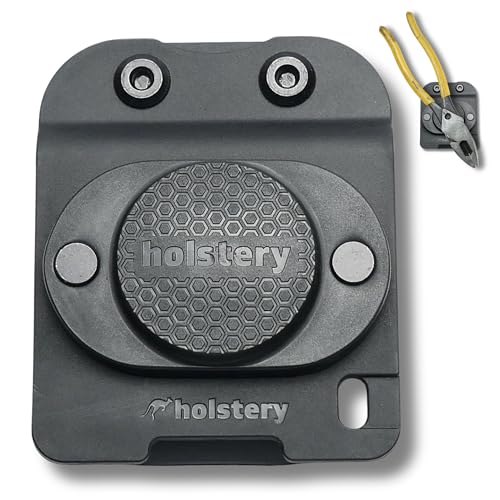
The MagMaster is less a vest and more a smart add-on. A heavy neodymium magnet mounted in a clip-on housing snaps to your belt, pants pocket, vest, or tool bag and holds onto any ferrous tool you press against it. In practice, that turns screws, bolts, bits, a flashlight, or even a small pipe wrench into a hands-free grab. When you need that tool, you pull it straight off the magnet and it releases cleanly.
For finish carpenters and remodelers who already have a belt system they like, this slips in without taking up a pocket. It’s also useful on ladders, where a dropped fastener in the wrong place is more than a nuisance. Assembled in the USA, the housing is built to take a beating on a real site.
Positive Takeaways
- Strong magnetic grip handles small pipe wrenches, drivers, and bolt clusters without slipping.
- Clip-on design works with most existing belts, pockets, and tool bags.
- Releases tools cleanly without a latch or button press.
- Compact profile doesn’t crowd a full leather rig.
Points To Note
- Only useful for ferrous tools, so aluminum levels and brass fasteners stay out of reach.
- Strong magnets can interfere with compasses and some sensitive electronics nearby.
Made For
Carpenters who already own a primary rig and want a quick-grab add-on for fasteners, drivers, and small wrenches.
Skip It When
You mostly carry non-magnetic specialty tools. The LAUTUS Pink 11-Pocket Tool Belt gives you more dedicated slots for organized carrying.
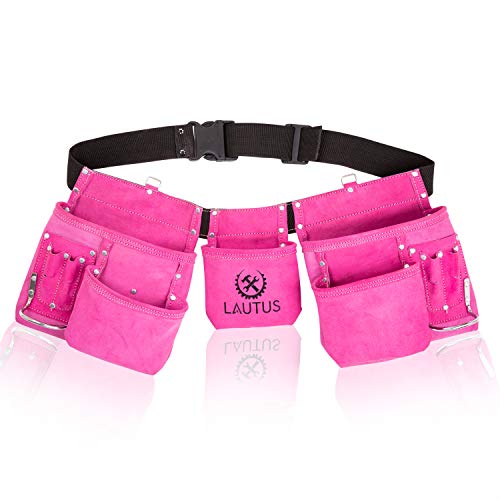
The LAUTUS Pink option breaks from the brown-and-black convention without sacrificing function. Eleven pockets, two steel hammer holders, and a 2-inch webbing belt build out a setup aimed at framers, electricians, and finish carpenters who want a tool belt that stands out on a crowded site. The pink color makes the belt easy to spot in a shared gang box and doubles as a visibility cue on outdoor jobs.
Real genuine leather construction gives the belt the same break-in behavior as the more muted LAUTUS rigs reviewed here, with a flexible fit range that covers most adult waists. Steel hammer holders handle the daily tap without bending, which in our view is the one part of any belt that takes the worst beating.
Strengths Worth Knowing
- Eleven pockets cover tape, pencils, drivers, fasteners, and small parts.
- Steel hammer holders resist bending under daily framing impact.
- High-visibility color reduces mix-ups on shared job sites.
- Genuine leather softens with use for a custom fit over time.
Some Limits To Know
- Color choice limits appeal for crews that prefer neutral gear.
- Fewer pockets than the WELKINLAND 39-Pocket option for crews running larger kits.
Who Will Love This
Tradespeople who want a tool belt that combines solid function with a stand-out look on shared job sites.
Another Choice May Suit
You run a big framing crew kit. The WELKINLAND 39-Pocket Tool Belt With Suspenders offers far more dedicated storage.
Buffalo leather lands on the heavier end of the LAUTUS lineup, and the added density shows up where it counts: rough framing sites, masonry work, and any role where a thin belt would fold and crease under load. Integrated handles on the pouches give you a way to lift the belt off the ground or reposition it on a hook without wrestling the strap, which is a small touch that pays off in cold-weather work with gloves on.
The fit range runs from 28 inches up to 46 inches, which covers a wider spread than the scaffolding belts reviewed above. Heavy-duty construction trades well for daily heavy lifting, and the oil-tanned finish helps the leather resist the sweat and grime that break down untreated hides over time.
What Works In Its Favor
- Buffalo leather density resists creasing under heavy loads.
- Integrated pouch handles make repositioning easier with gloved hands.
- 28″ to 46″ fit range covers a wider spread of body sizes.
- Solid build quality suited to daily heavy lifting on commercial sites.
Where It May Fall Short
- Heavier leather adds noticeable weight before tools go in.
- Higher break-in time than lighter oil-tanned options.
Perfect Match For
Tradespeople running heavy framing, masonry, or commercial work who need a belt that takes a beating.
Reach For A Different Pick When
You need range beyond 46 inches. The LAUTUS 7-Piece Leather Scaffold Belt extends up to 50 inches for larger frames.
The 7-Piece set pushes the scaffolding concept further. Six movable tool holders give you room for a level, tape, spanners, and hammer across dedicated positions, with one extra slot for a specialty tool. The 3.5mm leather thickness lands in the middle of the LAUTUS range, balancing durability and break-in time. The 2-inch belt width stays consistent with the 6-Piece model, but the fit extends up to a 50-inch waist, covering larger tradespeople without needing an extender strap.
Compared to the 6-Piece reviewed earlier, the extra holder is the practical difference. Scaffolders who carry a second spanner, an additional tape, or a small wrench set get a slot for each instead of doubling up tools in one pocket. Oiled tanned leather means the same sweat and rub resistance that comes with the rest of the LAUTUS line.
The Value In It
- Six tool holders cover a fuller scaffolder’s kit than the 5-holder 6-Piece model.
- 3.5mm leather thickness balances durability with reasonable break-in time.
- 32″ to 50″ fit range covers larger waist sizes without an extender.
- 2-inch belt width distributes load across the hips during long climbs.
Worth Bearing In Mind
- Slightly heavier than the 6-Piece set, noticeable on long days.
- Higher holder count can crowd the belt on thinner frames.
Who Should Grab It
Scaffolders and trade pros with larger frames who need maximum holder capacity on a real leather rig.
Swap It Out When
You prefer a lighter leather profile. The LAUTUS Oil Tanned Leather Tool Belt (28–46″) keeps the same brand build in a slimmer format.
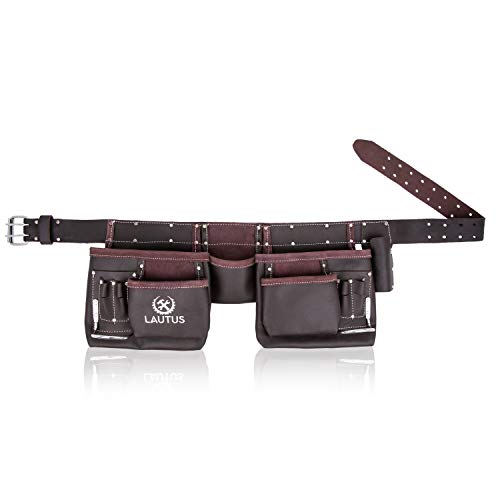
This LAUTUS belt sits in the middle of the lineup and handles a wide range of carpentry work without specializing in one trade. The flexible fit from 28 inches to 46 inches covers most adult frames, and the oil-tanned finish softens faster than the buffalo leather option above, which in practice means the belt feels broken in within a few shifts rather than a few weeks. Real genuine leather construction makes it a long-term piece of gear that develops character with use.
For all-day carpenters, the comfort profile is the real story. Less rigid leather moves with your body as you kneel, crouch, and climb, which matters more on a finish-carpentry site than on heavy framing. The pocket layout covers hand tools, fasteners, and measuring gear in a configuration that works across trim, cabinetry, and remodel work.
Real-World Strengths
- Flexible fit from 28″ to 46″ covers most adult body sizes.
- Oil-tanned leather softens within a few shifts, not weeks.
- Real genuine leather handles daily wear and tear across multiple trades.
- Pocket layout suits trim, remodel, and general carpentry work.
Trade-Offs To Consider
- Softenability comes at the cost of density, so heavy framing tools may stretch the leather over time.
- Fewer dedicated holders than the LAUTUS 7-Piece scaffolding rig.
Built With In Mind
All-day carpenters across trim, remodel, and cabinetry work who need comfort over the heaviest build.
Where A Sibling Pick Shines
You work heavy commercial framing. The LAUTUS Heavy Duty Top Grain Leather Tool Belt offers 18 pockets and 4mm-thick leather for full-kit carry.
The 18-Pocket top grain belt lands at the heavyweight end of the LAUTUS line. 4.0mm-thick leather sets the bar for density in this roundup, and the pocket count covers a full framing kit, from measuring tape and speed squares to screwdrivers, wrenches, nails, and pencils. A dedicated hammer holder, two D-rings, two loops, and a tape measure clip round out a setup that aims to keep every common hand tool in a dedicated slot rather than floating loose.
For framers, carpenters, and electricians running full-day shifts with a complete kit, the organization density saves the constant pocket search that eats minutes across a workday. Top grain leather, the upper layer of the hide, has a tighter fiber structure than split leather, which in our view is why this belt feels more rigid on day one than the oil-tanned options but holds its shape longer under load.
Useful Touches
- 18 pockets cover a full framing kit without doubling up tools in slots.
- 4.0mm top grain leather resists stretching under heavy loads.
- D-rings, loops, and tape clip add accessory attachment points.
- Dedicated hammer holder frees up pouch space for other tools.
Practical Considerations
- Stiffer leather requires a longer break-in period than oil-tanned alternatives.
- Heavier empty weight than any other LAUTUS belt in this roundup.
The Right Fit
Framers, carpenters, and electricians who carry a full kit and want every tool in a dedicated slot on a heavy-duty rig.
Not Your Match When
You need to share or hand off the belt. The LAUTUS Oil Tanned Leather Tool Belt (28–46″) has a wider size range that fits more crew members.
Picking The Right Rig For Your Work
The first decision is the load profile. Scaffolders and pipefitters benefit from rigging-style belts with movable holders, where each tool sits in a fixed position you can return to without looking. Finish carpenters, cabinet makers, and trim specialists usually want a softer leather rig with fewer but more flexible pockets, since the kit changes from job to job and the belt moves with your body through tight spaces. Roofers and framers running full-day shifts benefit most from suspenders and a wider padded waist belt, since the load adds up by lunch.
Material matters more than most shoppers expect. Genuine leather breaks in over weeks, softens with body heat, and lasts years with the occasional conditioning pass. Synthetic canvas belts cost less up front but tend to fray at the seams where tools rub. Buffalo and top grain leather run denser, which adds weight but trades for shape retention on heavy loads.
Pocket count alone doesn’t tell the whole story. A belt with 39 small pockets forces you to sort and re-sort fasteners every time you reach in, while a belt with 11 well-sized pockets lets you grab a driver or a square without thinking. Match the pocket layout to how you actually work, not to a count on the spec sheet.
Finally, add-ons like the MagMaster magnetic holder fill gaps in any rig. A clip-on magnet that grabs screws, drivers, and bolts turns an existing belt into a faster setup without replacing what already works.
Key Considerations Across These Picks
Common Buying Slip Ups
The most common mistake is choosing a belt by pocket count alone. A 39-pocket rig sounds impressive until you spend a week fishing for the right bit in a sea of slots. Fit range gets overlooked too, and a belt that runs 32 to 46 inches leaves smaller-framed tradespeople with extra strap to manage. Always check the empty weight, since a heavy leather belt adds noticeable load before tools go in.
Why Top Tier Costs More
Higher-end belts in this category pay for leather thickness, pocket layout, and hardware quality. Top grain and buffalo leather resist stretching and creasing under daily load, where split leather and thin synthetics fold and wear through. Steel hammer holders and reinforced D-rings extend the life of the belt at the high-stress points, and well-placed padding in the waist belt keeps the load from digging into the hips. For tradespeople using the belt every workday, that durability shows up as fewer replacements over the years.
Frequently Asked Questions
What is the difference between a tool vest and a tool belt?
A tool belt is a waist-worn rig with pouches and holders attached to a single belt strap. A tool vest is a wearable garment with pockets and loops sewn directly into the fabric, distributing weight across the shoulders and torso. For carpenters, belts tend to carry heavier hand tools, while vests work better for fasteners, bits, and lighter gear that needs quick reach.
How many pockets should a carpenter’s tool belt have?
The right count depends on the kit you carry daily. Framers running a full set often want 15 to 20 pockets, while finish carpenters may do fine with 8 to 12 well-sized slots. More pockets only help if the layout matches how you reach for tools; otherwise, the extras become a sorting problem.
How should a tool belt fit?
A carpenter’s tool belt should sit on the hips with the top edge just below the navel. The belt should be snug enough that loaded pouches don’t swing, but loose enough that you can crouch and climb without the strap cutting in. Adjust the fit at the start of the day when you’re standing, since the belt shifts when you kneel or sit.
Do carpenters prefer leather or synthetic tool belts?
Most career carpenters lean toward genuine leather for daily use, since the material softens with body heat, resists tool rub, and lasts years with basic care. Synthetic canvas belts come in at a lower cost and suit occasional or DIY use, but they tend to fray at stress points faster than leather under heavy daily load.
How do you maintain a leather tool belt?
Wipe the belt down with a dry cloth at the end of each day to remove dust and sweat. Condition the leather every few months with a leather conditioner to prevent cracking, and store the belt on a hook or laid flat rather than crumpled. Avoid leaving a wet leather belt in a hot truck, since heat and moisture together break down the fibers faster than either one alone.




