General contractors live in the space between plans and punch-list, juggling framing, plumbing, siding, and finish work in a single day. The right kit removes friction from that juggling, so hours disappear into the wall instead of into hunting for a missing wrench. This list rounds up nine dependable picks across hand tools, accessories, and one specialty siding gauge that together cover most of what shows up on a real job site.
How The Shortlist Stacks Up
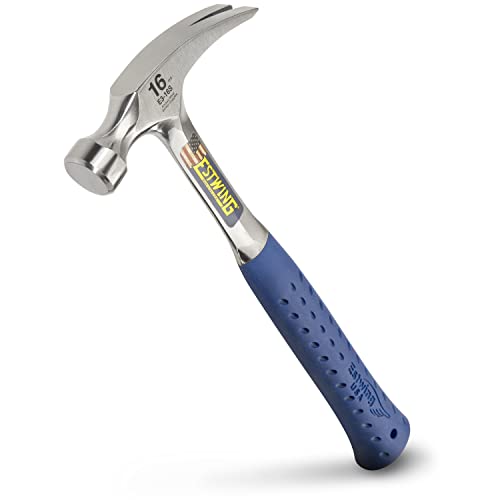
ESTWING E3-16S 16oz Rip Hammer with Shock Reduction Grip

EZ-FLUID 3-Inch Press Slip Coupling, Lead Free Copper

KNIPEX Cobra ES Extra-Slim Pump Pliers, 10-Inch

Veto TP-XL Extra Large Tool Pouch
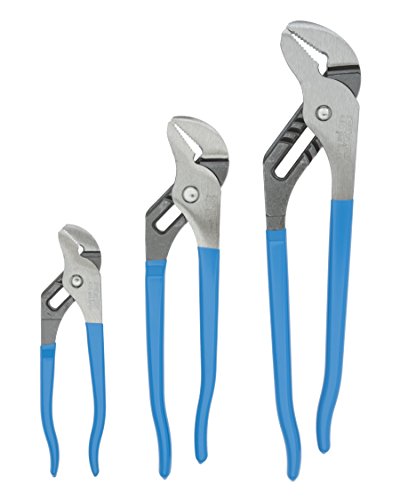
Channellock GS-3 Tongue and Groove Pliers Set, 3 Piece

Go Green Power 16/3 25ft Outdoor Extension Cord GG-13725

Makita XMT03Z 18V LXT Cordless Multi-Tool, Tool Only

ESTWING E3-22P 22oz Rock Pick with Blue Grip
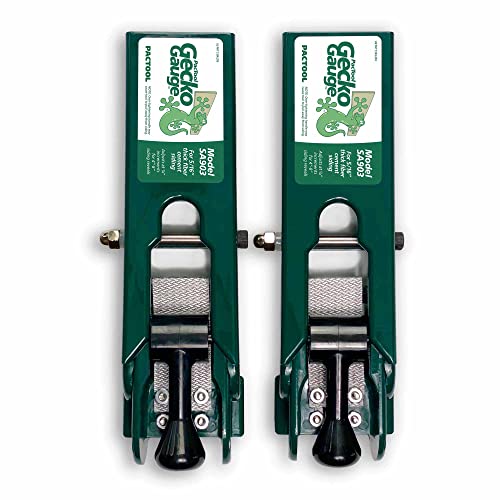
PacTool Gecko Gauge Siding Installation Kit, 5/16 Inch
More On The Choices That Made The List
A 16-ounce rip claw belongs in every contractor’s pouch, and the ESTWING E3-16S is a textbook example of why the brand has staying power. The head and handle are forged from a single piece of steel, which means no loose head after a season of dropped strikes and no wobble at the moment you set a nail.
The shock-reduction grip is genuinely useful on long days, taking some of the sting out of repeated impacts when you’re pulling framing nails or breaking down pallets. The longer handle gives more reach for demo and gives heavier swing energy without extra effort from your shoulder.
The Upside
- One-piece steel construction resists head loosening over years of heavy use.
- Shock-reducing grip lowers hand fatigue during extended framing or demo shifts.
- Rip claw profile handles nail pulling, prying, and rough demo without complaint.
- Forgiving balance suits both newer hands and seasoned framers on the same crew.
Things To Consider
- Heavier than a 14-ounce hammer, so all-day trim work may tire out some users.
- Steel handle transfers more vibration than a fiberglass variant on cold mornings.
Feature Snapshot
Made For
Framers, roofers, and carpenters who need a hammer that survives daily framing, demo, and prying without developing a loose head.
Consider Something Else When
Trim specialists working all day on finish nails may prefer the lighter Channellock GS-3 set for finer gripping tasks instead of a heavy 16-ounce hammer.
Plumbing repairs rarely land in convenient spots, which is exactly where a press slip coupling earns its keep. The EZ-FLUID 3-inch press slip coupling has no internal pipe stop, so the fitting slides fully onto a copper tube and lets you press a repair joint without trying to telescope a fixed-stop coupling into place.
It’s made from lead-free copper and is rated for potable water, which matters on residential retrofits and tenant work. The press-connect design works with common press tools from Ridgid and Milwaukee in the smaller sizes, so it usually drops into a plumber’s existing kit without buying new jaws.
The Practical Payoff
- No-stop design slides fully onto pipe, making repair couplings far easier in tight walls.
- Lead-free copper body suits potable water and most inspection requirements.
- Press-connect workflow eliminates solder and open flame in finished spaces.
- Compatible with mainstream press tool brands in common residential sizes.
Worth Noting
- Requires a compatible press tool, an added investment for crews still soldering.
- Larger diameters are not universal across press tool brands, so verify your tool before buying.
- Press fittings are not always accepted by every local code jurisdiction; check before installing.
Right Fit For
Plumbing contractors and remodel crews doing copper repair work in finished walls where open-flame soldering is risky or restricted.
Look Elsewhere When
General contractors who don’t already own a press tool system may find the Channellock GS-3 pliers set more immediately useful for everyday mechanical work.
Standard pump pliers are great until you meet a coupling buried behind a sink drain or a supply line tucked under a vanity. The KNIPEX Cobra ES is built for exactly that moment, with a noticeably slimmer jaw profile than the standard Cobra line so it can reach where bulkier pliers can’t.
Adjustment is the familiar push-button system, and the three-point contact grip holds flat material without slipping. Compared to the Channellock GS-3 set covered later, this is a single specialized tool rather than a three-size kit, but it earns its place when access is the real problem on the job.
Everyday Advantages
- Extra-slim jaws reach into drain traps, behind faucets, and inside equipment housings.
- Push-button adjustment is fast when swapping between pipe sizes on a service call.
- Self-locking grip reduces hand fatigue and slip risk on greasy fittings.
- Three-point contact design bites flat stock and round parts without chewing them up.
Honest Caveats
- Single size, so you may still want a larger pump plier for big-diameter work.
- Premium price relative to multi-plier sets that cover more ground for less.
Quick Facts
Best Suited To
Service techs, plumbers, and maintenance mechanics who regularly work in cramped mechanical rooms or behind finished fixtures.
Swap It Out When
Trades that need multiple plier sizes on the truck should consider the Channellock GS-3 pliers set, which covers 6.5, 9.5, and 12 inches in one package.
A pouch only earns its keep when it holds everything you reach for and nothing falls out by lunch. The Veto TP-XL is designed for trim and finish carpenters who carry a wide mix of hand tools, fasteners, and a tablet for plans or punch lists in a single rig.
Thirty pockets give you somewhere for pliers, drivers, a meter, bit extensions, and the random wire nuts that always seem to migrate. The molded rubber grip and polypropylene base help the pouch sit steady on a ladder shelf and shrug off jobsite moisture better than bare leather.
Real-World Strengths
- Thirty-pocket layout absorbs a full finish carpenter’s daily hand-tool loadout.
- Rear tablet pocket keeps plans or a phone accessible on a ladder.
- Polypropylene base resists moisture and abrasion against decking and concrete.
- YKK zippers and over-molded grip handle the daily climb-up, climb-down cycle.
Soft Spots
- Larger than standard pouches, so it can feel bulky on a belt for all-day wear.
- Higher price than a basic canvas pouch, even though the build is clearly heavier duty.
Whose Shelf It Belongs On
Trim carpenters, finish carpenters, and service techs who carry a meter, a tablet, and a wide mix of small hand tools every day.
Reach For A Different Pick When
Crew members focused on rough framing and demo will get more daily use from the ESTWING E3-16S hammer than from an oversized tool pouch.
Most days on a job site need at least one tongue and groove plier, and frequently two at the same time. The Channellock GS-3 set covers that range with three sizes: 6.5, 9.5, and 12 inches, so the right tool is on hand whether you’re working under a sink or wrestling a 2-inch drain.
The laser heat-treated teeth and high carbon steel construction are designed to stay sharp through years of slip-joint abuse, and the undercut tongue and groove design helps the jaws seat solidly on pipes and fittings. Compared to the single KNIPEX Cobra ES, this is breadth over specialization.
Noteworthy Benefits
- Three sizes cover everything from tight under-sink work to main drain repairs.
- Laser heat-treated teeth hold their bite longer than generic stamped pliers.
- High carbon steel body handles aggressive jobs without flexing at the joint.
- Undercut groove design improves grip on rounded stock like pipe and conduit.
Points To Note
- Bulkier jaw profile than the slim Cobra ES, so reach into tight cavities is limited.
- Carrying three pliers adds weight to the pouch or bag.
Perfect Match For
Plumbers, HVAC techs, and general mechanical contractors who need a full size range of tongue and groove pliers on a single truck.
Where Another Pick Suits Better
For one-off access-tight service work, the KNIPEX Cobra ES reaches where this set’s larger jaws cannot.
Extension cords get more abuse than almost any other tool, and a flimsy one fails right when you need a miter saw at the far end of a deck. The Go Green Power GG-13725 is a 16/3 SJTW cord rated for outdoor use, with a moisture and abrasion resistant jacket meant to take sun, drag, and the occasional tire roll.
The lighted end is a small touch that pays off in dark basements and outdoor dusk work, confirming at a glance that power is actually reaching the tool. The 25-foot length suits typical room-and-porch runs without dragging excess cable across walkways.
What Pays Off
- Moisture and abrasion resistant jacket handles outdoor sun and rough jobsite surfaces.
- Lighted plug end confirms live power without crawling back to the outlet.
- 25-foot length covers most residential room-and-porch runs without excess coil.
- Contractor-grade build targets repeated daily use on active job sites.
Trade Offs
- 16-gauge wire is fine for many tools but not for high-draw table saws over long runs.
- Stiffer jacket can coil awkwardly in cold weather compared to lighter indoor cords.
Built With In Mind
General contractors and remodel crews running a mix of drills, saws, and lighting on outdoor or partially finished sites where cord failure is not an option.
Skip It When
Crew members doing primarily indoor trim with the Makita XMT03Z cordless multi-tool may not need a heavy outdoor-rated cord on every run.
Oscillating multi-tools earn their reputation on detail work: undercutting door jambs, trimming casing, scraping grout, slicing caulk, and plunge-cutting drywall openings. The Makita XMT03Z runs on the 18V LXT battery platform, which most Makita-owning contractors already have on the truck, and delivers corded-class speed without dragging an extension cord to the second floor.
The body is engineered to reduce vibration and noise compared to earlier generations, which matters on a long day of trim cuts. As a tool-only listing, this is the right pick for crews already invested in LXT batteries and chargers, since the batteries are the most expensive part of the kit.
A Few Strong Suits
- 18V LXT platform compatibility means no new batteries for established Makita crews.
- Cordless freedom simplifies overhead and second-story work without cord drops.
- Reduced vibration design supports longer detail-cut sessions without numbing hands.
- Multi-function head handles cutting, sanding, scraping, and grout removal.
Less Ideal Details
- Tool-only body means batteries and charger must be purchased separately if starting fresh.
- Accessories for niche tasks (special grout blades, hook-and-loop pads) add to total cost.
Feature Card
Who Should Grab It
Remodel and finish contractors already running Makita LXT batteries who need a cordless multi-tool for daily detail work.
Where A Sibling Pick Shines
Crews that primarily do rough framing and demo may find the ESTWING E3-16S hammer and Go Green Power extension cord more useful than an oscillating multi-tool.
When the job shifts to masonry, demo, or breaking up a stubborn slab, a framing hammer is the wrong tool. The ESTWING E3-22P is a 22-ounce rock pick with a pointed tip for cracking concrete, brick, and stone, paired with a square face for driving chisels and star drills when needed.
The one-piece steel construction matches the E3-16S rip hammer covered earlier, so durability carries over to heavier breaking work. The blue molded grip absorbs some shock and stays grippy when the handle gets dusty, which it will within the first ten minutes on a demo site.
What Works In Its Favor
- Pointed tip cracks concrete, stone, and tile more efficiently than a flat claw.
- 22-ounce head delivers breaking force without requiring a full sledgehammer swing.
- One-piece steel build shrugs off the off-angle hits that break two-piece tools.
- Square face doubles as a chisel and star drill driver for masonry work.
Worth Bearing In Mind
- Specialized for masonry and demo, so it’s the wrong daily hammer for finish work.
- Heavier than a framing hammer, which adds fatigue if used all day on lighter tasks.
The Right Fit
Masonry contractors, foundation crews, and general contractors doing regular demo or hardscape work who need a purpose-built breaking tool.
Not Your Match When
Finish and remodel crews should stick with the ESTWING E3-16S rip hammer for daily framing and trim needs.
Fiber cement siding is unforgiving when courses drift, because the lap reveal stacks visibly all the way up the wall. The PacTool Gecko Gauge clamps to the previous course and supports the next board at exactly the right height, letting one installer handle a job that used to require a second person holding each board level.
The kit includes two Gecko Gauge clamps and is sized for 5/16-inch fiber cement siding, the common profile for James Hardie and similar products. Setup is quick, and once you use it on a long wall, going back to chalk lines and a helper feels slow.
Reasons It Performs
- Two-clamp kit supports the next course so a single installer can set boards solo.
- Consistent lap reveal keeps the visible gap uniform up the entire wall.
- Quick clamp setup avoids repeated chalk-line measurements on every course.
- 5/16-inch sizing matches standard fiber cement siding profiles on the market.
Practical Considerations
- Two clamps limit how many boards can be set at once on very long walls.
- Specific to 5/16-inch fiber cement, so not a universal lap gauge for vinyl or wood siding.
Spec Overview
Who Will Love This
Siding contractors and remodelers installing fiber cement lap siding who want to reduce crew size and speed up long wall runs.
A Better Fit Elsewhere
General contractors who rarely install siding will get more daily use from the Channellock GS-3 pliers set for the variety of gripping tasks that come up.
Putting The Right Kit Together For Your Trade
Choosing tools for general contractors starts with honest inventory of the work you actually do, not the work you might do someday. A framing-heavy crew needs a hammer like the ESTWING E3-16S and a sturdy extension cord like the Go Green Power GG-13725 before they need specialty items like a siding gauge or press coupling.
Grip and fit matter more than marketing copy. The Channellock GS-3 set covers three plier sizes because real jobs switch between sink drains and main stacks in the same morning. The KNIPEX Cobra ES covers the access-tight moments those bulkier jaws cannot reach.
Platform compatibility saves real money. Buying the Makita XMT03Z as a tool-only body makes sense if your trucks already run LXT batteries, but it’s a bad fit for a crew that owns a different battery platform. Match new tools to the batteries you actually have, not the ones you wish you had.
Specialty tools earn their slot only when they replace a recurring frustration. The PacTool Gecko Gauge turns a two-person siding job into a one-person job, so on fiber cement projects it pays for itself fast. On jobs that never involve siding, it lives in the bag unused. The EZ-FLUID press coupling similarly belongs in a plumber’s van, not a framer’s truck.
Build quality controls long-term cost. One-piece steel hammers, high carbon pliers, and abrasion resistant cord jackets all cost more up front and last longer in the field. The honest trade-off is weight and stiffness, so balance ruggedness against the fatigue of an all-day carry.
Key Considerations Across These Picks
Pitfalls Shoppers Hit
Treating tools as interchangeable between trades is the most common mistake. A framing hammer is wrong for finish work, a slim Cobra plier is wrong for mainline plumbing, and a tool-only multi-tool is wrong for a crew without the matching batteries. Match the tool to the work, not the catalog photo.
Overbuying specialty items before the work shows up is the second trap. Press couplings and siding gauges make sense for crews that run those jobs weekly, but they tie up budget that could fund a better pliers set or a heavier extension cord first.
Where The Extra Money Goes
Spending up on tools for general contractors usually buys better steel, tighter tolerances, and longer warranties. The ESTWING one-piece construction, the Channellock laser heat-treated teeth, and the Go Green Power moisture resistant jacket all cost more than generic equivalents, and they survive years of jobsite abuse that destroys cheaper tools.
The upgrade pays off when a tool lives in your hand every day. For occasional-use items, mid-tier often makes more sense than premium.
Frequently Asked Questions
What basic tools should every general contractor own first?
Start with a reliable rip hammer like the ESTWING E3-16S, a three-size pliers set like the Channellock GS-3, a sturdy extension cord, and a versatile cordless multi-tool such as the Makita XMT03Z if you already own LXT batteries.
How do I choose between cordless and corded tools on a job site?
Cordless tools win for overhead and remote work where running a cord is unsafe or impractical. Corded tools and heavy outdoor cords like the Go Green Power GG-13725 still make sense for stationary high-draw tools and long outdoor runs.
Are press-fit plumbing fittings as reliable as soldered joints?
Press fittings from reputable brands have a long track record in residential and commercial work, and they eliminate open flame in finished spaces. Always check local code acceptance and confirm your press tool is on the fitting manufacturer’s compatibility list.
What is the benefit of one-piece steel hammer construction?
One-piece forged steel eliminates the head-to-handle joint that loosens over time on two-piece hammers. You trade a bit of vibration transfer for a tool that stays tight through years of heavy framing and demo work.
When does it make sense to buy specialty tools like a siding gauge?
Specialty tools pay off when the work shows up often enough to recover the cost in saved labor. The PacTool Gecko Gauge, for example, makes sense for crews that install fiber cement siding regularly, but not for contractors who only do occasional siding repairs.