Working on HVAC systems means climbing into tight attics, kneeling on damp crawlspace dirt, and hauling a rolling kit from the truck to the third floor. The right gear doesn’t just make the job faster; it keeps your hands, your back, and your service van organized when the calls stack up. This shortlist focuses on the practical tools that show up in techs’ bags every day, from articulated inspection cameras to rugged pouches and a precision driver for control board work.
How The Shortlist Stacks Up
How The Shortlist Stacks Up

Veto TP-XL Extra Large Tool Pouch

Veto Tech LC Tech Large Tool Bag
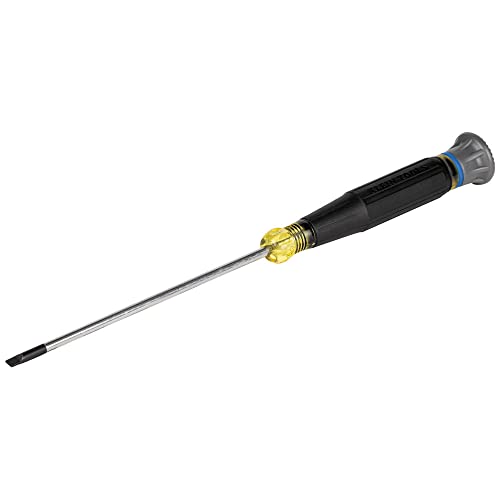
Klein Tools 6254 Mini Precision Screwdriver

AASTT 13-Inch Portable Tool Bag (Grey)

DXZtoz Two-Way Articulating Borescope 5.5FT
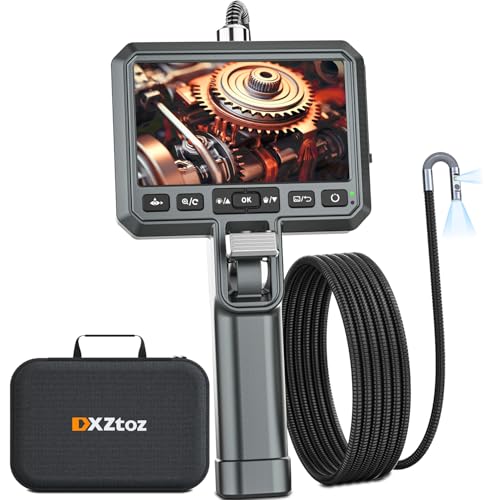
DXZtoz Dual-Lens Articulating Borescope

DXZtoz Dual-Lens Articulating Borescope for Mechanic Inspection
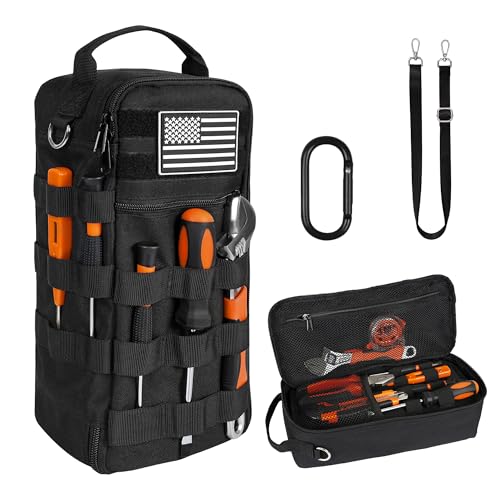
AASTT 13-Inch Portable Tool Bag (Black)

AASTT 13-Inch Portable Tool Bag (Brown)
Meet The Standout Selections
The Veto TP-XL sits in that middle ground between a hip pouch and a full bag, opening on one side so you can scan your hand tools without digging. It carries 30 pockets, including a dedicated meter slot, bit extension sleeves, and a magnetic screw catcher that drops loose fasteners right where you want them.
For techs who climb ladders all day, the over-molded rubber grip and polypropylene base spread the load and shrug off wet floors. The back panel fits a tablet for pulling up wiring diagrams on the roof, which saves a trip back to the van.
Practical Advantages
- One-sided opening means faster grab-and-go during diagnostic calls
- Magnetic screw catcher keeps small fasteners from vanishing into return vents
- Tablet pocket turns the pouch into a portable reference library
- Polypropylene base resists the puddle problem common in basement work
- YKK zippers tend to outlast the bargain-bin alternatives techs replace yearly
Things To Consider
- Open-top design can spill tools if you set it on a slanted ladder shelf
- Heavier than a soft pouch when fully loaded with meters and a tablet
Who It Suits Best
Residential service techs who need their meter, drivers, and tablet reachable in one motion on a single-story call.
A Better Fit Elsewhere
For full-time HVAC contractors hauling cordless drills and recovery machines, the Veto Tech LC Tech Large Tool Bag offers more structured room.
Where the TP-XL keeps things slim, the Veto Tech LC opens up to a 53-pocket layout that swallows a compact cordless drill, hand tools, parts boxes, and a recovery manifold without crowding anything. The bag is built from 100% denier nylon with a waterproof base, so spilled coolant or condensation won’t wick through to your truck cab.
Two neoprene sleeves and six flat zippered pockets keep drill bits and small fittings sorted, which matters when you’re pulling a TXV in low light. Compared with the TP-XL above, this is a full-bag option for techs whose day includes compressor swaps.
Useful Strengths
- 50 interior pockets give every driver, wrench, and gauge a known home
- Waterproof base fabric protects tools and truck interiors from condensation
- Neoprene sleeves hold small bits that otherwise rattle loose in transit
Worth Noting
- Larger footprint than a hip pouch, harder to carry on a roof
- Premium build commands a higher price than entry-level bags
Key Specs
Made For
Full-time HVAC techs running a packed service van with manifold sets, recovery cylinders, and a drill always within reach.
Consider Something Else When
Quick-service calls or one-trip jobs fit better in the lighter AASTT 13-Inch Portable Tool Bag, which is easier to sling over a shoulder.
Modern control boards and thermostat terminals punish anything that isn’t a precision driver, which is why a 1/8-inch slotted like the Klein 6254 earns a spot in any HVAC pouch. The shaft is just four inches, long enough to reach recessed terminals but short enough to keep torque controlled on small screws.
The cushion-grip handle and rotating cap work together so you can roll the tip between thumb and forefinger without the driver slipping. Compared with the Veto bags above, this is the kind of tool that lives in the front pocket of either one.
Notable Gains
- Heat-treated, precision-machined tip resists cam-out on small terminal screws
- Rotating cap lets you spin the driver with fingertip pressure alone
- Color-coded ring makes it easy to spot in a crowded pouch
Trade Offs
- Single 1/8-inch size means you may need a fuller set for varied work
- Smaller handle is not comfortable for all-day high-torque loosening
Best Suited To
Techs who frequently swap thermostat boards, defrost timers, and small control panel screws where a full-size driver feels clumsy.
Look Elsewhere When
If your work centers on heavy disassembly instead of delicate terminals, the larger driver slots in your existing Veto TP-XL or Veto Tech LC will handle most jobs without a precision tool.
Not every call needs a 53-pocket Veto, and that’s where the AASTT 13-inch bag comes in. Built from 900D Oxford fabric with a water-resistant finish, this is a stripped-down shoulder bag sized for one or two service calls at a time, the kind you toss in the truck for a quick thermostat swap.
Two main compartments hold screwdrivers, pliers, and a tape measure, with a hammer loop and external nail apron out front for fast grabs. The D-ring clip lets you hang it from a belt or the side of a ladder shelf when you need both hands free.
A Strong Showing
- Shoulder strap and D-ring clip offer multiple carry options on ladders
- Hammer loop keeps your dominant hand free for climbing and adjustments
- Water-resistant Oxford shrugs off light rain during rooftop calls
Room For Improvement
- Smaller pocket count than the Veto options for a fully loaded kit
- No dedicated meter pocket, so clamps and multimeters share a compartment
Feature Snapshot
Who Should Grab It
Apprentices, part-time techs, or anyone running short calls where a full Veto bag feels like overkill for the job.
Skip It When
For a service van packed with manifold gauges and recovery equipment, the Veto Tech LC Tech Large Tool Bag offers the structured layout you need.
When a homeowner says the duct is “rattling somewhere in the attic,” a borescope is faster than tearing drywall. The DXZtoz 5.5-foot probe articulates 220° at the tip, so you can steer around a 90° elbow in a heat exchanger or combustion chamber without re-feeding the entire cable.
It shoots in 1080P, which means you can zoom in on a heat exchanger crack on the live screen instead of guessing from a blurry feed. The flexible probe also helps when you’re checking a refrigerant line for oil spots behind a finished ceiling.
What Makes Sense
- 220° articulation reaches spots a straight probe cannot
- 1080P resolution makes hairline cracks easier to identify on inspection
- 5.5-foot length covers most residential duct and combustion runs
- Built-in light handles dark attic and basement inspections
Points To Keep In Mind
- Articulation adds a learning curve compared with a fixed-tip scope
- Bulky control head takes up room in smaller pouches like the AASTT 13-Inch
Whose Shelf It Belongs On
Techs running combustion analysis or chasing ductwork leaks who need to confirm a finding before quoting a repair.
Reach For A Different Pick When
If you primarily need a slim scope for ignition chambers or valve ports, the DXZtoz Dual-Lens Articulating Borescope with a 0.25-inch probe fits tighter clearances.
The 0.25-inch probe on this DXZtoz is the thinnest in the lineup, which matters when the inspection point is a spark plug hole, a tight TXV port, or a combustion chamber inlet. The dual-lens head combines a forward view with a side angle, and the 210° articulation rotates the tip in two directions.
For HVAC techs, that means fewer pulled components to peek inside something. You can also use it to verify a draft inducer or check the interior of a flue for soot buildup without disassembling the furnace.
Why It Works Well
- 0.25-inch probe fits openings that block thicker borescopes
- Dual lenses cover both forward and side views without rotating the cable
- 210° articulation handles multi-bend passages
Honest Caveats
- Tiny probe is more delicate than a chunky 5.5mm scope if you force a tight bend
- More expensive than the single-lens DXZtoz reviewed above
Perfect Match For
Techs who handle furnace and boiler inspections where access ports are small and misjudging a bend can mean a wasted trip.
Another Choice May Suit
For longer duct runs where you don’t need to squeeze through a narrow opening, the DXZtoz Two-Way Articulating Borescope 5.5FT reaches farther with simpler handling.
This DXZtoz model pairs a forward camera with a 90° side camera on a rotatable probe, and the result is a scope with no real dead spots inside the cavity you’re inspecting. The articulating control knob lets you aim the tip while watching the live image, which is essential when diagnosing ignition problems or soot patterns on a heat exchanger.
For an HVAC tech cross-trained on combustion equipment, this means one camera handles everything from draft hoods to burner tubes. The image clarity on the side camera is also useful for looking sideways into a return drop without pulling the duct apart.
Useful Highlights
- 90° side camera captures perpendicular views that straight scopes miss
- Rotatable probe reduces repositioning inside cramped cavities
- Single tool covers forward and side inspection tasks
Practical Considerations
- More complex interface takes longer to learn than a single-lens scope
- Heavier handset than pocket-style borescopes
Feature Card
The Right Fit
Techs who work on both HVAC and small engine or burner equipment, where the side camera eliminates swapping scopes mid-job.
Where A Sibling Pick Shines
For pure duct and flue runs where length matters more than side angle, the DXZtoz Two-Way Articulating Borescope 5.5FT stretches farther in one shot.
The black version of the AASTT 13-inch tool bag shares the same 900D Oxford build, shoulder strap, and D-ring clip as the grey version earlier in this list. The difference is purely aesthetic, and black hides the scuffs, soot, and job-site grime that light fabrics tend to show after a week of service calls.
For techs who want a low-key, professional-looking bag that doesn’t broadcast “I just came from the crawlspace,” this colorway gets the nod. You still get the hammer loop, external nail apron, and quick-access compartments that make short calls faster.
Positive Takeaways
- Black fabric disguises soot and oil marks during furnace work
- Same 13-inch form factor fits comfortably in a truck toolbox
- D-ring clip doubles as a hanging point in mechanical rooms
Some Limits To Know
- Identical layout to the grey and brown versions, so no functional upgrade
- Interior still lacks a dedicated meter pocket for clamp-style tools
Who Will Love This
Service techs who prefer gear that stays presentable in customer-facing spaces and doesn’t need to match a specific job-site dress code.
Swap It Out When
For a larger service load with a drill and recovery manifold included, the Veto Tech LC Tech Large Tool Bag is a step up in capacity.
Rounding out the list, the brown AASTT bag carries the same construction as the grey and black versions above, with a warm-toned finish that some techs prefer for a classic look. The 900D Oxford holds up to the same knocks, and the shoulder strap plus D-ring clip work identically.
Two main compartments and the external hammer loop cover the day-to-day toolkit without overcomplicating the layout. For shoppers who care about color matching their gear to a personal style, this is the third option in the AASTT lineup.
Everyday Perks
- Brown tone ages well and shows grime less than lighter shades
- Compact enough to stash behind a truck seat when not in use
- Quick-access pockets keep drivers and pliers in easy reach
Where It Is Less Suited
- Same pocket constraints as the other AASTT color variants
- Not built for hauling a cordless drill alongside a full hand-tool set
Built With In Mind
Techs and tradespeople who want a simple, no-frills shoulder bag for short service runs where minimal gear is the goal.
Not Your Match When
For larger jobs that involve manifold gauges, recovery cylinders, and a drill, the Veto TP-XL or Veto Tech LC handles the bigger load with more structure.
What To Weigh Before Choosing Your HVAC Setup
Real HVAC work blends fast diagnostic calls with longer installs, so the right tool kit has to do both. Start by mapping your average day: a tech running ten short service calls needs different organization than one doing full system replacements, and your bag should reflect that mix.
For pouches and bags, focus on pocket count, base protection, and carry style. A polypropylene or waterproof base stands up to the wet floors you find in mechanical rooms, while a shoulder strap with a D-ring clip gives you options when both hands need to stay on the ladder. Pouch-only designs work when you carry a meter every call, while full bags make sense for installers hauling a cordless drill and a manifold set.
For inspection tools, articulation range and probe diameter drive usability. A borescope that articulates 200° or more reaches spots a straight probe cannot, and a 0.25-inch tip fits the tighter inspection ports on combustion equipment. Length matters too: 5.5 feet covers most residential runs, while longer probes handle commercial ductwork.
For handheld tools, the precision driver category is worth its own slot. Heat-treated tips, rotating caps, and color-coded rings all help when you’re working on small control board screws in low light. A full set tends to earn its space over time, but a single well-built 1/8-inch driver covers most thermostat and control work.
Match the tool to your most common call type rather than the rare job. A tech who runs combustion analysis daily gets more value from an articulating borescope than from a heavier bag, and an apprentice doing quick swaps may not need anything beyond the compact 13-inch AASTT form factor.
Key Considerations Across These Picks
Common Shopping Slip Ups
The biggest mistake is buying a bag based on pocket count alone. A 50-pocket bag without a waterproof base will soak through in a basement, and a feature-rich borescope with a stiff articulation joint is harder to use than a simpler one with smooth control. Match the tool to your real call mix rather than to a spec sheet.
Where The Extra Money Goes
Higher-tier picks like the Veto Tech LC bag cost more because of denier nylon construction, neoprene sleeves, and a waterproof base that outlasts budget bags by years. A premium borescope adds side cameras and longer articulation, which translates into fewer torn-down components to inspect. For full-time techs, that durability and versatility pays back through reduced replacements and faster diagnostics.
Frequently Asked Questions
What should every HVAC technician carry on a basic service call? A mid-size tool pouch with a meter pocket, a precision driver set for terminals, a torch, a multimeter, and a compact borescope for quick visual checks cover the most common diagnostic needs.
Are articulating borescopes worth the cost over fixed-tip models? Articulating scopes cost more, but they reach inside multi-bend passages like heat exchangers and combustion chambers without re-feeding the cable, which saves time on tricky inspections.
How many pockets does an HVAC tech really need in a tool bag? For a full-time service van, 30 to 50 pockets keeps tools organized and accessible. For shorter calls or apprentice work, a 13-inch bag with 10 to 15 pockets is usually enough.
What’s the difference between denier nylon and polyester tool bags? Denier nylon is generally tougher and more abrasion-resistant, which suits a daily service environment. Polyester is lighter and often cheaper but wears out faster under heavy use.
Can a precision screwdriver handle thermostat wiring? A 1/8-inch slotted precision driver is well-suited for thermostat terminals and small control board screws, where a full-size driver can strip the slot.