A solid roofing job lives or dies on the gear in your hands. Shingles can wait, but a dull knife, a missing boot, or a pouch that drops your fasteners mid-slope will derail a project before the first course goes down. This roundup covers the everyday tools a roofer, remodeler, or hands-on homeowner actually reaches for, from pipe flashings to fixed-blade knives, cap staplers, and a leather pouch to keep fasteners close. Each pick is judged on real attributes: blade geometry, handle comfort, fastening speed, and how it survives repeated daily use on a pitched roof.
Your Options, Compared

Ultimate Pipe Flashing (3″ Boot)

OLFA 18mm Heavy-Duty Utility Knife (L-2)

Stinger CH38A Autofeed Cap Stapler Kit

Lizenoz 2PCS Fixed Blade Roofing Knife

Lizenoz 2-Pack Green Fixed Blade Knife
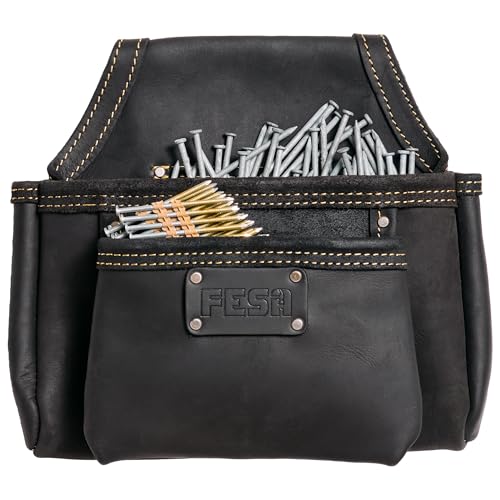
FESA 2-Pocket Leather Nail Pouch
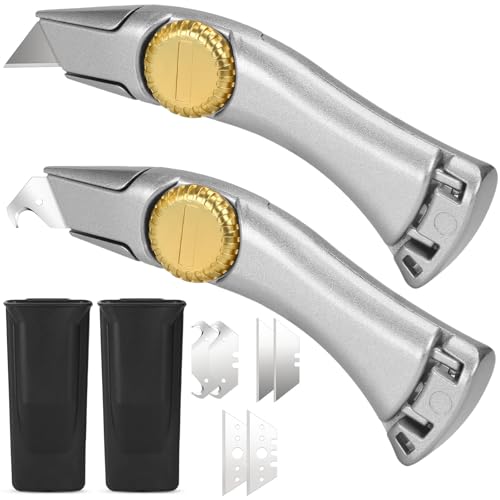
Lizenoz 2-Pack Silver Fixed Blade Knife

Stinger CH38-2 Cap Staple Hammer Tacker
A Breakdown Of The Leading Choices
Few details on a roof are more important, or more overlooked, than the boot that seals around a plumbing vent or exhaust pipe. The Ultimate Pipe Flashing 300 is sized for a 3″ pipe and sits in the building materials category, which tells you it’s designed to be a structural part of the weatherproofing system rather than a decorative cap. For a remodeler replacing an old, cracked boot, the fit-and-forget nature of a properly sized flashing saves a return trip up the ladder.
Where it earns its place is in the category of basic plumbing vents, which appear on virtually every residential roof. The 3″ sizing covers most standard drain and vent stacks in single-family homes, making it a sensible default for repair or new-construction work. The honest read is that this is a quiet, unglamorous part of the job: install it correctly under the shingle course, and you stop thinking about it for the next twenty years.
A Strong Showing
- Targeted 3″ sizing matches the most common residential vent pipe diameter.
- Sits in the building supplies category, signaling long-term weatherproofing intent rather than a temporary patch.
- Slides under the shingle course, which is the standard detail for reliable leak prevention.
- Replaces a single worn boot without disturbing surrounding flashing.
Things To Consider
- Only fits 3″ pipe, so homes with 2″ or 4″ stacks need a different SKU.
- Color and material finish aren’t detailed in the source data, so you’ll want to confirm visual match before ordering for a finished roof.
Who It Suits Best
Homeowners and roofers replacing a single cracked boot on a standard 3″ plumbing vent.
Look Elsewhere When
You’re working on a pipe of a different diameter, in which case the Lizenoz fixed-blade knives in this list are more relevant cutting tools for the broader project.
The OLFA L-2 is the kind of tool that shows up on a roofer’s belt long before the first shingle comes off. It ships with a heavy-duty stainless steel snap-off blade preloaded, and the 18mm width gives you a stiffer cutting edge than the standard 9mm box-cutter format. On a roof, that extra width matters when you’re scoring architectural shingles or slicing through layers of ice-and-water shield.
The body uses high-impact ABS plastic with a stainless steel channel that locks the blade solidly in place, and the rubber inset along the spine gives the hand something to grip when the gloves are dusty. The ratchet-based wheel lock lets you dial in any extension depth, which is helpful when you only want a sliver of blade exposed for trimming flashing tabs. Compared with the Lizenoz fixed-blade picks later in this list, the OLFA trades a fixed blade for a snap-off system, so you can refresh the edge without swapping tools.
The Case For It
- Eight snap-off segments per blade mean a fresh edge is always one click away mid-job.
- Stainless steel channel keeps the blade from wandering during heavy cuts.
- Ratchet wheel lock supports multiple extension depths for fine trimming work.
- Rubber inset along the handle adds grip security on dusty or wet days.
Worth Noting
- Snap-off blades cost more per replacement than standard utility blades, an ongoing ownership expense worth budgeting for.
- The locking wheel can collect grit over time, so occasional cleaning keeps the mechanism smooth.
Key Specs
Made For
Roofers and remodelers who cut felt, shingles, and underlayment daily and want a knife that holds up to repeated heavy use.
Consider Something Else When
You prefer a fixed-blade design that doesn’t retract, in which case the Lizenoz 2-Pack Silver Fixed Blade Roofing Knife offers a more locked-in cutting profile.
When the project shifts from cutting to fastening, the Stinger CH38A steps in. It’s a manual cap hammer tacker that pairs a 1″ plastic cap with a 3/8″ staple on every swing, and the gravity-fed magazine keeps caps flowing without a trigger pull. For a full tear-off where you’re rolling out felt or synthetic underlayment across several squares, the rhythm of swing-swing-swing beats the slower motion of pulling individual staples.
The kit comes with a second pack of staple caps, so the tool ships ready for a working day rather than as a bare handle. Where this lands on the list is firmly in the pro-grade lane. You’ll appreciate it on a long re-roof where every saved motion matters. That said, a homeowner patching a small shed roof may not need this throughput, and a simpler hand stapler would do.
Reasons It Performs
- Combined cap and staple fastening secures underlayment against wind uplift better than a bare staple.
- Triggerless swing action reduces hand fatigue on long runs.
- Two-pack consumables mean the tool is ready to work out of the box.
Points To Note
- Manual swing fastening is slower than a pneumatic cap stapler, a trade-off to weigh on large commercial jobs.
- Requires consistent cap and staple stock on hand; running out mid-roll is a real workflow interruption.
Feature Snapshot
Right Fit For
Roofing crews and serious DIYers covering multiple squares of underlayment on a residential re-roof.
Reach For A Different Pick When
You’re working on a single small patch, in which case the FESA 2-Pocket Leather Nail Pouch is a more relevant organizational tool to keep your fasteners sorted.
For shoppers watching the budget, the Lizenoz 2PCS set delivers a pair of fixed-blade knives aimed squarely at roofing and general construction cutting. The fixed-blade design means the cutting edge stays put, which removes the small but real risk of a retractable mechanism slipping mid-stroke. Two knives in the box means you can keep one staged on the roof and one in the truck without reshuffling gear between ladders.
The trade-off shows up in the handle and finish compared with the OLFA L-2 reviewed earlier. This set isn’t claiming premium-grade Japanese steel or a rubber inset grip. You’re buying a workable, no-frills cutting tool for shingle scoring, drywall, and general construction. For a homeowner or someone tackling a weekend project, that’s a sensible trade.
The Helpful Details
- Two knives mean less downtime swapping or sharpening a single tool.
- Fixed-blade lockup removes retraction failure as a job-stopping risk.
- Useful across roofing, drywall, vinyl, and carpet, so it earns its place in a multi-project toolbox.
Room For Improvement
- Handle ergonomics and grip texture aren’t specified, so expect a more basic grip than premium alternatives.
- Edge retention is unspecified, meaning more frequent replacement or sharpening under heavy daily use.
Whose Shelf It Belongs On
Budget-conscious homeowners and DIYers cutting shingles, drywall, or vinyl on a weekend project.
A Better Fit Elsewhere
Anyone needing a daily, all-day cutting tool, in which case the OLFA 18mm Heavy-Duty Utility Knife (L-2) is a more refined long-term investment.
The green-handled Lizenoz 2-Pack is built around the same fixed-blade concept as the black-handled set reviewed above, with a focus on grip comfort. The non-slip handle is a real benefit when you’re cutting on a slope and your gloves are slick with granule dust. Two knives in the package give you a backup or a left-hand/right-hand split if you favor ambidextrous tool handling.
For a first-time roofer or a homeowner fixing a leak, the learning curve is mostly about controlling the blade, not the tool. A fixed blade that doesn’t retract removes one decision from the equation. Compared with the OLFA L-2, this is a more approachable price point and a less intimidating tool for someone still building their cutting confidence.
Real Benefits
- Non-slip handle improves control during long cutting sessions.
- Fixed-blade format reduces the chance of an accidental retraction mid-cut.
- Two-pack keeps a spare on the roof or in the truck.
Trade Offs
- Specific blade steel and edge-hold claims aren’t provided, so treat it as a basic fixed-blade rather than a premium edge.
- Color-only differentiation from the other Lizenoz sets can make shop-shelf identification tricky.
Best Suited To
New roofers and DIY homeowners handling their first shingle repair or small re-roof.
Skip It When
You want six different blade profiles in one box, which is what the Lizenoz 2-Pack Silver Fixed Blade Roofing Knife delivers further down this list.
A roof job is mostly about logistics. Where are the nails, where’s the next shingle, how do I keep my hands free? The FESA 2-Pocket Nail Pouch answers that with two extra-large leather pockets sized for roofing nails and screws, mounted to a tool belt up to 3″ wide. Heavy-duty rivets and stitching give it the construction details that matter when a loaded pouch drags against a ladder rail all day.
Handcrafted leather is a different feel than a synthetic pouch, and it tends to break in rather than wear out. Compared with the cutting and fastening tools earlier in this list, this one is purely about workflow. Drop your fasteners in the pockets, slap on the belt, and your hands stay on the hammer. For framers, roofers, and remodelers, that single change speeds up the whole day.
Where It Delivers
- Two extra-large pockets keep a working supply of fasteners within arm’s reach.
- Handcrafted leather construction softens with use rather than cracking like synthetics.
- Heavy-duty rivets and stitching survive daily ladder and hip contact.
- Fits common 3″ work belts, pairing with most roofer and framer setups.
Honest Caveats
- Leather requires occasional conditioning to resist drying and cracking on hot roof decks.
- Two pockets limit on-belt fastener variety; roofers juggling nails, screws, and caps may want a third pouch.
Spec Overview
Perfect Match For
Roofers, framers, and remodelers who want a leather pouch that ages into the job rather than wearing out.
Swap It Out When
You need a faster, larger-volume fastening tool, in which case the Stinger CH38A Autofeed Cap Stapler Kit is the more capable hardware upgrade.
The silver Lizenoz set widens the brief. It includes two knives plus three differently designed blade profiles, two of each, for a total of six blades, along with two sheaths for safer carry. That kind of variety inside a single kit makes it the closest thing in this list to a multi-trade cutting set rather than a single-purpose roofing knife.
For a contractor who moves between roofing, drywall, vinyl, and trim work, swapping blade profiles is faster than swapping knives. The closed fixed-blade design also keeps the blade locked in place, which matters when you’re working overhead or in awkward positions. Compared with the OLFA L-2, this trades snap-off convenience for a wider selection of edge shapes.
Practical Pluses
- Three blade profiles cover roofing, drywall, vinyl, and carpet without separate purchases.
- Six blades total mean spares are on hand when one dulls mid-task.
- Included sheaths protect both the user and other tools in the bag.
- Closed fixed-blade format stabilizes the cutting edge during heavy downward strokes.
Some Limits To Know
- Specific blade steel and edge-retention ratings aren’t in the source data, so expect general-purpose rather than premium longevity.
- Carrying two sheathed knives adds bulk to a tool belt that simpler single-knife kits avoid.
Who Will Love This
Tradespeople and serious DIYers who bounce between roofing, drywall, and finish work and want one kit to cover them.
Not Your Match When
Your work is purely roofing felt and shingles, where a single-purpose tool like the OLFA 18mm Heavy-Duty Utility Knife (L-2) is a cleaner fit.
The Stinger CH38-2 is the lighter sibling to the CH38A reviewed earlier, and the headline number is 2.6 lbs. That’s light enough to swing all day without the arm fatigue a heavier hammer tacker creates on a long underlayment run. The kit includes two StaplePacs of 1″ caps and 3/8″ staples, so it ships ready to work on roofing felt, house wrap, and rolled insulation.
The honest read is that this is the “no-compressor” option. Where a pneumatic cap stapler needs a generator and hose on the roof, the CH38-2 just needs a swing. For a DIYer without air tools, or a roofer working a small addition where setting up a compressor is overkill, this fills the gap. Compared with the CH38A kit earlier, the 2-pack format is more streamlined for occasional use.
Where It Excels
- Light 2.6 lb body reduces arm fatigue on multi-square underlayment runs.
- Cap-and-staple fastening pattern meets common best practice for securing roofing felt and house wrap.
- No compressor or hose required, simplifying setup on small jobs.
- Two included StaplePacs give a working head start before resupply.
Practical Considerations
- Manual swing fastening is slower than pneumatic for full-day commercial volume.
- Staple and cap consumables must be restocked, an ongoing ownership cost for frequent users.
Feature Card
Built With In Mind
Roofers, siders, and DIYers without a pneumatic setup who need a cap-and-staple fastening tool for felt, wrap, and insulation.
Where Another Pick Suits Better
You want a dedicated cutting tool alongside this tacker, in which case the OLFA 18mm Heavy-Duty Utility Knife (L-2) is the natural pairing in this list.
Choosing Roofing Tools That Hold Up on the Job
Picking the right roofing gear starts with the task, not the brand. For cutting, blade type matters: a snap-off blade stays sharp because you reveal a fresh segment, while a fixed blade gives you a stiff, locked-in edge for heavy downward strokes. Match the blade format to the work you do most, whether that’s slicing shingles, scoring underlayment, or trimming flashing.
For fastening, cap-and-staple patterns outperform bare staples on underlayment because the cap spreads the hold across a wider area, resisting wind uplift. Manual hammer tackers trade speed for simplicity, while pneumatic systems swap air-hose hassle for faster cycles. Pick based on whether you need portability or throughput.
Comfort and carry are easy to overlook until you’re halfway up a ladder. A non-slip handle keeps a knife steady when your gloves are dust-coated, and a leather pouch with the right pocket size keeps fasteners where you can grab them without looking. The work happens between the cuts and the fasteners, so the gear that bridges them is just as important as the blades themselves.
Smart Considerations Before You Buy
Pitfalls Shoppers Hit
A common mistake is buying a knife based on blade width alone, then finding the handle is too short for a comfortable four-finger grip. Match the handle to your hand size and glove thickness. Another trap is choosing a cap stapler without checking the staple and cap size against the consumables you already stock; mixing sizes turns a one-tool job into a parts scramble.
When Paying More Pays Off
Spending more on a knife usually buys better steel and a more reliable lock mechanism, two things that show up after dozens of cuts, not on the first one. For hammer tackers, a higher tier often means a smoother magazine feed and a more balanced swing, which adds up across a full day. The upgrade is worth it for daily users and skip-worthy for occasional weekend work.