Pruning season sneaks up fast, and the gap between clean cuts and ragged ones usually comes down to the tool in your hand. A backyard with roses, fruit trees, and ornamental shrubs asks for very different equipment than a rural lot with overgrown saplings and thick deadwood. The right match depends on the branches you face, the height you need to reach, and how much effort you want to put in.
This list pulls together hand pruners, bypass and anvil loppers, and a few cordless mini chainsaws for heavier work. Each pick has a real job to do, and the differences between them matter once you’re standing under a tree with a deadline.
The Main Contenders
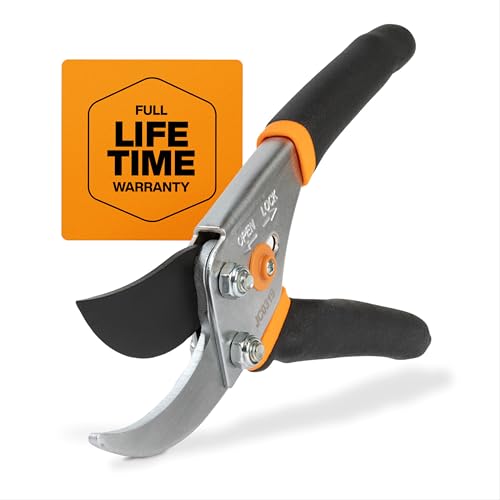
Fiskars Bypass Pruning Shears 5/8″ Cut

Fiskars 28″ Garden Bypass Loppers

Fiskars Forged Steel Bypass Pruning Shears 1″
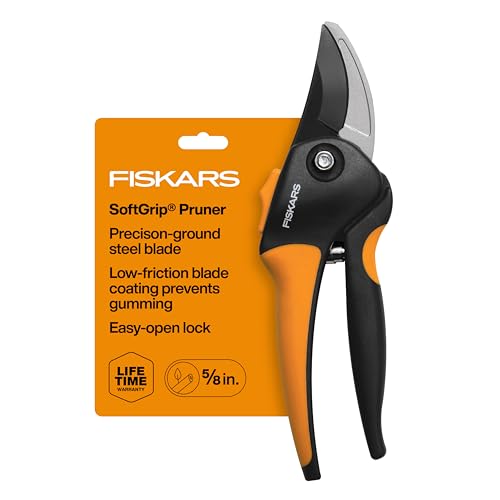
Fiskars SoftGrip Bypass Pruning Shears 5/8″

TABOR TOOLS GG12A Anvil Lopper 30″

BLACK+DECKER Lopper Chain Saw LP1000

CEEPUY Mini Chainsaw 6-Inch Cordless

CEEPUY 8-Inch Brushless Mini Chainsaw

CEEPUY 2-in-1 Pole Saw and Mini Chainsaw
The Strengths Of Each Pick
The Fiskars Bypass Pruning Shears open this list because they cover the cuts most gardeners make on any given weekend. A bypass blade works like a pair of scissors, with one curved edge sweeping past the other, which suits live green wood and softer stems. The 5/8″ capacity handles roses, berry canes, and young growth without forcing the handles apart.
If your work stays in a small to mid-size yard and revolves around shaping shrubs rather than clearing storm damage, this is a sensible starting point. Owners commonly report that the steel blade holds its edge across a full growing season of light use.
Strengths Worth Knowing
- Bypass action keeps cuts clean on live growth, reducing plant stress
- Compact size fits smaller hands and short sessions in tight beds
- Lightweight build reduces hand fatigue during spring cleanup
- 5/8″ capacity covers the vast majority of stems in a home garden
Points To Note
- Not suited to branches above 5/8″, so you may need a lopper nearby for larger growth
- Lightweight construction may feel thin to those used to forged pruners
- Blade wiping after sappy cuts helps prevent residue buildup over time
Quick Facts
Made For
New gardeners maintaining flower beds and small shrubs in a typical backyard.
Swap It Out When
Thick branches push past 5/8″ and the Fiskars 28″ Garden Bypass Loppers will save your hands.
Once the work climbs past hand pruner territory, the Fiskars 28″ Garden Bypass Loppers step in. The 28-inch handle gives you reach into a rose thicket or above head height on a small fruit tree, while the bypass blade pair still treats live wood kindly. The 1.5″ capacity is the practical ceiling for any home gardener who wants to avoid dragging out a saw.
You notice the difference most when you stop wrestling with branches and start placing clean cuts. For most suburban yards, that’s a meaningful upgrade from the first pick.
Key Advantages
- Reaches into dense shrubs without stepping into thorns
- 1.5″ capacity handles most mid-size branches in residential trees
- Bypass design favors live wood, supporting plant health
- Long handles multiply leverage, easing repetitive cuts
Trade-Offs To Consider
- Long handles reduce control in tight spaces between ornamental plants
- Bypass blades can struggle slightly on hard, dead wood compared to anvil designs
Right Fit For
Homeowners pruning established shrubs and small trees with branches up to roughly an inch and a half thick.
Not Your Match When
Dead, dry branches dominate the workload, in which case the TABOR TOOLS GG12A Anvil Lopper makes lighter work of the harder cuts.
The Fiskars Forged Steel Bypass Pruning Shears pick up where the first item leaves off, trading a slimmer body for a beefier forged handle and a 1-inch cut capacity. Forged steel, meaning metal shaped under high heat and pressure, tends to be denser and more durable than stamped alternatives. That extra material shows up the first time you bite into a stubborn branch instead of straining against it.
Garden owners who spend real hours pruning, rather than ten minutes here and there, often find this level of sturdiness worth the slightly heavier feel in hand.
Positive Takeaways
- 1″ capacity opens up thicker growth that defeats lighter pruners
- Forged steel handles resist bending under heavy use
- Bypass geometry still favors clean cuts on live wood
- Robust construction suits frequent seasonal pruning
Points To Keep In Mind
- Heavier than the entry-level Fiskars Bypass Pruning Shears, which can tire smaller hands faster
- Larger size feels oversized for fine, detailed work on herbs and small flowers
Best Suited To
Experienced home gardeners handling dense growth and thicker stems on a regular schedule.
Look Elsewhere When
Your work rarely exceeds 5/8″ stems, in which case the Fiskars SoftGrip Bypass Pruning Shears feel lighter and easier to manage.
The Fiskars SoftGrip Bypass Pruning Shears take the same 5/8″ cut capacity as the first pick and add a softer, more cushioned handle surface. That sounds like a small change, but anyone who has pruned for an hour knows the difference between a hard plastic grip and one that gives under pressure. The result is a hand pruner that feels more forgiving during long Saturday sessions.
This is a thoughtful pick for gardeners with joint sensitivity, or anyone who simply wants the work to feel a little less punishing.
The Case For It
- Cushioned grip reduces pressure points during extended pruning
- 5/8″ capacity covers the same everyday stems as lighter pruners
- Low-friction coated blade helps the cut glide through wood
- Non-slip handle surface improves control in damp or sweaty conditions
Honest Caveats
- Soft grip material may wear faster than rigid handles under heavy daily use
- Still limited to 5/8″ branches, like other hand pruners in this size class
Perfect Match For
Gardeners with arthritic hands or anyone who tends to spend hours trimming at a time.
Reach For A Different Pick When
Your workload regularly exceeds an hour and you want more leverage, in which case the Fiskars 28″ Garden Bypass Loppers take pressure off your wrists.
The TABOR TOOLS GG12A Anvil Lopper steps away from bypass design and into anvil cutting, where a single sharp blade closes onto a flat metal plate. That setup crushes as it cuts, which is rough on living green stems but ideal for dry, brittle, or already-dead wood. The compound action (a geared linkage that multiplies the force you apply) boosts cutting power without demanding extra grip strength.
For storm cleanup, neglected hedges, and old fruit tree renovation, this 30-inch tool clears a lot of material in a single pass.
What It Does Well
- 2″ cut capacity handles thick, woody branches that bypass loppers avoid
- Compound action multiplies hand force, reducing fatigue
- Hardened carbon steel blade retains an edge across many sessions
- Anvil geometry excels on dry, dead, or brittle wood
Some Limits To Know
- Anvil cutting can crush tender live growth, leaving wounds that heal slowly
- 30″ length demands a fair amount of swing space, which tight spots may not offer
- Bulkier head can be slower to position in dense canopies
Who Will Love This
Property owners cleaning up deadwood, neglected trees, or post-storm debris where clean cuts on living tissue matter less.
A Better Fit Elsewhere
For shaping live ornamental shrubs, the Fiskars 28″ Garden Bypass Loppers deliver a healthier cut on green wood.
The BLACK+DECKER Lopper Chain Saw is a different animal from anything else on this list. Rather than blade-on-blade cutting, a 4.5-amp electric motor drives a small chain around a 6-inch bar, and a clamping jaw holds the branch in place while the cut happens. For users uncomfortable climbing ladders with a regular saw, that combination can be the difference between tackling a job and putting it off.
You trade portability for power here, since the unit runs on a cord and needs a nearby outlet or extension, but the cutting speed on thick limbs is hard to match with hand tools.
The Value In It
- Clamping jaw steadies the branch, making one-handed positioning easier
- 4.5-amp motor drives through branches up to 4″ thick with steady cuts
- Scissor-like action reduces the kick and effort of manual loppers
- 6″ bar balances reach with manageable tool weight
Less Ideal Details
- Corded design limits range and requires an extension cord for most yards
- Heavier than hand loppers, which can tire arms during overhead work
- Chain oiling and tensioning are part of routine maintenance
Feature Snapshot
Whose Shelf It Belongs On
Homeowners with mature trees and access to outdoor power who want to avoid ladder work on thick overhead limbs.
Where A Sibling Pick Shines
If you want to ditch the cord and stay portable, the CEEPUY Mini Chainsaw 6-Inch Cordless handles smaller cuts without needing an outlet.
The CEEPUY Mini Chainsaw brings cordless convenience to a class of cutting tool that used to require gas, oil mixing, and pull cords. Two batteries come in the box, which solves the most common complaint about cordless saws: running out of power mid-cut. The 6-inch bar is short by chainsaw standards, but it suits pruning, brush clearing, and small limb removal around the yard.
If you’ve ever borrowed a full-size chainsaw for a ten-minute job and thought there has to be an easier way, this is the easier way.
Reasons It Performs
- Cordless design lets you work away from outlets and across the whole property
- Two batteries extend runtime for longer jobs
- Automatic oiler keeps the chain lubricated during use
- Security lock helps prevent accidental startups
- Lightweight build is friendlier than full-size chainsaws for occasional users
A Few Limitations
- 6-inch bar limits the diameter of branches you can cut in a single pass
- Smaller saws may feel underpowered on dense hardwood
- Chain tension checks are part of routine upkeep
Built With In Mind
Homeowners who want a portable, low-effort tool for occasional pruning and storm debris without gas engine maintenance.
Consider Something Else When
Thicker branches are the norm, in which case the CEEPUY 8-Inch Brushless Mini Chainsaw steps up the cutting capacity with a longer bar.
The CEEPUY 8-Inch Brushless Mini Chainsaw takes the cordless convenience of the smaller model and adds a brushless motor. Brushless motors, which lack the friction-generating brushes found in traditional designs, typically run cooler, last longer, and squeeze more runtime from the same battery. The longer 8-inch bar expands the kind of branches you can clear in a single cut.
For gardeners who already know they’ll use a cordless saw often, this feels like the right place to spend a bit more.
Notable Upsides
- Brushless motor tends to run cooler and extend tool life over brushed designs
- Two 4000mAh batteries keep you cutting across longer sessions
- 8″ bar handles larger branches than the 6″ sibling
- Automatic oiler simplifies chain maintenance during use
Potential Drawbacks
- Longer bar and battery weight make overhead work more tiring
- Battery charging between sessions can interrupt larger jobs
Key Product Details
Who Should Grab It
Active gardeners managing mid-size branches regularly who want the efficiency of a brushless motor and the runtime of dual batteries.
Where Another Pick Suits Better
If most of your cuts are overhead, the CEEPUY 2-in-1 Pole Saw and Mini Chainsaw adds extension reach that takes you off the ladder.
The CEEPUY 2-in-1 Pole Saw and Mini Chainsaw closes the list with the most versatile setup. A telescoping extension pole converts a handheld cordless chainsaw into a pole saw, which is genuinely useful for trimming branches above head height without dragging out a ladder. When the high work is done, the saw detaches and goes back to acting like a regular mini chainsaw for low cuts.
For tall hedges, fruit trees, or properties with mature shade trees, this hybrid approach replaces two tools with one.
The Upside
- Extension pole reaches branches without ladder work
- Converts between handheld saw and pole saw as needed
- Brushless motor design supports efficient battery use
- Two 4000mAh batteries cover extended pruning sessions
Worth Bearing In Mind
- Extended reach reduces precision at the very tip of the bar
- Pole adds length that can be awkward in tight indoor storage
The Right Fit
Homeowners with tall trees or overhead canopy work who want to minimize ladder time.
Skip It When
Most of your cuts happen at chest height or below, where the CEEPUY 8-Inch Brushless Mini Chainsaw handles the job without the extra length.
What Matters Most When Choosing Tree Pruners
Start With The Branches You Actually Face
Before looking at features, walk the yard and picture the cuts you make most weeks. Roses, herbs, and young fruit trees usually live in the under-5/8″ range that hand pruners cover. Established shrubs and ornamental trees often demand loppers with 1 to 2 inches of capacity. Anything thicker, especially overhead, pushes you toward a small chainsaw or pole saw. Matching the tool to the diameter you cut saves hand strain and produces cleaner wounds on the plant.
Match Blade Style To Wood Condition
Bypass pruners work like scissors, with two curved blades passing each other, which suits live green stems and gives a clean cut that heals quickly. Anvil pruners trap the branch against a flat plate and slice down onto it, which crushes live tissue but powers through dry, brittle wood. Choosing bypass for shaping and anvil for cleanup keeps both your plants and your hands in better shape.
Think About Reach, Weight, And Storage
Long-handled loppers and pole saws extend your range but trade away control in tight spaces. Heavier tools cut faster but tire arms during overhead work. For most home gardeners, a balanced mix of one hand pruner, one mid-size lopper, and one cordless saw covers nearly every job without crowding the garage.
Power Source Shapes The Workflow
Corded electric tools deliver consistent power but tether you to an outlet. Cordless options trade a bit of runtime for freedom to roam, and dual-battery kits solve most range anxiety. Gas still leads for heavy professional work, but for home use the trade-off rarely justifies the noise and maintenance.
Smart Choices Around These Picks
Pitfalls Shoppers Hit
The most common mistake is buying a pruner sized for a job you don’t actually have, leaving you under-using a heavy tool or straining through a too-small one. Another trap is choosing anvil blades for live ornamental work, which leaves rough wounds that invite disease. Skipping chain oil and tension checks on cordless saws also shortens tool life faster than the work itself.
Where The Extra Money Goes
Spending more on a pruner or saw usually buys stronger materials, smarter ergonomics, and motors that last longer. A forged bypass pruner outlasts a stamped one, a brushless motor outlasts a brushed one, and dual-battery kits remove the single biggest frustration of cordless work. The upgrade pays off most for frequent users, while occasional gardeners may be perfectly served by a more modest pick.