


A palm nailer fits in your palm and reaches places a hammer and a full-size nailer simply can’t. Framers, deck builders, and weekend renovators reach for one when a joist hanger sits flush against a wall, or when a ledger board leaves no swing room. The right tool turns a cramped, knuckle-busting task into a clean, repeatable drive.
Most palm nailers run on compressed air from a shop compressor, while a few newer models go cordless for quick trim and repair work. Pneumatic models drive faster and cost less, but they trail a hose. Cordless tools free your hands but need a charged battery on hand. The picks below cover both styles, plus a specialty flooring cleat nailer for hardwood installs.
An Overview Of The Picks
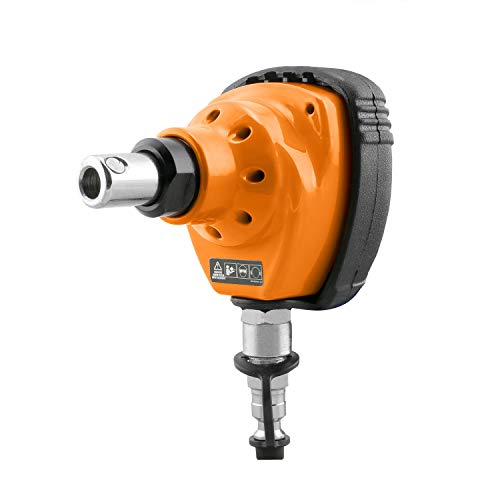
Freeman PMPN Pneumatic Mini Palm Nailer

3PLUS HMPN50SP Pneumatic Mini Palm Nailer

Carpenter CMPN90 Mini Impact Palm Nailer

ASHATA Cordless Electric Nail Hammer
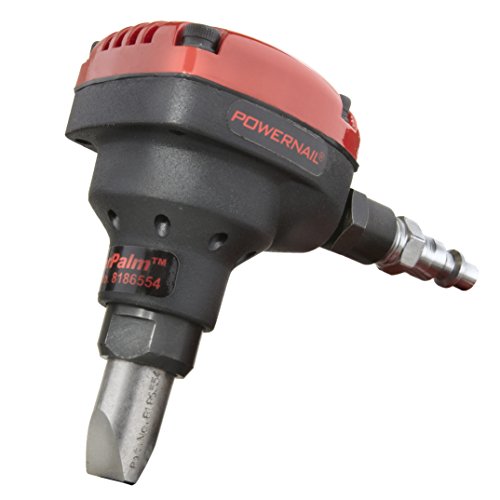
Powernail PALM001 PowerPalm Flooring Cleat Nailer

AEROPRO Palm Nailer with Magnetic Tip
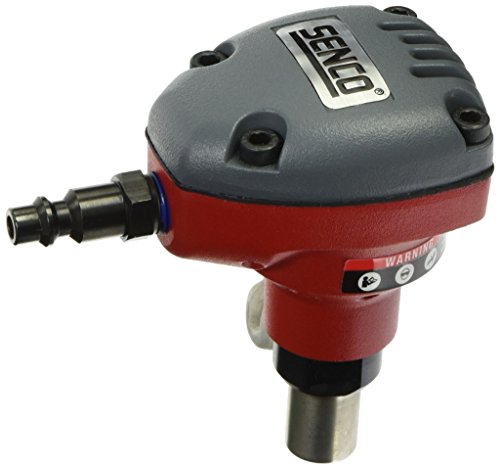
Senco PC1195 Mini Palm Nailer

Freeman G2MPN 2nd Generation Mini Palm Nailer

Milwaukee 2458-21 Cordless Nailer Kit
More On The Choices That Made The List
The Freeman PMPN is the kind of tool that quietly earns its spot in a framer’s bag. It runs on standard shop air, slips over a 6D to 16D nail without fuss, and weighs next to nothing on a long day of joist hangers. Newcomers tend to pick it up and feel productive within minutes, which says a lot about how forgiving the design is.
Where the Freeman really pays off is in repetitive work. You set the air pressure, drop a nail in the magnetic collet, and let the rapid hammer action do the swinging for you. It’s the sort of tool that replaces a wrist-aching afternoon of hammer work with a calmer, faster pace.
Useful Touches
- Drives single nails from 6D through 16D, covering most residential framing and decking tasks
- Rapid hammer cycle reduces the time each nail takes, which adds up over a deck’s worth of fasteners
- Lightweight body keeps forearm fatigue low during overhead ledger board work
- Magnetic nose holds the nail steady so you can aim one-handed in awkward spots
Things To Consider
- Needs a compressor and hose, so a small pancake unit at minimum is part of the deal
- Compressor performance drives results; a weak unit may stall on longer 16D nails in dense lumber
Who It Suits Best
Framing crews, deck builders, and serious DIYers who already own or plan to buy a compressor and want a reliable everyday palm nailer.
Where Another Pick Suits Better
Trim carpenters working far from a compressor will get more done with the cordless Milwaukee 2458-21 kit instead.
Right out of the box, the 3PLUS HMPN50SP feels smaller than expected, which is exactly the point. The die-cast aluminum body drops weight without feeling flimsy, and the magnetic nose is the detail most people notice first. It pulls double duty on fencing, decking, and tight joist hanger pockets, picking up where the Freeman left off if you want a slightly more compact feel.
Compared to the Freeman PMPN, the 3PLUS trades a bit of body for a lighter hand. For overhead work or long sessions of fence-building, that swap feels meaningful. You trade some heft for less fatigue, and most weekend users find that a fair exchange.
Everyday Wins
- Drives bulk nails up to 3-1/2 inches, covering most residential framing scenarios
- Lightweight aluminum construction keeps arm strain low on long jobs
- Magnetic nose holds the fastener steady for one-handed placement in cramped spots
- Reaches bulk nail packaging, which saves you from loading individual nails one at a time
Worth Noting
- Compressed air hose and a compressor are required to operate it
- Compressed air performance depends on the compressor you pair it with; smaller units may struggle on the longest fasteners
Key Specs
Made For
Weekend builders and remodelers who want a light palm nailer for joist hangers, deck work, and fence repairs.
Skip It When
Hardwood flooring installers should look at the Powernail PALM001 instead, since it’s purpose-built for cleat nails.
The Carpenter CMPN90 punches above its weight, literally. Coming in under one pound, it disappears in your palm and lets you angle into spaces where other palm nailers feel bulky. The ergonomic rubber grip is the comfort story here, especially when you’re driving nail after nail in a hard-to-reach corner of a floor joist.
It accepts a wide range of round-head nail sizes, so you can keep one tool for multiple phases of a project. If the previous picks felt a touch heavy in your hand, the CMPN90 is the lighter alternative worth a look.
Strengths Worth Knowing
- Rubber grip stays comfortable during long sessions, which matters on multi-day jobs
- Weighs less than a pound for easy overhead and under-deck work
- Compatible with a wide range of round-head nail sizes and lengths
- Fits into confined areas where swinging a hammer would be impossible
Trade Offs
- Drives faster when paired with a properly sized compressor; smaller units may run out of steam
- Lightweight body feels less substantial than heavier steel-bodied alternatives
Right Fit For
Finish carpenters and remodelers working in cramped attic or basement spaces where every ounce of tool weight adds up.
Look Elsewhere When
Heavy daily framing crews will appreciate the more rugged internals of the Freeman G2MPN 2nd Generation model.
The ASHATA Cordless Nail Hammer takes a different approach. Instead of compressed air, it runs off a rechargeable battery (sold separately) that you may already own if you’re in the Makita LXT ecosystem. The trade-off is portability: no hose, no compressor, no drag on the wrist. For a quick patch job or fence repair away from the shop, that’s a real benefit.
The motor tops out around 14,000 RPM, and the head adjusts through a 90-degree range, which is helpful when you’re driving at odd angles. Compared to the Freeman PMPN, the ASHATA trades raw driving force for grab-and-go freedom. For most trim and light repair work, that trade feels right.
What Works In Its Favor
- Cordless design means no compressor, no hose, and no setup time before you start
- Adjustable head angle (0 to 90 degrees) helps in awkward corner spots
- ABS housing keeps the tool light enough for one-handed use
- Compatible with common 18V batteries you may already own
Points To Note
- Battery is not included, so the total cost adds up if you’re buying one fresh
- Less driving power than a pneumatic palm nailer, so it’s better for light fastening than heavy framing
Key Specs
Best Suited To
DIYers and repair-focused homeowners who already own compatible batteries and need grab-and-go fastening power.
Another Choice May Suit
Contractors driving nails all day will find more consistent performance in a pneumatic model like the Senco PC1195.
The Powernail PALM001 lives in a different category from the rest of the list. Where the other picks drive framing nails into joists, this tool drives L-style and T-style cleats into tongue-and-groove flooring. If you’re installing solid or engineered hardwood, it’s built to blind-nail the first row, the last row, and the awkward transitions where a full-size floor nailer won’t fit.
The angled, magnetic tip rotates to fit into tight spaces, and it can also countersink any cleats that don’t seat cleanly. It’s a specialty tool, but for the right project, it does work that no general-purpose palm nailer can match.
Points In Its Favor
- Drives both 16-gauge and 18-gauge cleats, covering most solid and engineered flooring
- Eliminates most top-nailing on tongue-and-groove floors, leaving a cleaner finished look
- Rotating magnetic tip angles into tight spots at the start and end of a run
- Can countersink unset cleats, saving you a second pass with a nail set
Room For Improvement
- Specialized for cleats, so it doesn’t substitute for a framing palm nailer
- Requires a properly regulated air supply for consistent driving depth
Perfect Match For
Hardwood flooring installers and serious DIYers laying tongue-and-groove floors who need a compact blind-nailing solution.
Not Your Match When
General framing crews should stick with a versatile pneumatic option like the 3PLUS HMPN50SP for joist and deck work.
The AEROPRO Palm Nailer is small in a way that changes how you approach a job. At about 0.8 pounds and 2.8 inches wide, it slides into joist hanger pockets that feel impossible to reach with a standard palm nailer. The heat-treated aluminum housing gives it more drop-resistance than typical lightweights, which matters when you’re working overhead.
It earns its keep in places where a wider body simply won’t fit. Compared to the Carpenter CMPN90, the AEROPRO is even narrower and trades a bit of grip surface for raw access. For tight joist hanger work, that swap is usually worth it.
Everyday Advantages
- 2.8-inch width fits into the tightest joist hanger pockets
- Lightweight at 0.8 pounds, easy to hold aloft for long stretches
- Heat-treated aluminum body adds durability over standard cast housings
- Magnetic tip keeps the nail aligned so you can focus on placement
Honest Caveats
- Small body means less grip area, which can be a comfort issue for larger hands
- Pneumatic operation still requires dragging a hose and compressor to the jobsite
Who Will Love This
Truss builders, deck crews, and remodelers who frequently hit the tight joist hanger corners that defeat wider palm nailers.
Swap It Out When
Anyone wanting cordless freedom for remote repairs will appreciate the Milwaukee 2458-21 more than a hose-bound tool.
Senco has been making pneumatic fastening tools long enough that the PC1195 carries real credibility on a jobsite. It’s a simple, no-frills palm nailer that does one thing well: drive nails in tight spaces. Contractors who already run other Senco gear tend to trust the brand, and this model fits that lineage.
There’s not a lot of fluff here, and that’s the appeal. The body is small, the operation is straightforward, and you can hand it to an apprentice without much coaching. It slots in next to the Freeman picks as a slightly more traditional alternative.
Useful Highlights
- Compact body fits into tight framing pockets where larger tools won’t reach
- Brand reputation for reliable pneumatic performance on professional jobsites
- Simple design means fewer parts to maintain or replace over time
- Pneumatic operation delivers consistent driving power when paired with a good compressor
Points To Keep In Mind
- Limited published specs make it harder to compare against the more detailed picks on this list
- Compressor and air hose required, which adds setup time on smaller jobs
Built With In Mind
Experienced contractors who already trust the Senco brand and want a no-nonsense palm nailer for the truck.
A Better Fit Elsewhere
First-time buyers may prefer the more detailed documentation and broader feature set of the Freeman PMPN.
The Freeman G2MPN takes the original PMPN formula and sharpens it. The internal parts have been reworked for better airflow, which means more driving power with less air consumption. The one-piece hardened steel drive blade is the headline upgrade, since it’s the part that takes the most abuse and tends to wear first on cheaper tools.
For a contractor who runs a palm nailer hard every day, those internals matter. Compared to the original PMPN, the G2MPN feels like the same tool with a longer service life baked in. It’s the right pick when downtime costs you money.
What It Does Well
- Upgraded internals improve airflow, so you get more drive per compressor cycle
- One-piece hardened steel drive blade resists wear better than multi-part designs
- Compatible with 6D through 16D nails, covering most residential framing
- Built for contractor-grade daily use on decking, fencing, and joist hangers
A Few Limitations
- Higher cost than the original PMPN, though the upgrade pays off over time
- Still requires a compressor and hose, just like every pneumatic option here
Key Specs
Whose Shelf It Belongs On
Working contractors and remodelers who use a palm nailer weekly and want the longer-lasting internals.
Reach For A Different Pick When
Occasional DIYers may find the original Freeman PMPN offers the same core function at a friendlier price.
The Milwaukee 2458-21 is the cordless option for people who don’t want to drag a compressor across a job. The 12V platform keeps the tool light at 3.4 pounds, and the included Red Lithium battery, LED work light, magnetic tip, hand strap, and tool bag make it a ready-to-go kit straight out of the box.
It handles 6D through 16D nails, so it covers the same range as the pneumatic picks. The trade-off is hit energy: 2.2 foot-pounds of blow energy will get the job done in soft lumber, but dense hardwoods may ask more of the battery than a compressor-fed tool. For trim, deck repairs, and remote fastening, that compromise usually feels fair.
Useful Strengths
- Cordless design frees you from compressor and hose setup
- LED work light helps in dim joist spaces and basement corners
- Magnetic tip and hand strap come standard, no extra accessory shopping
- Tool bag included for transport between jobs
Some Limits To Know
- 12V platform delivers less driving power than a pneumatic palm nailer in dense lumber
- Heavier than most pneumatic palm nailers, which can wear on you during long sessions
Key Specs
Who Should Grab It
Tradesmen already invested in the Milwaukee 12V ecosystem who need a reliable cordless palm nailer for service calls and remote work.
Consider Something Else When
Full-time framing crews will get faster, more consistent drives from the pneumatic Freeman G2MPN.
What Matters Most Before Choosing a Palm Nailer
Drive Power and Air Supply
A pneumatic palm nailer lives or dies by the compressor feeding it. A small 6-gallon pancake compressor will run most of these tools, but you’ll wait longer between drives and may stall on the longest 16D nails in dense wood. Larger tanks and higher CFM (cubic feet per minute) ratings mean faster cycling and more consistent sinks. Cordless models sidestep the question entirely but trade raw force for portability.
Size, Weight, and Reach
A palm nailer earns its name by fitting in your hand, but there’s a wide range within that category. The lightest picks here dip under a pound, while cordless kits push past three. For overhead work on ledger boards or joist hangers, every ounce counts, and a 2.8-inch body width can mean the difference between fitting in a tight pocket or not.
Nail Compatibility
Most framing palm nailers accept 6D through 16D nails in the 2 to 3-1/2 inch range, which covers the bulk of residential work. The Powernail PALM001 breaks from that pattern because it drives flooring cleats instead, making it a specialty tool rather than a generalist. Match the tool to the fastener you actually plan to use, and double-check collet (the small socket that grips the nail head) compatibility before you commit.
Durability and Service Life
The drive blade takes the brunt of every impact, so a one-piece hardened steel design tends to outlast multi-part blades. Heat-treated aluminum housings resist dents better than basic cast versions. If you use a palm nailer weekly, those small material upgrades usually pay for themselves in fewer replacements.
Key Considerations Across These Picks
Pitfalls Shoppers Hit
A common mistake is buying a palm nailer without confirming compressor compatibility. A tiny 1-gallon compressor simply can’t keep up with a framing palm nailer, and the tool will stall mid-drive on longer nails. Another trap is choosing a specialty tool like the Powernail PALM001 for general framing work, where it won’t drive the fasteners you actually need. Always match the tool to the job, and check that your air supply (or battery platform) can support it.
When Paying More Pays Off
The jump from the original Freeman PMPN to the G2MPN, or from a lightweight to a more rugged model, usually comes down to one thing: internal parts. Upgraded airflow paths and one-piece hardened drive blades hold up better under daily use, which is why contractors tend to spend the difference. For an occasional DIYer, the entry-level models earn their place. For someone who runs the tool every week, the upgrade typically pays back through fewer replacements and less downtime.
Frequently Asked Questions
What size compressor do I need to run a palm nailer?
A 6-gallon pancake compressor with a standard 3/8-inch hose fitting handles most palm nailers for light residential work. For daily use or longer 16D nails in dense lumber, a higher CFM rating reduces stalls and speeds up your work.
Can a palm nailer replace a hammer for framing?
In tight spaces, a palm nailer is faster and easier on your wrist than swinging a hammer. For open framing where a full-size nail gun fits, though, a palm nailer is slower per nail. The two tools cover different parts of the same job.
What’s the difference between a palm nailer and a framing nailer?
A framing nailer is a larger tool that holds a strip of nails and drives them in rapid succession across open framing. A palm nailer is a small, single-nail tool designed for tight spaces where the framing nailer won’t fit. They complement each other on most jobs.
Are cordless palm nailers powerful enough for serious work?
Cordless palm nailers handle trim, deck repairs, and light framing comfortably. For high-volume framing in dense lumber, pneumatic palm nailers still deliver more consistent driving power. Choose based on whether you value portability or maximum force more.
How long do palm nailers typically last?
With basic care, including occasional lubrication and keeping the air supply clean, a quality palm nailer lasts for years of regular use. Models with one-piece hardened drive blades tend to outlast multi-part designs, especially on daily jobsite work.
Bottom Line
The right palm nailer depends on where you work and what you’re driving. Compressor-equipped shops get the most from pneumatic picks like the Freeman G2MPN or Senco PC1195. Crews working away from the shop will lean toward cordless kits like the Milwaukee 2458-21. Hardwood flooring installers need the specialty Powernail PALM001. Match the tool to the job, and the right pick usually becomes obvious once you start listing the nails you actually plan to drive.




