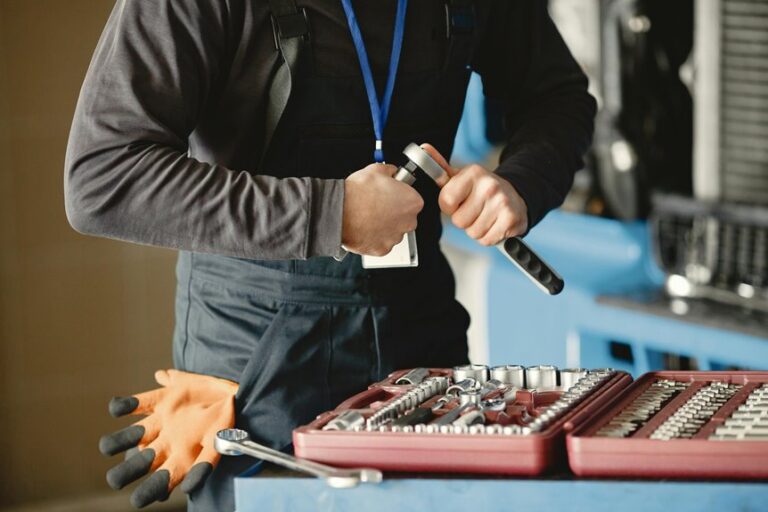
When you’re picking an impact driver for lug nuts, size and power matter more than flashy labels. You want a tool that can break loose tight wheels without chewing up studs or making the job harder than it should be. In most cases, a 1/2-inch drive gives you the best mix of reach, grip, and muscle, but the right choice still depends on your vehicle and the torque you need. The tricky part is knowing where strong ends and too much starts.
What Size Impact Wrench for Lug Nuts?
When you’re picking an impact wrench for lug nuts, size matters more than most people think. You want a 1/2-inch drive for most cars and light trucks because it fits common sockets and gives you the muscle you need without feeling clumsy.
If you ride a motorcycle or work on smaller vehicles, a 3/8-inch drive can fit better. Bigger trucks usually call for 3/4-inch or 1-inch tools. Match the drive to the socket, too, so you don’t fight every job. That fit helps protect wheel studs and lowers thread wear, which keeps your next tire change smoother.
If you choose too small a tool, you’ll feel stuck; too large, and you’ll lose easy control in tight spaces.
How Much Torque Do Lug Nuts Need?
Lug nuts need enough torque to stay tight, but not so much that you strip threads or make the next tire change a battle.
For most passenger cars, you’re usually aiming for about 80 to 150 ft-lbs, and many light trucks sit in a similar range. You should always check your owner’s manual, because wheel threadings and wheel design can change the spec.
If you under-tighten, the wheel can loosen over time.
If you over-tighten, you can damage the studs, warp parts, or fight stubborn nuts later.
Seasonal corrosion can also make lug nuts feel tighter than they are, so you may need extra care during removal.
When you match the right torque, you help keep your ride safe, smooth, and part of the crew.
1/2-Inch vs. 3/8-Inch Drivers
When you compare a 1/2-inch driver with a 3/8-inch driver, torque is the first thing you need to watch.
You’ll usually want the bigger drive for standard lug nuts, but the smaller one can help when tight spaces get in the way.
Torque For Lug Nuts
Torque matters a lot more than most people expect, and that’s especially true if you’re trying to deal with lug nuts on a vehicle. You want enough force to break them free, but not so much that you risk thread damage or crush the wheel studs. With proper torque calibration, you stay in control and protect your gear. Heat effects and rust prevention also matter because hot, corroded hardware can fight back hard.
- Use a wrench with real lug torque, not a screw driver style tool
- Match torque to your vehicle’s spec
- 3/8-inch drivers suit lighter loads only
- 1/2-inch setups fit most cars better
- Stop before stripping starts
That balance helps you work like part of the crew, not against it.
Size And Access
Although both sizes can help you work on lug nuts, the difference between a 1/2-inch drive and a 3/8-inch drive is usually what decides whether the job feels smooth or frustrating.
You’ll usually want the 1/2-inch option when you need stronger reach and fewer clearance issues around wheels, brake parts, and fender edges. It gives you steadier leverage, so the socket stays planted and you don’t fight the tool.
A 3/8-inch drive feels lighter in your hand, and its handle ergonomics can make tight spots easier to manage. That smaller body helps when you’re sliding between spokes or working near crowded hardware.
Still, you should match the drive to the lug size, because a snug fit beats a cramped struggle every time.
What Power Range Works for Most Lug Nuts?
Most lug nuts fall in a power range that’s big enough to break them loose without going overboard, and that sweet spot is usually around 80 to 150 ft-lbs for standard passenger cars. You want enough punch to loosen the nut, but not so much that you stress battery health or push noise levels through the roof. A 1/2-inch tool usually fits this job best, and it gives you room to match the vehicle spec.
- Aim above the lug torque spec.
- Stay near 100 to 500 ft-lbs capacity.
- Use 3/8-inch only for smaller setups.
- Skip 1/4-inch for car wheels.
- Check socket fit before you start.
That way, you’ll feel confident, supported, and ready to work with your crew.
When Is a Cordless Impact Wrench Enough?
You’ll feel confident when the wrench breaks the nut loose without strain, and you won’t need a bigger setup for everyday tire work.
A 1/2-inch cordless model usually fits this job well, especially with the right socket.
Keep an eye on battery maintenance, because weak packs can cut power fast.
Also, pay attention to noise levels, since a calmer tool makes garage work easier on you and everyone nearby.
If your wrench handles removal smoothly and seats nuts without drama, you’re in the sweet spot, and that’s a pretty good place to be.
How Vehicle Type Changes Lug Nut Torque Needs
Your vehicle type changes lug nut torque needs more than many drivers expect, because size, weight, and wheel design all affect how much force the fasteners must hold. You’re not just tightening metal; you’re protecting the wheel, hub, and your peace of mind. Passenger cars usually need less than light trucks, while SUVs and lifted rigs often ask for more because ride height shifts load and leverage. Brake condition also matters, since worn parts can make wheel service feel off.
- Small cars need lighter torque.
- Trucks need stronger holding force.
- SUVs often sit in the middle.
- Heavy vehicles need more capacity.
- Always check your model’s spec.
When you match the job to your vehicle, you fit in with drivers who do things right.
Which Socket Size and Drive Fit Lug Nuts?
You need the socket to match the lug nut exactly, or it won’t seat right and can slip when you apply force.
Then you need the drive size to fit that socket, because a 1/2-inch drive works well for most car lug nuts, while smaller or heavier setups call for different fits.
When you line up both parts, you make the job safer, smoother, and a lot less frustrating.
Socket Size Match
Socket size and drive size need to work together if you want the lug nut job to go smoothly. When you pick the right match, you save time and feel more in control. Use the socket that fits the lug nut snugly, then pair it with the drive your tool can handle. If the fit is off, you’ll fight slippage and damage.
- Check the lug nut before you start.
- Match the socket to the nut head.
- Choose 1/2-inch drive for most cars.
- Use socket adapters only when needed.
- Keep torque calibration in mind for safe removal.
A good match helps you work with confidence, not stress. For small vehicles, a 3/8-inch setup can still belong in your kit, but most passenger cars do better with 1/2-inch gear.
Drive Fit Types
A few simple fit types make a big difference when you’re choosing the right socket for lug nuts.
You need drive compatibility first, because the socket and wrench must lock together without wobble. A 1/2-inch drive fits most car lug nuts well, while 3/8-inch works for smaller vehicles and lighter torque jobs.
If your tool and socket don’t match, use the right adapter types, but keep them short and sturdy so you don’t steal power. For bigger trucks, move up to 3/4-inch or 1-inch drive fit.
Also, check the lug nut head and socket depth, since a snug fit helps you work faster and safer. That little click of a perfect fit feels good.
How to Tell When Your Impact Wrench Is Too Weak
When an impact wrench starts feeling weak, the signs usually show up fast. You’ll notice wrench fatigue when it strains on lug nuts that once came loose easily, and socket wear can make the fit sloppy too. That’s your cue to check the tool before you keep working with the same crew around you.
- It takes longer to crack a nut loose.
- The tool sounds flat, not punchy.
- You feel more vibration in your hands.
- The socket slips or rocks on the lug.
- The wrench stops short under load.
If those clues keep stacking up, your wrench may be below the torque your vehicle needs. A tired tool can still run, but it won’t give you the steady pull you count on.
Safe Ways to Remove Stubborn Lug Nuts
Loosened or not, stubborn lug nuts can turn a simple tire job into a frustrating fight, so start with the safest removal method before you push harder. You should park on level ground, set the brake, and use a breaker bar or impact wrench that matches your lug size.
Next, spray penetrating oil and let it soak. If the nut still grabs, try gentle heat treatment on the nut only, not the wheel. That can break rust loose.
Check for thread locker too, because some shops use it to keep nuts from backing off. Then try steady pressure, not jerks. If one nut resists, work in a star pattern so you don’t twist the wheel.
With patience, you’ll protect the studs and keep the job under control.
Frequently Asked Questions
Can a 1/4-Inch Impact Driver Remove Lug Nuts?
No, a 1/4 inch impact driver is not the right tool for lug nuts. It lacks the torque needed, even with socket adapters. For safer roadside work, use a 1/2 inch impact wrench.
Is an Impact Driver the Same as an Impact Wrench?
No, they are not the same tool. An impact driver is used for screws and fasteners, while an impact wrench provides much higher torque for lug nuts and bolts. In this tool comparison, drive size matters, so choose the one that matches the job.
What Lug Nut Sizes Fit a 3/8-Inch Drive?
You’ll usually use a 3/8 inch drive for smaller lug nuts, especially on motorcycles and scooters. Check the torque chart for the exact socket size, and use an adapter only when the fit is correct. Most standard car lug nuts need a 1/2 inch drive.
Do Motorcycle Lug Nuts Need Less Torque Than Cars?
Yes, motorcycle lug nuts usually need less torque than car lug nuts. Many bikes fall around 30 to 75 ft-lbs, while cars typically require higher torque.
When Should I Use 3/4-Inch or 1-Inch Drive?
Use 3/4-inch or 1-inch drive for heavy towing, large trucks, and oversized lug nuts. For wheel racing, use quick detach setups so you can work fast and stay ready with your crew.