You might wonder if your impact driver has enough power to crack loose lug nuts, and the answer depends on the nut, the car, and the tool setup. Some clean, lightly tightened lug nuts can move with a strong driver and the right socket, but rusty or over-torqued ones often laugh at it. Before you reach for more muscle, it helps to know where a driver ends and the safer option begins.
What Is an Impact Driver?
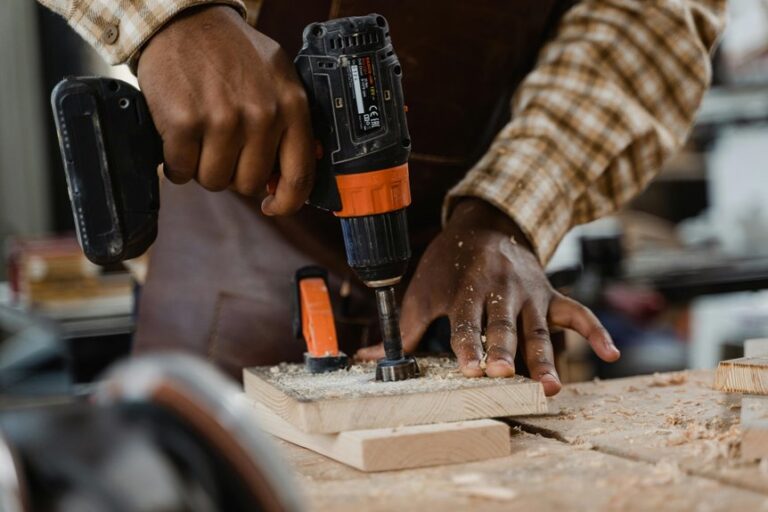
An impact driver is a compact power tool that gives quick, strong bursts of twisting force, so it can drive screws and loosen stubborn fasteners without you having to muscle it by hand. You’ll feel the rhythm in your grip, and that’s part of its charm.
Over time, tool history shows how builders wanted more power in a smaller body, and that push led to the impact driver you use today. Its ergonomic design helps you hold it steady, even during rough jobs, so your hands don’t feel as worn out.
You can use one for decking, framing, and other fast tasks. Because it fits neatly in your toolkit, you can jump into work with confidence and feel like you belong on the job.
Impact Driver vs. Impact Wrench?
You’ll notice the big difference fast: an impact wrench packs more torque, so it’s the better pick when lug nuts are tight, rusty, or stubborn.
An impact driver can still help with lighter jobs, but its smaller size and lower fastening power limit what it can safely break loose.
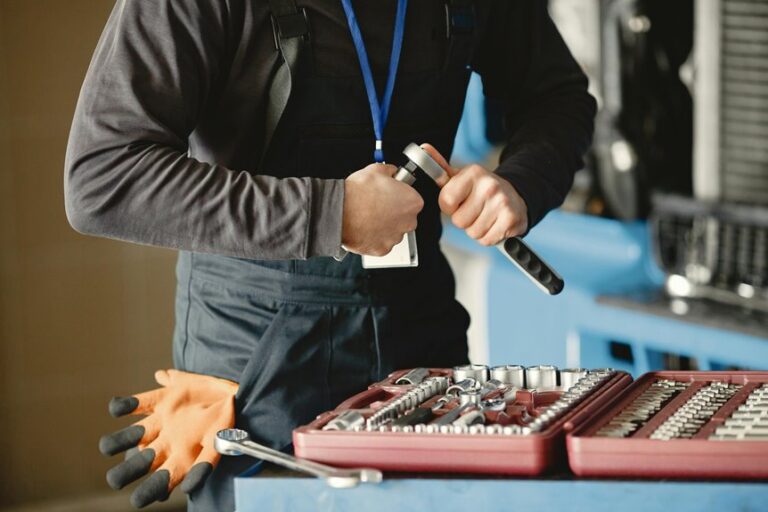
You also need the right socket setup, since impact wrenches and drivers work best with impact-rated sockets that can handle the force.
Torque And Fastening Power
Power matters here, and that’s where the difference between an impact driver and an impact wrench really shows. You’ll feel it in torque testing, where the wrench delivers stronger bursts and keeps going when fastening materials fight back.
An impact driver can still help on lightly tightened lug nuts, especially on smaller cars, but it often taps out when rust or heavy factory torque shows up. That’s why you may loosen easier nuts with confidence and then switch tools when the job gets stubborn.
If you want to stay in control, think of the driver as your quick helper and the wrench as your heavy hitter. Together, they make the work feel less like wrestling and more like teamwork.
Size And Socket Compatibility
Size matters just as much as torque when you start removing lug nuts, and the wrong socket can turn a simple job into a frustrating one.
With socket sizing, you need the right fit so the socket grips the nut fully and doesn’t round it off. Most lug nuts need a 17 mm, 19 mm, or 21 mm socket, so check your vehicle first.
An impact driver can work well with the proper hex-to-square adapter, but adapter compatibility matters because weak adapters can twist or slip.
An impact wrench usually matches wheel work better, since its drive size already fits impact sockets.
You’ll feel more confident when your setup fits cleanly, and that peace of mind can make the whole job smoother and safer.
Can an Impact Driver Remove Lug Nuts?
An impact driver can loosen lug nuts, but only in the right situation. You’ll do best on clean, lightly tightened nuts, especially when your battery is strong and your socket fits snugly.
If you’re facing impact corrosion or thread locker, don’t expect magic. Those forces can outrun a small driver fast.
A 1/4-inch model is really built for screws, not wheel work, so it may stall or chatter. Still, some quality cordless drivers can spin off standard passenger car lug nuts after you break them free a little by hand.
Use impact sockets, steady pressure, and short bursts. If the nuts fight back, switch to an impact wrench and save yourself the wrestling match.
How Much Torque Do Lug Nuts Need?
Most lug nuts need somewhere around 80 to 100 ft-lbs on many passenger vehicles, but your exact number can be higher or lower.
You should always check your vehicle’s spec, since the wrong torque can make a wheel feel loose or hard to remove later.
After that, use a star pattern so you tighten the nuts evenly and keep the wheel seated right.
Recommended Torque Range
When you’re sizing up lug nut torque, the sweet spot matters more than brute force. You want enough clamp to hold the wheel tight, but not so much that you strain studs or warp parts.
Most passenger cars sit in a range of about 80 to 100 ft-lbs, while many light trucks land higher. That range gives you security without inviting trouble from load cycling and overcranking.
If you’re using an impact driver, think of it as a helper, not the final judge. It can spin nuts on and off, but a torque wrench should set the finish.
Start with clean threads, tighten in stages, and follow a star pattern so the wheel seats evenly.
Vehicle-Specific Specs
Vehicle makers don’t all ask for the same lug nut torque, and that’s where things get real fast. You need to check your vehicle torque before you trust any tool. Small cars may call for 80 to 100 ft-lbs, while trucks often need more. Your wheel specifications tell you the exact number, and that number keeps your wheels secure without overdoing it.
| Vehicle type | Typical torque | Check source |
|---|---|---|
| Compact car | 80-90 ft-lbs | Owner’s manual |
| Sedan | 90-100 ft-lbs | Door sticker |
| SUV | 95-120 ft-lbs | Manual |
| Half ton truck | 120-140 ft-lbs | Specs sheet |
When you match the spec, you protect the studs, the wheel, and your peace of mind.
Torque Pattern Importance
Although torque matters, the pattern you use matters just as much, because lug nuts need to tighten down evenly so the wheel sits flat and safe. You’re not just cranking hard; you’re sharing force. That’s why pattern sequencing keeps load distribution balanced and helps you avoid warping the wheel or stressing one stud.
When you snug the nuts, work in a star pattern:
- Tighten one nut, then move across.
- Skip to the opposite side next.
- Keep each nut at the same level.
- Finish with a torque wrench to spec.
Most passenger cars need about 80 to 100 ft-lbs, but your vehicle may ask for more. If you follow the sequence, you fit in with the safe crowd and protect your ride, too.
When Can an Impact Driver Actually Work?
An impact driver can actually work on lug nuts in a few very specific cases, and that’s where it earns its keep.
If your car has lightly tightened lug nuts, a strong 20V model may spin them off fast. You can also get good results when the nuts were already cracked loose by hand.
In that sweet spot, the tool feels like a small win for your garage crew. Just use impact sockets, keep the battery charged, and listen for rising battery heat.
Also, pay attention to noise levels, since the bursts can sound sharp.
For standard passenger cars, quality cordless drivers sometimes handle around 80 to 100 ft-lbs. That means you can save time, stay steady, and avoid extra strain when the job is simple.
Why Most Impact Drivers Fall Short
Most impact drivers fall short because they simply aren’t built for wheel work, and that gap shows up fast once you hit a stubborn lug nut. You may get lucky on a light car, but many tools lack the grip you need.
1. Their 1/4 inch drive favors screws. 2. Their ergonomic design helps comfort, not brute force. 3. Battery degradation can make an already modest tool feel weaker. 4. Rust and over-tightening push them past their comfort zone.
Battery Power and Torque Limits
When you use a cordless impact driver, battery voltage matters because it shapes how much torque the tool can actually deliver. A fresh 20V battery can help you break loose lighter lug nuts, but a weak battery can make the driver feel tired fast, and that’s when it starts losing punch.
Battery Voltage Impact
Battery voltage makes a real difference in how much muscle your impact driver can bring to a lug nut fight. When you choose the right pack, you join the crowd that gets more done with less strain. Higher voltage usually helps the motor stay lively under load, but battery chemistry also matters, because it shapes how well the tool shares power. Watch for voltage sag, since a tired pack can make your driver feel lazy fast.
- Fresh charge keeps speed steadier.
- Better cells hold power longer.
- Lower voltage can slow starts.
- Warm batteries often recover quicker.
Torque Output Limits
Even a strong battery can only push an impact driver so far, and that ceiling matters a lot with lug nuts. You may feel the tool hammer hard, yet torque output still tops out fast. When the battery is fresh, you get better bursts and steadier speed. But battery degradation steals punch, so an older pack can leave a stubborn nut laughing back at you.
That’s why material testing matters. Makers test how much force the driver can send before heat, wear, and voltage drop slow it down. In real use, you’ll notice the limit on rusted or over-tightened lug nuts first. A good driver can help you, but it can’t cheat physics. For the toughest wheel work, you’ll still want more torque than a compact driver can give.
How Rust and Tightness Affect Lug Nuts
Rust and tight lug nuts can turn a simple tire change into a real fight, because corrosion grabs the threads and heat cycles can lock the nut in place far harder than normal. You’re not imagining it when one wheel feels stubborn while the others move.
As corrosion progression spreads, the nut bonds to the stud, and thread galvanization may slow that damage but won’t stop years of grime and water.
- Surface rust starts the grab.
- Deep rust raises resistance fast.
- Over-torque adds extra squeeze.
- Road salt makes it worse.
What Size Socket Works for Lug Nuts?
Finding the right socket size can save you a lot of hassle before you ever touch the lug nuts. You usually need 17mm, 19mm, 21mm, or 22mm, but your car may use a different size. Check your owner’s manual or test a snug fit with each socket sizes option. A loose socket can round the nut, and that’s a fast way to join the roadside club nobody wants.
Use impact-rated sockets, not standard chrome ones, because they handle the force better. If your impact driver or wrench doesn’t match the drive size, wheel adapters can help, but only when they’re rated for the load. Once you find the right fit, you’ll work faster, safer, and with a lot less frustration.
What’s the Safest Way to Loosen Stuck Lug Nuts?
If you’ve already matched the right lug nut socket, the next step is to loosen the nuts without damaging the wheel or hurting yourself. Start by parking on level ground, setting the brake, and wearing gloves with good glove selection for grip.
Keep the tire on the ground while you break the nuts free, because that steadies the wheel and helps you stay in control.
- Spray a little penetrant and wait.
- Use a hand tool first if you can.
- Lift only after the nuts move, and trust hydraulic jacks on firm points.
- Turn each nut a little at a time in a star pattern.
If one fights back, stop and reset. A calm, steady approach keeps you safe and keeps the crew vibe strong.
How Do You Use an Impact Driver Correctly?
To use an impact driver the right way, you need to pick the correct bit or socket so it fits snugly and won’t slip under load.
Then hold the tool straight on the lug nut and keep steady pressure so the bit stays engaged while the driver works.
That simple setup helps you control the tool and gives you a much better chance of loosening the nut without drama.
Select the Right Bit
Choose the right bit and socket setup before you even touch the lug nuts, because the wrong one can slip, round off the nut, or waste your time when you need steady power. Good socket selection helps you feel like part of a crew that knows the job.
- Pick an impact-rated socket, not a chrome one.
- Match the size exactly, so the fit stays tight.
- Use a strong adapter only if it’s rated for impact work.
- Check bit longevity by looking for cracks, burrs, or worn corners.
When the fit is solid, your driver grabs better and you stay in control. That means less wobble, less stress, and more confidence when the lug nuts start to move.
Use Steady Pressure
With the right impact socket locked in place, steady pressure becomes the next move that keeps the job smooth and safe.
You don’t need to muscle the tool or squeeze it like you’re angry at the lug nut. Instead, hold the driver squarely on the nut, brace your stance, and let the hammering action do the work.
Good technique timing matters here, because short pauses can help the bits bite before you add more force. If the nut starts to move, stay calm and keep steady pressure until it breaks free.
Then guide the tool straight so it spins off cleanly. That way, you stay in control, protect the studs, and feel like part of the crew, not the guy fighting the wheel.
When Do You Need an Impact Wrench?
You need an impact wrench when the lug nuts are tighter than a normal impact driver can handle, especially on rusted, seized, or over-torqued wheel nuts. If you’re keeping up with maintenance schedules, you’ll notice when fasteners start fighting back. That’s the moment to step up.
- You feel the driver slow down hard.
- The nut won’t budge after short bursts.
- Corrosion or heat has locked it in place.
- You want fewer strain-filled retries and safer control.
A real impact wrench gives you the extra breakaway force your wheel work needs, so you can stay with the group and get the job done without drama. It also helps when illegal modifications or careless tire work have left the lugs wildly over-tightened. Use the right tool, and the whole task feels calmer.
What Tools Work Better for Lug Nuts?
An impact wrench usually works better for lug nuts, and that matters when the wheel hardware has been on too long or got tightened like it owes someone money. You get stronger breakaway force, so you can join the job without fighting every stubborn stud.
| Tool | Best Use |
|---|---|
| Impact wrench | Rusty or tight lug nuts |
| Impact driver | Lightly snug nuts |
| Torsion adapters | Extra control with less shock |
| Wheel cleaners | Help you see damaged threads |
You can still use a quality impact driver on easy nuts, but it shines less. Choose impact sockets, not shiny chrome pieces, and let short bursts do the work. If the wheel sits dirty, wheel cleaners help you inspect each nut before you turn it. That way, you protect your hands, your wheels, and your confidence.
Which Tool Should You Use for Tire Changes?
For most tire changes, the best tool is a quality impact wrench, not an impact driver. You’ll feel more control, and your crew won’t fight stubborn lugs alone.
- Use a 1/2-inch impact wrench for removal.
- Keep impact sockets close to your wheel storage.
- Check torque monitoring when you reinstall.
- Finish with a torque wrench, not air power.
If your lug nuts are only lightly snug, an impact driver can help. But for rust, tight factory specs, or seized studs, an impact wrench gives you the punch you need.
That means less strain on your hands and more confidence on the road. When you match the tool to the job, tire changes feel smoother, safer, and more like a shared win.
Frequently Asked Questions
Can an Impact Driver Remove Lug Nuts on a Pickup Truck?
Yes, you can, but on a pickup truck you may need a high-torque impact driver, impact-rated sockets, and a bit of patience. Use socket adapters carefully, and keep in mind that rusted or over-torqued lug nuts may still need a true impact wrench.
Will a 1/4-Inch Impact Driver Fit Standard Lug Nut Sockets?
No, a 1/4 inch impact driver usually will not fit standard lug nut sockets directly. You will need a socket adapter or a different drive size, and a 3/8 inch or 1/2 inch tool is usually the better choice.
Do Cordless Impact Drivers Work Better on Warm Lug Nuts?
Yes, warm lug nuts usually come off more easily because heat can loosen corrosion on the threads. You still need a cordless impact driver with enough torque, plus impact rated sockets for safer removal.
Can an Impact Driver Damage Wheel Studs During Removal?
Yes, you can damage wheel studs if you apply too much force. Use short bursts and the correct socket to protect the threads, prevent stripping, and keep the studs in good condition.
Should Lug Nuts Be Retightened With an Impact Driver?
No, you should not retighten lug nuts with an impact driver. It is easy to overtighten them, so check the torque and threads, then finish with a torque wrench so your wheels stay safe and secure.