Choosing a compressor for a garage, trim job, spray setup, or dedicated shop space gets easier once you match tank size, duty cycle, and voltage to the work you actually do. The wrong match wastes space and patience, while the right one feels steady from the first task to the last. This roundup focuses on 220v Air Compressors and close-fit options for serious home shops, contractors, and hobbyists who want dependable airflow without a lot of guesswork.
Quick Look at the Shortlist

DEWALT Air Compressor for Trim DWFP55130

Metabo HPT Quiet Air Compressor EC28M 1 Gallon

Master Airbrush Cool Runner II TC-326T Kit

VEVOR 5HP Air Compressor Electric Motor
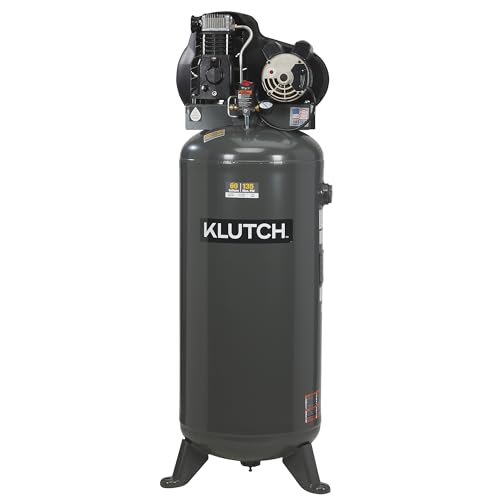
Klutch 60-Gallon Vertical Air Compressor 3.7 HP

Klutch 29-Gallon Air Compressor 2.5 HP

Klutch 20-Gallon Air Compressor 2 HP

VEVOR 20-Gallon Air Compressor 4HP 220V

VEVOR 13-Gallon Air Compressor 2HP
More Details On Our Top Picks
Trim work asks for steady pressure, not drama, and this DEWALT model fits that rhythm well. The 200-PSI max gives you a little headroom for finish carpentry sessions, while the quiet-leaning design suits garages where noise carries into the house. It’s a sensible pick for someone who wants a portable compressor that feels less intrusive than many workshop units.
The trade-off is straightforward, the smaller footprint that helps in tight spaces also means you’re shopping for trim and light pneumatic tasks rather than constant heavy output. Compared with the bulkier Klutch 60-gallon unit later in this list, this one is far easier to move around a home job. That makes it a strong match for you if your projects stay on the lighter, cleaner side.
Strong Points
- Quiet operation suits shared spaces and early starts.
- 200-PSI max gives useful reserve for finish tools.
- Portable size makes storage and transport easier.
- Well matched to trim nailers and light shop tasks.
Things To Consider
- Not built for all-day, high-demand air use.
- Smaller capacity means more frequent cycling on bigger jobs.
- Portable design helps mobility, but it still needs stable placement.
Key Specs
Who It Suits Best
Finish carpenters, trim installers, and home shop users who want a quieter portable unit will get the most from it.
Where A Sibling Pick Shines
The Klutch 29-Gallon Air Compressor 2.5 HP suits you better for broader garage work that needs more tank reserve and longer air delivery.
This Metabo HPT unit is built for tight workspaces where a huge tank would just get in the way. The 59 dB rating matters in plain English: it points to a quieter work session, which is useful in a garage attached to living space or in a small shop with close neighbors. The universal quick coupler also helps you swap tools without fuss.
Its one-gallon tank keeps the profile compact, but that also sets the limit for longer, continuous jobs. Compared with the DEWALT trim compressor, this one leans even harder toward portability and lower noise rather than pressure reserve. You’ll likely appreciate it most for short bursts, brad nailing, and light repair work.
What We Like
- Very low noise suits indoor or shared-space use.
- Compact shape stores neatly on crowded shelves.
- Oil-free design keeps routine maintenance simpler.
- Quick coupler supports faster tool changes.
Minor Gripes
- One-gallon capacity is best for brief tasks.
- Smaller tank means more frequent pauses on longer runs.
- Light-duty format is less suited to hungry air tools.
Feature Snapshot
Made For
Home fixers, hobby woodworkers, and anyone working in a small space will appreciate the easy-going footprint.
Swap It Out When
The Klutch 20-Gallon Air Compressor 2 HP is the better match for you when longer run time and a larger reserve matter more than whisper-quiet output.
Airbrush work lives and dies by control, and this kit is built around that reality. The single-piston compressor keeps the setup straightforward, while the dual cooling fans are there to help the unit run longer before heat becomes a nuisance. The included regulator, water trap, and holder make it feel more complete than the barebones units above it.
You’ll notice the difference most in detail sessions, model work, cake decorating, or craft jobs that need steady, fine output rather than brute force. Compared with the Metabo HPT compact compressor, this one is less about general shop mobility and more about a dedicated precision setup. The honest read is that it makes sense only when your projects are truly in the airbrush lane.
Highlights
- Dual cooling fans support longer sessions with less heat buildup.
- Regulator helps you shape output for delicate spray work.
- Water trap adds a practical layer for cleaner air delivery.
- Included holder keeps the setup more organized on the bench.
Softer Spots
- Specialized design limits its value outside airbrush tasks.
- Bench-focused setup takes more space than pocket-size units.
- Best results depend on keeping the accessories properly arranged.
Details At A Glance
Whose Shelf It Belongs On
You get the most out of it in a craft room or bench setup where detailed spray work is the main event.
A Better Fit Elsewhere
The VEVOR 13-Gallon Air Compressor 2HP fits better for you when you want one machine for airbrushing plus broader garage chores.
This one isn’t a full compressor, it’s the electric motor side of the equation, which matters for shoppers replacing a worn drive or building out a compatible system. The 230V, 25-amp, single-phase setup and 3450 RPM rating point to a serious power component, and the 7/8-inch keyed shaft with 2.25-inch shaft length gives you the compatibility details you need to verify before ordering. That makes it a more technical purchase than the consumer compressors above.
The factory default rotation is CCW, with CW also supported, so matching your existing configuration matters. Compared with the ready-to-go Klutch and VEVOR compressor tanks, this is for a much narrower group: the person repairing or upgrading equipment rather than starting from scratch. In most shops, that means a careful fit check is worth the time.
What We Like
- Clear shaft and frame details help with compatibility checks.
- Single-phase power suits many shop electrical setups.
- Directional options offer flexibility for matched systems.
- Useful for restoration, replacement, or build-out projects.
Points To Note
- Requires exact fit verification before purchase.
- It’s a motor, not a complete compressor package.
- Best suited to users comfortable matching mechanical specs.
Core Details
Right Fit For
Mechanically confident DIYers, repair shops, and equipment rebuilders will benefit most from this kind of replacement motor.
Another Choice May Suit
The Klutch 60-Gallon Vertical Air Compressor 3.7 HP makes more sense for you when you want a complete high-capacity setup instead of a motor-only part.
For a garage that behaves like a real shop, a 60-gallon vertical tank changes the rhythm of the day. It gives you more reserve air, and the vertical shape helps the footprint stay manageable in tighter floor plans, which matters in a packed workshop. The 3.7 HP, single-stage layout makes it clear this pick leans toward steady output rather than compact convenience.
Compared with the DEWALT and Metabo HPT portable units, this Klutch belongs in a fixed spot and stays there. Maintenance-friendly access is a useful detail, because larger compressors are easier to live with when draining and upkeep do not turn into a chore. For serious garage users, it feels like a practical anchor for nailers, impact tools, and other air-hungry jobs.
Positives
- Large tank supports longer work intervals between refills.
- Vertical design helps save floor space in a shop.
- Maintenance access is friendlier than many bulky units.
- Well matched to demanding garage air-tool use.
Areas To Watch
- Stationary format is not meant for frequent moving.
- Big-tank ownership asks for more storage planning.
- Single-stage output suits many tasks, though not every heavy system.
Feature Rundown
The Right Fit
You’ll appreciate this most in a dedicated garage or repair bay where air tools stay in regular rotation.
Where Shoppers Go Wrong
The Klutch 29-Gallon Air Compressor 2.5 HP is the better call for you when you need useful output without committing floor space to a full-size stationary tank.
This Klutch lands in a useful middle zone, bigger than a small portable unit but not as committed as a 60-gallon shop machine. The oil-free, vertical design cuts down on routine maintenance chores, and the large wheels make it easier to reposition around a garage. The 175 PSI max and 5.1 CFM at 90 PSI give you a clearer sense of real pneumatic muscle for nailing and painting.
You may find the tank size especially comfortable for mixed home-shop work, where you want more than a trim compressor without crossing into stationary territory. Compared with the DEWALT unit, it gives you more reserve, and compared with the Klutch 20-gallon model, it offers more breathing room for longer passes. For a lot of garages, that middle ground just makes sense.
Upsides
- Mid-size tank balances reserve air and portability.
- Oil-free build keeps upkeep simpler.
- Large wheels help with repositioning on flat floors.
- Useful for nailing, painting, and general garage work.
Room For Improvement
- Still takes meaningful floor space in smaller shops.
- Moving it is easier than a stationary unit, though not effortless.
- Best for mixed use, not nonstop industrial demand.
At A Glance
Best Suited To
DIYers with a garage shop, part-time painters, and anyone who wants a flexible all-around compressor will feel at home with it.
Look Elsewhere When
The VEVOR 20-Gallon Air Compressor 4HP 220V is the better fit for you when higher output and a quieter steel-tank setup matter more.
A 20-gallon compressor like this sits in a comfortable zone for home shops that need more than a trim unit but do not want a full stationary setup. The 75% duty cycle is worth noticing because duty cycle tells you how long a compressor can run versus rest in typical use, and that matters for repeated tasks. The oil-free vertical design and large wheels also make ownership a little easier.
Compared with the 29-gallon Klutch, you give up some tank reserve, but you gain a smaller footprint that suits tighter garages. For short bursts of shop air, tire work, and light tool duty, it keeps the experience straightforward. That said, longer paint sessions or heavier tools will expose its limits sooner than the larger units in this list.
Reasons To Buy
- Compact-enough footprint for many garages and sheds.
- Oil-free setup lowers routine maintenance needs.
- 75% duty cycle supports repeated use in normal jobs.
- Large wheels improve movement across smooth floors.
Small Caveats
- Smaller tank leaves less reserve than the 29-gallon Klutch.
- Heavier air tools can push it harder during long sessions.
- Vertical storage helps, though the unit still needs clearance.
Technical Sheet
Who Will Love This
You’ll like this most in a small workshop where compact storage and steady light-duty output matter.
A Better Fit Elsewhere
The DEWALT Air Compressor for Trim DWFP55130 is the better match for you if quiet trim work is the main reason you’re shopping.
This VEVOR is built for people who care about output first and still want the noise to stay within reason. The 20-gallon steel tank, 4 HP motor, and 10.6 CFM at 90 PSI point to a compressor that can support more demanding tool use than the lighter picks above. The 78 dB figure is not whisper-level quiet, but it does signal an attempt to stay more civil than many high-output shop machines.
It’s also a 220V 60Hz unit, so it belongs in a setup with the right electrical supply. Compared with the Klutch 29-gallon compressor, this one appears more aggressive on airflow, while the Klutch feels easier to frame as a middle-ground garage tool. For auto repair, spray painting, and tire work, this is the kind of compressor that earns its floor space.
Best Bits
- Strong airflow suits more demanding shop tasks.
- Steel tank adds a more substantial feel in a fixed setup.
- Noise level stays moderate for a high-output machine.
- Good match for auto work and spray applications.
Worth Noting
- 220V setup needs the right electrical arrangement.
- High output can be more compressor than casual users need.
- Steel tank adds weight and takes planning to position.
Feature Card
Who Should Grab It
Auto DIYers, spray-paint users, and serious garage setups will get the most from this output-heavy machine.
Skip It When
The VEVOR 13-Gallon Air Compressor 2HP is the smarter match for you when floor space is tighter and daily tasks are lighter.
This VEVOR feels aimed at the practical garage, the place where you top off tires, run a few woodworking tools, and handle small paint jobs without overcommitting. The 66 dB figure is worth a look because it suggests a quieter working mood than many compressors in this size class, and the oil-free tank keeps routine care simpler. For home use, that mix is easy to live with.
Compared with the larger 20-gallon VEVOR above, this one gives up some muscle but wins back space and easier placement. The 4.6 SCFM at 90 PSI is enough to be useful for common tasks, though not the kind of number you’d chase for heavy repeating air tools. You’ll likely appreciate it most as a general-purpose garage companion that doesn’t feel overbuilt.
Bright Spots
- Quieter operation suits home garages and shared spaces.
- Oil-free tank lowers routine maintenance effort.
- 13-gallon size keeps storage simpler than larger compressors.
- Useful across tires, woodworking, auto tasks, and light spraying.
Honest Caveats
- Smaller tank limits sustained use on heavier tools.
- Best as an all-rounder, not a heavy production machine.
- Still needs a clear spot despite the friendlier footprint.
Quick Facts
Perfect Match For
You’ll get the most from it as a household garage compressor that handles a little bit of everything without taking over the room.
Where A Sibling Pick Shines
The Klutch 29-Gallon Air Compressor 2.5 HP is the better call for you when you want more reserve air for longer tool runs.
How To Choose The Right 220v Air Compressors
Start With Your Tools, Not The Tank
The right compressor starts with the tools you already use. Finish nailers, airbrush gear, impact tools, and spray guns place very different demands on airflow, pressure, and runtime, so the label on the tank only tells part of the story.
CFM, or cubic feet per minute, measures how much air a compressor can move. Higher CFM matters more for tools that run continuously, while a trim nailer can get by with far less than a spray setup or a busy garage wrench.
Voltage And Site Setup Matter
A true 220V unit belongs in a space with the right circuit and plug arrangement. That makes it a better fit for a dedicated shop or garage than a casual corner with limited power.
Some picks in this roundup are 120V, and that difference changes convenience a lot. A 220V compressor usually asks for more planning, but it often rewards you with stronger output and a better match for repeated work.
Tank Size Shapes The Workday
Smaller tanks are easier to place and move, yet they refill more often. Larger tanks hold more reserve air, which helps during sanding, painting, or any task that benefits from longer uninterrupted bursts.
Vertical tanks save floor space, which matters in crowded garages. Horizontal or portable units can be easier to position on carts or in truck beds, so the right shape depends on how fixed your workspace really is.
Noise, Maintenance, And Duty Cycle
Noise level matters more than many shoppers expect, especially in home garages or enclosed work areas. A quieter compressor can make a long project feel much less tiring, even when the power level stays the same.
Oil-free designs usually simplify upkeep, while duty cycle tells you how long the machine can run before it needs a break. For repeated weekend projects, those details often matter just as much as horsepower.
Things Worth Knowing Before You Commit
Wrong Turns To Avoid
One common mistake is chasing horsepower alone and ignoring CFM at working pressure. That can leave you with a machine that sounds strong on paper but struggles once your tool starts drawing real air.
Another slip is overlooking the room the compressor needs around it. A big tank in a cramped garage can become annoying fast, especially once you add hoses, storage bins, and a way to drain moisture.
The Upgrade Payoff
Higher-tier compressors usually cost more because they bring larger tanks, stronger airflow, quieter housings, or more durable construction. Replacement motors and larger stationary units also ask for more specific parts and tighter manufacturing tolerances.
The upgrade makes sense for you when you work often, use air-hungry tools, or want the compressor to feel less like a compromise. For occasional inflation and light trim tasks, the extra capacity can be more machine than you need.
Frequently Asked Questions
What does 220V mean for a compressor?
It means the compressor is meant for a higher-voltage power supply than a standard household 120V plug. That usually suits a dedicated garage or shop setup better.
Is a larger tank always better?
No, a larger tank gives you more reserve air, but it also takes more room and usually weighs more. For short trim work, a smaller unit can be a smarter fit.
Why does SCFM matter so much?
SCFM shows how much air the compressor can deliver at a given pressure. That number helps you judge whether the unit can keep up with your tools during real use.
Are oil-free compressors easier to maintain?
Usually, yes, because you skip routine oil checks and changes. The trade-off is that some oil-free models can run louder or feel less suited to very long sessions.
Which size works best for a home garage?
A 20- to 30-gallon compressor suits many home garages because it balances reserve air and footprint. Smaller options work well for trim and inflation, while larger tanks fit more demanding tool use.
Closing Thoughts
You’ll get the best result by matching voltage, tank size, and airflow to the work in front of you, not the most impressive number on the page. Quiet portable models make sense for trim and light repair, while larger 220V units earn their place in serious garages and fixed shops. The right pick should feel like part of your workspace, not a constant obstacle, and that balance matters more than any single spec.