


Mobile internet can be a lifeline on the road, at a cabin, or in a home that still needs a backup connection. The right 4g router turns a SIM card into shared Wi-Fi, which means your laptop, phone, tablet, and streaming gear stay connected through one device instead of juggling hotspots. Some of these picks lean portable, some are built for RVs or outdoor installs, and a few suit a desk or home network with more flexibility.
You’ll also see clear trade-offs here, because 4g routers are never one-note. Battery life, antenna design, carrier fit, and software control all change how useful they feel in real life.
The Shortlist At A Glance

GL.iNet GL-E750V2 MUDI 4G LTE Portable Travel Router

GL.iNet GL-BE6500 Flint 3e Wi-Fi 7 Router
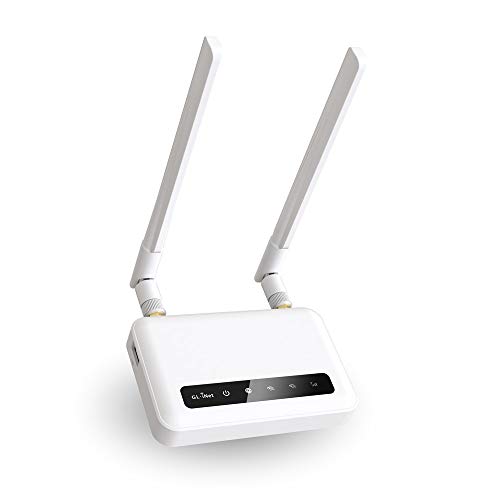
GL-X750V2 Spitz 4G LTE VPN Router

Cudy Outdoor 4G LTE Cat 4 Modem Router LT500 Outdoor

Unlocked 4G LTE Mobile WiFi Router for Global Travel

GL.iNet GL-XE300 Puli 4G LTE Industrial Router

GL.iNet GL-X2000 Spitz Plus 4G LTE CAT 12 Wi-Fi 6 Dual-SIM Router

NETGEAR Mobile WiFi Hotspot AC797-100NAS
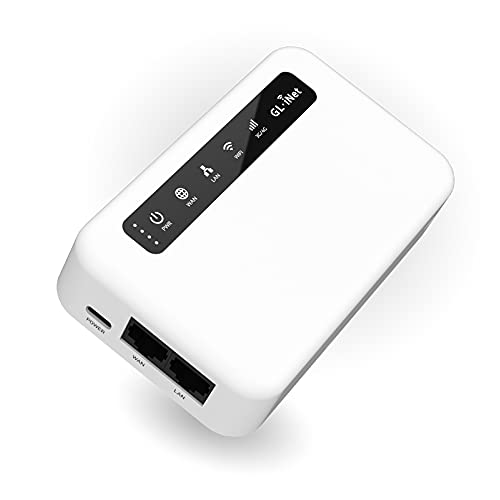
GL.iNet GL-XE300 Puli 4G LTE Mobile Smart VPN Router
More Details On Our Top Picks
The MUDI leans into travel convenience in a way the larger home-style picks in this list do not. A 7000mAh battery, pocket size, and 285g weight make it easier to carry through airports, hotels, or a long day in transit, and the SIM slot keeps your connection self-contained.
Its Wi-Fi speeds are split across 2.4GHz and 5GHz bands, so you get a more flexible setup than a bare-bones hotspot. The trade-off is obvious, it’s built for portability first, not for replacing a full household gateway.
Highlights
- Battery power helps you stay online during travel days without hunting for an outlet.
- Dual-band Wi-Fi gives you more room to separate lighter devices from heavier ones.
- The compact shell makes it easy to slip into a day bag or carry-on pocket.
- OpenWrt support gives you room for more advanced network control than basic hotspots allow.
- The SIM slot keeps the setup tidy for hotels, rides, and temporary workspaces.
Things To Consider
- The battery-driven design suits mobile use better than all-day household coverage.
- Owners who carry it daily may want a protective pouch, since small travel gear gets tossed around.
Feature Rundown
Who It Suits Best
Road warriors, frequent hotel guests, and remote workers who want a compact SIM-based router will get the most from it.
A Better Fit Elsewhere
GL.iNet GL-X2000 Spitz Plus 4G LTE CAT 12 Wi-Fi 6 Dual-SIM Router fits better for a home base or RV setup that needs more network headroom.
After the portable MUDI, this one shifts into full home-network territory. Wi-Fi 7, MLO, and 4K-QAM point to a router built for more demanding wireless loads, which matters in houses where gaming, 4K streaming, and video calls happen at the same time.
The catch is simple, this is not the grab-and-go option in the group. You’re getting a more stationary setup that makes sense for a main router, especially in a busy household where stability matters as much as raw speed.
What We Like
- Wi-Fi 7 support gives you a current-generation base for newer phones, laptops, and media gear.
- MLO can help spread traffic across more than one band, which is useful in crowded homes.
- 4K-QAM raises data density, a good fit for heavy video and fast local transfers.
- VPN support adds privacy-oriented routing without forcing a separate appliance.
- It suits a main living-space router better than the travel-focused models above it.
Room For Improvement
- Its strengths matter most in a fixed home setup, not in a backpack or car.
- Newer wireless features help only when your devices can actually use them.
Core Details
Who Will Love This
Home users who want a serious router for gaming, streaming, and everyday family traffic will appreciate the feature set.
Swap It Out When
GL.iNet GL-E750V2 MUDI 4G LTE Portable Travel Router is the better match for travelers who need a battery-powered unit instead of a fixed home router.
The Spitz feels like a utility-first router for places where the connection has to keep working, especially RVs, rural homes, and offshore setups. Compared with the E750V2, it trades portability for a more installation-ready body with detachable antennas, two Ethernet ports, and a microSD slot.
OpenWrt and VPN support give you room to shape the network the way you want, and that matters for tinkerers or small setups with unusual needs. The honest read is that carrier and location can still shape real-world speed, so the hardware flexibility matters more than flashy numbers.
Bright Spots
- Detachable antennas help you position the system for better reception in tricky spots.
- OpenWrt opens the door to deeper configuration than a closed consumer router.
- Dual-band Wi-Fi and Ethernet ports give you mixed wireless and wired options.
- The microSD slot adds useful local storage for small projects and router-based experiments.
- It is a sensible fallback unit for travel rigs and rural installs where flexibility matters.
Softer Spots
- It is more of a placement-and-setup device than a pocketable travel companion.
- Reported speeds can vary a lot with carrier coverage and location.
- North America-only positioning makes it a narrower fit than some global options here.
Spec Overview
Right Fit For
RV owners, small-office tinkerers, and rural households that want a configurable 4G router will get the most out of it.
Another Choice May Suit
NETGEAR Mobile WiFi Hotspot AC797-100NAS suits a simpler shared hotspot role for people who do not need this level of configuration.
Outdoor installs need more than basic hotspot convenience, and that’s where the LT500 Outdoor stands apart from the travel picks above. IP65 protection, passive PoE, and pole or wall mounting point to a router designed for exposed placement rather than desk duty.
You may find it especially useful on a detached garage, yard office, or perimeter camera setup where the cabling and mounting matter as much as the connection itself. Compared with the GL.iNet portable models, this one is clearly built for fixed positioning and weather tolerance.
Reasons To Buy
- IP65-rated housing suits outdoor placement where dust and water exposure are a concern.
- Passive PoE can simplify installation by sending power and data over one line.
- Detachable antennas give you some flexibility in how you aim the signal.
- DDNS and VPN support make it friendlier for remote access and network control.
- Pole or wall mounting helps it fit real outdoor layouts instead of sitting loose on a shelf.
Points To Note
- Outdoor hardware asks for more careful mounting and cable planning than indoor units.
- The fixed-install nature makes it a poor substitute for a pocket hotspot.
Feature Card
The Right Fit
Property owners, installers, and anyone placing network gear outdoors will appreciate the mounting and weather-focused design.
Where A Sibling Pick Shines
GL.iNet GL-E750V2 MUDI 4G LTE Portable Travel Router suits travelers better, since its battery and pocket size matter more on the move.
This Bewinner unit stays very simple, which suits short trips and occasional backup use. The 150Mbps class and support for up to 10 connected users make it feel more like a basic shared travel hotspot than a full network hub.
The biggest caution is regional fit, because the listing excludes the Americas. That makes it a better fit for international travel than for someone who wants a universal grab-and-go router.
Upsides
- Small travel shape keeps packing easy for hotel stays and vacation bags.
- Shared access for up to 10 users works for light group use.
- Its straightforward role can suit camping or holiday homes with modest needs.
- Windows, Linux, and common laptop use cases are covered in the source details.
Small Caveats
- Regional restrictions matter a lot here, so double-check carrier and country fit.
- 150Mbps class hardware is better for basic browsing than heavy household streaming.
- The return-path notes in the source are plain, so setup expectations should stay practical.
Technical Sheet
Whose Shelf It Belongs On
Travelers outside the Americas who want a plain hotspot for casual use will be the best match.
Skip It When
GL.iNet GL-X2000 Spitz Plus 4G LTE CAT 12 Wi-Fi 6 Dual-SIM Router is the smarter route for multi-carrier flexibility and a more demanding home or RV setup.
The Puli feels more like a small network platform than a casual hotspot. OpenWrt, dual Ethernet, USB 2.0, and a 5000mAh battery give it a broad role, especially in places where wired gear still matters and the cellular connection is only part of the story.
Compared with the pocketable MUDI, this one leans into a more utility-driven shape that suits vehicle installs, temporary workspaces, and field projects. That extra flexibility is useful, but it also means you’re buying into a more involved setup than the simpler travel units.
Best Bits
- OpenWrt support gives you wide room for network tuning and DIY-style changes.
- The battery helps during brief outages or moving between locations.
- Dual Ethernet ports make it easier to connect wired equipment alongside wireless gear.
- USB 2.0 adds another path for storage or add-on accessories.
- The industrial lean makes sense for pro-style installs and recurring field use.
Areas To Watch
- Its extra flexibility can bring extra setup time, especially for casual users.
- The battery is useful, though it will not replace mains power for long stretches.
- Industrial shape and feature density can feel like too much for a simple hotel stay.
Details At A Glance
Built With In Mind
Field technicians, DIY network hobbyists, and mobile work setups that need wired and wireless options will feel at home here.
Look Elsewhere When
Bewinner’s Unlocked 4G LTE Mobile WiFi Router for Global Travel is simpler for someone who only wants a light travel hotspot.
The Spitz Plus pushes further than the earlier GL.iNet travel models by adding Wi-Fi 6, dual SIM support, and CAT 12 cellular hardware. That makes it a stronger fit for homes, RVs, road trips, or offices that need more resilience from the connection path.
Dual-SIM support matters more than it sounds, because it gives you another carrier path to work with rather than relying on a single line. The trade-off is that this level of flexibility usually makes the unit more specialized, so it shines best in setups that actually need redundancy.
Strong Points
- Dual-SIM design gives you another way to keep service going through carrier changes.
- Wi-Fi 6 helps modern phones and laptops share the network more smoothly.
- Detachable antennas make placement and reception tuning easier.
- OpenWrt VPN support suits homes, RVs, and office-style routing needs.
- The category fit is broad, so it can play a central role in several environments.
Honest Caveats
- Its feature set makes more sense in multi-device setups than for a lone travel phone.
- North America-only positioning narrows the use case for some international travelers.
Feature Snapshot
Perfect Match For
Households, road travelers, and small offices that want a stronger 4G backbone with backup carrier flexibility will get the most value.
Where A Sibling Pick Shines
GL.iNet GL-E750V2 MUDI 4G LTE Portable Travel Router suits solo travel better, since battery portability matters more than dual-SIM complexity there.
This renewed NETGEAR hotspot sits closer to the simple end of the scale, which is a relief for anyone who just wants a compact shared connection. The 400Mbps download figure and support for up to 15 devices make it more capable than a basic phone hotspot, while still staying easy to understand.
It only works with GSM carriers like AT&T, so carrier fit matters just as much as the hardware. That makes it a sensible backup unit for households already inside that ecosystem, but less useful for shoppers who need broad carrier freedom.
What We Like
- Compact hotspot format makes it easy to stash in a bag or drawer.
- Up to 15 connected devices suits small groups or family use.
- 400Mbps download capability gives it more headroom than entry-level pocket units.
- The device role is easy to grasp, which helps less technical users.
Worth Noting
- Carrier compatibility is narrow, so check your service match first.
- Renewed gear can be a practical path, though cosmetic condition can vary by listing.
Quick Facts
Who Should Grab It
GSM users who want a simple, compact hotspot for backup internet or light shared use will be the best match.
Reach For A Different Pick When
GL.iNet GL-X2000 Spitz Plus 4G LTE CAT 12 Wi-Fi 6 Dual-SIM Router is the better fit for households that want more carrier flexibility and a broader router feature set.
This Puli version sits close to the industrial model above, but its wording pushes more toward travel and fallback networking. The built-in OpenWrt platform, 5000mAh battery, dual Ethernet, and USB 2.0 make it adaptable for cars, temporary work spots, and router-as-hub projects.
It also offers access point, extender, and WDS modes, which broadens how you can place it in a network. The trade-off is that the many modes are useful only when you enjoy a more hands-on setup, so casual hotspot users may find it busier than they need.
Positives
- Multiple operating modes give you more ways to fit it into an existing network.
- OpenWrt support makes it friendly for DIY networking and custom tweaks.
- The 5000mAh battery helps during moves between vehicles, rooms, or job sites.
- Dual Ethernet ports support wired gear alongside wireless devices.
- It works as a practical mobile fallback when fixed internet drops out.
Minor Gripes
- The many modes can feel complex for someone who only needs a simple hotspot.
- Battery-powered use is helpful, though long sessions still favor a plugged-in setup.
Core Details
Who It Suits Best
DIY network users, mobile workers, and travelers who want more than a basic hotspot will appreciate the flexibility.
Where Another Pick Suits Better
NETGEAR Mobile WiFi Hotspot AC797-100NAS is the easier fit for someone who wants a simpler, more contained hotspot experience.
How To Choose The Right 4g Routers
Connection Type Comes First
Your first question is not speed, it’s how the router connects and where it can actually live. A battery-powered travel unit like the GL.iNet GL-E750V2 MUDI makes sense for trains, hotels, and carry-on use, while a fixed outdoor unit like the Cudy LT500 Outdoor belongs on a wall or pole.
SIM slot design, carrier compatibility, and antenna layout matter because they shape the network before any device joins it. A router with dual SIM support or detachable antennas gives you more room to work with weak signals and changing locations.
Match The Form Factor To The Job
Portable hotspot-style units are best for solo work, small group trips, and backup internet during outages. Larger router-style models fit homes, RVs, offices, or outdoor installs where a stable setup matters more than pocket size.
OpenWrt, Ethernet ports, and mounting options are signs that a model expects a more involved install. That extra flexibility is useful, but it also means more setup time and more chances to overbuy for a simple use case.
Speed Matters, But So Does Traffic Shape
Raw speed only tells part of the story. A 4G router that handles a few laptops, streaming boxes, or cameras smoothly can feel better than a faster model that struggles with multiple users or uneven coverage.
Wi-Fi 6, Wi-Fi 7, MLO, and CAT 12 all point to better handling of modern wireless traffic, though your connected devices need to support those gains. For a family home or a shared workspace, that added headroom can be worth it.
Software Control Decides How Far You Can Go
OpenWrt support is a major plus for tinkerers, remote workers, and anyone who wants routing, VPN, or network rules beyond a basic app. In exchange, you usually get more setup work and a steeper learning curve.
For straightforward use, a simpler hotspot can be easier to live with. For a cabin, RV, or field rig, the extra control can be the difference between a temporary workaround and a network that feels settled.
Things Worth Knowing First
Mistakes Worth Dodging
One common misstep is buying a travel hotspot for a fixed location that really needs antennas, Ethernet, or wall mounting. Another is ignoring carrier limits, which can turn a decent-looking router into a poor match for your plan.
Regional restrictions matter too. A model built for North America or one specific carrier family can be a great fit in the right setting and a frustrating mismatch everywhere else.
The Upgrade Payoff
Higher-tier 4G routers usually cost more because they add stronger radios, better antenna options, dual-SIM redundancy, and more advanced software. Those details help when the connection has to stay steady across several devices or a tricky location.
Spending up makes the most sense for a home base, RV, outdoor install, or work setup where downtime feels expensive in time and hassle. For light travel browsing, a simpler unit often makes more sense.
Frequently Asked Questions
Can a 4G router replace home internet?
It can work as a main connection in some homes, especially where wired service is limited. Data plan limits and carrier coverage still shape whether it feels practical day to day.
What is the difference between a hotspot and a 4G router?
A hotspot is usually the simpler, more mobile version. A 4G router often adds Ethernet, stronger Wi-Fi control, or better antenna options.
Do dual-SIM routers matter?
They matter most when you want backup across carriers or need more flexibility in spotty coverage. That extra layer is less useful for very casual use.
Is OpenWrt hard to use?
OpenWrt gives you deeper control, which is great for experienced setup work. It can feel busy at first, especially compared with a basic consumer interface.
What should you check before travel?
Check carrier compatibility, regional support, and whether the device uses a battery or needs constant power. That keeps you from packing a router that does not match the trip.
Closing Thoughts
The right 4G router depends less on a headline speed and more on how you live with it. Travel days call for battery life and pocket size, home use benefits from Wi-Fi 7 or Wi-Fi 6 headroom, and outdoor or RV setups need antennas, Ethernet, and a sturdier shell. Once you match the form factor to the setting, the shortlist gets a lot easier to narrow. Keep the carrier fit straight, and the rest starts to fall into place.




