


Setting up a home lab, a small office closet, or a media corner gets easier once your gear stops living in a pile. A well-chosen wall rack keeps patch panels, switches, and compact servers off the floor, which helps your setup feel calmer and usually easier to service. The challenge is matching depth, load, and openness to the space you actually have. That’s where this roundup helps.
Quick Look At The Shortlist

ECHOGEAR 10U Network Rack 4 Post Wall Mountable Open Frame

Mofangtech 4U 19 Inches Cold Rolled Steel Wall Mount Vertical Rack

Monoprice 4U Wall Mount Rack 19-Inch Bracket 7in x 19in x 12in

JINGCHENGMEI 4U19 Inch Vertical Wall Mount Patch Panel Bracket 4U150

Tecmojo 6U Wall Mount Server Cabinet IT Network Rack Enclosure
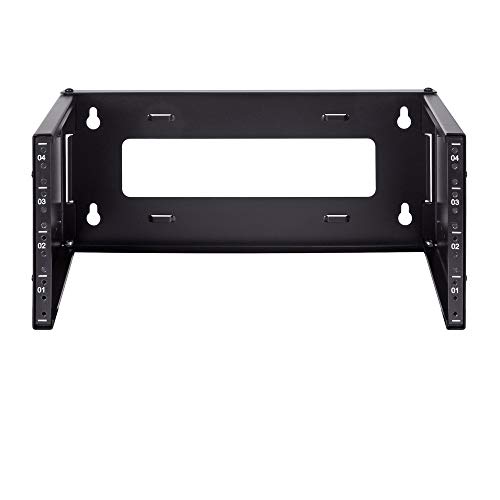
NavePoint 4U Patch Panel Bracket Wall Mount Rack 9.5 to 15.5 Mounting Depth

StarTech 4U 2-Post Wall-Mount Open Frame Network Rack 12-18in Adjustable Depth

JINGCHENGMEI 4U Vertical Wall Mount Rack 19 Steel Under Desk Bracket 4U90

RIVECO 4U Wall Mount Rack for Network Reinforced Heavy Load 66-99 LBS
More Details On Our Top Picks
The open-frame layout makes this rack feel easy to work around, especially in a small office or home lab where cable access matters. Because it uses a four-post structure and includes two vented 1U shelves, it suits mixed gear better than a bare bracket-style mount. You also get mounting hardware in the package, which keeps the first install from turning into a scavenger hunt.
Compared with the simpler Mofangtech and Monoprice options, this one gives you more room for layered equipment and a tidier final layout. The trade-off is that an open frame leaves your gear exposed, so dust and accidental bumps stay part of the equation. For AV stacks, switches, and compact network gear, that’s still a very workable balance.
Strong Points
- Four-post structure feels steadier for stacked equipment.
- Two vented shelves add practical staging space.
- Open access helps during cable changes and upgrades.
- Included hardware simplifies the first install.
- Works well for mixed AV and network gear in tighter rooms.
Things To Consider
- Open sides leave components more exposed than enclosed cabinets.
- Dust management takes a little more attention over time.
- It suits a planning-minded setup more than a plug-and-forget closet.
Feature Snapshot
Who It Suits Best
Home lab users, small-office admins, and AV setups with several components benefit most from this style.
A Better Fit Elsewhere
Monoprice 4U Wall Mount Rack 19-Inch Bracket 7in x 19in x 12in suits you better when you want a simpler bracket for lighter network gear.
Sometimes the cleanest answer is the least fussy one, and this Mofangtech rack fits that idea well. It arrives fully assembled, so you can move straight to mounting your equipment instead of spending an evening on setup. The cold-rolled steel body should suit basic network hardware, patching gear, and smaller installs that value simplicity over extras.
Against the ECHOGEAR pick, it gives you far less flexibility, but it also keeps the shape straightforward for a basic wall layout. The honest read is that this works best in a utility room, closet, or office corner where you just want a secure vertical anchor. Cage screws and nuts are included, which makes the mounting side feel more complete.
What We Like
- Arrives assembled, which trims setup time.
- Steel construction suits everyday network use.
- Included cage screws and nuts help with mounting.
- Simple vertical format keeps the footprint tidy.
Minor Gripes
- Less adaptable than adjustable open-frame racks.
- Best for basic gear, not sprawling equipment stacks.
- Plain design gives you fewer built-in extras.
Core Details
Right Fit For
You’ll appreciate this most as a straightforward rack for a small network closet or a first rack install.
Another Choice May Suit
StarTech 4U 2-Post Wall-Mount Open Frame Network Rack 12-18in Adjustable Depth suits you better when depth adjustment and rail detail matter more.
Mounting flexibility is the hook here. This Monoprice bracket can go on standard 16-inch on-center studs or on brick and cement walls, so it fits more real rooms than a one-surface rack. That matters in basements, utility spaces, and older buildings where the wall material changes the whole install plan.
Compared with the Mofangtech rack, this one feels more adaptable to the building itself, not just the gear. The stated 40-pound limit means it makes more sense for patch panels, switches, and lighter IT pieces than for a dense hardware stack. That restraint is actually useful, because it keeps expectations realistic.
Upsides
- Fits both stud walls and masonry surfaces.
- Useful for patch panels and lighter network gear.
- Compact bracket form keeps wall clutter low.
- Dimensions are easy to plan around.
Areas To Watch
- Load limit makes it better for lighter setups.
- Bracket format offers less enclosure than cabinet-style racks.
- Best results depend on solid wall anchoring.
Details At A Glance
Whose Shelf It Belongs On
Network setups in basements, retrofit rooms, and other mixed-surface spaces suit you well here.
Look Elsewhere When
JINGCHENGMEI 4U19 Inch Vertical Wall Mount Patch Panel Bracket 4U150 suits you better when you want a heavier steel build for more demanding loads.
Load capacity is the big story here, and that changes the conversation right away. The 125-pound rating gives this JINGCHENGMEI bracket a stronger workhorse profile than the lighter Monoprice option, so heavier gear stacks feel more realistic. EIA-310 compliance means it follows a common 19-inch rack sizing standard, which matters when your equipment needs to line up cleanly.
For server closets, AV corners, and mixed hardware zones, that sturdier profile can be reassuring. The trade-off is that a heavier-duty bracket tends to make sense only when you truly need the capacity, since the build is more bare-bones than a cabinet. The honest read is that this is a serious utility piece, not a decorative one.
Reasons To Buy
- Higher stated load rating supports heavier setups.
- EIA-310 sizing helps with standard 19-inch gear.
- Solid steel construction suits long-term fixed installs.
- Good fit for patch panels and dense equipment rows.
Small Caveats
- Utility-first look leaves little room for refinement.
- Best value shows up only with heavier gear.
- Open bracket format still exposes components.
Spec Overview
Best Suited To
You’ll get the most from this in a rack room, workshop, or other spot where strength matters more than looks.
Where A Sibling Pick Shines
NavePoint 4U Patch Panel Bracket Wall Mount Rack 9.5 to 15.5 Mounting Depth works better for you when variable depth matters more than brute capacity.
Once you move from open brackets to a cabinet, the whole feel changes. Tecmojo gives you side panels, a lockable glass door, and a cooling fan, so the setup is better suited to spaces where you want gear tucked away and visually cleaner. The 450mm depth also gives you a clearer target for planning standard 19-inch IT and AV equipment.
Compared with the open ECHOGEAR and StarTech options, this one brings more enclosure and a more finished appearance. The trade-off is extra bulk, so it makes the most sense in a dedicated room or office wall rather than a cramped corner. For a polished install, that added structure can be worth the space it takes.
Highlights
- Enclosed cabinet design keeps gear tucked away.
- Lockable front door adds a practical access layer.
- Side panels and fan support a cleaner install.
- 450mm depth suits many standard components.
- Good match for office or studio walls.
Worth Noting
- Cabinet form takes more wall space than open racks.
- Heavier enclosure style is less flexible in tight rooms.
- Glass door means you’ll want careful handling during setup.
Core Details
Built With In Mind
You’ll like this most for a studio wall, office closet, or any setup that benefits from a neater front face.
Skip It When
StarTech 4U 2-Post Wall-Mount Open Frame Network Rack 12-18in Adjustable Depth makes more sense when you want open access and lighter visual bulk.
Adjustable depth is the feature that makes this NavePoint rack stand out in a practical way. The mounting range from 9.5 inches to 15.5 inches gives you more room to fit different gear depths, which helps a lot when your switches, panels, or small servers don’t all share the same footprint. It stays fairly compact while still giving you room to work.
Compared with the Monoprice bracket, the adjustable span is the main reason to look here first. That flexibility also means the rack can feel a little more involved to plan, because you’ll want to measure your gear before hanging it. For mixed-depth setups, though, that extra planning usually pays off.
Bright Spots
- Adjustable mounting depth adds real flexibility.
- Compact shape works well in tight wall spaces.
- Good fit for patch panels and small network hardware.
- 40-pound capacity suits modest rack builds.
Points To Note
- Depth range requires more upfront measuring.
- Not built for heavier, enclosure-style installs.
- Open form leaves gear exposed to dust and contact.
Feature Rundown
Who Should Grab It
You’ll suit this well in a mixed-depth network closet where measurement matters more than enclosure.
Reach For A Different Pick When
RIVECO 4U Wall Mount Rack for Network Reinforced Heavy Load 66-99 LBS works better for you when the gear stack is heavier and the mounting style needs more versatility.
StarTech takes a more structured route than the softer bracket-style picks. You get adjustable depth from 12 inches to 18 inches, a dual-position 12-inch shelf, 10-32 tapped rails, and solid steel construction, so this rack speaks to people who want the hardware layout to feel deliberate. That tapped-rail setup is handy because it gives threaded mounting points, which helps equipment fasten cleanly without extra fuss.
Compared with ECHOGEAR, this model feels more like a disciplined build platform than a catch-all storage frame. The trade-off is that the parts list can be overkill for a minimal patch-panel wall. For structured network rooms and small server layouts, though, it gives you a lot of control.
Best Bits
- Adjustable depth covers a useful range of gear sizes.
- Tapped rails simplify equipment mounting.
- Dual-position shelf adds layout flexibility.
- Solid steel build suits more serious installs.
- Open frame keeps cables easy to reach.
Trade Offs
- More structure means more planning at setup.
- Open design leaves components visible and exposed.
- Best results come from a well-measured install.
Technical Sheet
The Right Fit
You’ll appreciate this most in a small server room, home lab, or network wall that needs a more deliberate layout.
Swap It Out When
Mofangtech 4U 19 Inches Cold Rolled Steel Wall Mount Vertical Rack suits you better when a simpler assembled rack is all you need.
This JINGCHENGMEI bracket makes a lot of sense where wall space is tight and the install needs to stay tidy. It arrives fully assembled, and the included hardware covers both wood or drywall mounting plus M6 screws and cage nuts for equipment attachment. That combination is useful because it trims the number of extra parts you need to source yourself.
Compared with the B07T7CV1WX Mofangtech rack, this one leans harder into compact placement and a ready-to-mount feel. The trade-off is that it still behaves like a straightforward open bracket, so it’s not trying to hide cables or quiet down a busy stack. For quick installs in narrow spots, that’s perfectly reasonable.
Standout Traits
- Arrives assembled for a quicker start.
- Includes screws for wall mounting and gear attachment.
- Works well in tight or under-desk spaces.
- Steel build suits everyday rack hardware.
Room For Improvement
- Open bracket style leaves equipment visible.
- Compact format gives you fewer enclosure-style features.
- Best for lighter, more contained gear layouts.
Feature Card
Who Will Love This
You’ll like this most for compact equipment in a desk-side or closet-side install.
Where Shoppers Go Wrong
StarTech 4U 2-Post Wall-Mount Open Frame Network Rack 12-18in Adjustable Depth suits you better when you need more depth control and a more structured rail layout.
RIVECO takes a versatile route, and that’s the point. The rack folds and supports both vertical and horizontal mounting, which gives you more room to adapt the layout to a studio, network corner, or mixed equipment zone. Its 19-inch compatibility covers network routers, servers, NAS units, data gear, and audio equipment, so it feels less narrow in purpose than some of the simpler 4U brackets.
Compared with the Monoprice and JINGCHENGMEI picks, this one offers a broader set of mounting positions and a more adaptable compact format. The stated 66 to 99 pound range suggests a stronger ceiling than the lighter racks, though you’ll still want to keep the gear arrangement sensible. For a small space that changes over time, that flexibility can matter more than a fixed shape.
Positives
- Vertical and horizontal mounting expand layout options.
- Folding open design helps in compact spaces.
- Fits a wide mix of 19-inch equipment.
- Useful for both network and audio setups.
- Stronger load range than several lighter brackets.
Softer Spots
- Open format leaves gear visible and exposed.
- Flexible mounting still needs careful planning.
- Works best in a space where you’ll manage cable layout yourself.
Quick Facts
Made For
You’ll get the most out of this in a small studio or flexible equipment corner where the layout may evolve.
Another Choice May Suit
Tecmojo 6U Wall Mount Server Cabinet IT Network Rack Enclosure suits you better when you want an enclosed look with door and panel coverage.
How To Choose The Right 4u Wall Mount Racks
Match The Rack To The Gear Mix
Depth and layout matter more than most first-time setups expect. A small patch panel and a switch fit neatly into a simple bracket, while a mixed AV stack, shelves, and cabling benefit from a more open frame or a cabinet.
Rack height is only part of the story. You also want to think about how often you’ll plug, unplug, or swap hardware, because an open design keeps ports easier to reach than an enclosed cabinet.
Check Wall Type And Mounting Plan
Stud walls, brick, and cement each ask for a different approach. Products that call out stud or masonry compatibility give you more install freedom, while fully assembled racks can save time once the wall is ready.
Look at the included hardware with a practical eye. Cage nuts, screws, and wall fasteners reduce extra trips, and they matter even more in a closet or basement where the work space feels cramped.
Think Through Load, Depth, And Access
Weight capacity is about stability, not just how much gear you own. Lighter 4U brackets suit patch panels and small switches, while higher-capacity steel frames make more sense for denser builds or heavier AV equipment.
Depth deserves equal attention. Adjustable ranges help when devices are not all the same size, and open-frame designs usually make cable routing easier than tight cabinet walls.
Choose Open, Enclosed, Or Foldable With Purpose
Open racks stay simpler to service and usually run less visually heavy on the wall. Enclosed cabinets, like the Tecmojo unit, suit you better when you want a cleaner front face and more protection from casual contact.
Foldable or dual-orientation racks work well in small studios and mixed-use rooms. They give you more ways to fit the space, which can matter more than any one feature on paper.
Things Worth Knowing First
Common Shopping Slip Ups
A lot of setup trouble starts with the wrong depth. Measure your switch, server, or patch panel first, then compare that number to the rack opening instead of guessing from the outer frame.
Another common miss is overlooking wall material. A bracket built for studs alone may not suit brick or concrete, and that mismatch can turn a quick install into a headache.
What The Higher Tier Buys
More expensive models usually spend the extra on steel thickness, depth adjustment, rail detail, or enclosure parts. Those features make sense once your rack has multiple devices or you want a cleaner, more permanent wall setup.
Paying up also helps when the room has to stay neat. A cabinet with a door, side panels, or a cooling fan fits better in a visible office or studio, while a plain bracket stays the smarter choice for basic utility spaces.
Frequently Asked Questions
What size gear fits a 4U wall mount rack?
Most 4U wall mount racks are built for standard 19-inch equipment. The real fit depends on depth, weight, and whether the rack is open, bracket-style, or enclosed.
Is an open frame better than a cabinet?
An open frame gives you easier access and faster cable work. A cabinet makes more sense when you want a cleaner look and more coverage around the hardware.
Can you mount these on drywall?
Some models include hardware for drywall, while others focus on stud or masonry mounting. The wall type should always match the rack instructions and the fasteners you use.
Why does adjustable depth matter?
Adjustable depth helps you fit different devices without forcing every component into the same spacing. That matters in mixed network setups where switches, panels, and small servers rarely share the same footprint.
What kind of setup benefits most from a 4U rack?
Small network closets, home labs, studios, and compact office installs all fit the format well. You get enough room for useful organization without taking over the wall.
Final Thoughts
The right 4U wall mount rack depends less on the label and more on how your space works day to day. Open frames make service easier, cabinets keep things neater, and heavier steel models suit denser gear without feeling fragile. The best fit is the one that matches your wall, your hardware depth, and how often you plan to change the layout. Choose for the room you actually have, and the rack will feel useful from the start.




