


Air compressor oils matter more than they first appear, especially once your tool starts working hard in a garage, workshop, or service bay. The right bottle can help you protect internal parts, keep noise and heat in check, and match the compressor style you actually own. The wrong match can leave you refilling too often or using a grade that feels out of step with the machine. This roundup keeps the focus on fit, bottle size, and real-world use, so you can choose with less guesswork.
Quick Look At The Shortlist

UAC RO 0900B Refrigerant Oil

3-IN-ONE Professional Grade Pneumatic Tool Oil 4 OZ

UniSport Translucent Clear 8oz Air Tool Pneumatic Lubricant

TRIAX Kompressor ISO 46 SAE 20 1 Quart

TRIAX Kompressor ISO 46 SAE 20 1 Gallon

Ingersoll Rand 38436721 OEM All-Season Select Synthetic Lubricant
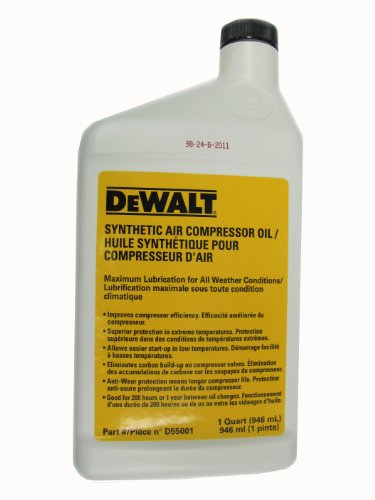
DEWALT Compressor Oil 1-Quart D55001

TRIAX Kompressor ISO 100 SAE 30 1 Quart

TRIAX Kompressor ISO 100 SAE 30 1 Gallon
More Details On Our Top Picks
UAC’s RO 0900B is the most specific bottle in this group, and that matters more than it might seem at first glance. Vehicle-specific fit points it toward a narrow use case, so it makes sense for anyone maintaining equipment that needs a refrigerant oil match rather than a general workshop lubricant.
The trade-off is simple, it’s not the broadest choice here. That narrower focus can be a plus for service work, though, because you’re less likely to overbuy a general fluid that doesn’t line up with the job.
Strong Points
- Vehicle-specific fit keeps the use case clear.
- Works well for targeted cooling-system service.
- Brand-new OE replacement positioning suits maintenance work.
- Useful when you want a direct-match bottle.
Things To Consider
- Narrower scope than the compressor-focused oils below.
- Best used only where the fit is confirmed.
Key Specs
Who It Suits Best
Shop technicians and DIY car owners handling a compatible vehicle system are the best fit here.
Where A Sibling Pick Shines
TRIAX Kompressor ISO 46 SAE 20 1 Quart suits air compressor owners who need a true compressor oil rather than refrigerant-focused fluid.
This small 4-ounce bottle fits neatly into a toolbox, which helps when your air tools need quick attention between jobs. The dry-lube drip oil format is the main story here, because it suits routine pneumatic tool care without taking much shelf space.
Compared with the UAC bottle, this one is much more about handheld tool upkeep than system-specific cooling service. You may find the compact size handy in a busy garage, though repeated use will ask for more frequent replacements than the larger bottles later in the list.
What We Like
- Compact bottle fits easily in a tool drawer.
- Dry-lube drip style works for quick top-offs.
- Useful for pneumatic tools in everyday rotation.
- Easy to keep near a compressor station.
Room For Improvement
- Small volume means you’ll repurchase more often.
- Better for light maintenance than larger compressor systems.
Feature Snapshot
Who Will Love This
Home mechanics and light-duty tool owners who want a compact maintenance bottle are the best fit here.
Another Choice May Suit
DEWALT Compressor Oil 1-Quart D55001 suits you better when you want a larger bottle for a compressor-focused setup.
UniSport’s clear lubricant has a broader job profile than the 3-IN-ONE bottle, and that wider fit can help in a shop with several small maintenance tasks. The translucent formula also makes visual handling easier, which is useful around seals, O-rings, compressors, and general pneumatic tools.
It feels like the kind of bottle you keep around for mixed equipment rather than a single machine. The honest read is that this versatility helps a lot in home garages, but you still need to match the lubricant to the equipment’s requirements instead of treating it as a universal fix.
Highlights
- Clear fluid makes application easier to follow.
- Broad use across tools, compressors, and seals.
- 8-ounce size gives a little more coverage.
- Good fit for mixed-maintenance households.
Small Caveats
- Not as specialized as the Triax compressor oils.
- Storage and label checking still matter for correct use.
Details At A Glance
Right Fit For
DIYers who service several pneumatic tools and want one compact lubricant for the shelf are a strong match.
Skip It When
TRIAX Kompressor ISO 46 SAE 20 1 Gallon is the better fit for larger compressor maintenance where bulk supply matters more.
This is the most technical bottle in the first half of the roundup, and the spec language tells you a lot about its purpose. ISO 46 and SAE 20 are viscosity grades, meaning the oil’s thickness under operating conditions, so this one is aimed at compressors that need a particular flow profile rather than a generic lubricant.
The full synthetic, non-detergent construction makes it a serious fit for rotary, vane, screw, and reciprocal machines. For commercial settings or a busy home shop, that combination is appealing, though the trade-off is that you should care about matching the grade carefully instead of grabbing it on habit.
Upsides
- Full synthetic base suits demanding use.
- Non-detergent formula matches compressor service needs.
- Works across rotary, vane, screw, and reciprocal designs.
- High-temperature orientation helps in hot-running spaces.
- One-quart size is easy to store and pour.
Worth Noting
- Grade matching matters more here than with simpler oils.
- Quart packaging may feel small in larger shops.
Core Details
Whose Shelf It Belongs On
Serious hobbyists and commercial users with compatible compressors are the best match here.
A Better Fit Elsewhere
TRIAX Kompressor ISO 46 SAE 20 1 Gallon suits maintenance routines that need more volume and less frequent restocking.
This one keeps the same compressor-focused formula as the quart bottle, only scaled up for heavier use. That matters for home shops with more than one machine, or for workspaces where topping off oil is part of the regular maintenance rhythm.
The gallon size also changes the ownership experience in a plain, practical way, because you spend less time replacing small containers. The catch is storage, since a gallon jug takes more shelf space and feels less casual than the quart version.
Bright Spots
- Gallon volume suits frequent maintenance.
- Same full synthetic, non-detergent profile as the quart.
- Good for shops with multiple compressors.
- Reduces how often you need to restock.
Areas To Watch
- Needs more storage room than smaller bottles.
- Overkill for a single light-duty compressor.
Feature Rundown
Made For
Busy garages and small service businesses with regular compressor use are the best fit here.
Look Elsewhere When
DEWALT Compressor Oil 1-Quart D55001 makes more sense for lighter maintenance or tighter storage space.
Ingersoll Rand’s all-season synthetic is built for owners who want a maintenance bottle that stays sensible across changing temperatures. That year-round angle matters in a garage that gets cold in winter and warm in summer, since you’re not adjusting your oil choice every time the weather changes.
The 1-liter bottle sits between the smaller tool oils and the larger compressor jugs, which gives it a comfortable middle ground. It’s a practical choice for reciprocating compressors, though its value depends on having the right brand fit and not just the right bottle size.
Reasons To Buy
- Synthetic blend is meant for all-temperature use.
- Works well for reciprocating compressor maintenance.
- 1-liter size hits a practical middle ground.
- Good match for year-round service habits.
Points To Note
- Brand-specific positioning may narrow the fit.
- Not as large as the gallon Triax option.
Technical Sheet
Built With In Mind
Home workshop owners with a reciprocating compressor and changing seasonal temperatures fit this bottle well.
Swap It Out When
TRIAX Kompressor ISO 46 SAE 20 1 Gallon is the better match for higher-volume compressor upkeep in a larger shop.
DEWALT’s 1-quart bottle keeps things straightforward, and that can be exactly what you want for a home compressor. The package dimensions also hint at why it feels easy to store, because the container is shaped for shelf space rather than bulk handling.
Compared with the Ingersoll Rand option, this one feels a little more universal in presentation and a little less tied to temperature language. It suits owners who want a plain compressor oil they can keep near the tool bench without much fuss.
Best Bits
- Quart size is easy to tuck onto a shelf.
- Simple compressor focus keeps the choice clear.
- Good fit for home garages and light shops.
- Package dimensions suggest easy storage and handling.
Softer Spots
- Less detailed feature language than the Triax oils.
- No extra format or volume flexibility beyond the quart.
Quick Facts
The Right Fit
Home users and garage owners who want a simple quart bottle for regular compressor care are a strong match.
Where A Sibling Pick Shines
Ingersoll Rand 38436721 All-Season Select Synthetic Lubricant suits you better when year-round temperature consistency matters more.
TRIAX moves into a heavier viscosity class here, so this bottle speaks to compressors that need a thicker oil profile than the ISO 46 version above. That matters in higher-load machines, where the oil choice needs to line up with operating demands instead of just brand familiarity.
The full synthetic, non-detergent formula keeps the same serious tone as the other Triax compressor oils. The main difference is the ISO 100, SAE 30 grading, which makes this a more specialized match for equipment that calls for that thicker range.
Standout Traits
- Heavier viscosity suits certain compressor designs.
- Full synthetic build supports demanding use.
- Works across multiple compressor categories.
- Quart size stays manageable for shop use.
Trade Offs
- Thicker grade narrows the compatibility window.
- Less suited to casual or small-scale upkeep.
Spec Overview
Who Should Grab It
Owners of compatible high-load compressors who need a thicker synthetic oil are the best match here.
Consider Something Else
TRIAX Kompressor ISO 46 SAE 20 1 Quart suits you better for a lighter grade and broader everyday compressor maintenance.
This gallon jug is the most supply-minded option in the lineup, and it makes sense for shops that go through compressor oil at a steady pace. You get the same ISO 100, SAE 30 synthetic approach as the quart version, only with more room to cover repeated service intervals.
It’s a sensible fit for larger setups, though the size asks for dedicated storage and a real need for bulk volume. The upgrade only pays off when your compressor use justifies the extra capacity, because a single machine at home won’t always need this much on hand.
Positives
- Gallon volume supports frequent shop maintenance.
- Same heavy-duty synthetic profile as the quart.
- Good for multi-machine environments.
- Reduces how often you restock oil.
Minor Gripes
- Takes more shelf room than a quart bottle.
- Feels excessive for occasional home use.
Core Details
Perfect Match For
Shop owners and maintenance-heavy setups that need a larger supply are the best fit here.
Reach For A Different Pick When
DEWALT Compressor Oil 1-Quart D55001 is the cleaner choice for compact storage and lighter upkeep routines.
How To Choose The Right Air Compressor Oils
Start With Viscosity And Machine Type
Viscosity is the oil’s thickness at operating temperature, and it matters because compressors are built around specific flow and protection needs. ISO and SAE numbers help you compare that thickness, so the Triax ISO 46 and ISO 100 bottles serve different machines rather than different moods. A rotary screw unit, a reciprocating compressor, and a light pneumatic tool all ask for different things from the oil film.
The safest move is matching the grade your machine calls for instead of shopping by brand alone. That simple habit helps you avoid heat buildup, sluggish circulation, and the vague disappointment of a bottle that sounds right but fits poorly.
Choose Bottle Size Around How Often You Service
Quart bottles suit home garages, occasional top-offs, and small compressors that do not burn through oil quickly. Gallon jugs make more sense in a service bay or shop with several units, because restocking becomes less frequent and storage is more orderly.
The smaller 3-IN-ONE and UniSport bottles work better for compact tool care, while the Triax gallon containers are built for heavier routines. You’ll feel the difference most on a shelf, where volume decides whether a bottle looks handy or cumbersome.
Think About Seasonal Conditions
Temperature swings matter because compressor oil has to stay usable in both cold starts and warmer operation. That’s why all-season synthetic blends, like the Ingersoll Rand bottle, appeal to people who run equipment through changing weather.
A garage in a mild climate can get by with a simple quart bottle, but a drafty workshop in winter may benefit from a synthetic formula that feels steadier year-round. The point is not to chase the flashiest label, just the bottle that suits the room your compressor actually lives in.
Use Case Beats Marketing Language
Some bottles are tuned for compressors, while others are better for pneumatic tools or vehicle-related service. UAC’s refrigerant oil sits in a different lane from the compressor-focused Triax oils, and that difference matters more than bottle style.
Tool owners, home mechanics, and commercial operators all need different levels of specificity. Match the bottle to the job first, then sort by size and storage convenience.
Before You Click Buy
Mistakes Worth Dodging
One common slip-up is confusing compressor oil with pneumatic tool oil or refrigerant oil. The bottles can look similar, but the job inside the machine is different, and that mismatch can create hassle during maintenance.
Another easy miss is buying too little volume for a machine that gets regular use. A gallon jug only makes sense when the compressor earns it, while a small bottle is cleaner for occasional upkeep.
The Case For Spending Up
Higher-tier oils usually cost more because they bring synthetic bases, tighter grade control, and broader fit language for demanding compressor types. That extra engineering matters most in hotter running machines or shops where equipment works often.
The upgrade pays off when downtime is annoying, storage space is managed, and the compressor runs frequently enough that oil choice becomes part of routine care. For a light home setup, the simpler bottle often makes more sense.
Frequently Asked Questions
What do ISO 46 and SAE 20 mean?
Those are viscosity grades, which describe how thick the oil is under operating conditions. Matching the grade to your compressor helps the lubricant move and protect the way the machine expects.
Can you use pneumatic tool oil in a compressor?
Not always, because tool oil and compressor oil are made with different use cases in mind. The safest approach is to follow the machine’s required oil type, not just the bottle shape.
Why do some bottles say synthetic?
Synthetic means the oil base is engineered rather than straight conventional stock. That often suits heat, seasonal changes, and longer service intervals better than simpler blends.
Is a gallon bottle always the smarter choice?
No, because gallon size only helps when you use enough oil to justify the storage space. A quart is usually easier for home garages and single-machine setups.
What matters more, brand or grade?
Grade usually matters first because the compressor needs the right thickness and formulation. Brand helps once the grade and use case already line up.
Closing Thoughts
The best air compressor oils make maintenance feel less fussy because they match the machine, the room, and the way you work. For a home garage, a quart bottle can be plenty, while a commercial space may do better with the gallon Triax options. Keep viscosity, bottle size, and equipment type in the same conversation, and the shortlist gets much easier to narrow. That’s the cleanest path to a choice that fits your setup without overcomplicating it.




