


Getting started with routing feels easier when the tool matches the job, not the other way around. You want steady control, sensible power, and a shape that won’t make edge trimming or small joinery feel awkward after ten minutes.
This roundup focuses on beginner routers that make sense for first projects, garage setups, and casual shop use. Some are handheld wood routers, one is a router table accessory, and one covers home networking, so you can compare the right kind of router for your setup.
Quick Look At The Shortlist

TwoWin Router Tool 800W Compact Wood Router Tool

Cudy AC1200 Gigabit WiFi Router WR1300

NETGEAR WiFi 6 Router 4-Stream R6700AX

Router Circle Cutting Jig for DeWalt Bosch Milwaukee Compact Routers
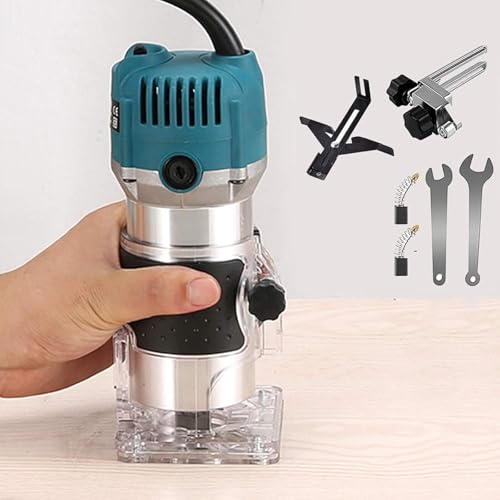
Router Tool Wood Router Trimmer 800W 30000R/MIN
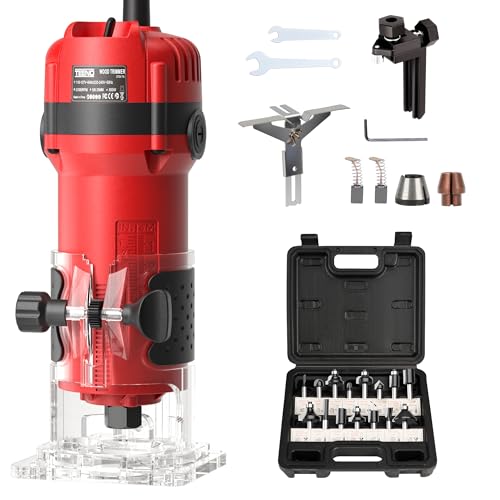
TEENO Wood Router 6.5Amp 1.25HP 800W Hand Wood Router

SILVEL Wood Router 800W 6.5Amp 1.25HP Hand Wood Router
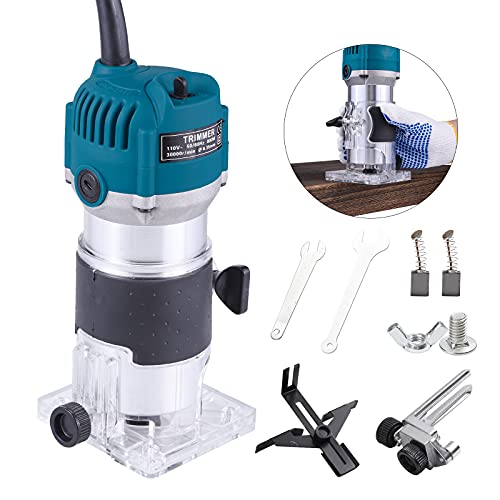
Wood Router Tool 800W 30000R/MIN Blue
More Details On Our Top Picks
For a first handheld router, this TwoWin setup keeps the footprint small and the learning curve sensible. The 1/4-inch collet format matters because it fits common trim-router bits, and the included 15-piece tungsten carbide bit set gives you enough range for early edge jobs without hunting for extras right away.
The 800W, 110V to 120V design fits basic woodworking tasks on a standard home bench, especially laminate trimming, small grooves, and simple shaping. The trade-off is plain enough, though, because compact routers like this are better for light to moderate work than for deep stock removal.
Strong Points
- Compact body helps keep control steady on smaller parts.
- 1/4-inch collets suit common beginner bit sizes.
- The 15-bit set covers several early practice jobs.
- 800W output gives enough muscle for trim and edge work.
- Good match for garage benches with limited space.
Points To Note
- Compact trim routers are not the right pick for heavy shaping.
- Bit changes and cleaning matter more on smaller tools, so a simple storage case helps.
- The included accessory bundle is useful, though a few users may still add specialty bits later.
Feature Snapshot
Who Should Grab It
Beginners setting up a small bench for edging, light shaping, and laminate work will get the most from it.
A Better Fit Elsewhere
TEENO Wood Router 6.5Amp 1.25HP 800W Hand Wood Router suits you better when you want a stronger all-around trim tool with a faster top speed.
This Cudy router sits in a different lane from the handheld wood tools, and that’s useful if your beginner project is a cleaner home network instead of a router table. Dual-band means it sends data on two radio bands, and the listed 1200 Mbps split across 2.4 GHz and 5 GHz makes it a practical fit for streaming, browsing, and multiple devices under one roof.
The four antennas and four Gigabit LAN ports give it a more fixed-home feel than the compact pick above. Gigabit ports matter because they support faster wired links between a modem, desktop, console, or storage device, though the real-world result still depends on your internet plan and home layout.
What We Like
- Dual-band support helps separate lighter and heavier traffic.
- Four Gigabit ports give you useful wired connection options.
- The four-antenna layout suits a typical family room or office.
- AP mode adds flexibility for extending an existing setup.
Small Caveats
- Four antennas take more shelf space than a minimalist router.
- VPN and guest features are helpful, though setup comfort varies by household.
- Range depends on walls and room layout, so placement still matters.
Core Details
Made For
Households that want a straightforward router for streaming, laptops, and wired devices will find the layout practical.
Where Another Pick Shines
NETGEAR WiFi 6 Router 4-Stream R6700AX is the better match for you when you want newer WiFi 6 support and a tighter fit for a busier small home.
Compared with the Cudy pick, this NETGEAR model leans harder into modern WiFi 6 hardware for a smaller home footprint. WiFi 6, also called 802.11ax, is the newer wireless standard here, and that matters because it’s built to handle more devices with less fuss in busy homes.
The listed 1,500 square foot coverage and support for 20 devices make it a sensible middle-ground option for apartments, townhomes, or modest family spaces. The honest read is that a router like this still depends on walls, placement, and your internet service, so its strengths show best in a fairly typical layout.
Bright Spots
- WiFi 6 support gives you a newer wireless platform.
- Four-stream design helps with multiple connected devices.
- Coverage rating fits many small homes without overbuying.
- Expert help can ease setup for less technical households.
Areas To Watch
- Router-only packaging means you still need the rest of your network gear.
- Coverage claims depend on floor plan and wall materials.
- Set-up comfort still matters, even with support available.
Details At A Glance
Best Suited To
You’re in the right lane here if you want a simple WiFi 6 router for a small household and a cleaner upgrade path than older hardware.
Look Elsewhere When
Cudy AC1200 Gigabit WiFi Router WR1300 fits better for you when you want a more budget-minded setup with four Gigabit LAN ports and a more traditional dual-band layout.
After the handheld routers above, this jig is the part that helps you cut cleaner circles instead of freehand guessing. It’s an aluminum-alloy guide made for compact routers from DeWalt, Bosch, and Milwaukee, so the appeal is in control rather than raw power.
The adjustable 5.5 to 30 inch range gives you room for small speaker rings, cabinet details, or larger arcs, and that flexibility is exactly why a first-time shop setup may benefit from it. The catch is simple: it only helps once your router model and mounting pattern line up with the jig’s design.
Reasons To Buy
- Aluminum alloy construction feels suited to repeat shop use.
- Adjustable circle range supports a wide span of project sizes.
- Helps you make arcs, grooves, and round cuts with less guesswork.
- Works with several major compact-router families.
Worth Noting
- Compatibility matters, so router fit needs a careful check.
- Jigs need storage space and a little setup discipline.
- It solves a shape problem, not a power problem.
Spec Overview
Whose Shelf It Belongs On
Woodworkers who already own a compatible compact router and want cleaner curved cuts will get the most out of it.
Skip It When
TwoWin Router Tool 800W Compact Wood Router Tool makes more sense for you when you still need the router itself before adding shaping accessories.
This AKYPACH trim router keeps the focus on simple hand control, and that can be a good thing for a first workshop tool. The aluminum-and-plastic body, soft grip handle, and 30,000 rpm rating give it a basic but workable shape for slotting, edge cleanup, and light carving.
Compared with the TwoWin model, this one leans a little more toward speed than bundled extras. The 6.35 mm chuck, which is the bit-holding opening, supports standard 1/4-inch bits, so it fits a lot of beginner-friendly tasks without feeling overly specialized.
What We Like
- Soft grip design helps longer sessions feel less harsh.
- 30,000 rpm gives brisk trimming for lighter jobs.
- Aluminum plus plastic construction keeps the build straightforward.
- 1/4-inch bit compatibility keeps accessory choices familiar.
Minor Gripes
- Harder edge work still calls for steady technique.
- Compact routers benefit from careful bit storage and cleaning after use.
- It is a simple tool, so advanced features are not part of the package.
Technical Sheet
Right Fit For
Beginners who want a straightforward trim router for edge work, slotting, and light detail shaping will understand it quickly.
Another Choice May Suit
TEENO Wood Router 6.5Amp 1.25HP 800W Hand Wood Router suits you better when a fuller feature set and a faster top speed matter more.
TEENO feels like the point where a beginner router starts acting more like a serious shop tool. The 6.5-amp, 1.25-horsepower rating points to stronger output for edging and trim work, while the 31,000 rpm top speed gives you a little more headroom than the simpler budget-style picks.
The included 15-bit set is a nice touch for someone building a first woodworking kit, and it saves you from piecing together the basics one bit at a time. The trade-off is that a stronger tool can also feel less forgiving, so steady handling matters more once you move past simple practice cuts.
Upsides
- Higher stated power gives you more room for broader trim work.
- 31,000 rpm adds pace for quick edge passes.
- Fifteen router bits help the kit feel more complete.
- Good bridge between starter tools and more serious shop use.
- The size and speed combo suit growing home workshops.
Room For Improvement
- More output can also mean less forgiveness in unsteady hands.
- Accessory storage matters more once the bit count goes up.
- For very small projects, it can feel more tool than necessary.
Feature Rundown
The Right Fit
You’ll get the most from it in a home workshop where you want one handheld router that can grow with your skills.
Where Shoppers Go Wrong
AKYPACH Router Tool Wood Router Trimmer 800W 30000R/MIN is the safer match for you when you want a simpler hand router with less of a learning jump.
This SILVEL router lands close to the TEENO in core power, but the slower 30,000 rpm rating gives it a slightly calmer feel on paper. That can suit you well for steady edge trimming, especially in a small workshop where you care more about control than speed bragging rights.
The red finish is just cosmetic, though the compact body and included 15-bit set make it easy to slot into a first woodworking bench. The honest read is that this one looks best for routine, predictable tasks rather than aggressive material removal.
Best Bits
- Comfort-oriented shape suits longer beginner sessions.
- 30,000 rpm keeps it quick enough for daily trim work.
- 15-bit bundle broadens the early project list.
- Works nicely for routine edge cleanup and shallow shaping.
Soft Spots
- The red finish changes the look, not the job.
- Bit care and dust removal still matter after each use.
- It leans toward routine tasks rather than heavier cuts.
Core Details
Built With In Mind
Home woodworkers who want a simple, comfort-minded trim router for regular light projects will feel at home with it.
Swap It Out When
TEENO Wood Router 6.5Amp 1.25HP 800W Hand Wood Router fits you better when a slightly quicker top speed matters more than the softer feel.
This blue AKYPACH router closes the list with the same 800W, 30,000 rpm formula as the earlier trim-style pick, but it keeps the presentation simple and compact. That makes it a straightforward option for small shop tasks, especially trimming, laminate work, and light engraving where a full-size router would feel like too much tool.
The aluminum-and-plastic build with a soft handle is meant to make hand use feel less tiring, though the size still asks for careful control. You may find it most useful as a second router or a first step into shaping work, not as a heavy-duty bench machine.
Highlights
- Compact shape works well on smaller project pieces.
- 800W output suits common beginner routing tasks.
- 30,000 rpm keeps the tool responsive for light cuts.
- Soft grip helps the hand router feel less abrupt.
Areas To Watch
- It stays in the lightweight category, so big material removal is not the point.
- Like other compact routers, it benefits from careful bit storage and routine dust cleanup.
Quick Facts
Who It Suits Best
Beginners with a small bench who want a basic router for trimming and carving tasks will get along with it quickly.
Reach For A Different Pick When
NETGEAR WiFi 6 Router 4-Stream R6700AX is a better fit for you only in the networking sense, since it serves a home internet setup rather than a woodshop.
How To Choose The Right Beginner Routers
Match The Tool To Your First Project
Start with the job you actually plan to do, not the most dramatic spec sheet. Edge trimming, laminate cleanup, and shallow grooves call for a compact router, while a home network upgrade needs wireless bands, LAN ports, and placement-friendly coverage.
For woodwork, a 1/4-inch collet keeps bit choices familiar and beginner-friendly. For networking, dual-band or WiFi 6 support matters more than raw packaging language because it changes how well the router handles several devices at once.
Pay Attention To Control, Not Just Power
Power helps, but control is what keeps a first project from turning into a redo. A soft grip, smaller body, or well-sized jig makes a bigger difference than a spec bump you may never need on day one.
That’s especially true with handheld routers, where a lighter compact tool often feels friendlier than a stronger one. The trade-off is that compact models are better for trim work than for deep cuts, so you’re choosing comfort over brute force.
Check Compatibility Before You Commit
Accessories only help when they fit the tool already in your cart. Collet size, bit diameter, router base pattern, and jig compatibility all matter because they control what you can actually use without extra adapters.
For home networking, compatibility looks different, but the same idea holds: wired ports, AP mode, guest access, and your home layout need to line up. A good match saves you setup frustration and keeps the tool or router useful past the first week.
Things Worth Knowing First
Mistakes Worth Dodging
Plenty of first-timers focus on power numbers and skip the practical details. That’s where mismatched bit sizes, awkward grips, or a router jig that doesn’t fit your base can slow you down fast.
Storage is another quiet issue. Compact routers, extra bits, and cutting guides all need a dry, organized spot, or the tool you bought for convenience starts feeling fussy.
What The Higher Tier Buys
Higher-tier options usually give you better speed control, stronger output, or more complete accessory sets. In routing, that often means smoother handling on longer sessions and less time swapping around for another tool.
That upgrade matters most once you’re making more than occasional practice cuts. For casual touch-up work, a simpler model can be enough, and spending more only makes sense when you know the tool will see regular use.
Frequently Asked Questions
What makes a beginner router easier to use?
A smaller body, familiar 1/4-inch bits, and a simple control layout make early projects less awkward. A soft handle or clear mounting system also helps you feel steadier.
Should you choose a trim router or a full-size router first?
A trim router suits edge work, laminate cleanup, and lighter shaping. A fuller router makes more sense once you plan on wider bits or heavier material removal.
Does WiFi 6 matter for a beginner home router?
It can matter a lot in a busy household with phones, laptops, and streaming devices all active at once. WiFi 6 is built for more efficient handling of that traffic.
Why do router jigs matter in a small shop?
A jig helps you repeat curves and circles with better consistency than freehand work. That matters when you want cleaner lines on speaker rings, cutouts, or decorative arcs.
What should you look for before buying a router accessory?
Check the model fit, size range, and how the accessory mounts to the tool. A perfect-looking accessory is useless when the base pattern or bit format does not line up.
Closing Thoughts
The right beginner router feels steady, understandable, and suited to the job in front of you. For woodwork, that usually means a compact trim router with familiar bit sizes and enough power for edge tasks, while home networking calls for dual-band or WiFi 6 hardware with the right ports and coverage. The best choice is the one that matches your first project and leaves you room to learn without fighting the tool.




