


Bench Top Router Tables make compact shop work a lot easier, especially when you need stable routing without giving up bench space. This roundup focuses on setups that fit real garages, small workshops, and mixed-use workbenches, from full router tables to accessory pieces that tighten up alignment and handling. You’ll see which picks suit quick jobs, heavier routines, and cleaner setups with less fuss.
The right choice depends on your router, your storage space, and how often you swap tooling. Some items here lean toward portability and fast setup, while others are built for steadier work and better repeatability. That mix matters more than a flashy spec sheet.
Quick Look At Our Shortlist
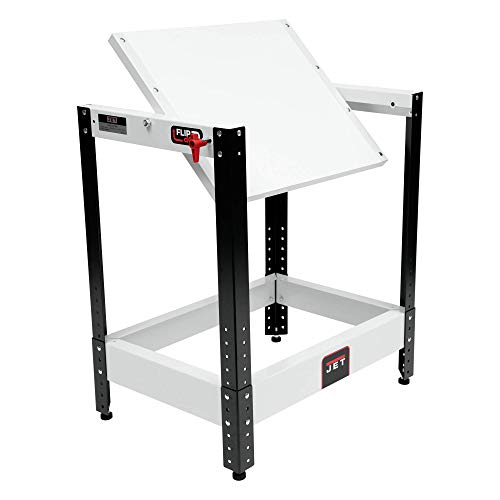
JET Flip Top Benchtop Machine Table (728200)

POWERTEC 24″ x 32″ Benchtop Router Table with Aluminum Insert Plate

POWERTEC Benchtop Router Table with Metal Stand and Adjustable Fence Set

POWERTEC Aluminum Router Table Insert Plate with Reducer Rings
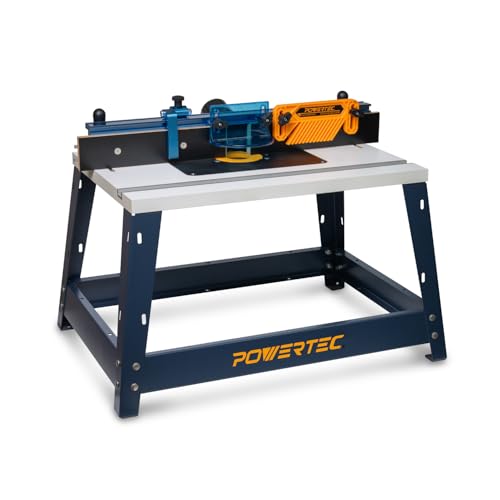
POWERTEC Benchtop Router Table with Steel Stand and Adjustable Fence

POWERTEC Heavy Duty Non Slip Mat 24″ x 48″

Kreg PRS5000 Precision Router Lift

Router Table Setup Bars, 7pcs Aluminum Precision Setup Blocks
More Details On Our Top Picks
The flip-top layout gives you a smart answer to a cramped bench, because two benchtop machines can live on opposite sides of the same stand. That matters in a garage shop where storage disappears fast and the next setup needs to happen without a full teardown.
The steel build and solid tabletop point to a sturdier feel than lighter stands, and the 300-pound capacity gives the stand room for heavier pairings. The trade-off is simple, though, it’s more about stationing tools than acting as a lightweight carry-around.
Strong Points
- Flip-top design saves bench space.
- Holds two machines on one stand.
- Steel frame supports heavier setups.
- 20 x 25 surface fits many benchtops.
Things To Consider
- Better suited to a fixed spot than frequent moving.
- Assembly and tool mounting take some planning.
Feature Snapshot
Who It Suits Best
You’ll appreciate this most in a small shop where one stand needs to do the work of two storage spots.
Where A Sibling Pick Shines
POWERTEC 24″ x 32″ Benchtop Router Table with Aluminum Insert Plate suits you better for a dedicated routing station with more tabletop room.
The larger 24 x 32 top gives you breathing room for longer stock, especially during edge profiling or repeated passes. That extra width also helps keep work supported in a way smaller benchtop surfaces can’t always match.
The aluminum insert plate, reducer rings, leveling screws, and starting pin point to a table built for setup control rather than bare-bones use. Router compatibility spans Bosch, DeWalt, Makita, and other brands, so this fits a lot of common shop gear without feeling narrow in scope.
What We Like
- Wide tabletop gives you more support.
- Aluminum plate brings a cleaner mounting surface.
- Reducer rings and leveling screws help fine-tune fit.
- Starting pin supports safer guided work.
- Works with several well-known router brands.
Softer Spots
- Roomy size asks for more bench space.
- Best suited to a permanent setup.
Details At A Glance
The Right Fit
You’ll get the most from this table in a shop where you want a generous routing surface and a more dialed-in feel.
Another Choice May Suit
JET Flip Top Benchtop Machine Table (728200) fits better for you if bench space is tight and you need to store two benchtop machines together.
This setup leans practical, with a 24 x 16 laminated MDF top, metal stand, and an adjustable fence that suits common trim and edge work. Compared with the larger POWERTEC table above, this one trims the footprint and feels more manageable in a crowded shop corner.
The 2-1/2-inch dust port is useful during longer sessions, since router dust can spread quickly around a bench area. The included fence stop and featherboard give you a little more control than a plain tabletop alone, though the narrower top means long workpieces still ask for careful support.
Bright Spots
- Compact top works well in tighter workspaces.
- Adjustable fence adds useful control.
- Dust port helps with cleaner routing sessions.
- Fence stop and featherboard add convenience.
Minor Gripes
- Smaller top needs more attention with longer boards.
- Best treated as a fixed workstation.
- Accessory-heavy setup can take a little sorting.
Core Details
Whose Shelf It Belongs On
This suits a weekend woodworker who wants a compact, useful router station without giving up too much bench space.
Skip It When
POWERTEC 24″ x 32″ Benchtop Router Table with Aluminum Insert Plate is the better call for you if larger panels and wider support matter more than a smaller footprint.
This is a replacement-style piece rather than a full table, so it makes sense for you when the rest of your setup is already in place. The aluminum plate, reducer rings, leveling screws, and starting pin are all about smoother fit and easier setup, which is often what a tired table needs most.
Compatibility with Bosch, DeWalt, Makita, and other routers gives it broad usefulness, especially for shops that mix brands over time. The trade-off is obvious, though, since this does not give you a complete bench station by itself.
Positives
- Useful upgrade for an existing router table.
- Leveling screws help with flush fit.
- Reducer rings make bit openings easier to manage.
- Starting pin adds guided-start convenience.
- Broad compatibility helps with common router brands.
Room For Improvement
- It is only one part of a full setup.
- You need a compatible table before it helps.
Feature Rundown
Built With In Mind
You’ll get the most out of this as a shop upgrade for a woodworker who already has a router table and wants better control at the plate level.
A Better Fit Elsewhere
Kreg PRS5000 Precision Router Lift suits you better if your priority is precise height changes and repeatable router adjustments.
Compared with the POWERTEC metal-stand table above, this version keeps the same 24 x 16 footprint but shifts to a steel stand and a different accessory mix. That makes it a sensible middle ground for routine routing, especially in a shop where you want steadier support without going up to the larger 24 x 32 format.
The adjustable fence, 2-1/2-inch dust port, fence stop, and featherboard make everyday setup feel a bit more complete. For most home shops, that combination is enough to keep routing calmer and less cluttered, though the smaller top still asks for careful feed support on longer stock.
Upsides
- Steel stand adds a sturdier base.
- Fence adjustability helps with common routing jobs.
- Dust port supports cleaner bench work.
- Fence stop and featherboard improve control.
Points To Note
- Table size favors compact shop layouts.
- Accessory pieces can take time to organize.
- Longer boards need extra attention at the feed side.
Spec Overview
Perfect Match For
You’ll like this best in a smaller workshop where a dependable all-around table matters more than a sprawling surface.
Look Elsewhere When
POWERTEC 24″ x 32″ Benchtop Router Table with Aluminum Insert Plate is the better fit for you if you want more room for larger panels and wider support.
Not every routing setup needs a full table, and this mat makes sense as a simple stability layer under small machines, tools, or drawer storage. The 24 x 48 size gives you a generous surface for keeping gear from creeping around on a bench, which is handy in a workshop that doubles as a catch-all space.
Because it works as a two-pack, you can spread it across more than one spot or keep a spare for sanding and cabinet work. The trade-off is that this is support material, not a routing station, so it belongs beside a table rather than in place of one.
Reasons To Buy
- Large mat size helps keep tools steady.
- Two-pack format adds flexibility around the shop.
- Useful under routers, sanders, and storage drawers.
- Simple way to tame slippery bench surfaces.
Areas To Watch
- It supports a setup, it does not replace a table.
- Best for flat surfaces that need extra grip.
Feature Card
Made For
You’ll find this most useful in a cluttered garage shop where sliding tools waste time and patience.
Swap It Out When
POWERTEC Benchtop Router Table with Steel Stand and Adjustable Fence is the better choice for you if you need a full routing workstation instead of grip material.
This is the sort of upgrade that changes how a router table feels in everyday use, especially when bit height needs to be set with care and repeated accurately. The lift system and router plate insert point toward smoother adjustments, which is a big deal in a shop that does recurring joinery or profile work.
Compared with the simpler plate-only POWERTEC insert above, the Kreg lift is for someone ready to put more money into precision and repeatability. The honest read is that it makes the most sense for frequent router-table users, not for someone setting up a table once in a while.
Highlights
- Lift system supports precise bit height changes.
- Useful for repeatable routing setups.
- Better fit for frequent table use.
- Durable plate insert suits a more serious station.
Small Caveats
- Costs more than a basic insert plate.
- Best value appears in regular use, not occasional work.
Quick Facts
Who Should Grab It
You’ll benefit most from this lift if your router table sees steady use and precise adjustments matter to your workflow.
Reach For A Different Pick When
POWERTEC Aluminum Router Table Insert Plate with Reducer Rings fits you better if you only need a simple insert-level upgrade.
These setup bars are for the person who wants faster repeatable setup work without guessing at fence or height spacing. The seven-piece aluminum set gives you different thicknesses to work with, which is useful when you move between router table and saw accessory tasks.
Compared with the Kreg lift, this is a far simpler precision tool, and that simplicity is the point. It won’t build the table for you, but it can make a good table easier to dial in, especially in a shop where you switch tasks often.
Best Bits
- Seven-piece set gives you setup flexibility.
- Aluminum build keeps the blocks easy to handle.
- Useful for repeatable height and fence setup.
- Small size makes storage easy.
Worth Noting
- It is a setup aid, not a routing surface.
- You need some familiarity to get full value.
Technical Sheet
The Right Fit
You’ll like these most if you build, adjust, and reset router or table saw setups often.
Another Choice May Suit
Kreg PRS5000 Precision Router Lift suits you better when the main goal is precise, repeatable height changes at the table itself.
How To Choose The Right Bench Top Router Tables
Start With The Work You Actually Do
A compact router station suits edge profiling, trim work, and small cabinet parts. Bigger surfaces help more with longer boards, wide panels, and repeat passes that need extra support.
The table size should match your shop flow, not your wish list. A 24 x 16 surface fits a tighter bench, while a 24 x 32 layout gives you much more room to guide stock comfortably.
Look Closely At Fence And Plate Quality
The fence shapes how cleanly your work tracks past the bit, so adjustability matters more than people often expect. An insert plate also matters because a flush, stable mount reduces annoying setup drift.
Aluminum plates tend to feel more precise than basic inserts, while leveling screws help you bring the plate even with the tabletop. That small detail can make routine work feel less fussy.
Think About Dust, Storage, And Movement
A 2-1/2-inch dust port helps connect common shop hoses and keeps cleanup easier during longer sessions. In a busy garage, that can matter as much as the tabletop itself.
Steel stands and flip-top storage are worth a close look in tight spaces. They don’t just hold tools, they help your shop stay organized between jobs.
Match The Setup To Your Skill Level
Beginners usually do better with a table that includes a fence, starting pin, or simple alignment aids. More experienced woodworkers may care more about repeatable height changes and compatibility with specific routers.
The honest read is that accessory parts are not all equal. A good setup block set can save time, but a precision lift pays off more when you route often enough to notice tiny changes.
What To Weigh Before You Choose
Common Shopping Slip Ups
A common mistake is buying a table that looks compact but leaves too little support for the stock you actually use. Another is overlooking router compatibility, which can turn a promising table into a frustrating match.
Fence adjustability, plate fit, and dust collection should all be checked before you commit. Those details matter more than a long feature list with no clear workflow benefit.
What The Higher Tier Buys
Higher-end picks usually spend more on plate precision, sturdier materials, and smoother adjustability. That shows up in the day-to-day feel, especially in shops where the router table gets regular use.
Extra money often goes into lifts, better inserts, or larger surfaces. Paying up makes sense when you want less fiddling and more repeatable setup from one project to the next.
Frequently Asked Questions
What size bench top router table works for a small shop?
A 24 x 16 table usually fits tight spaces better and still gives you a useful routing surface. A larger 24 x 32 table helps more with long stock, but it needs more room.
Do you need an insert plate?
An insert plate gives the router a more stable mounting surface and often makes setup easier. It also helps standardize the opening around the bit.
What does a router lift actually do?
A router lift lets you adjust bit height more precisely from above the table. That helps when you make repeated changes and want a steadier setup routine.
Why does a dust port matter on a router table?
A dust port helps connect the table to shop cleanup gear, which keeps chips from piling up quickly. It is especially useful during longer routing sessions.
Are setup bars useful for beginners?
Yes, they can make spacing and height checks easier once you learn how to use them. They are small tools, but they help remove guesswork from repeat setups.
Closing Thoughts
You’ll get the best results by matching the table to your real shop habits, not the longest spec list. A compact table works well for occasional edge work, while a larger top, a sturdier stand, or a precision lift makes more sense as your routing gets more frequent. Even small accessories, like setup bars or a non-slip mat, can improve the way your station feels. Pick the setup that fits your space, your router, and the way you actually build.




